
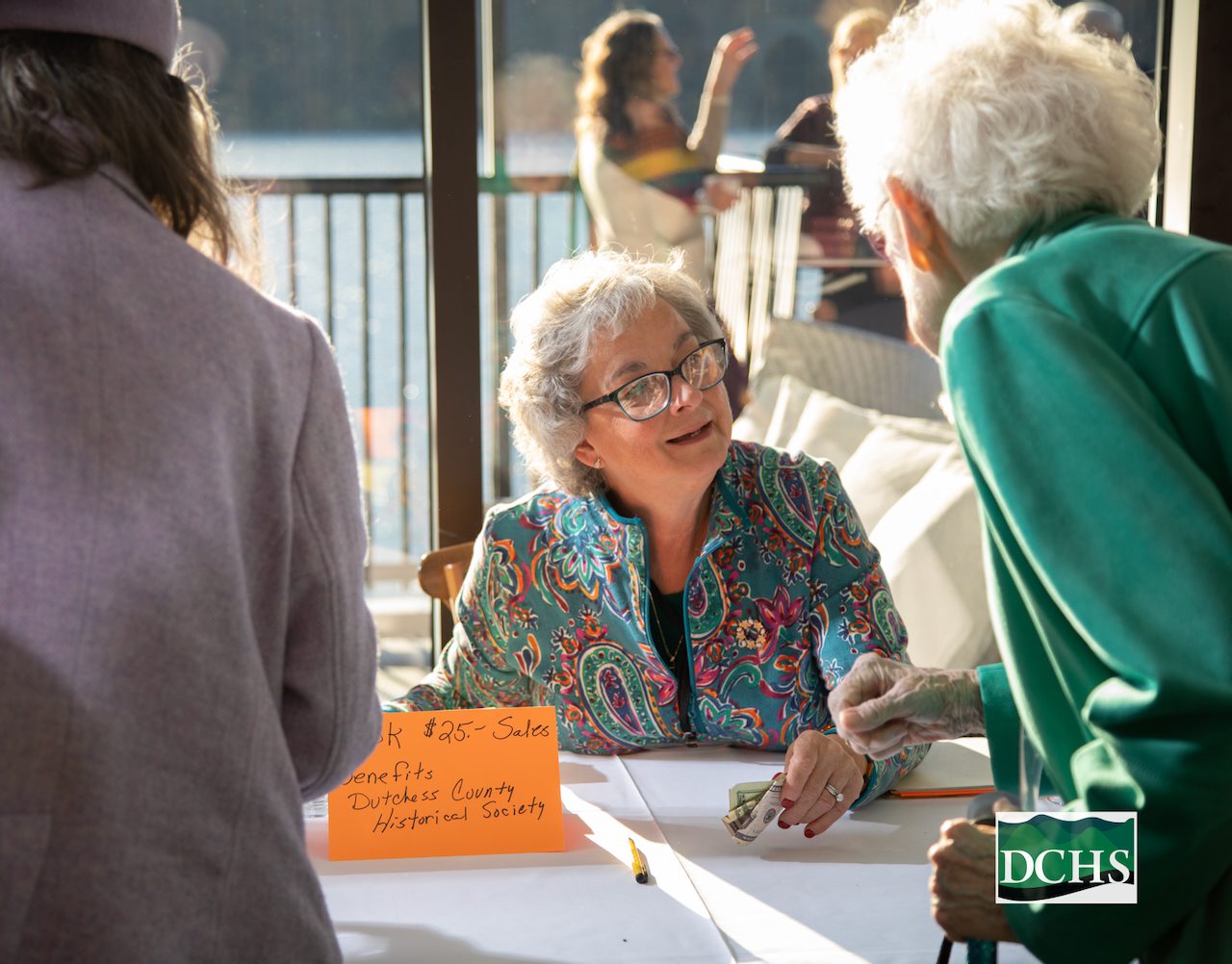
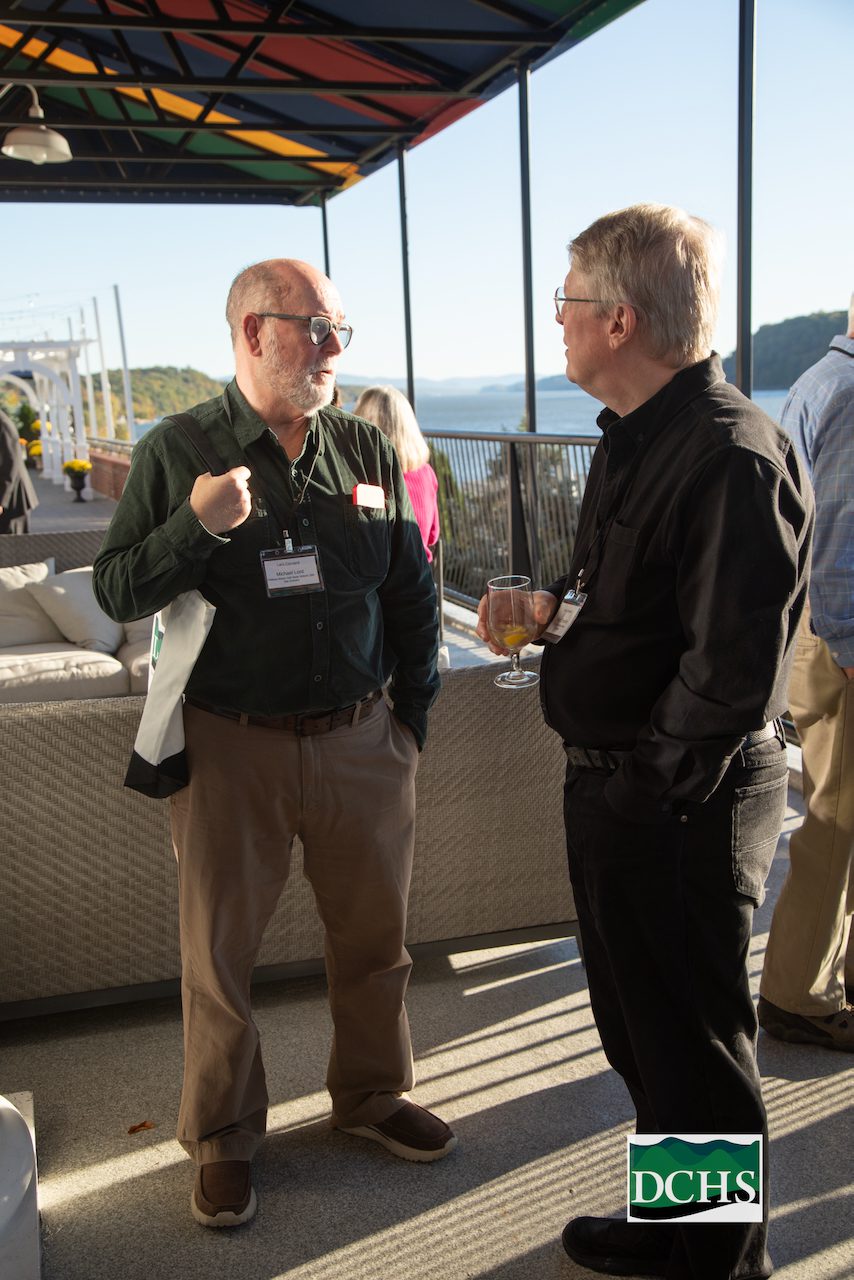
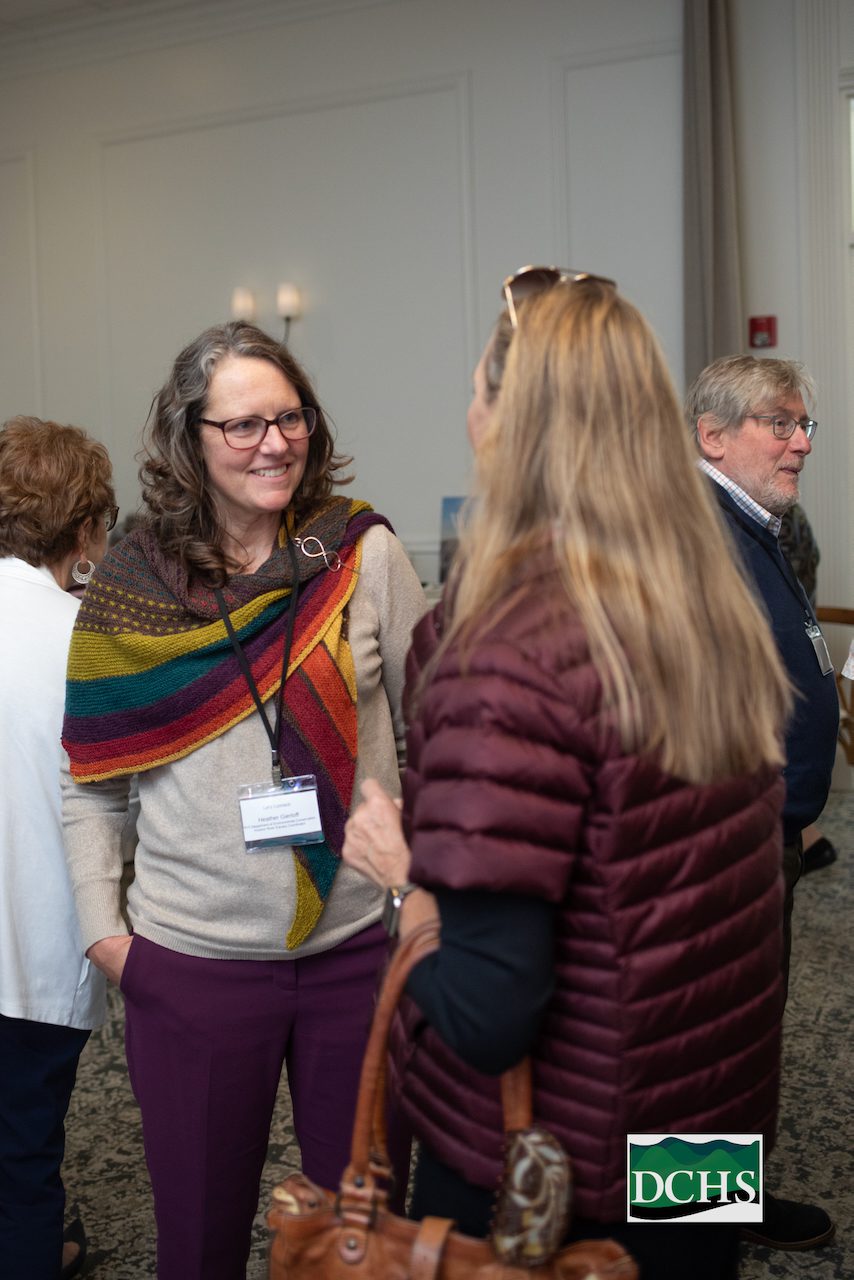
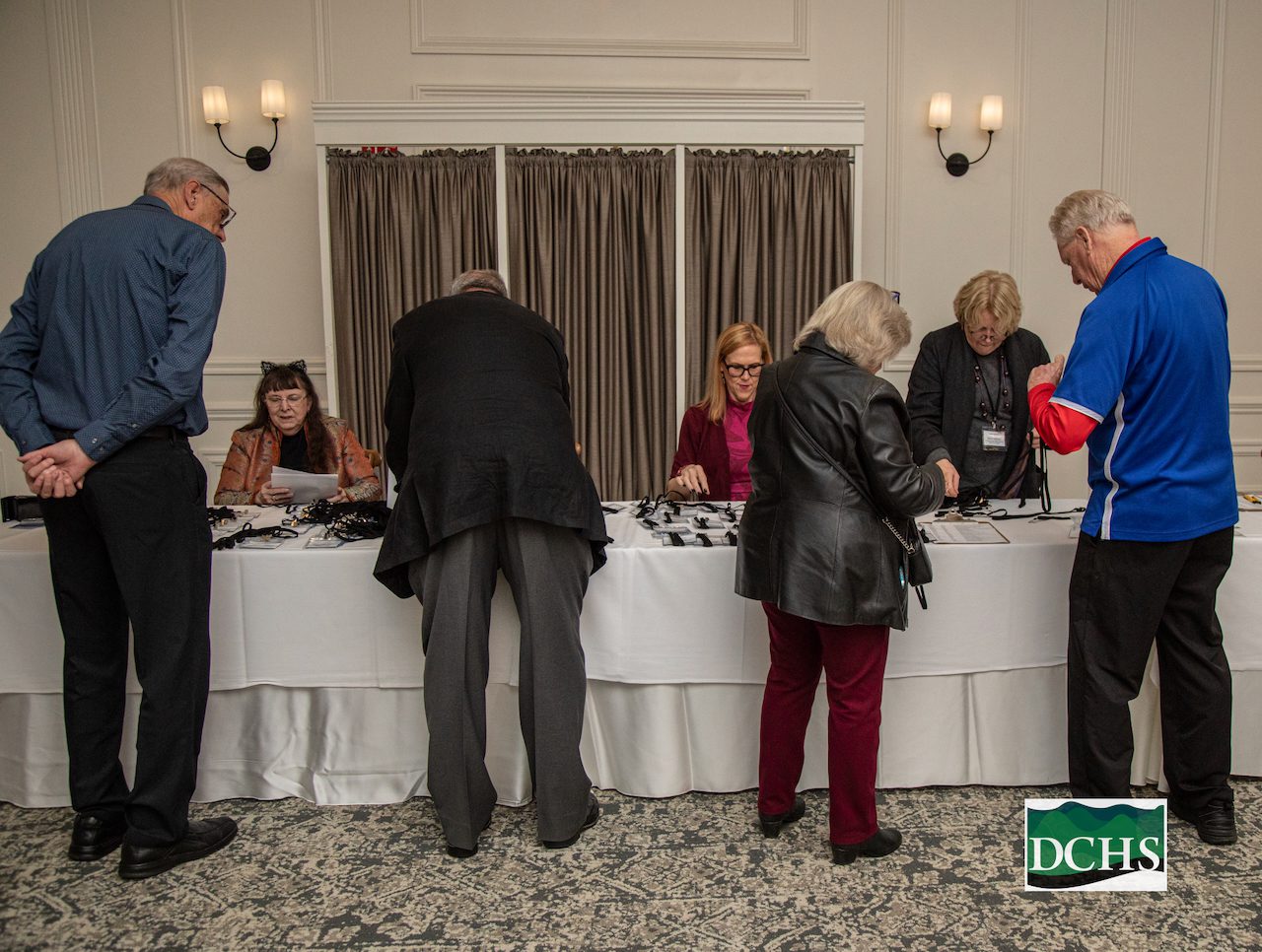
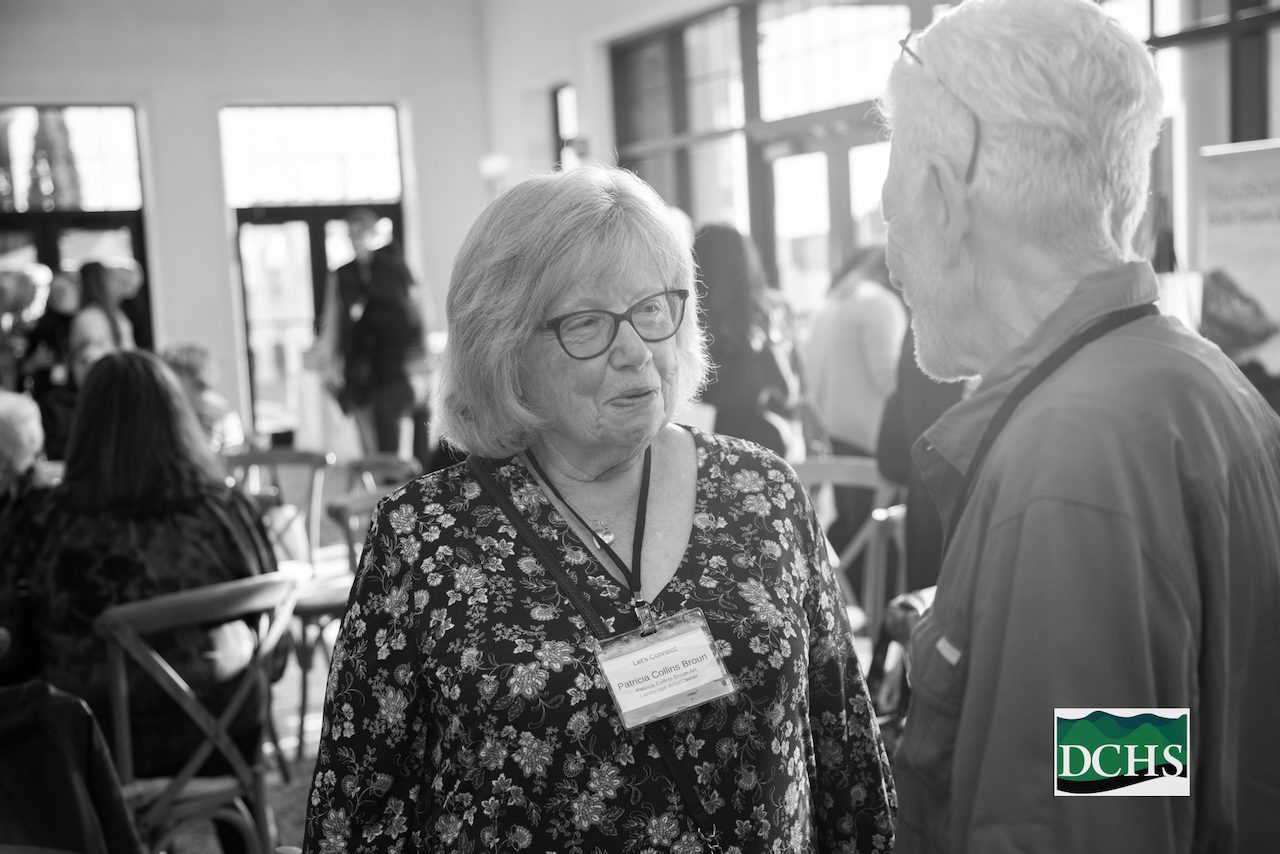
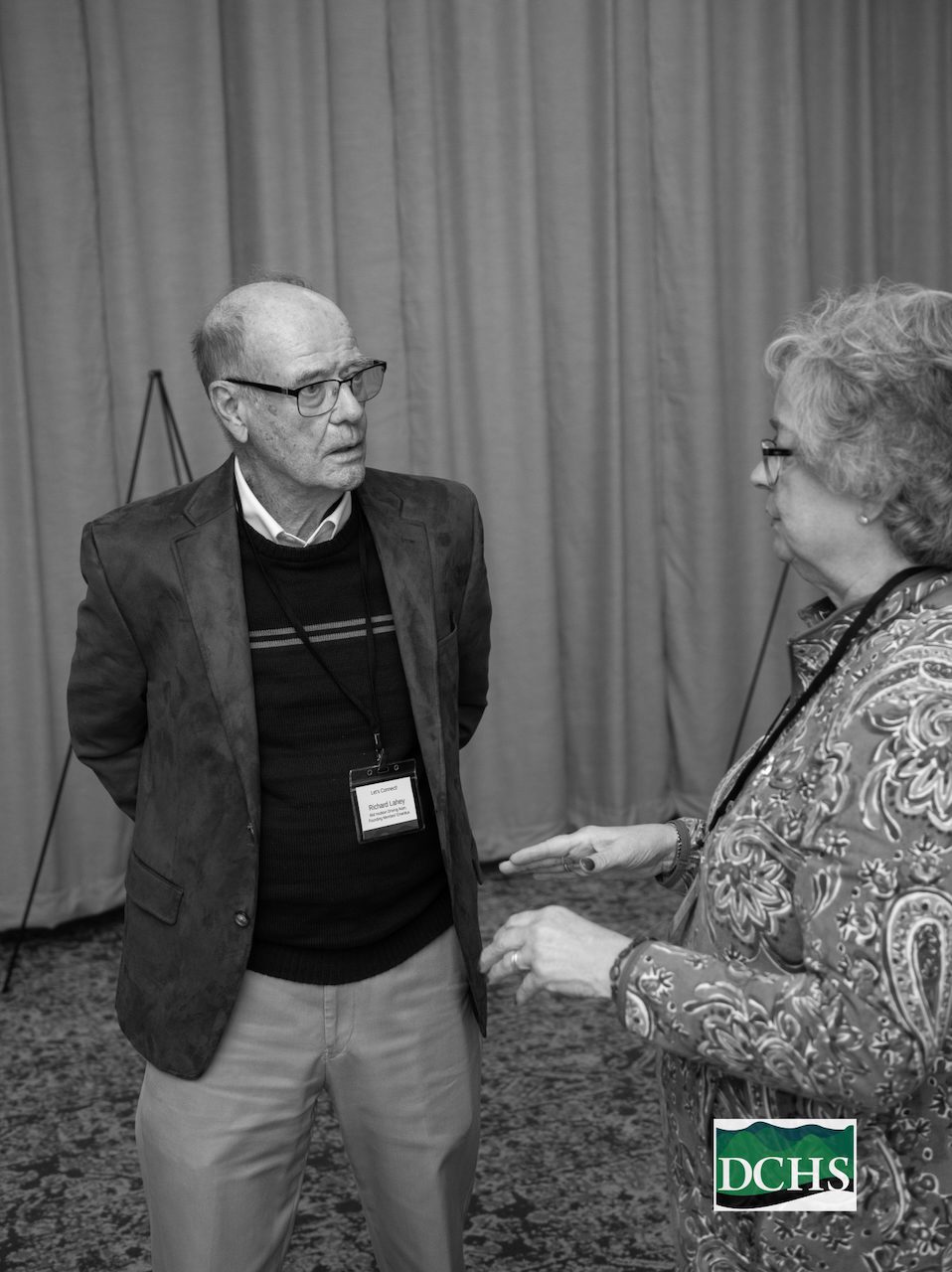
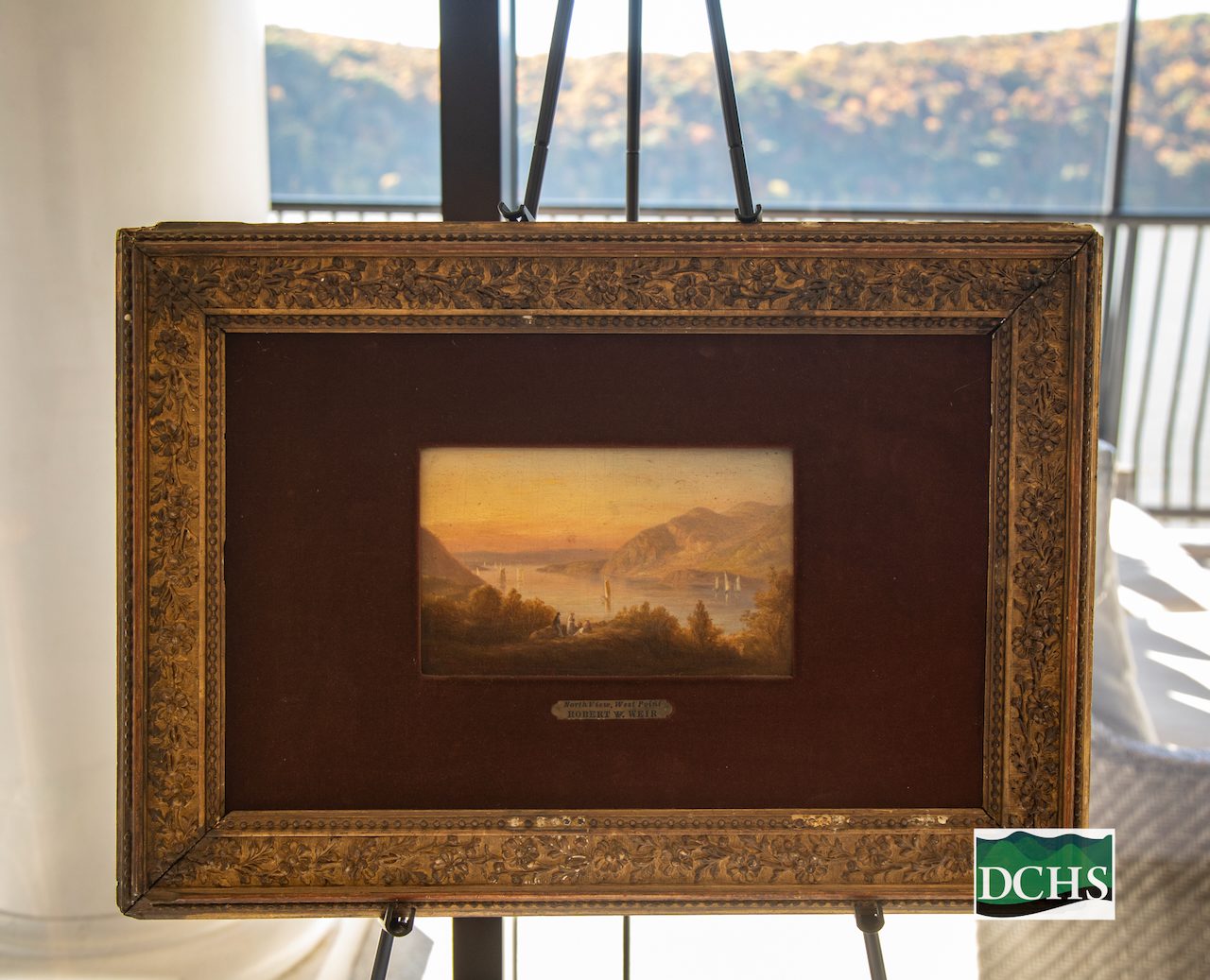
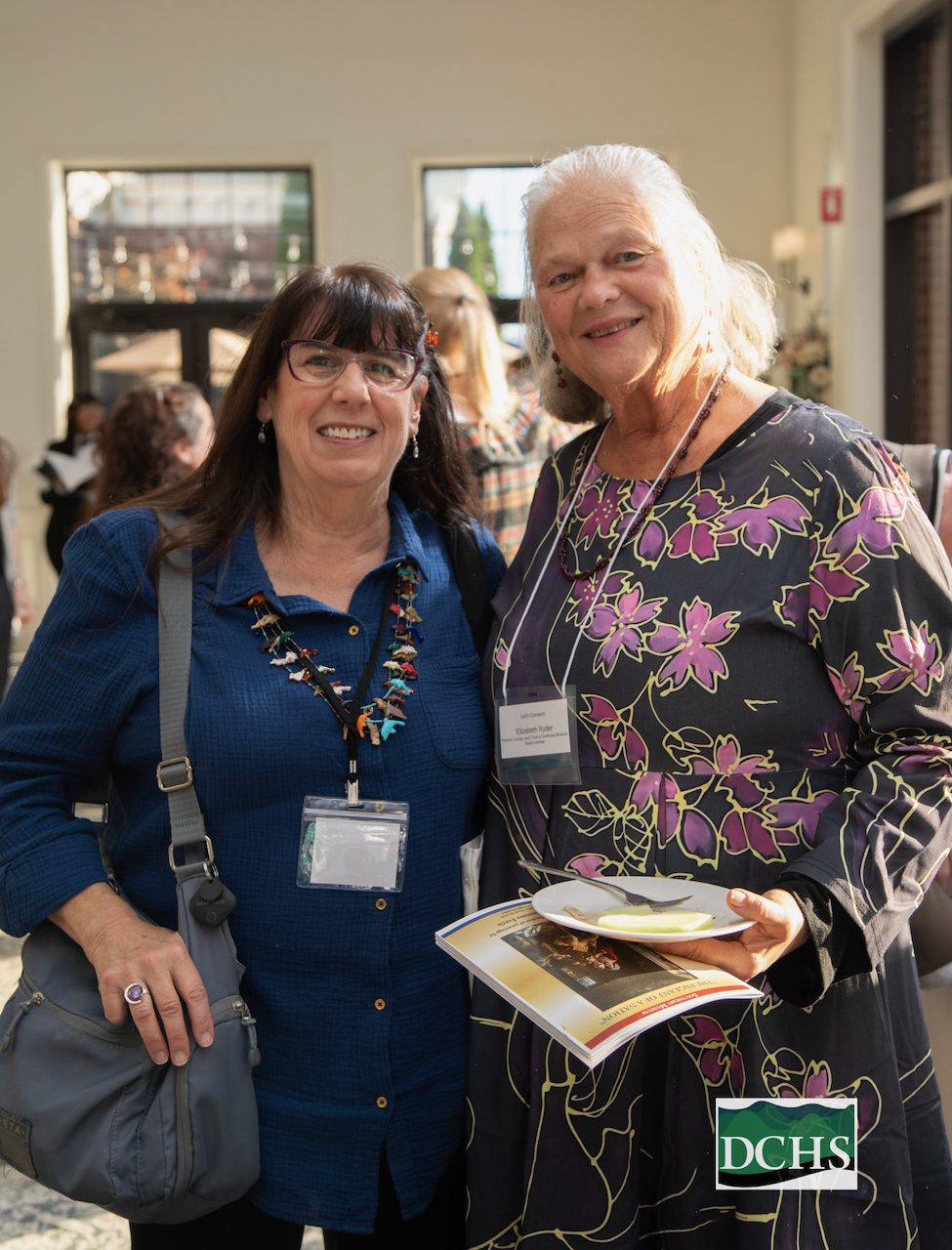
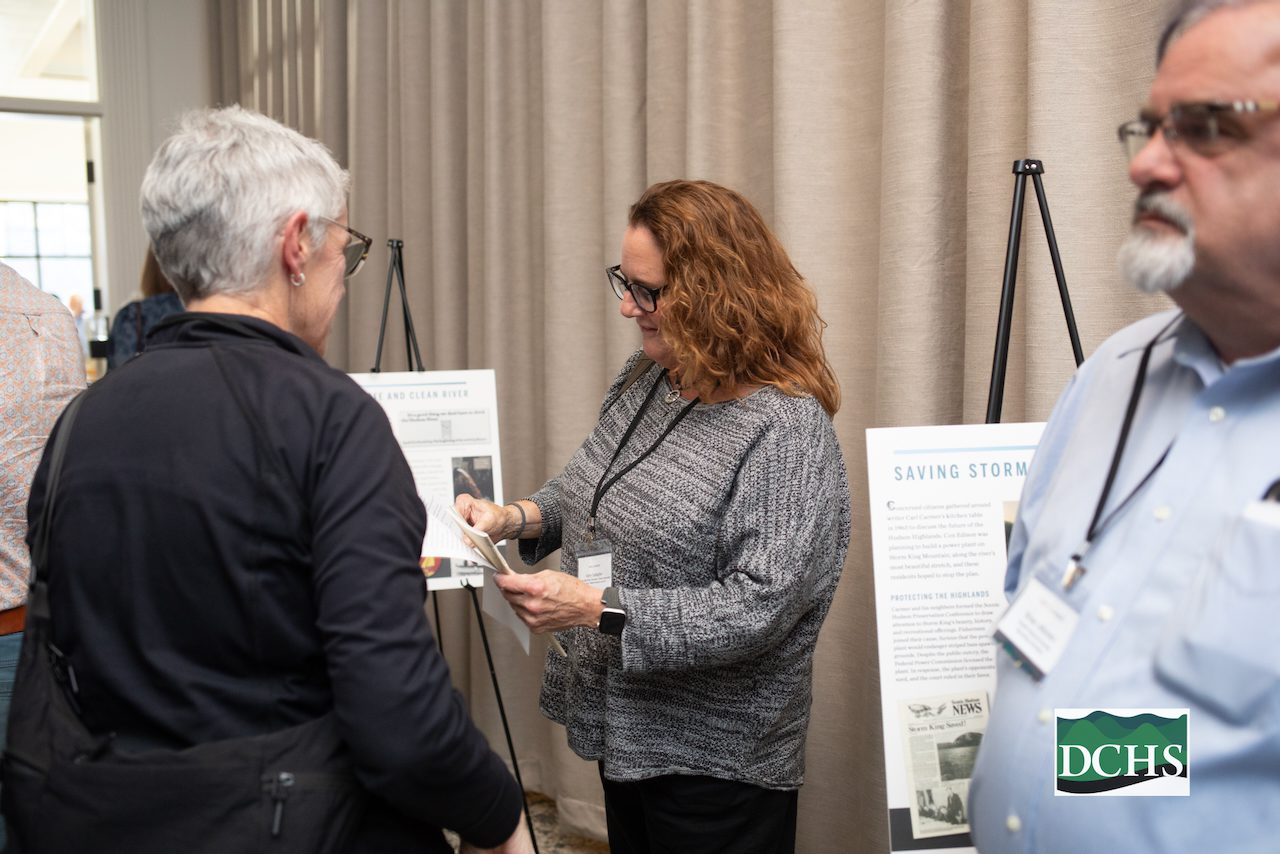
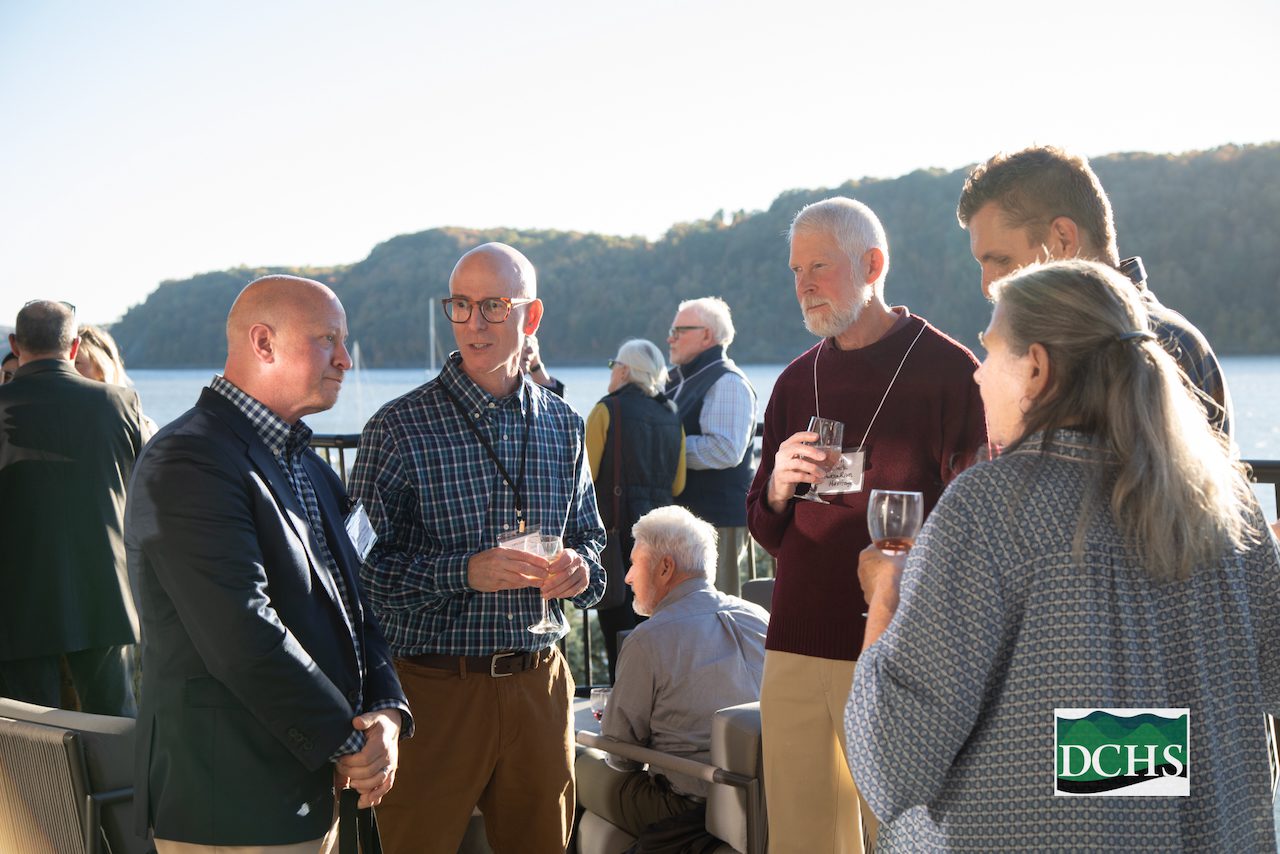
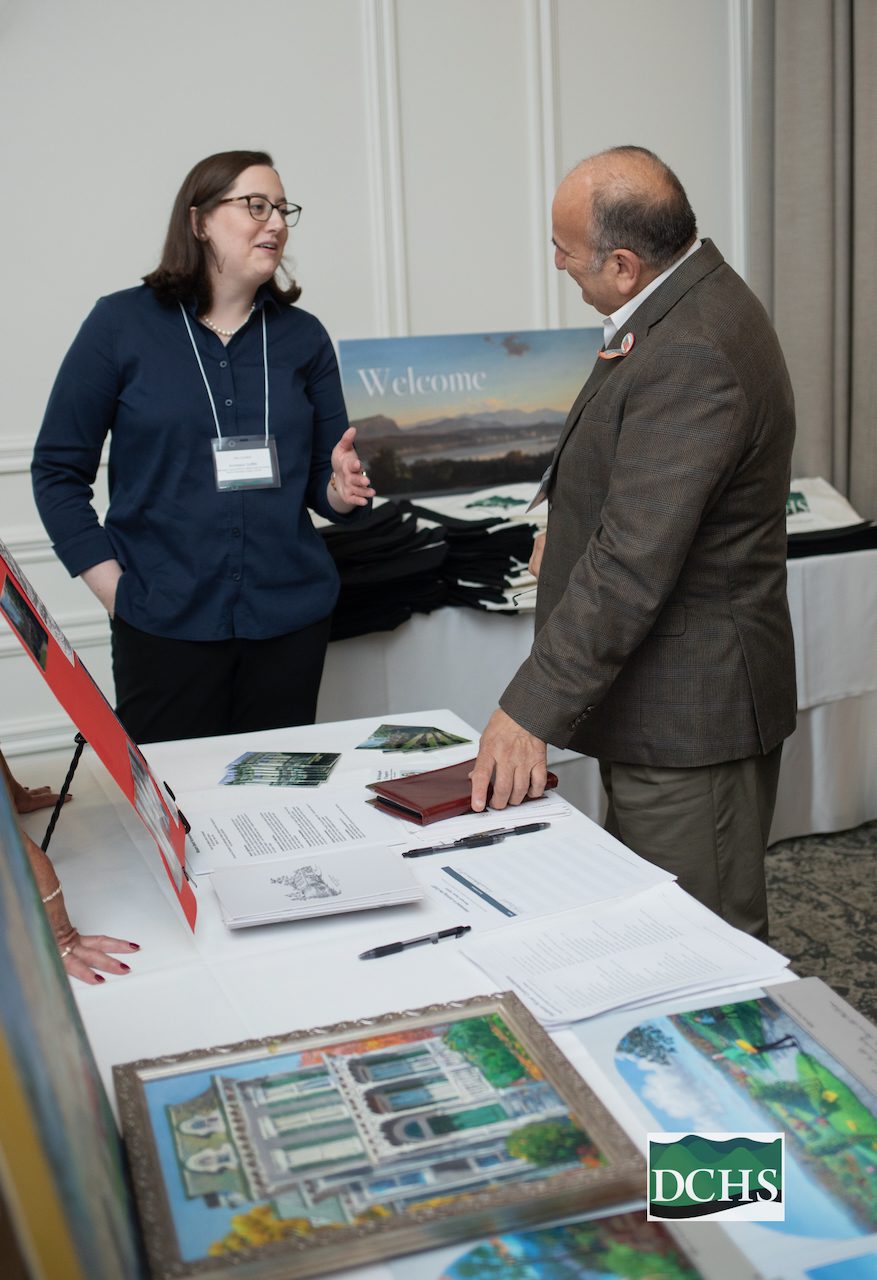
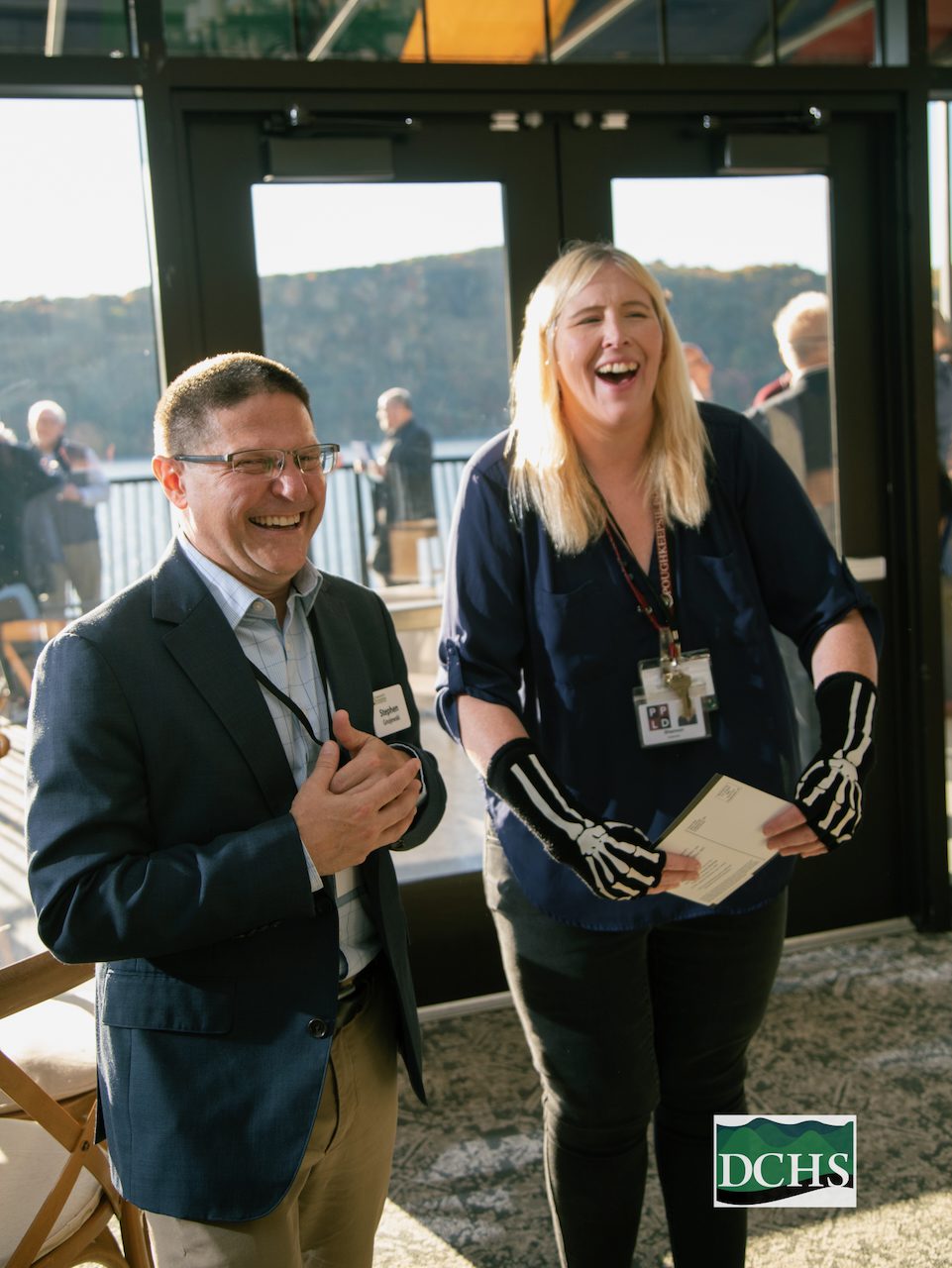
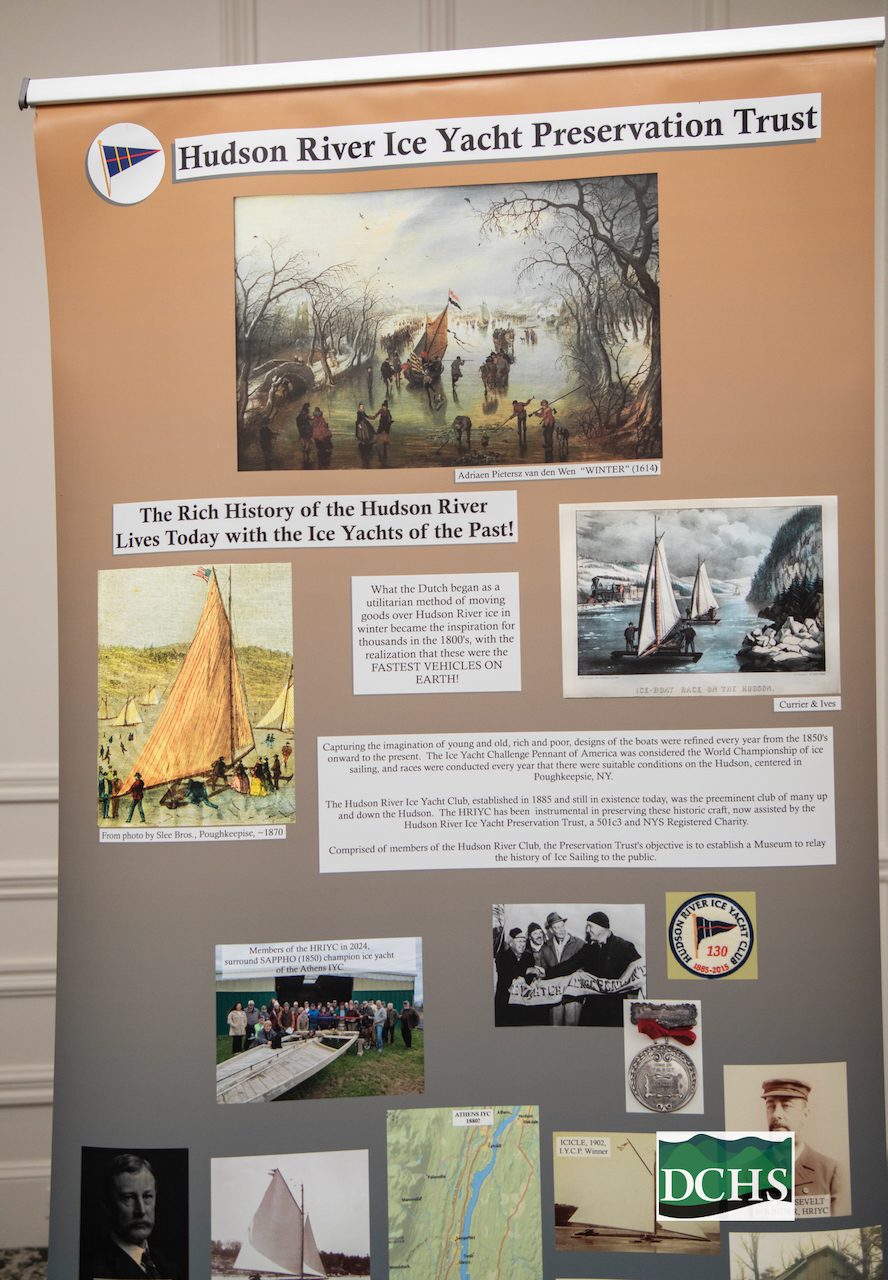
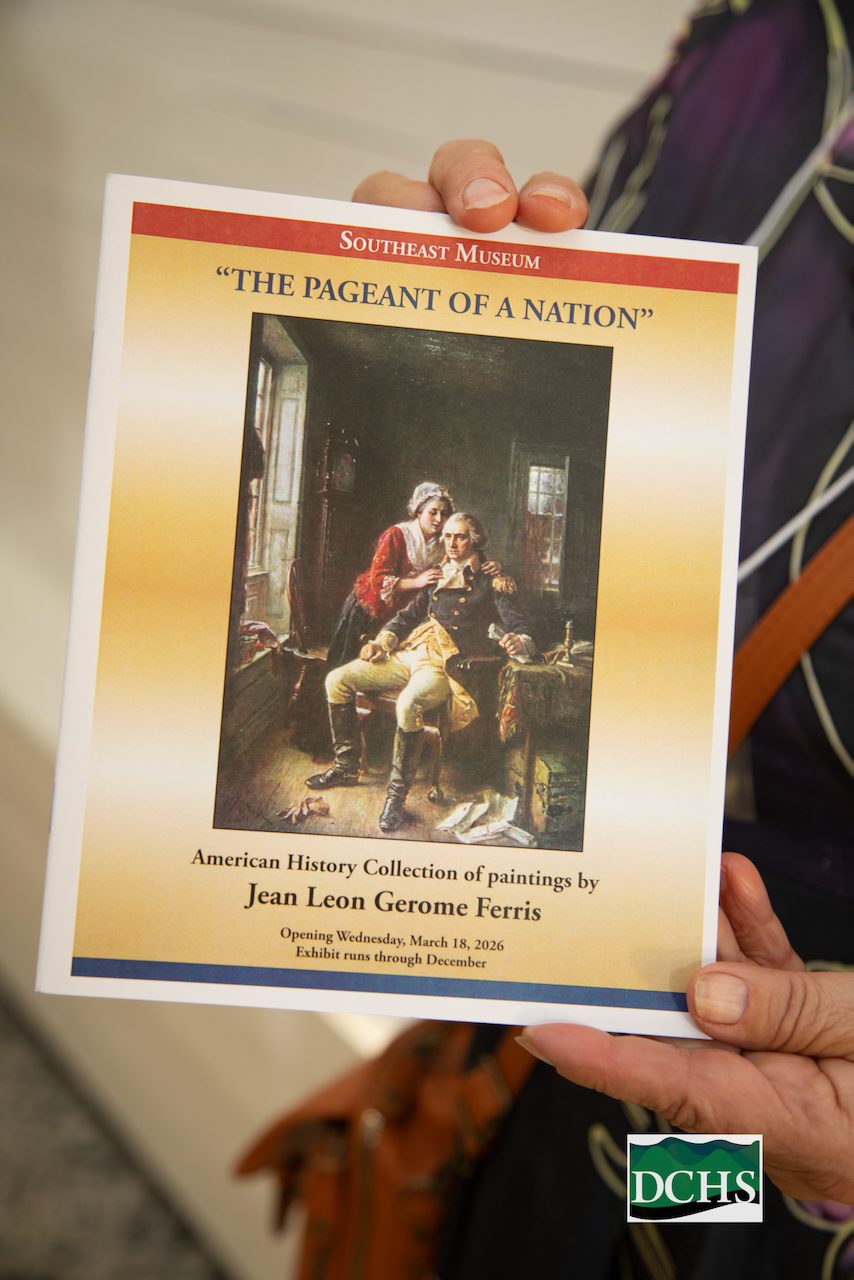
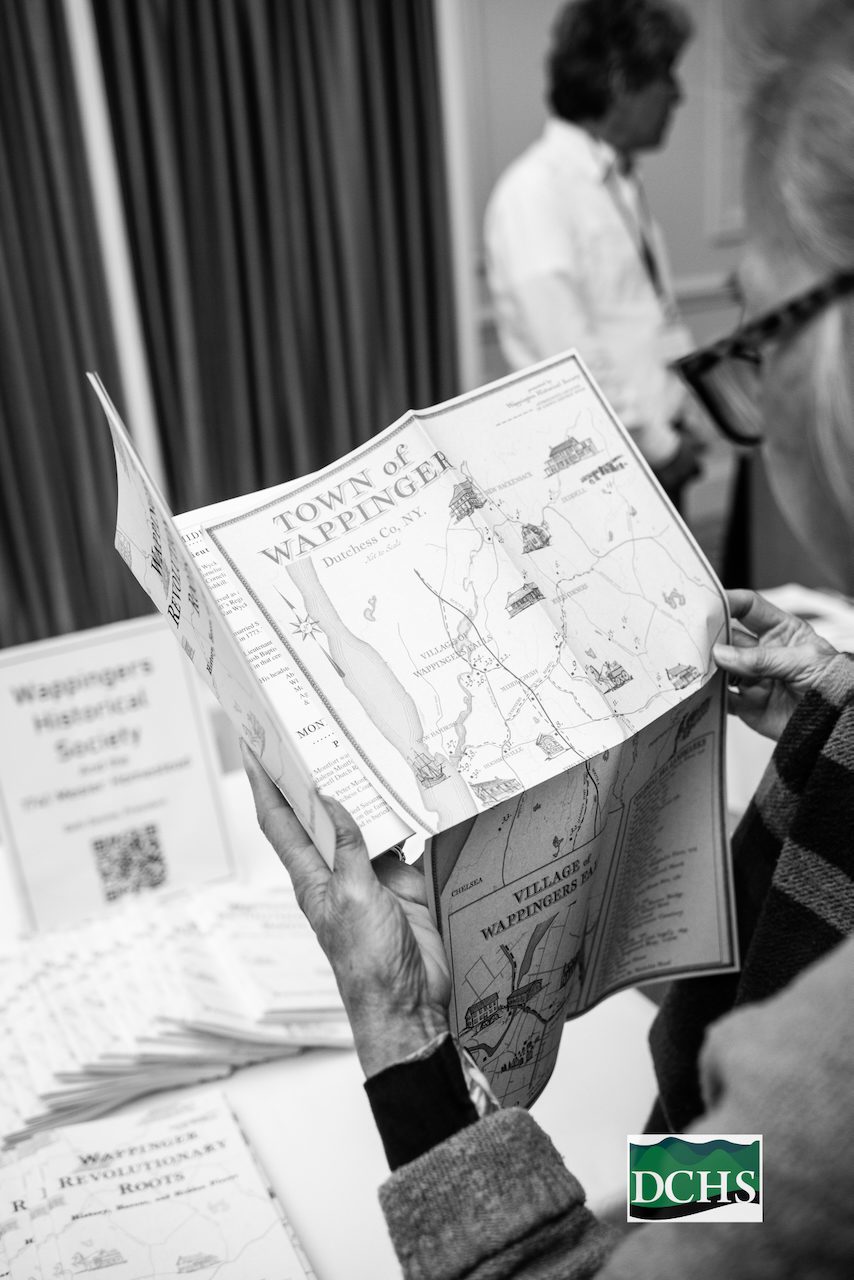
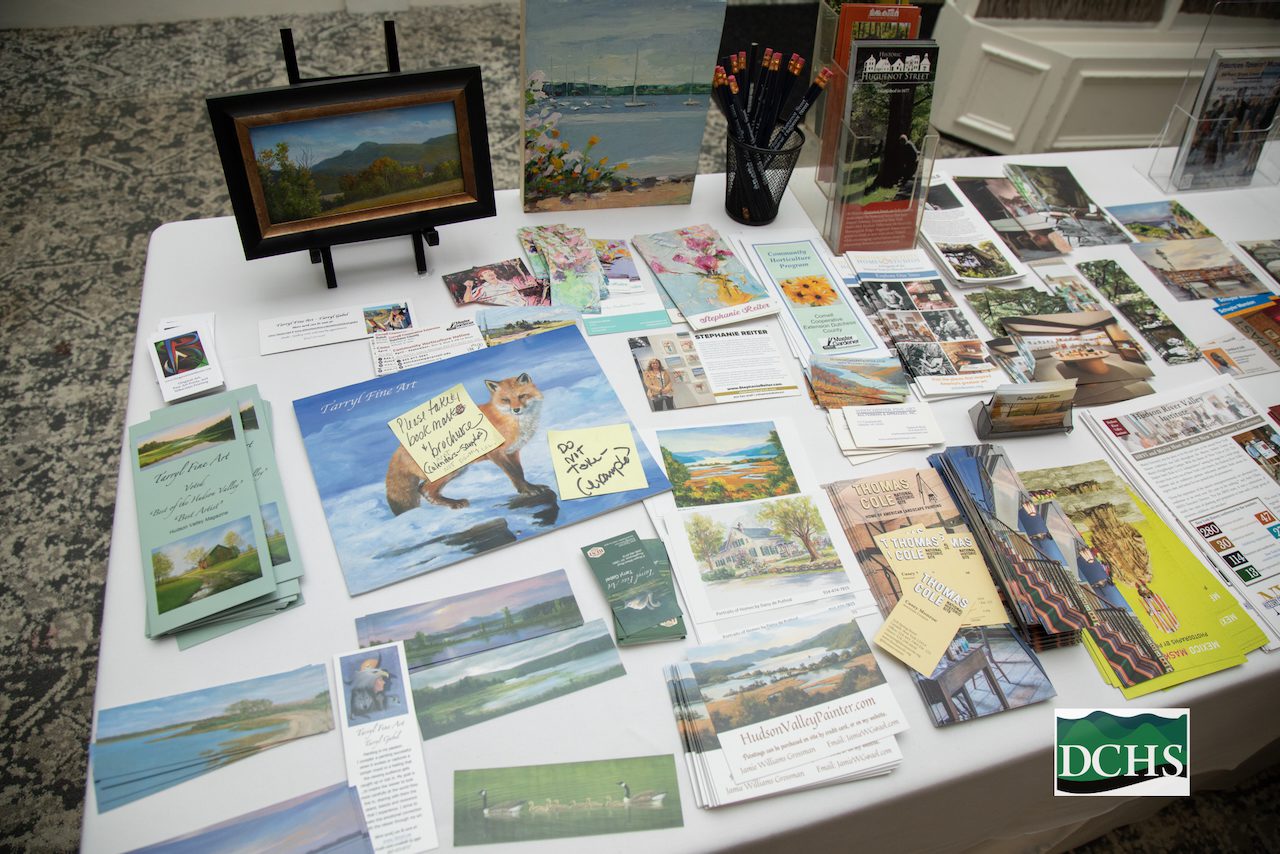
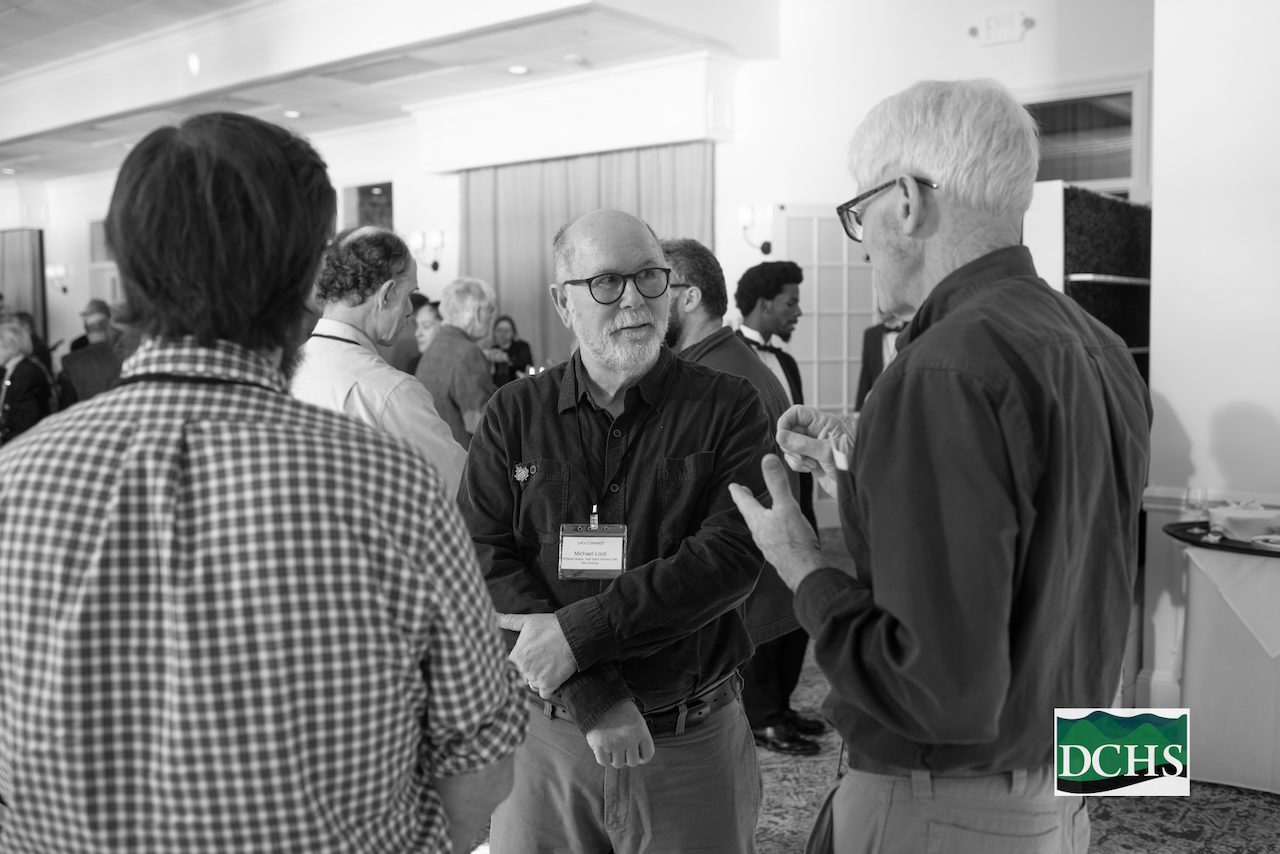
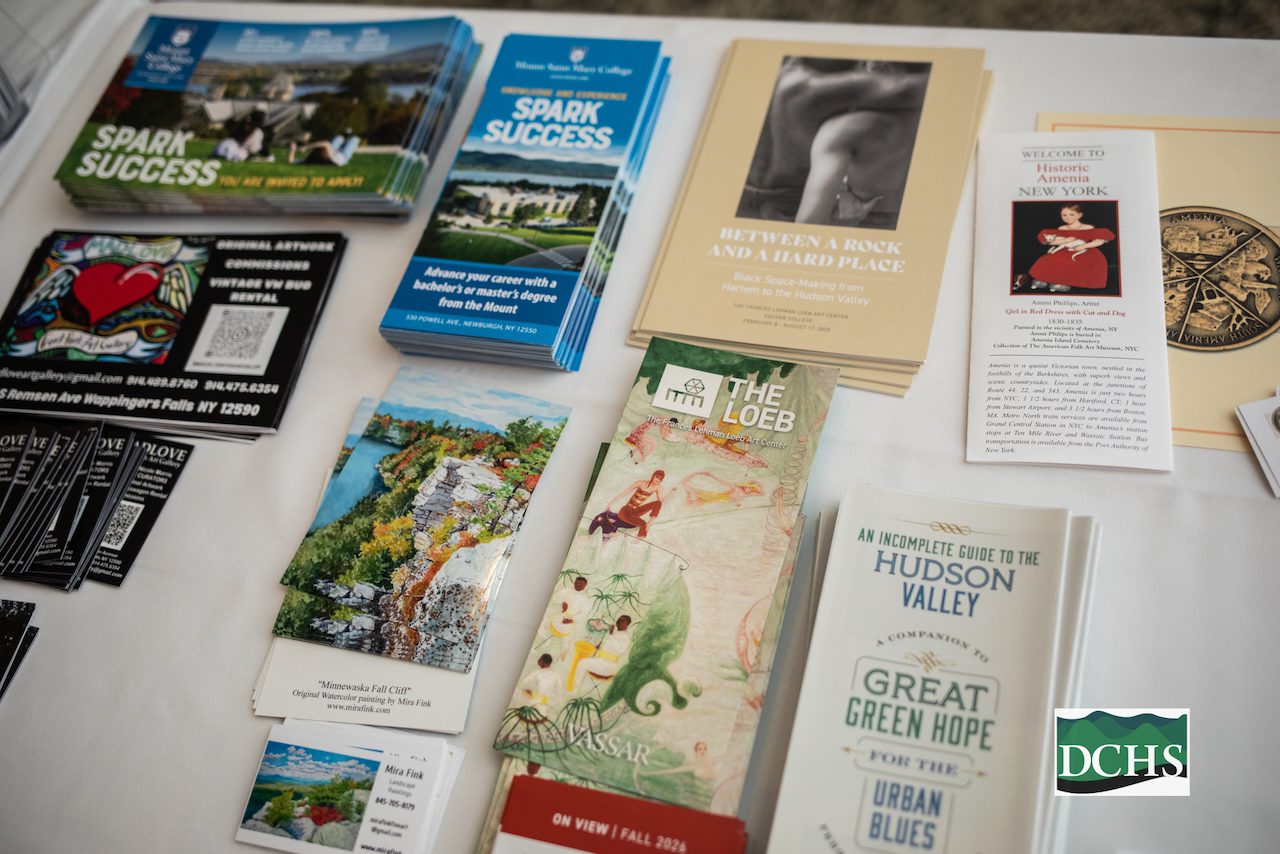
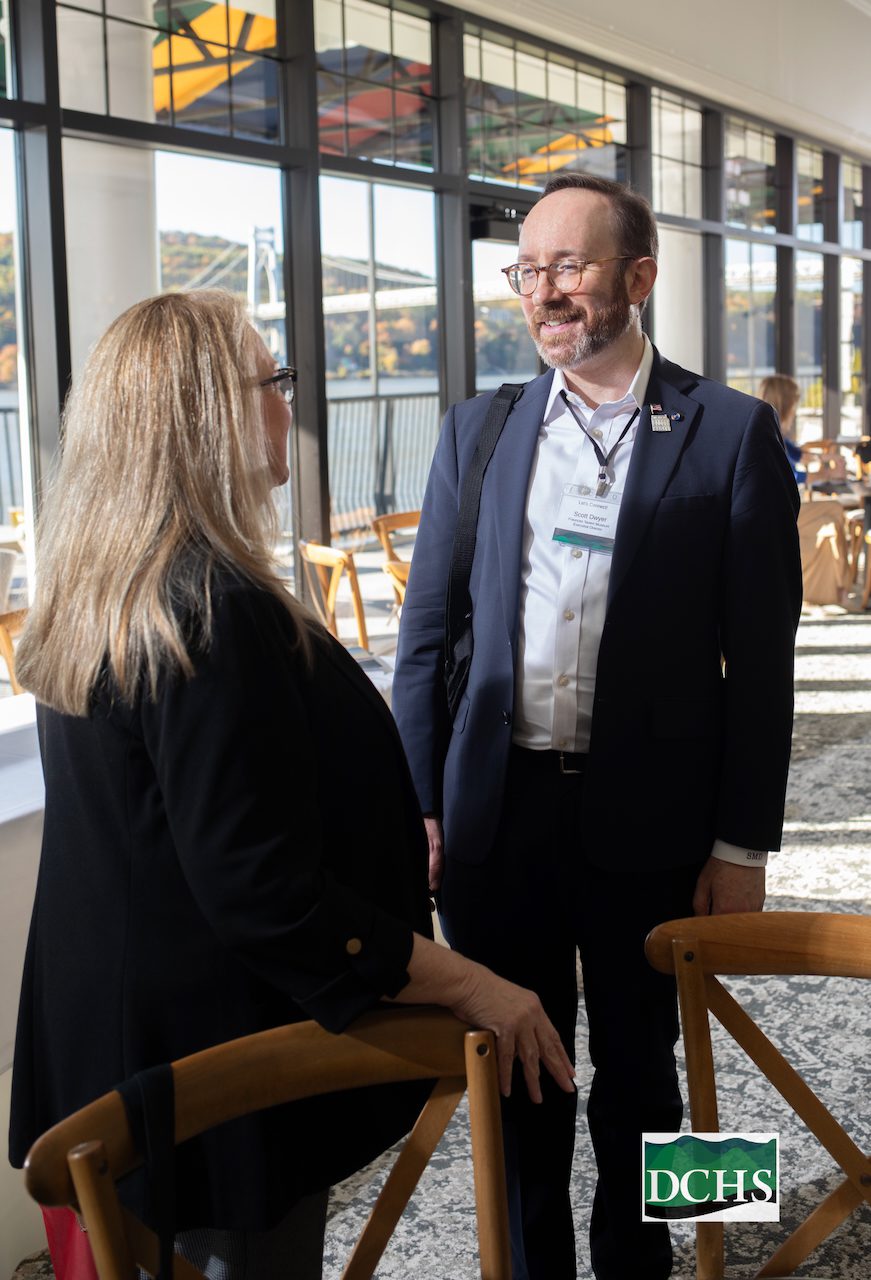
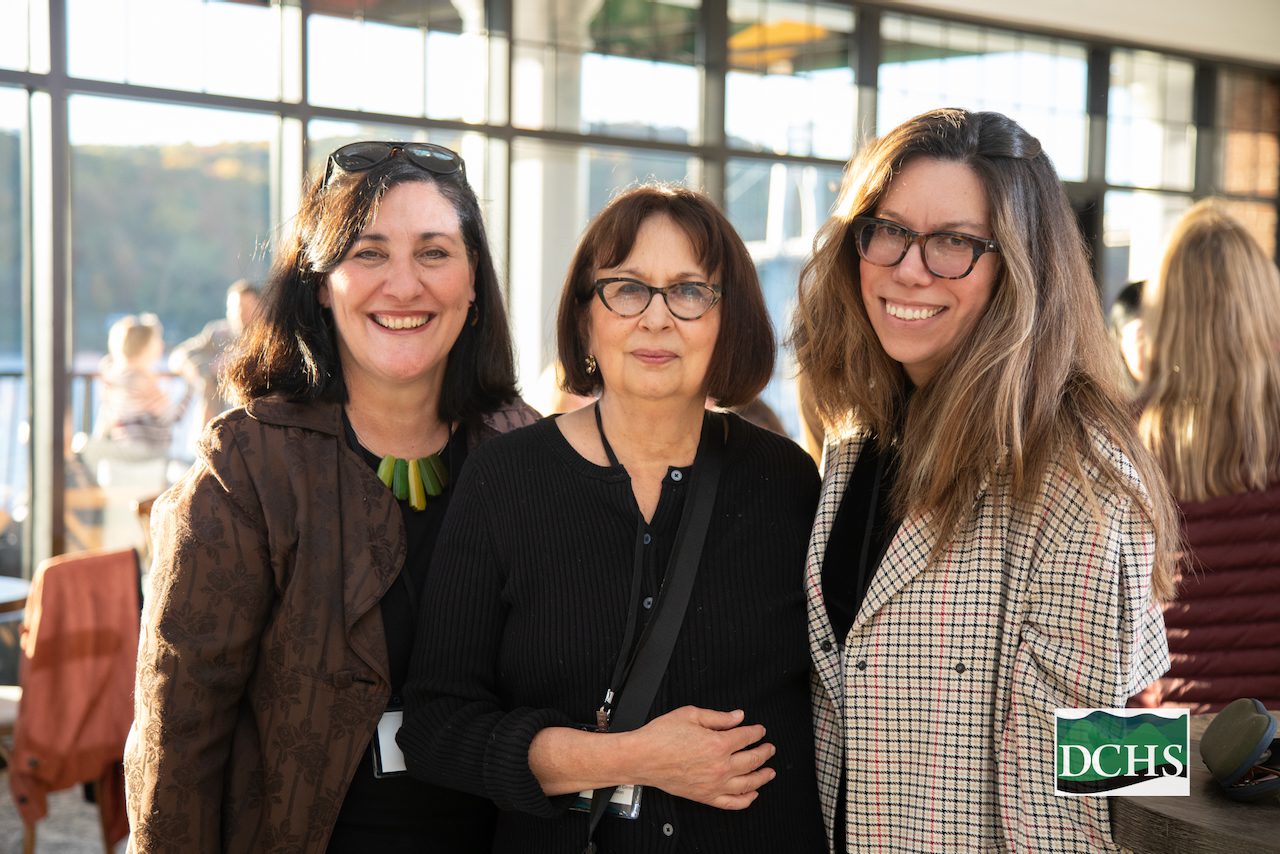
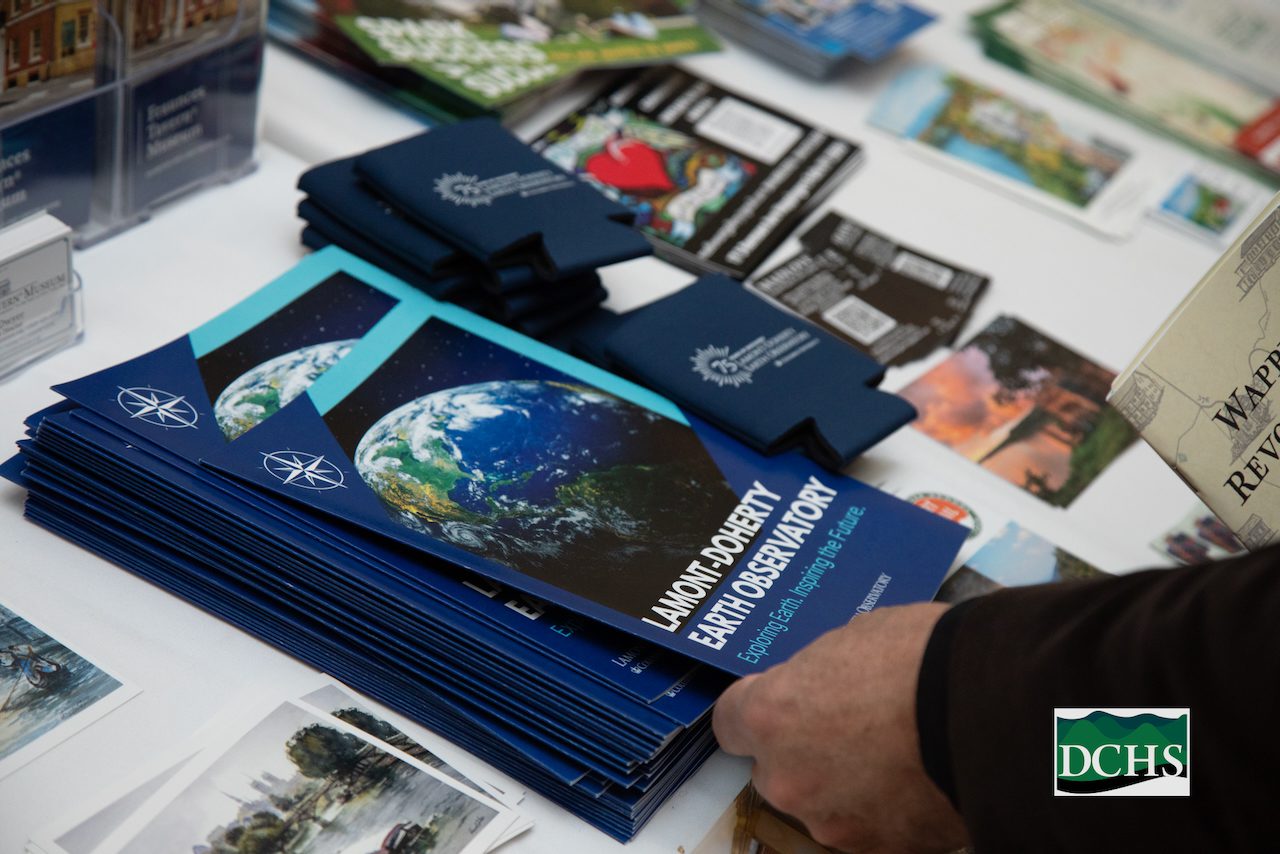
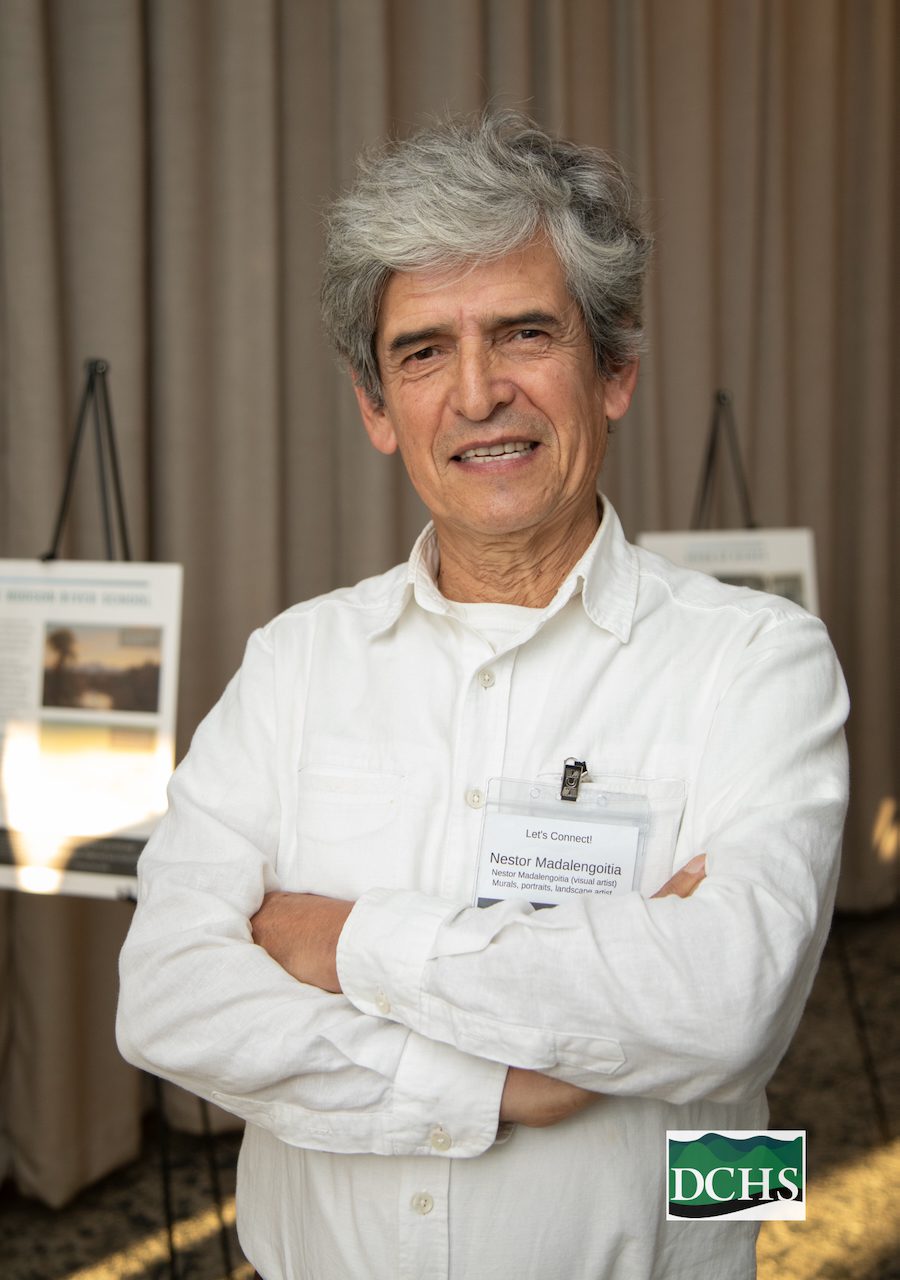
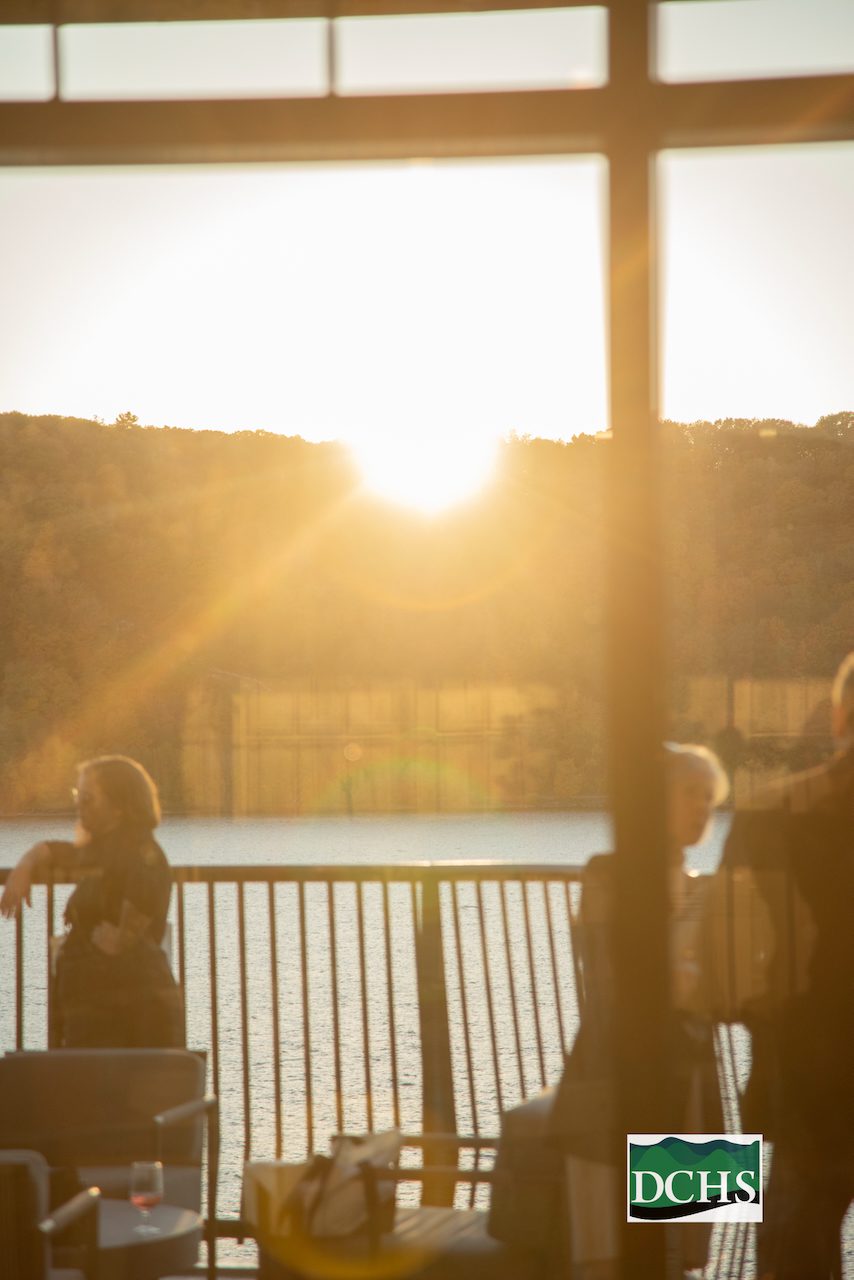
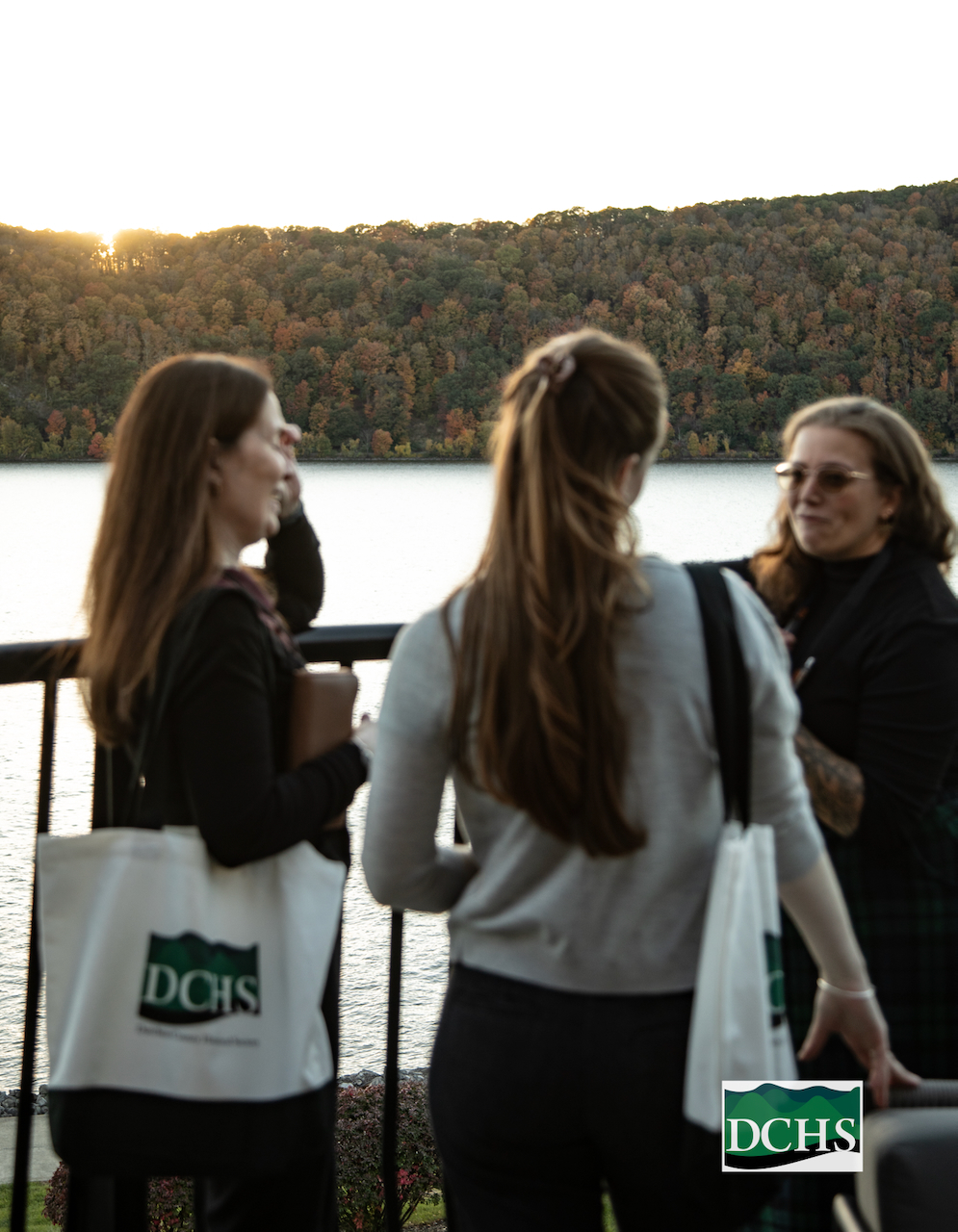
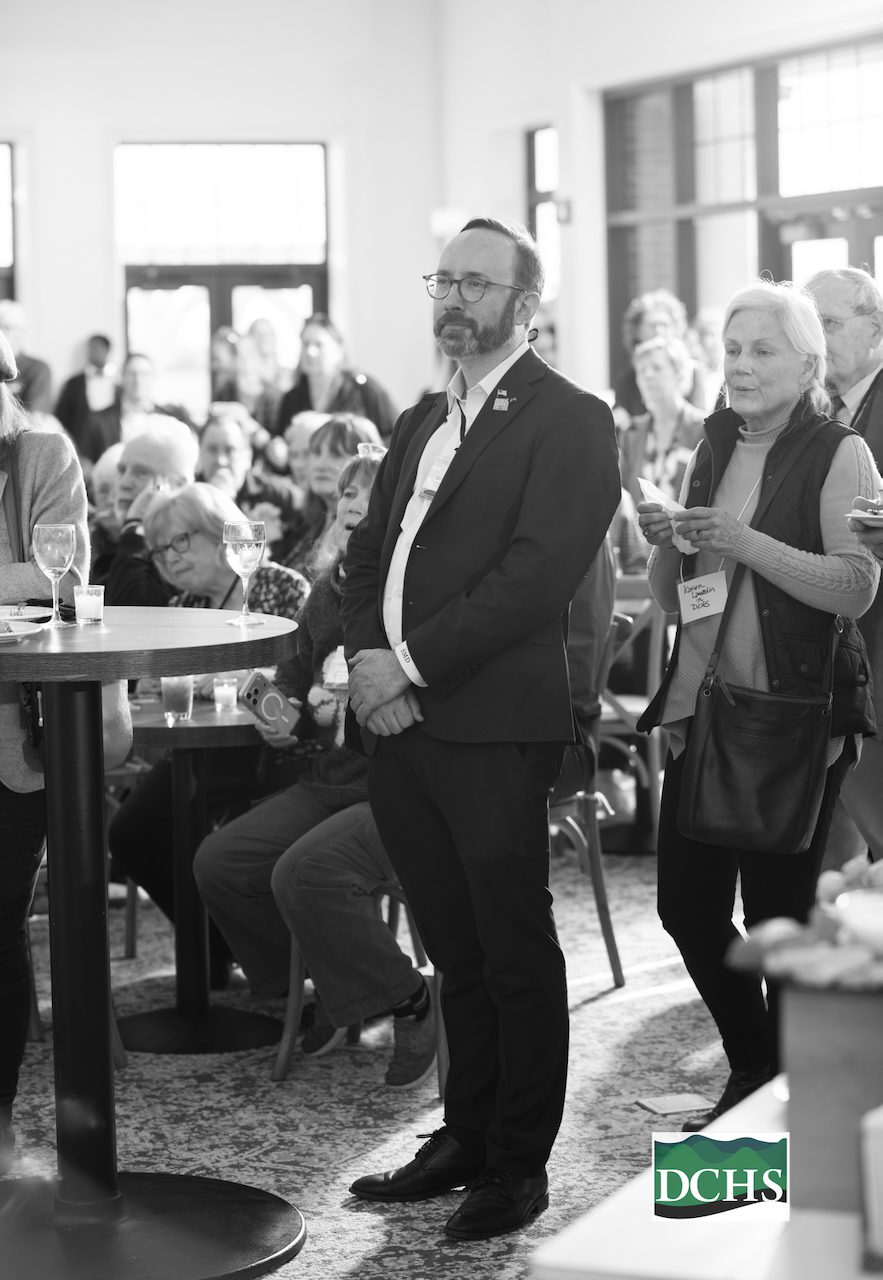
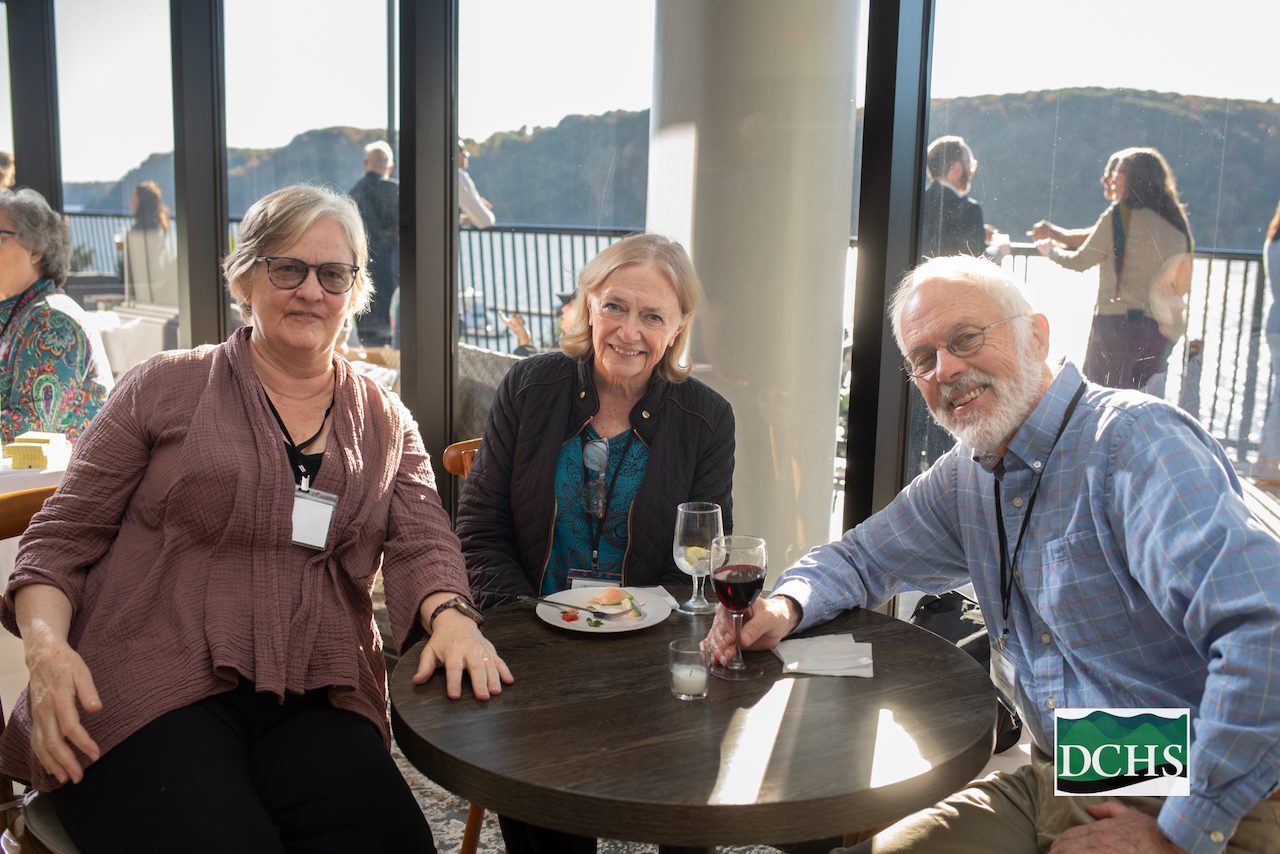
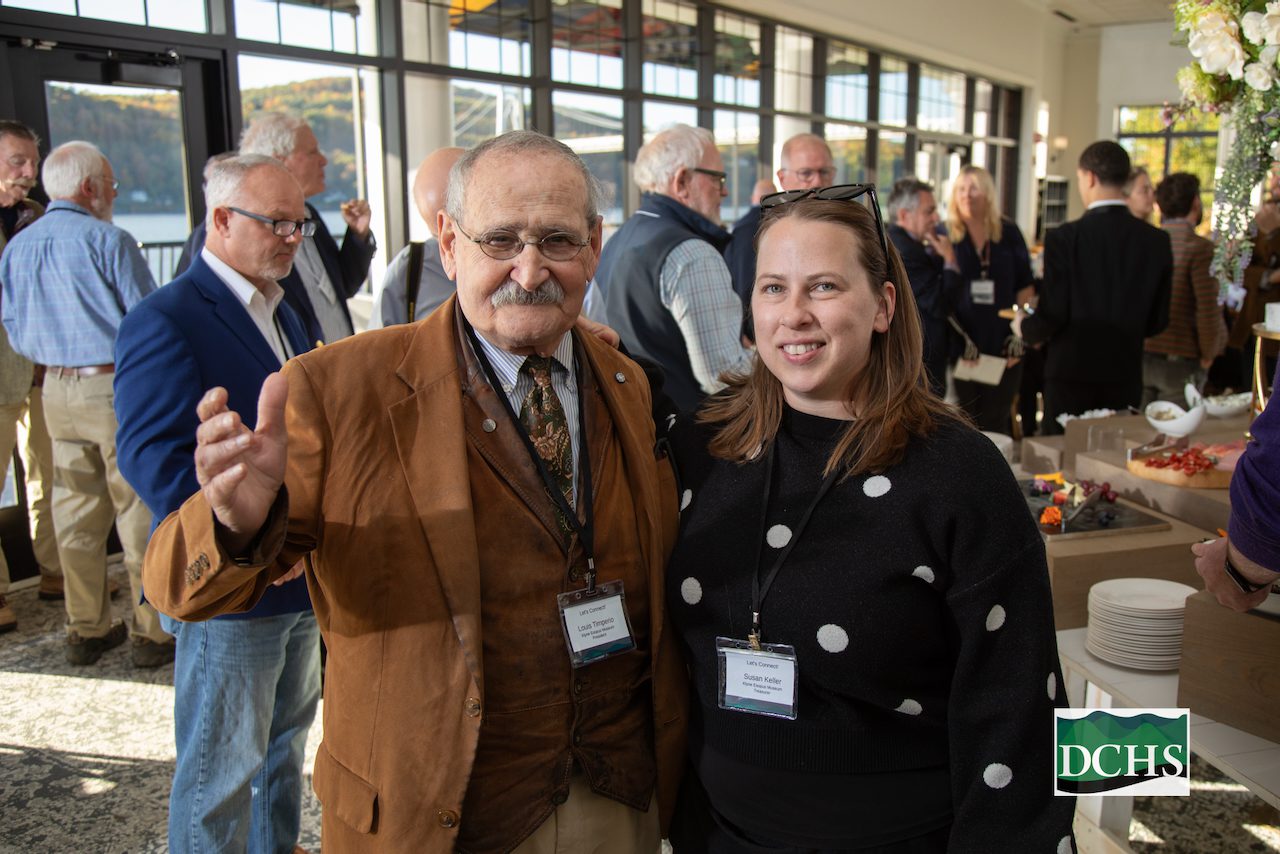
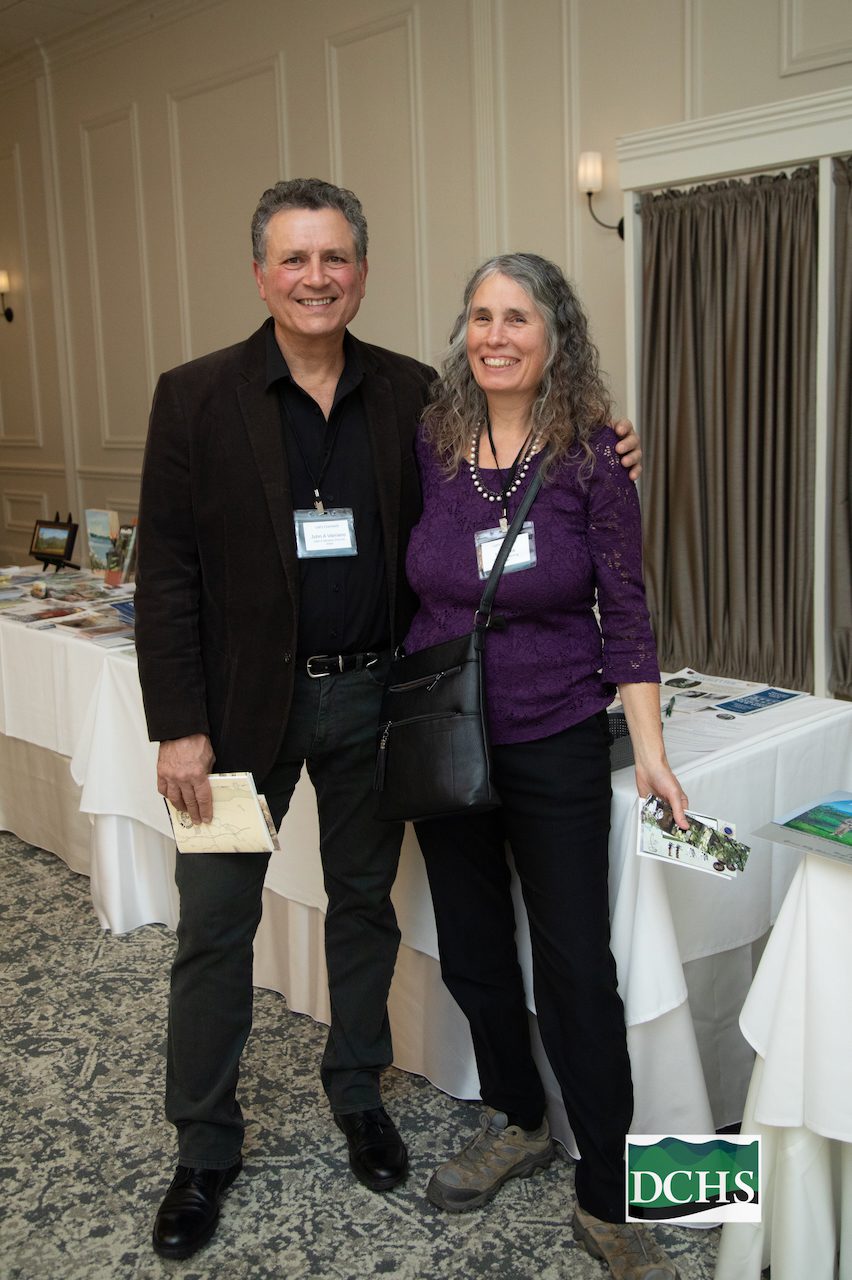
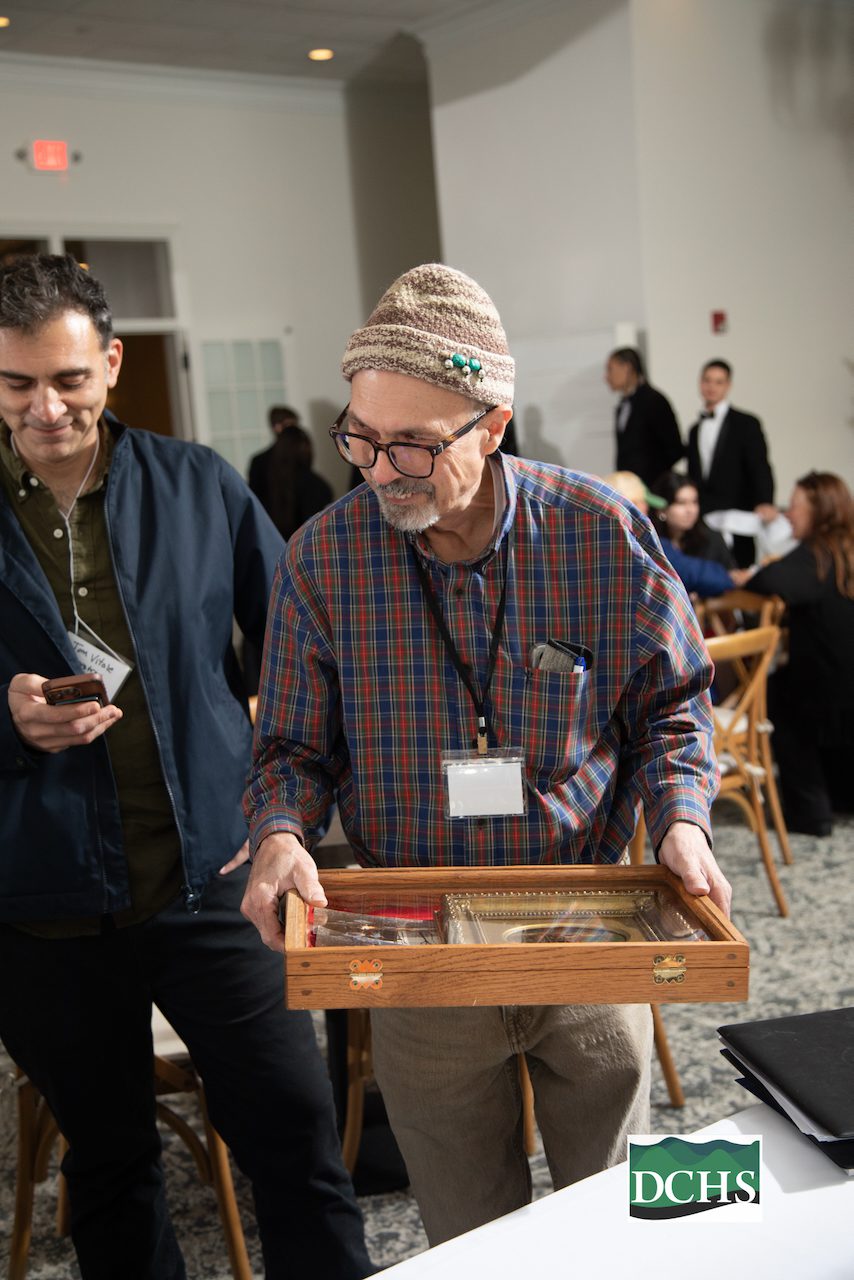
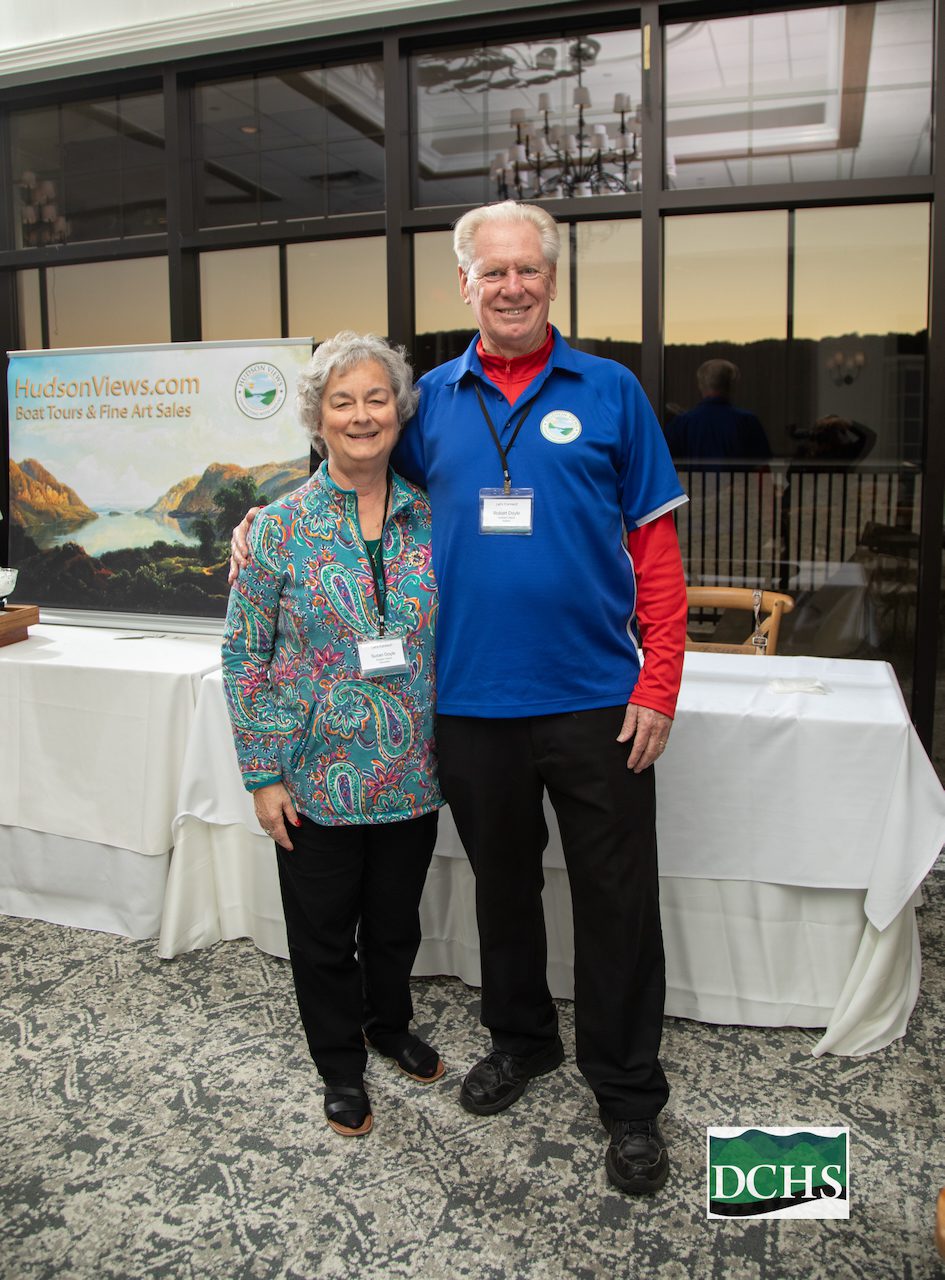
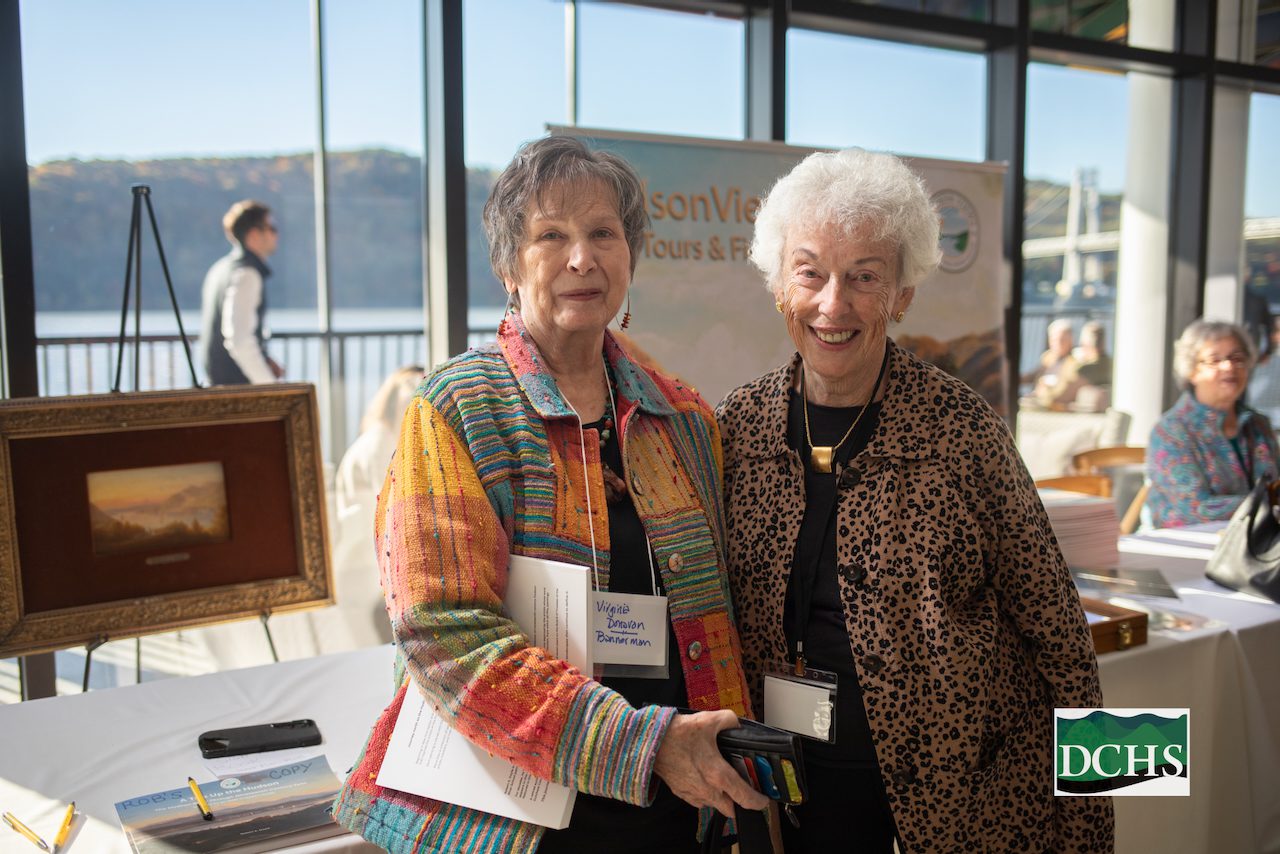
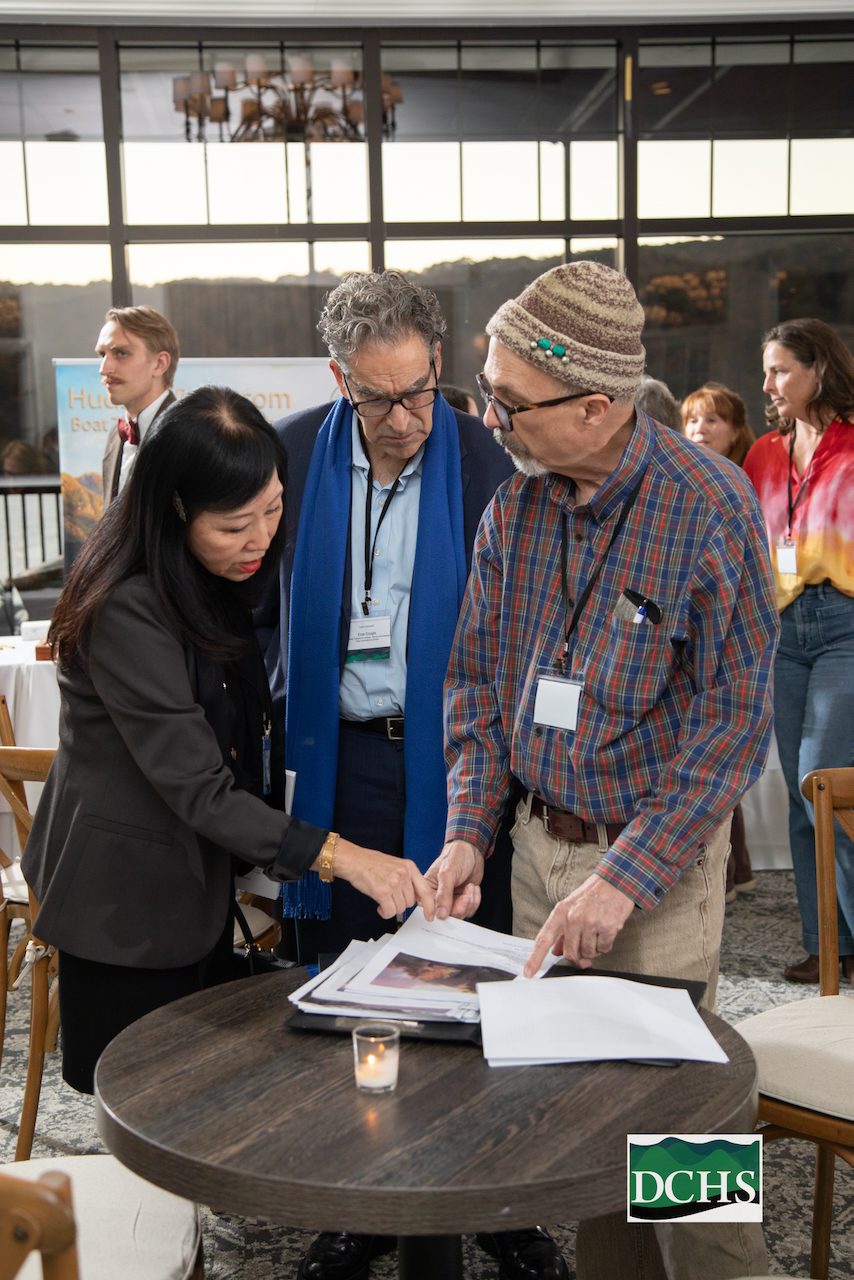
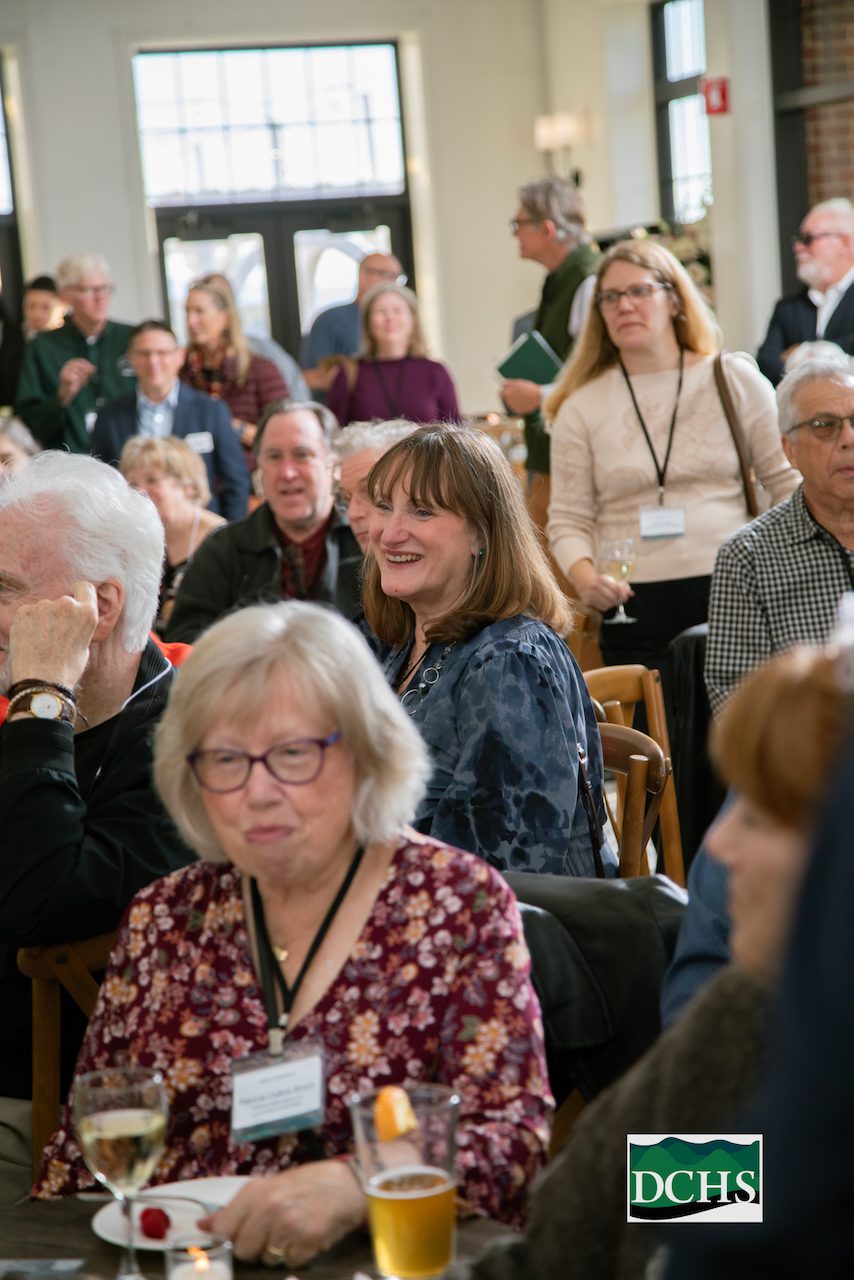
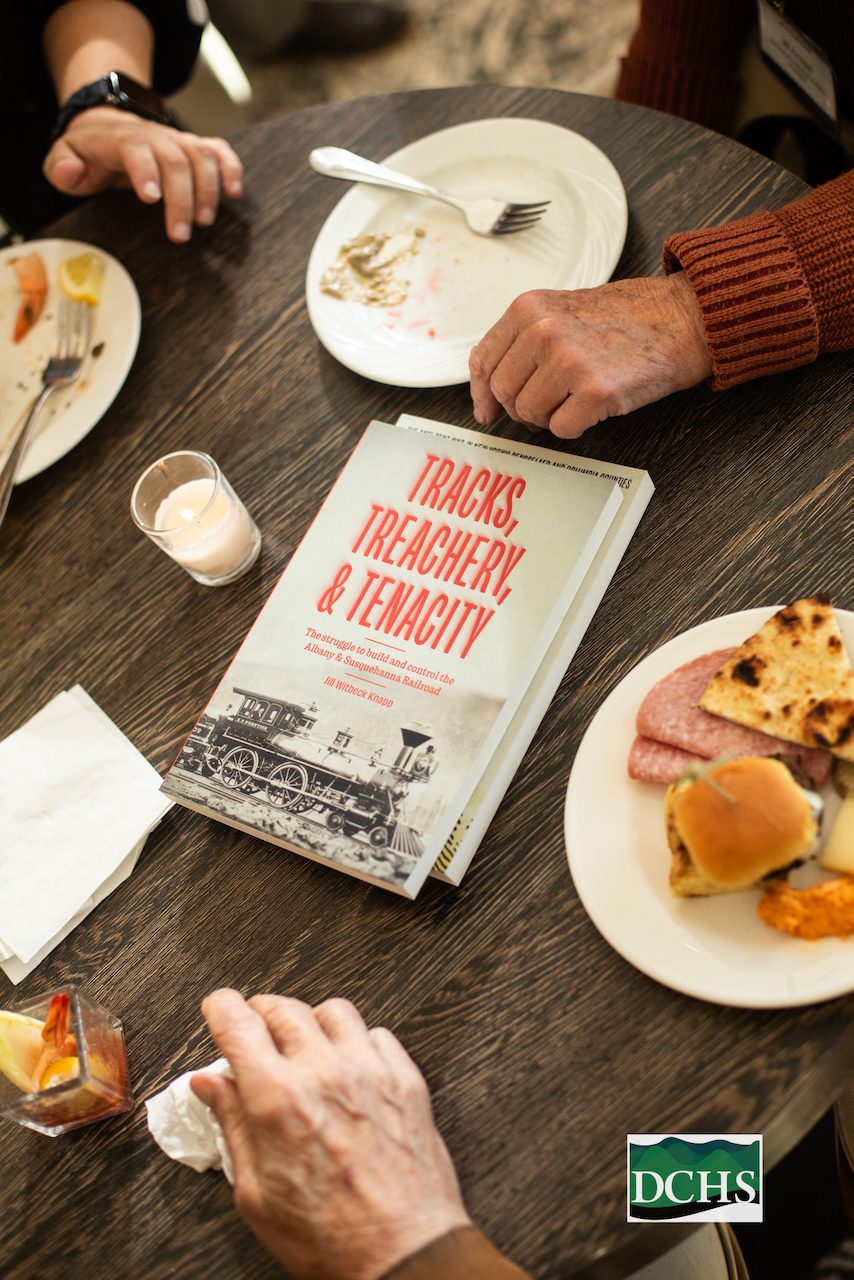
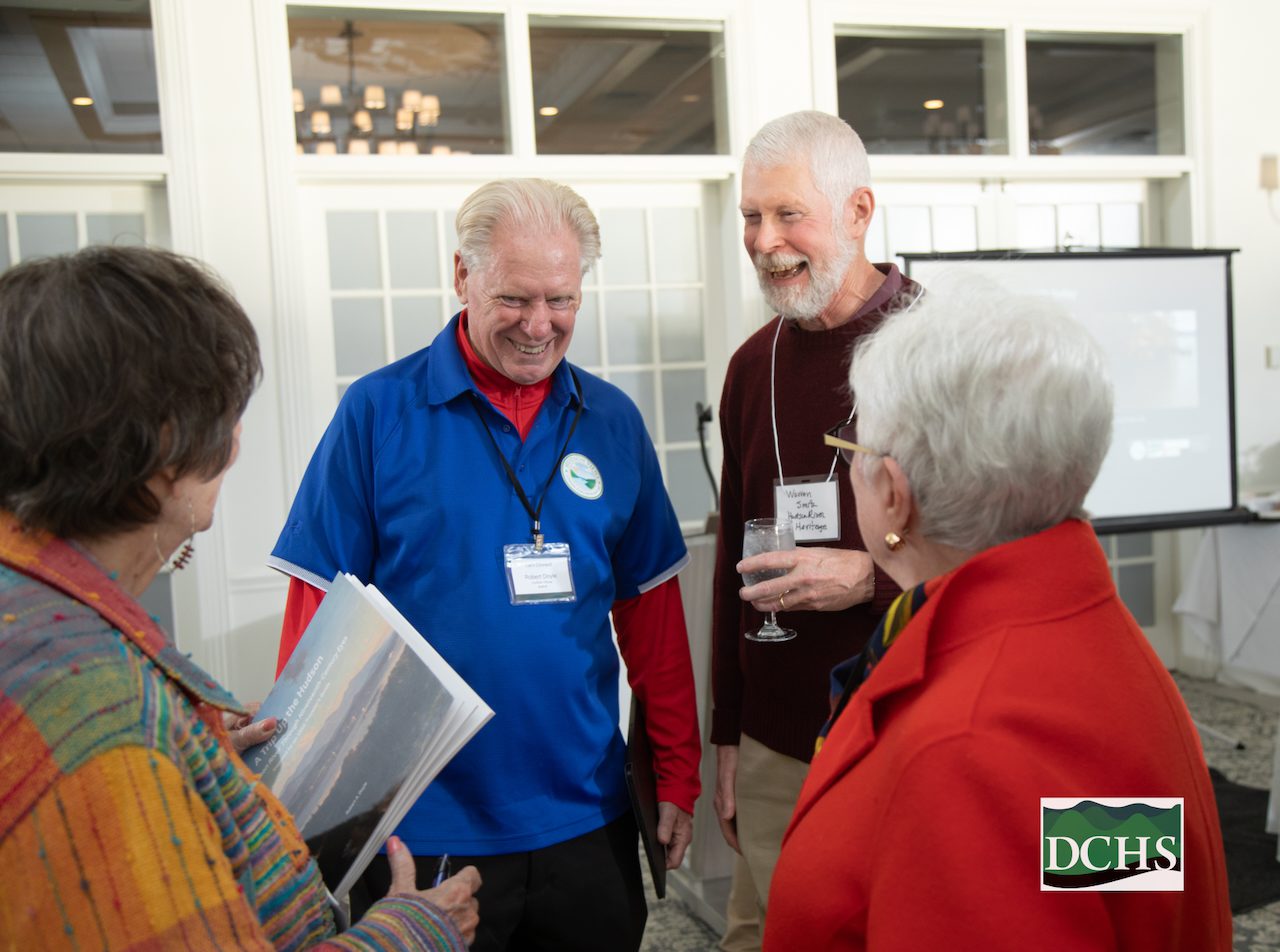
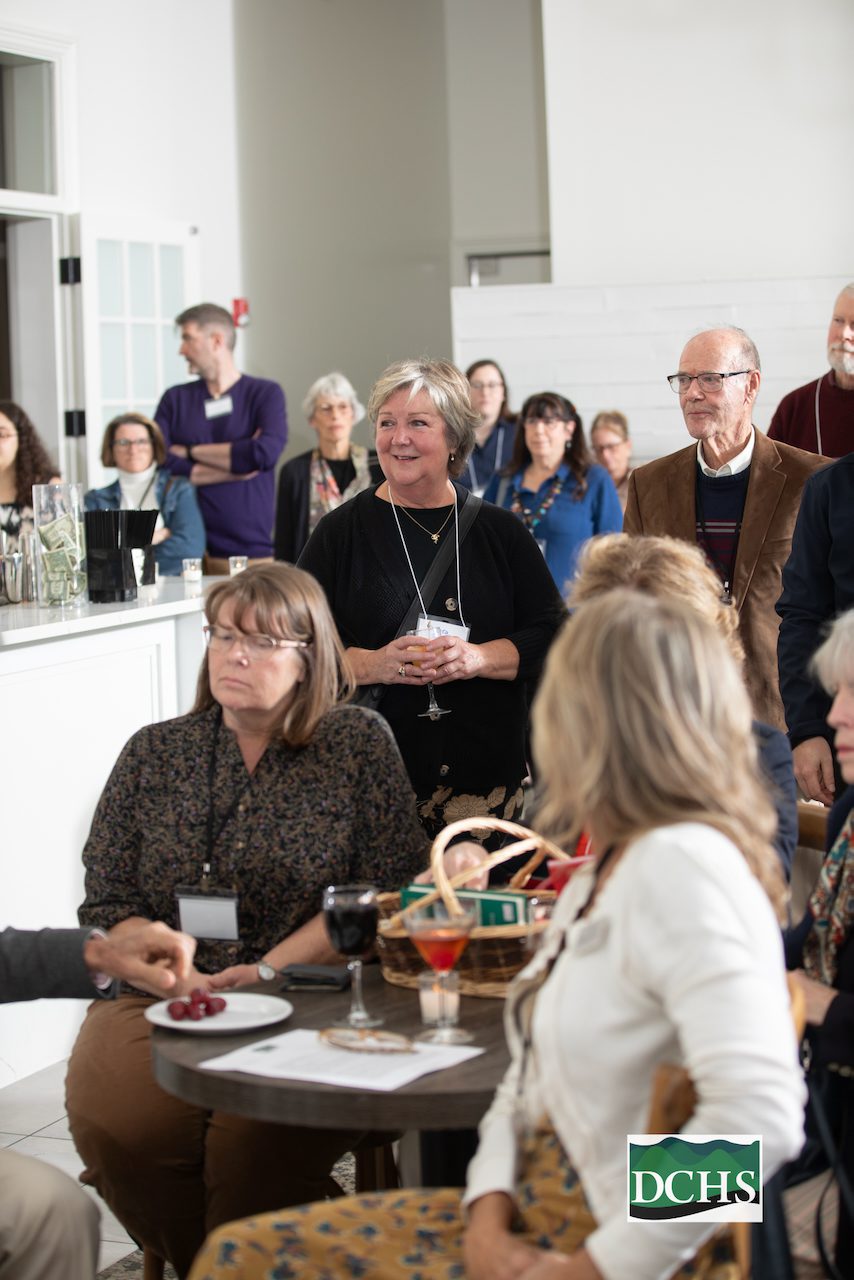
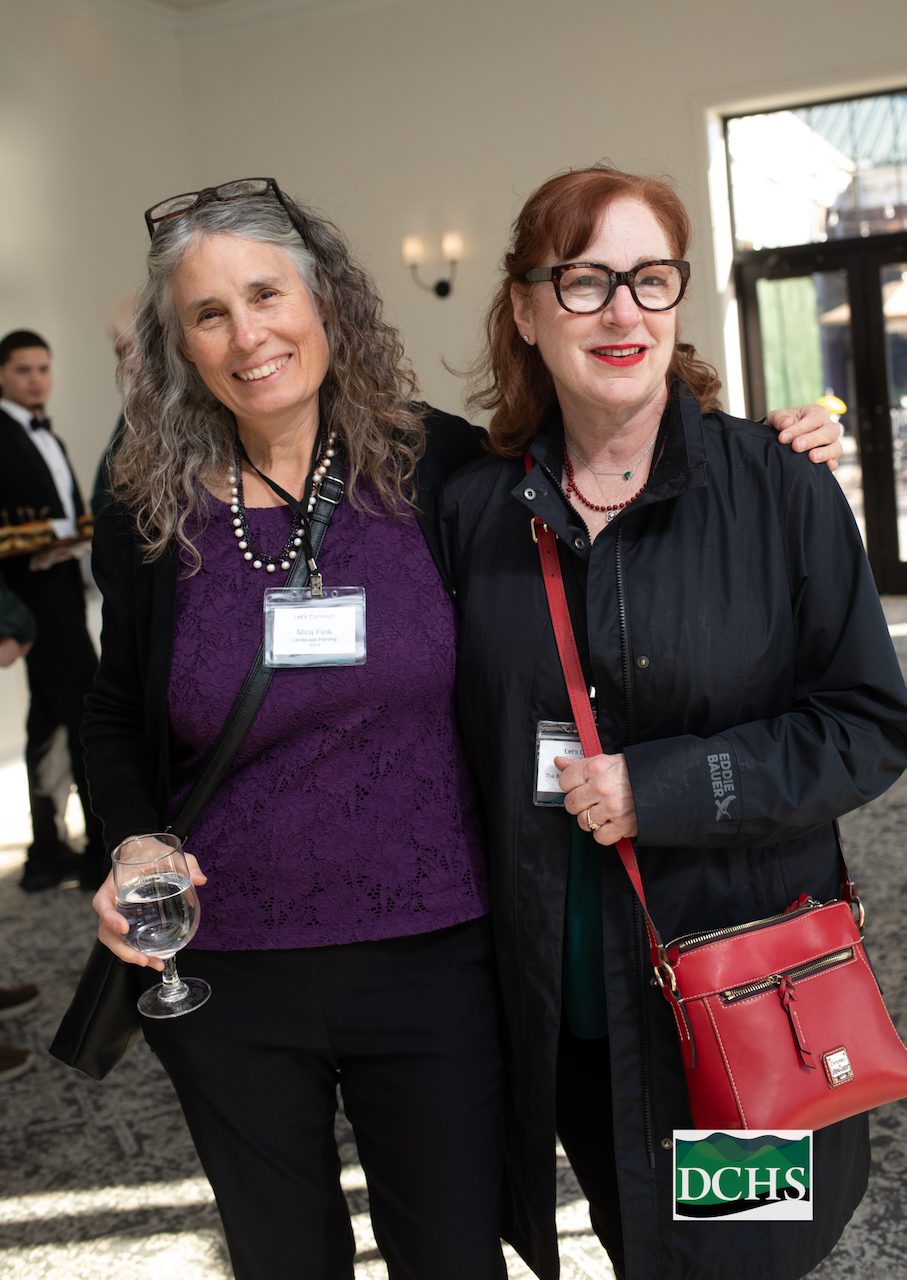
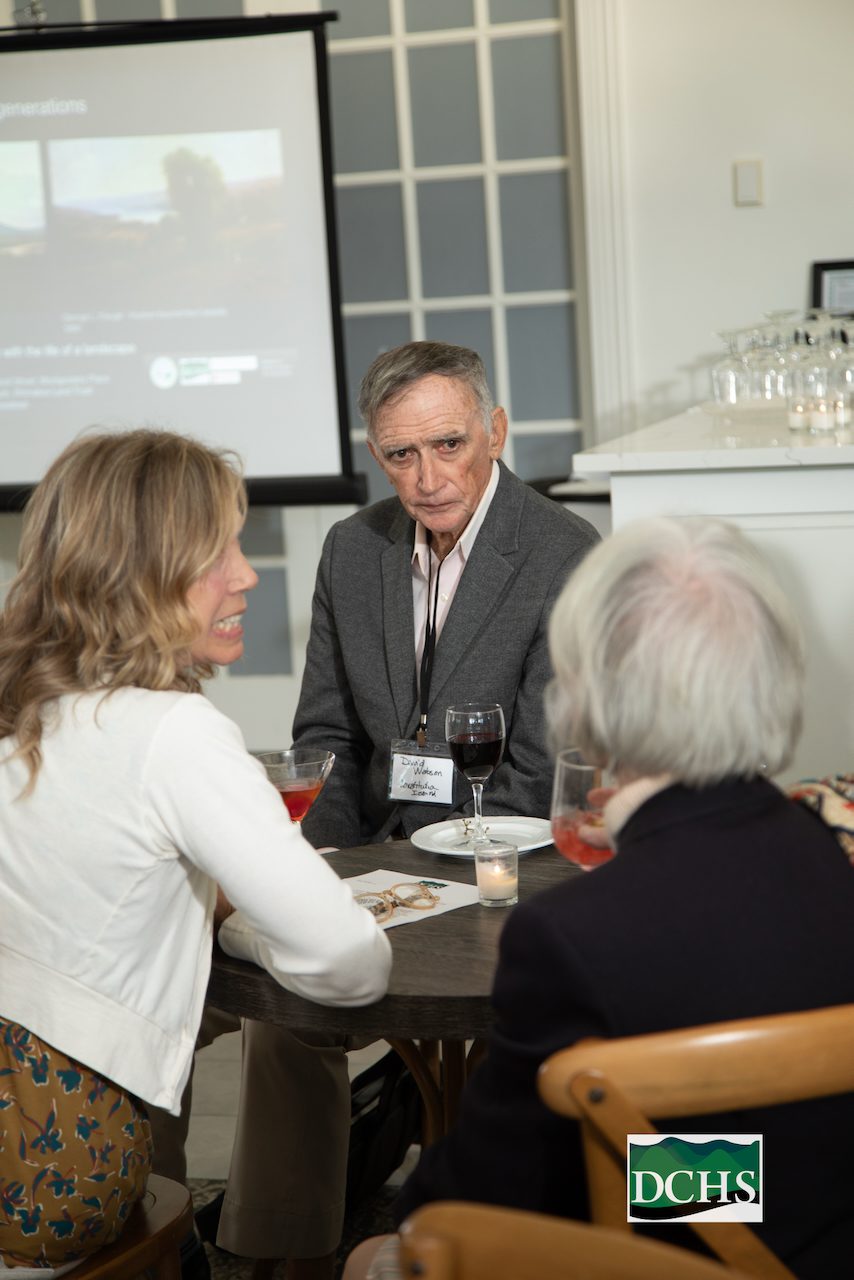
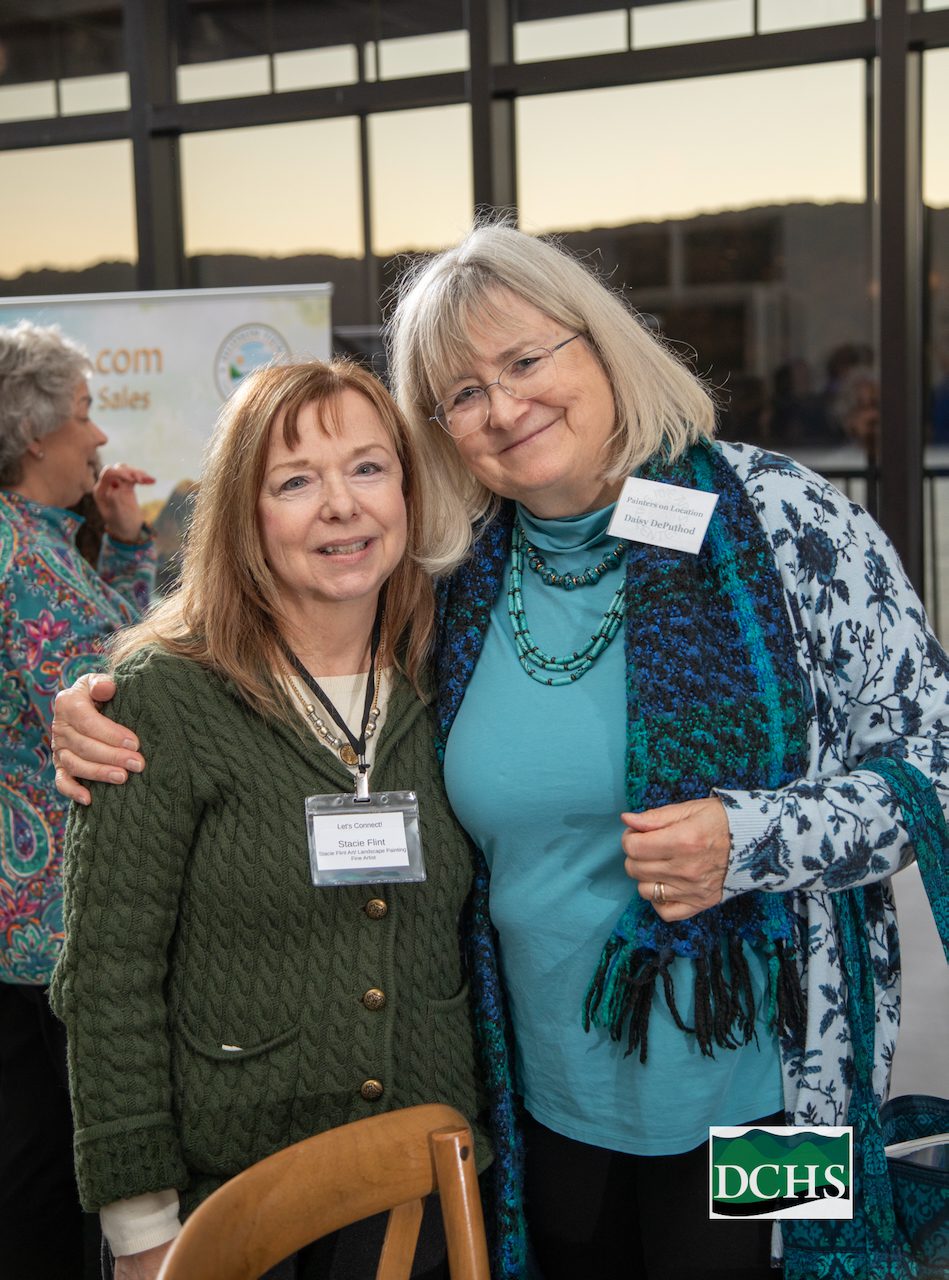
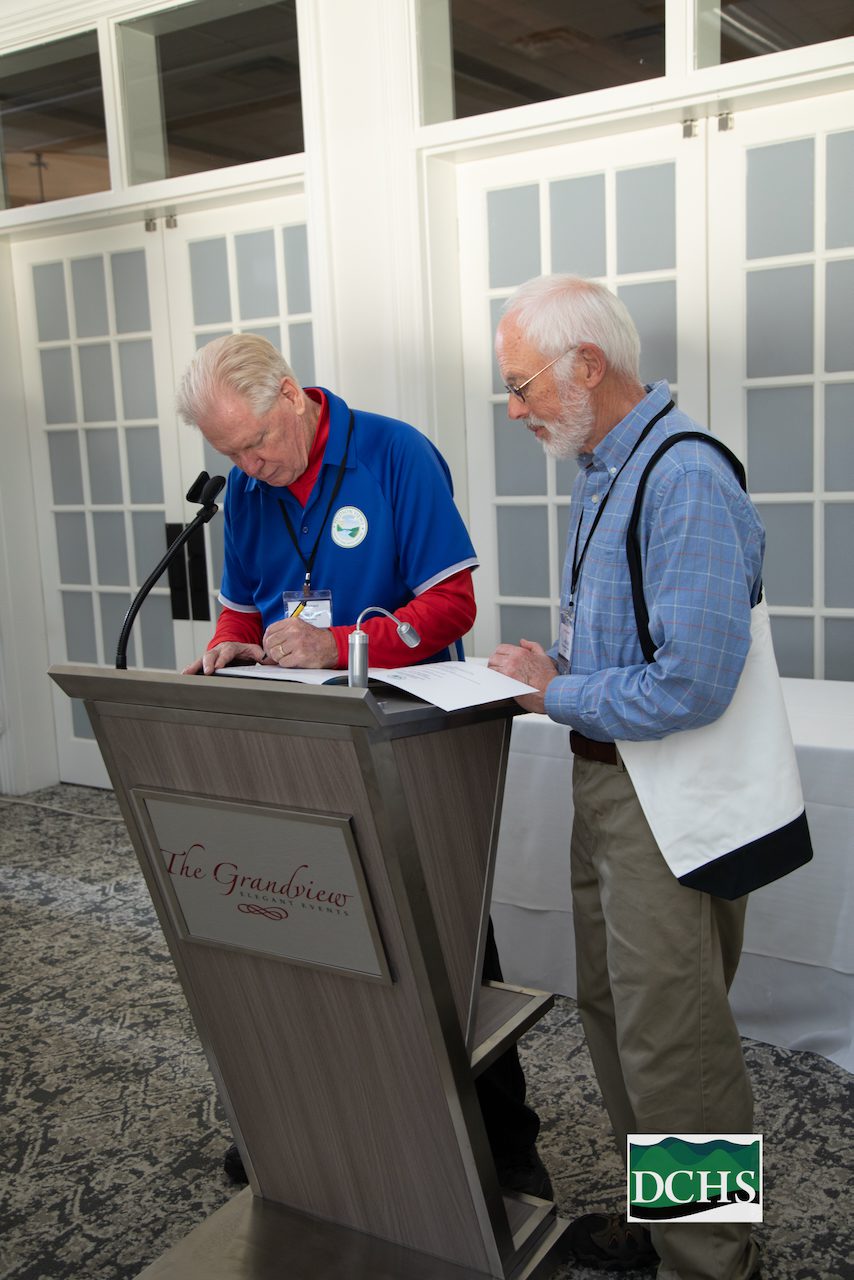
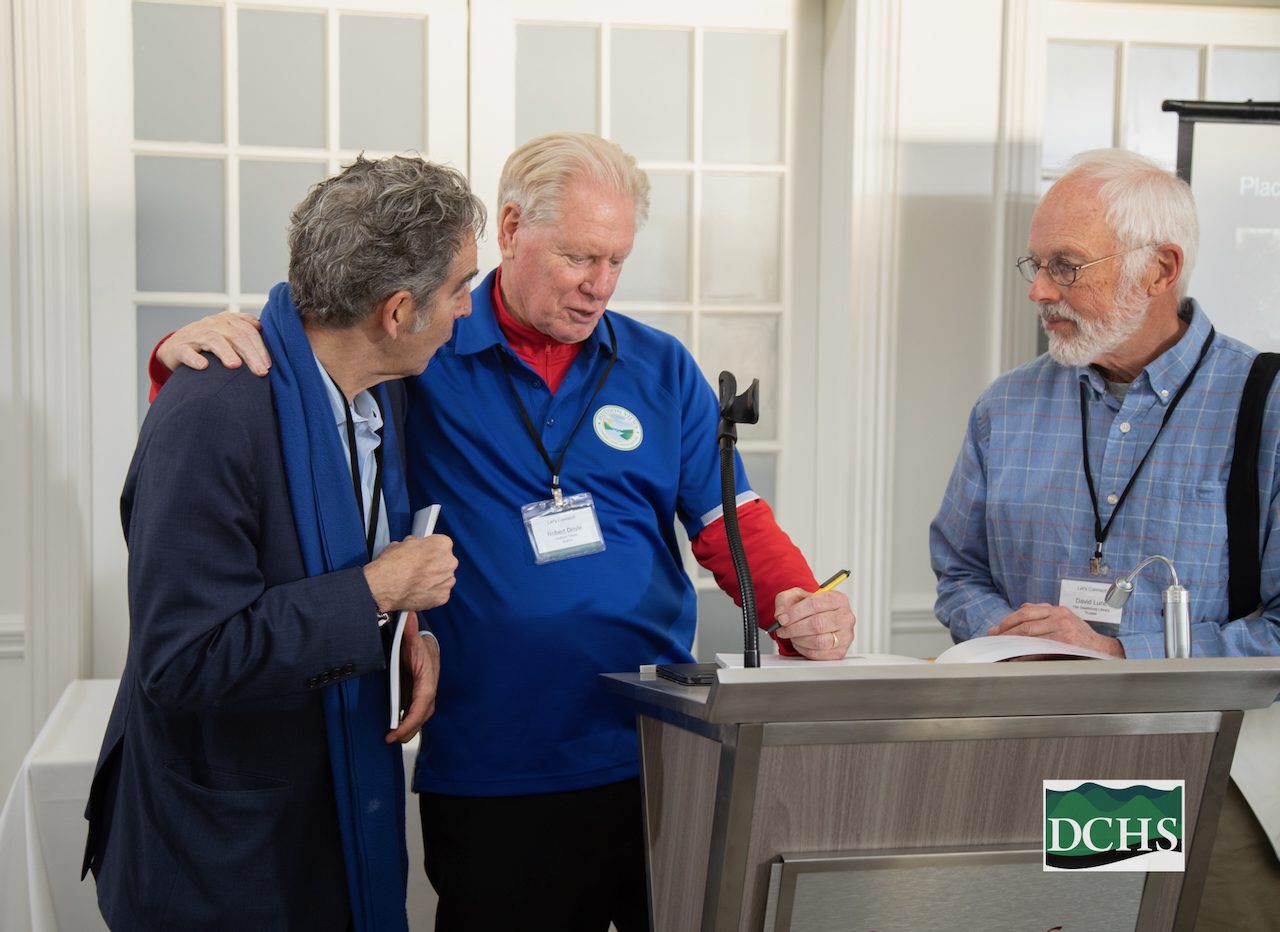
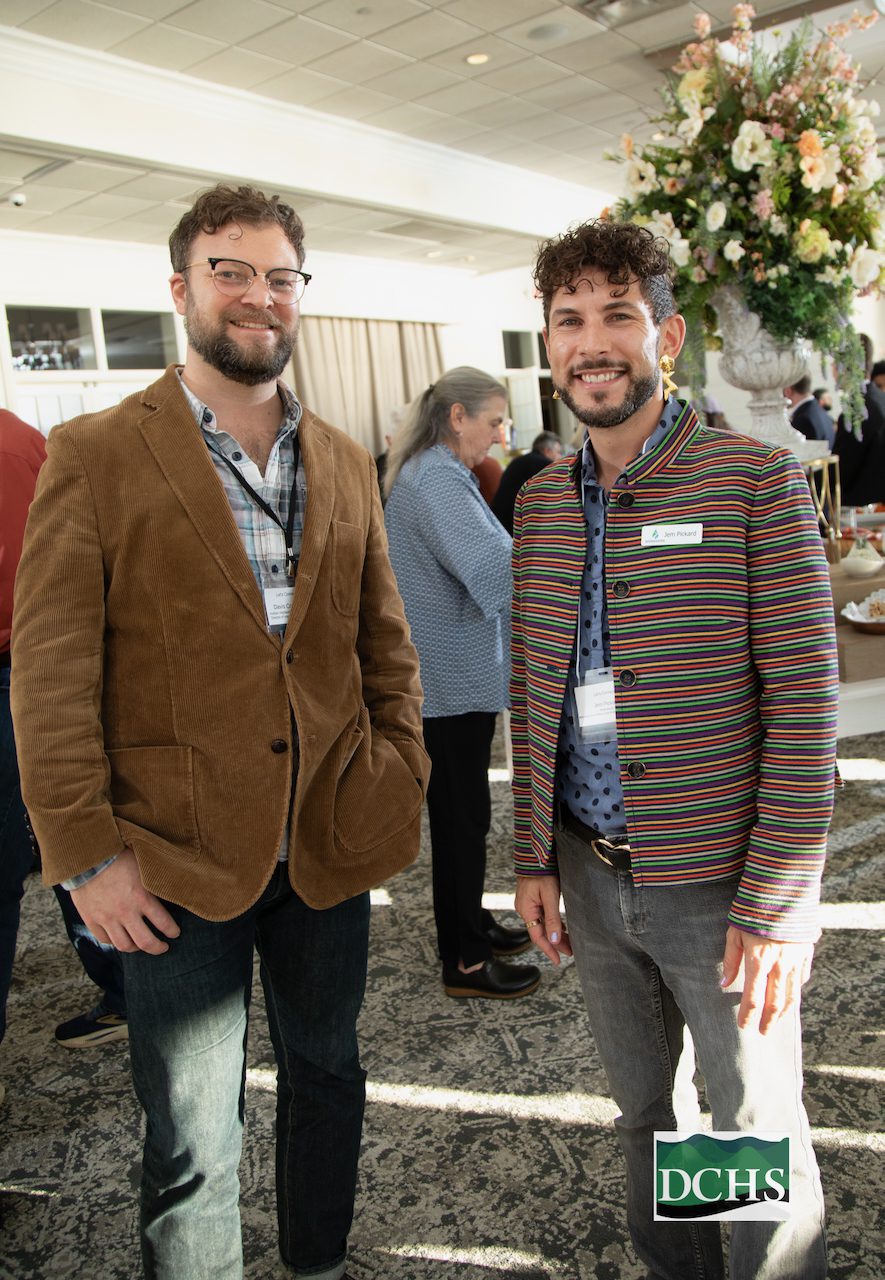
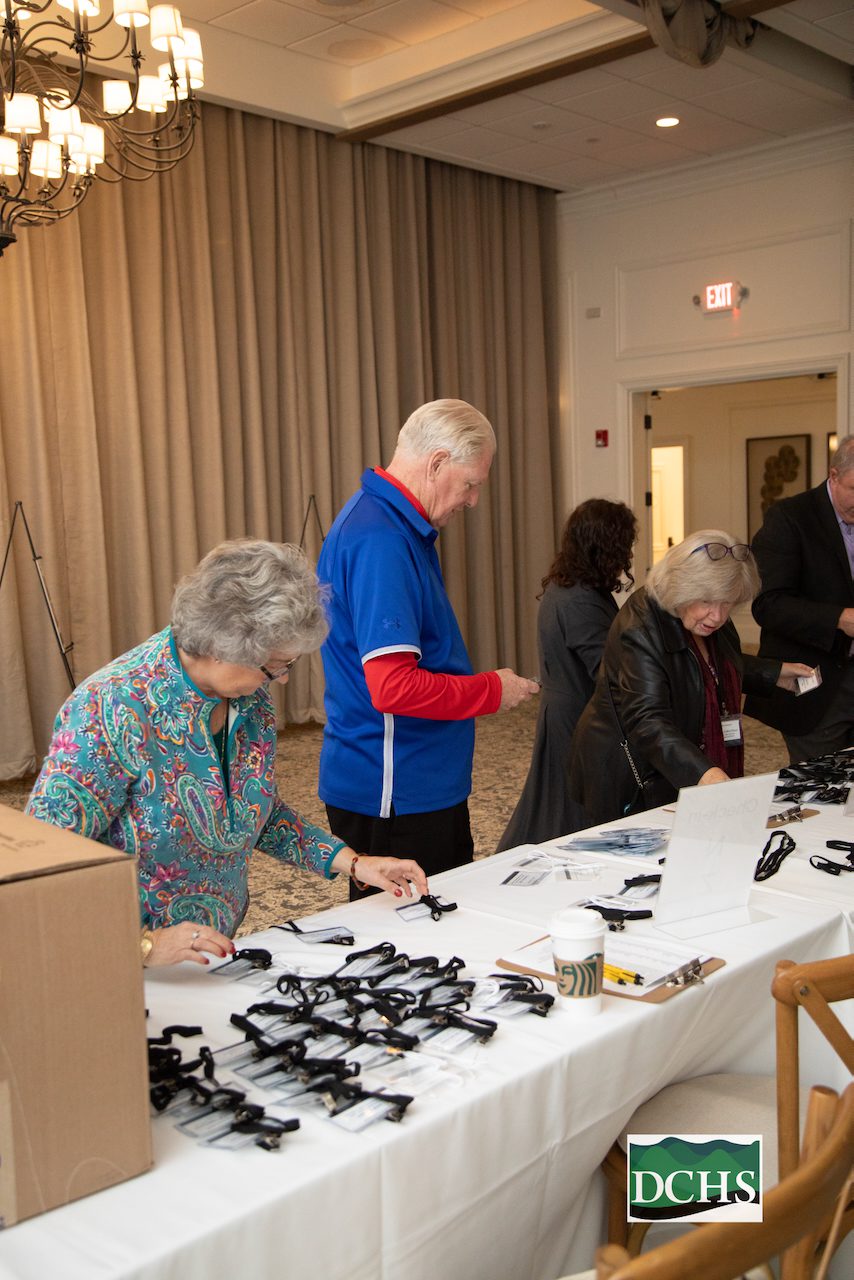
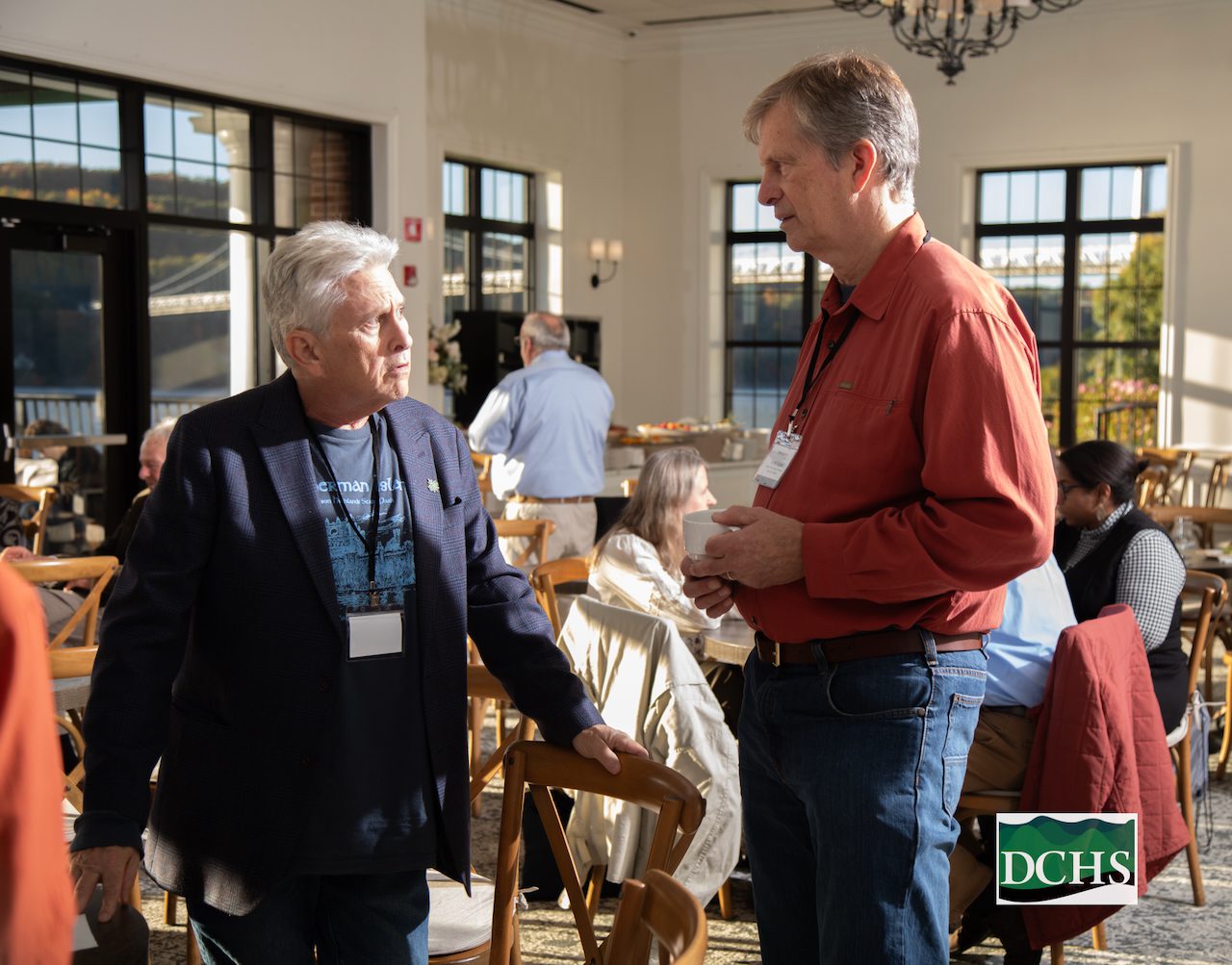
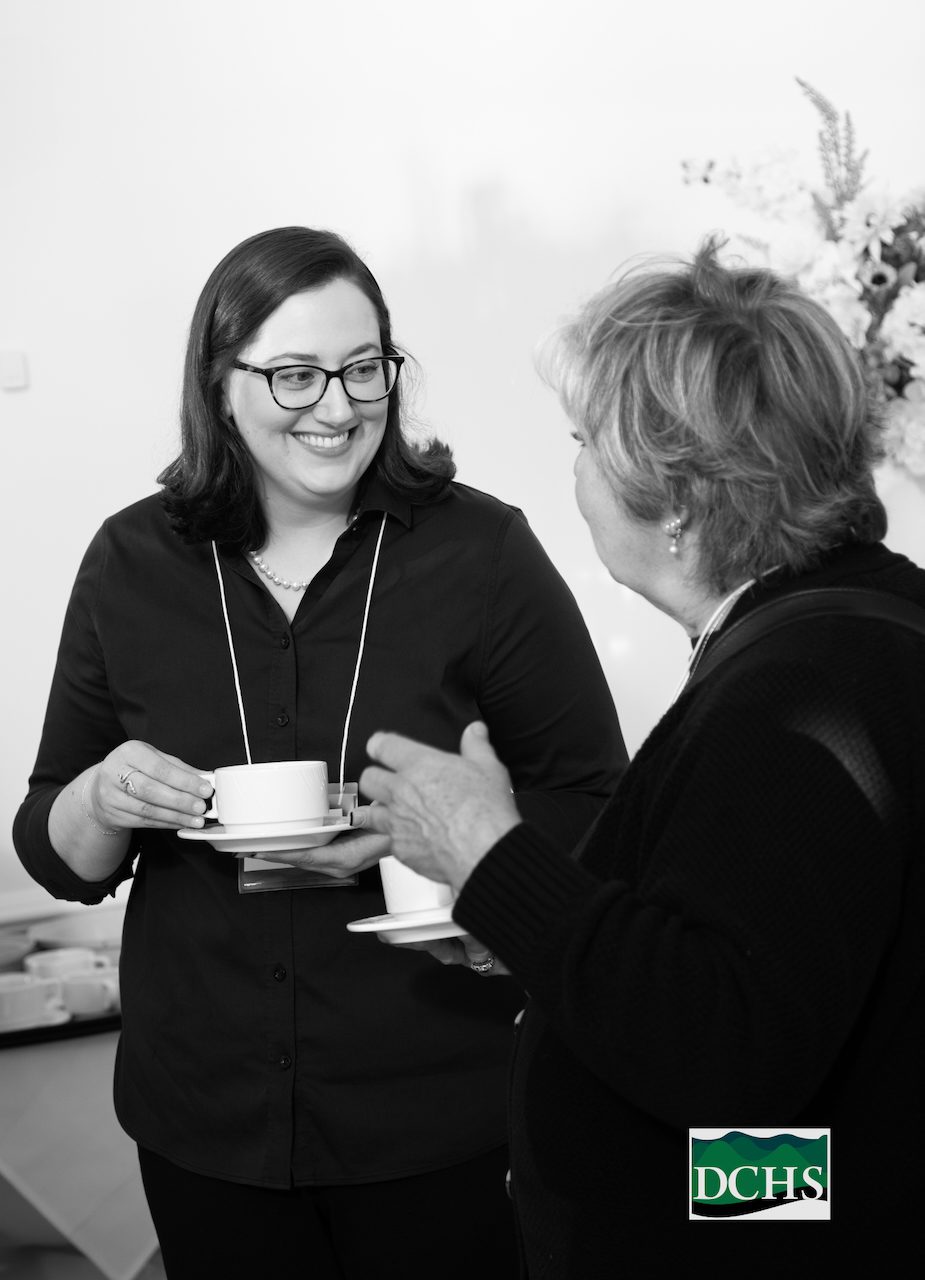
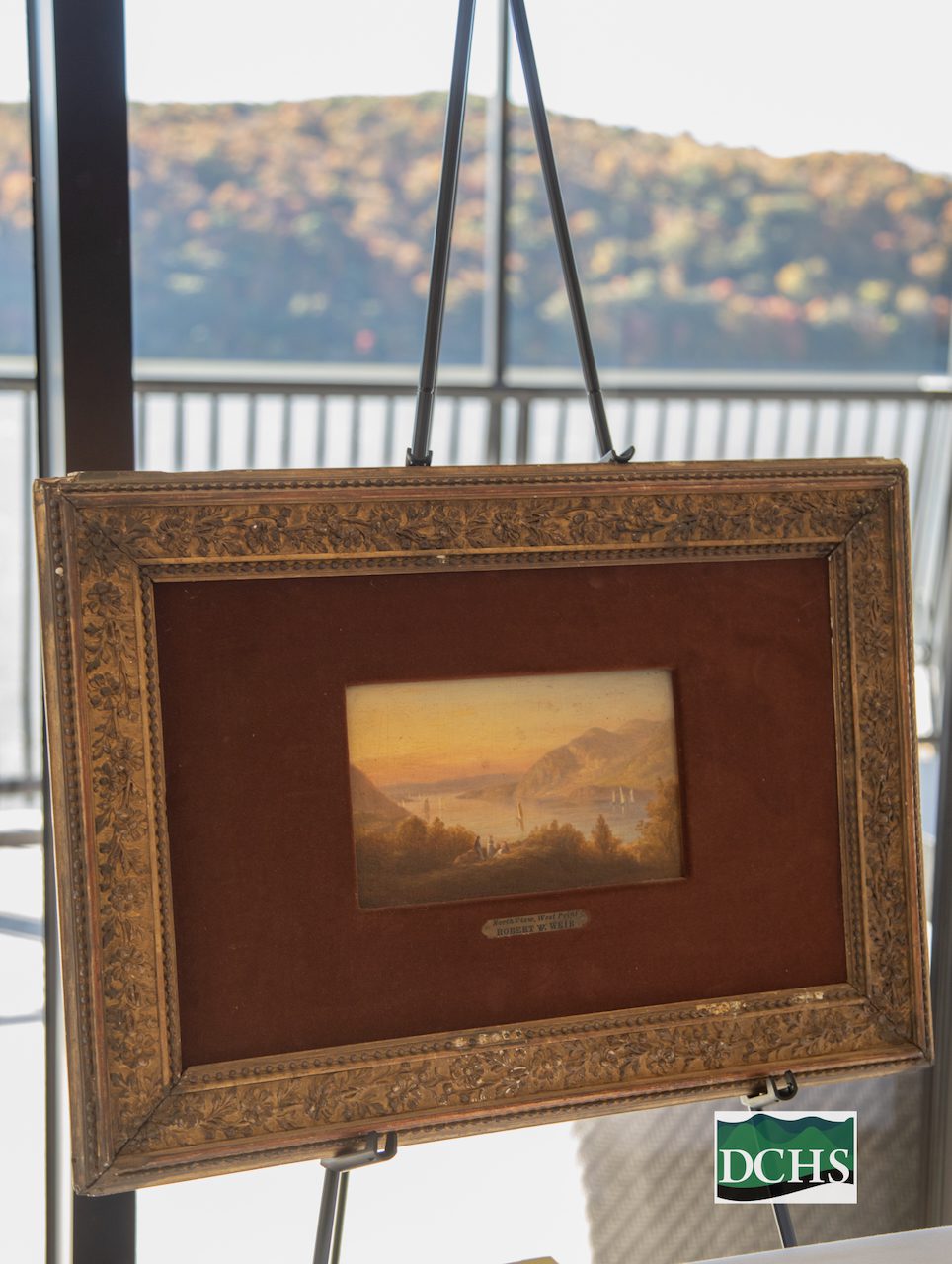
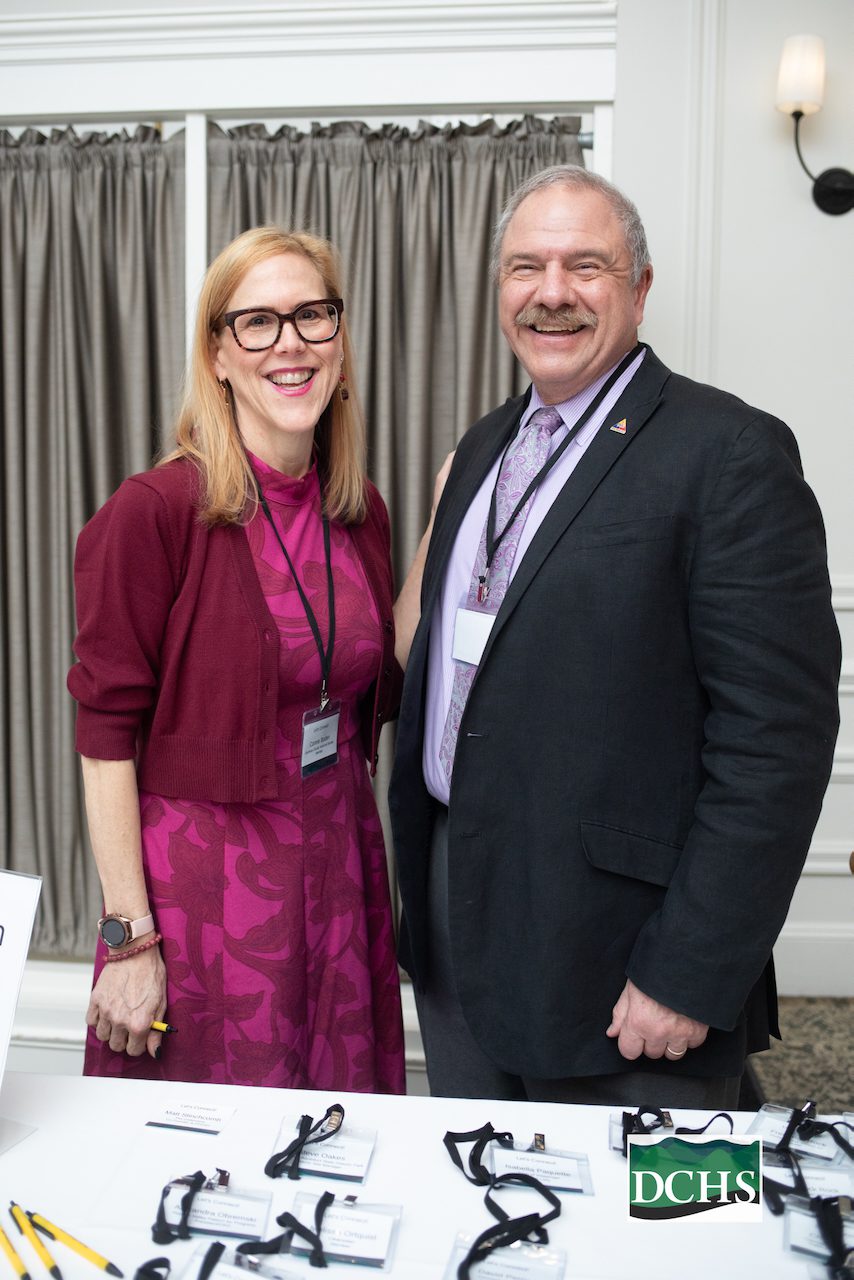
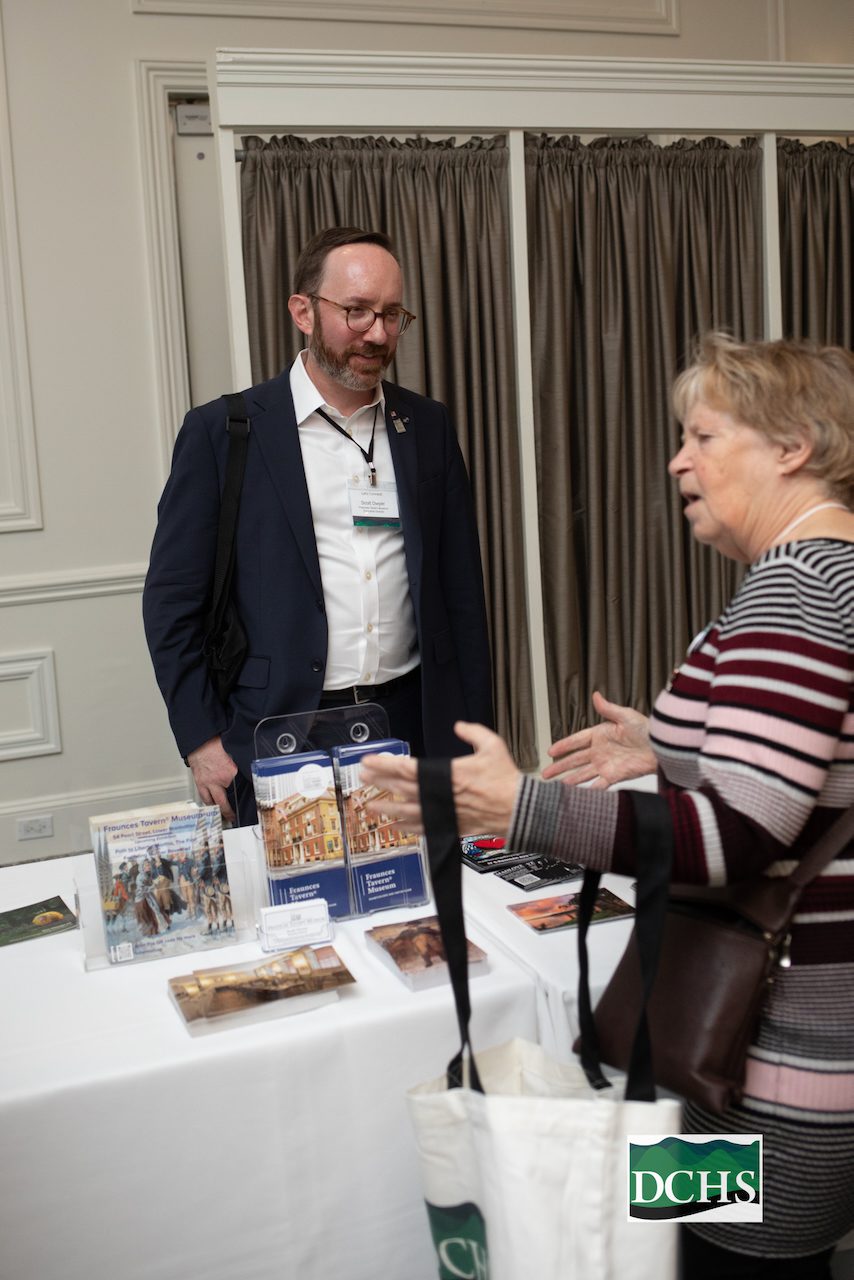
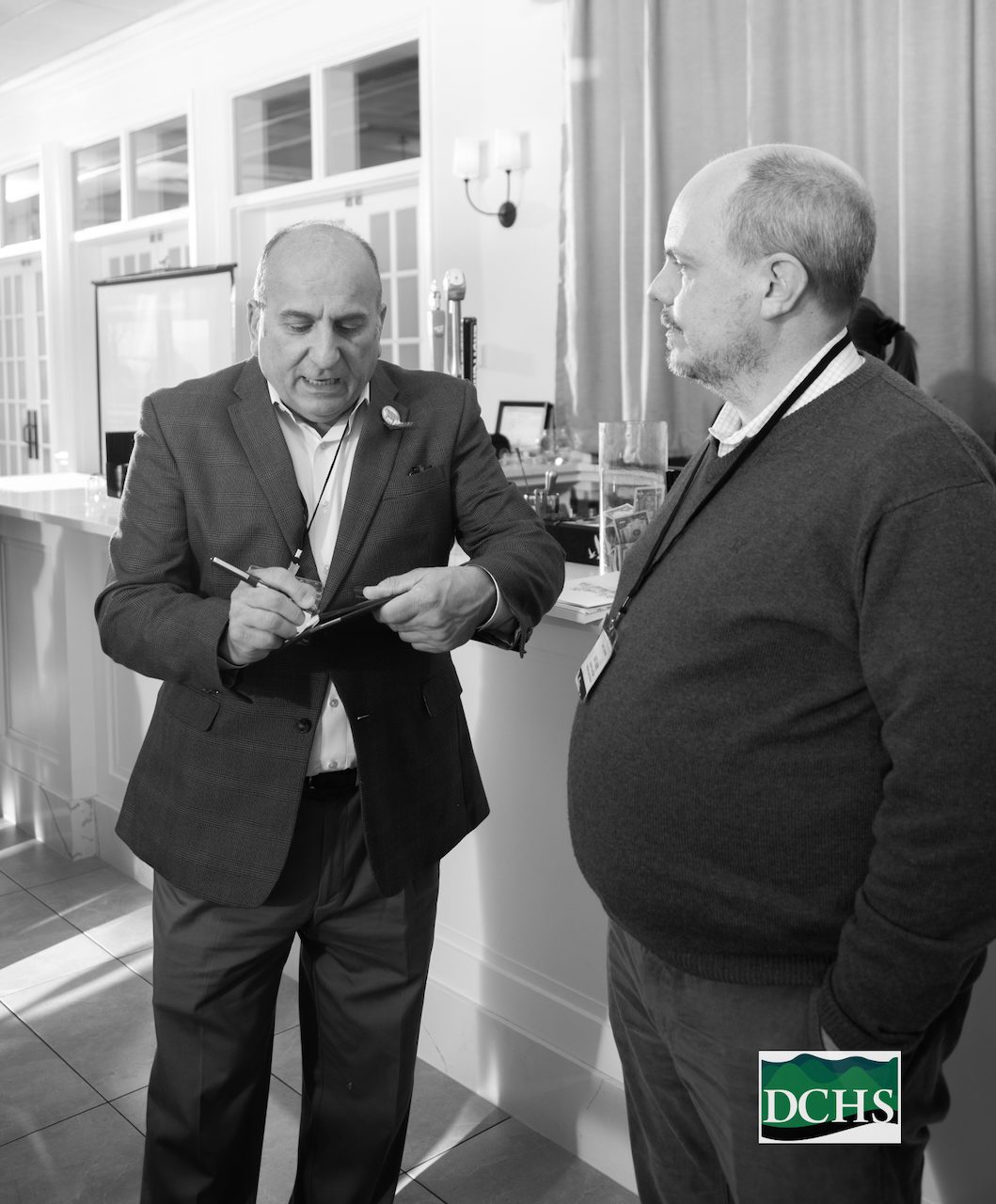
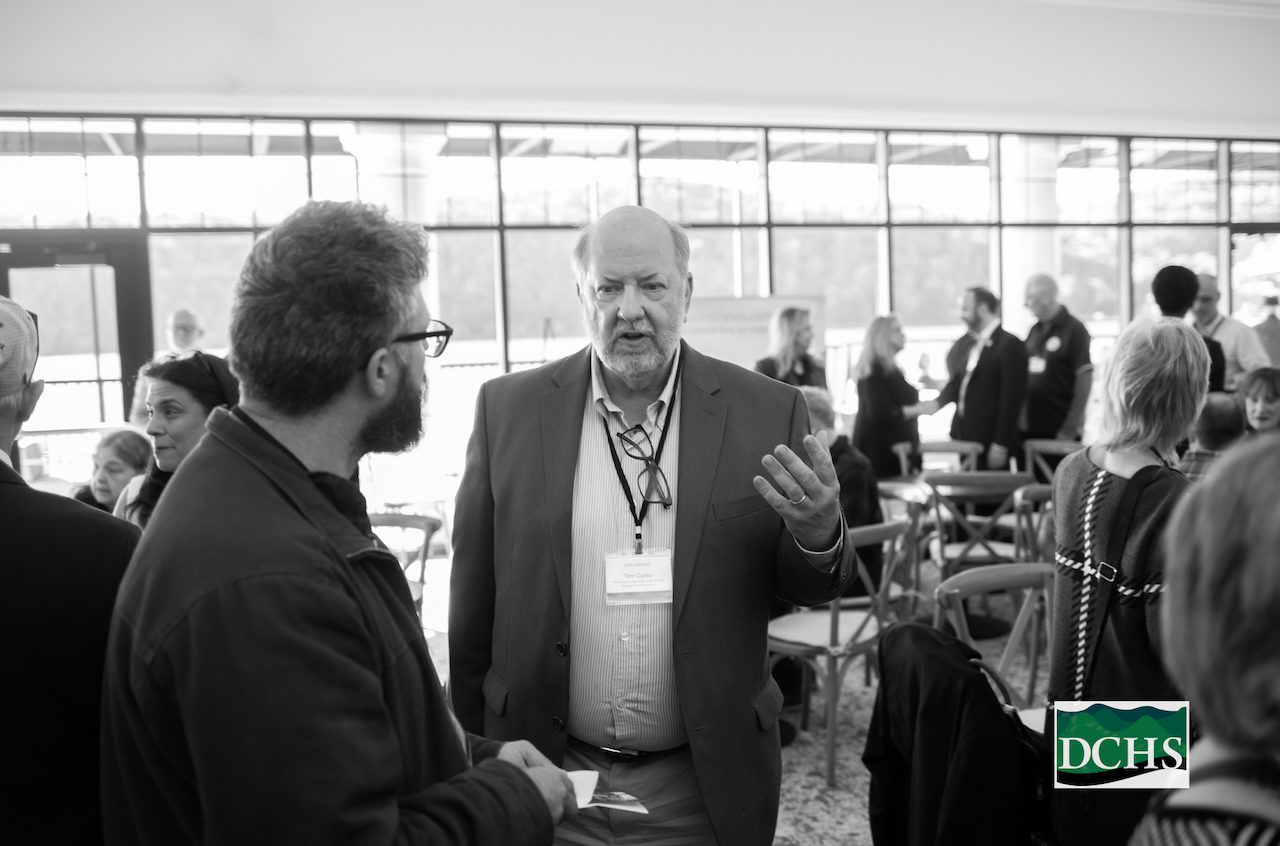
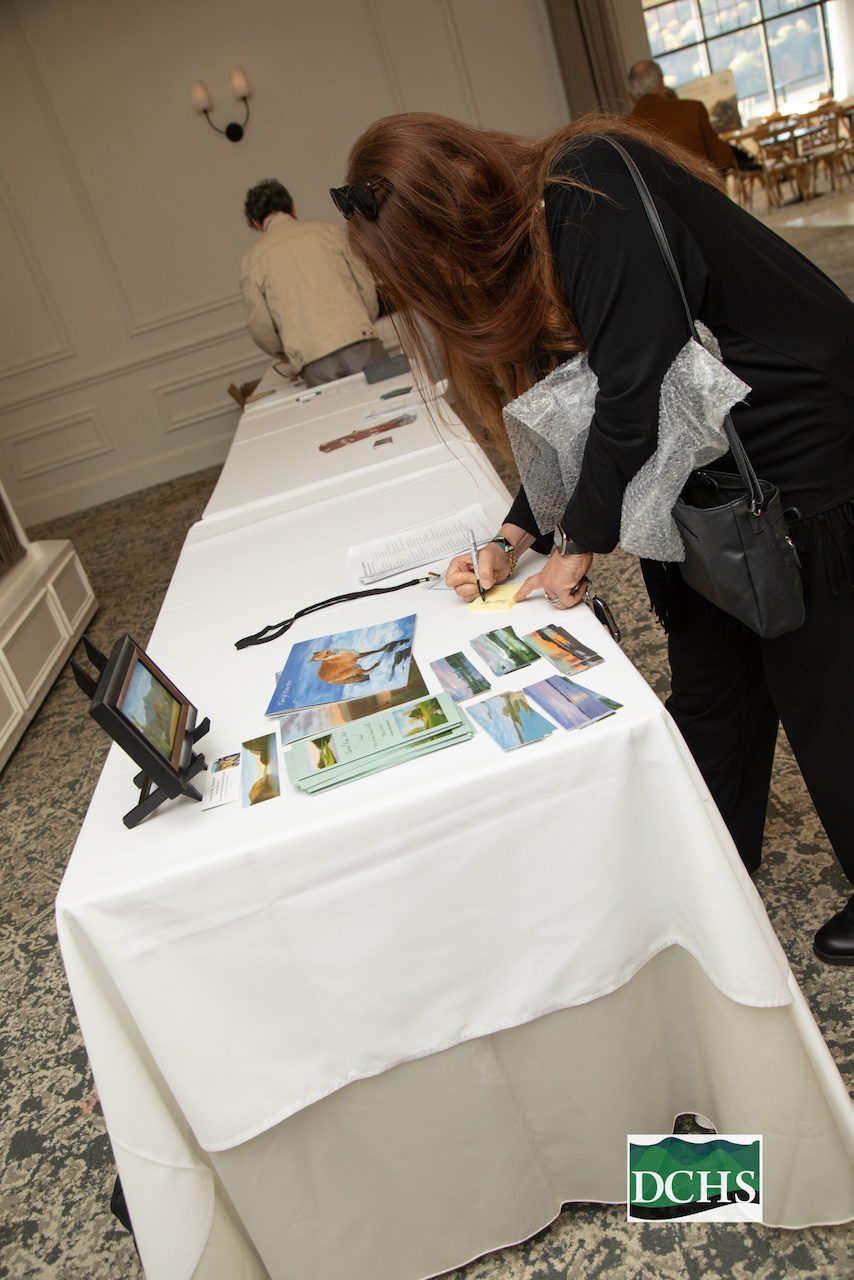
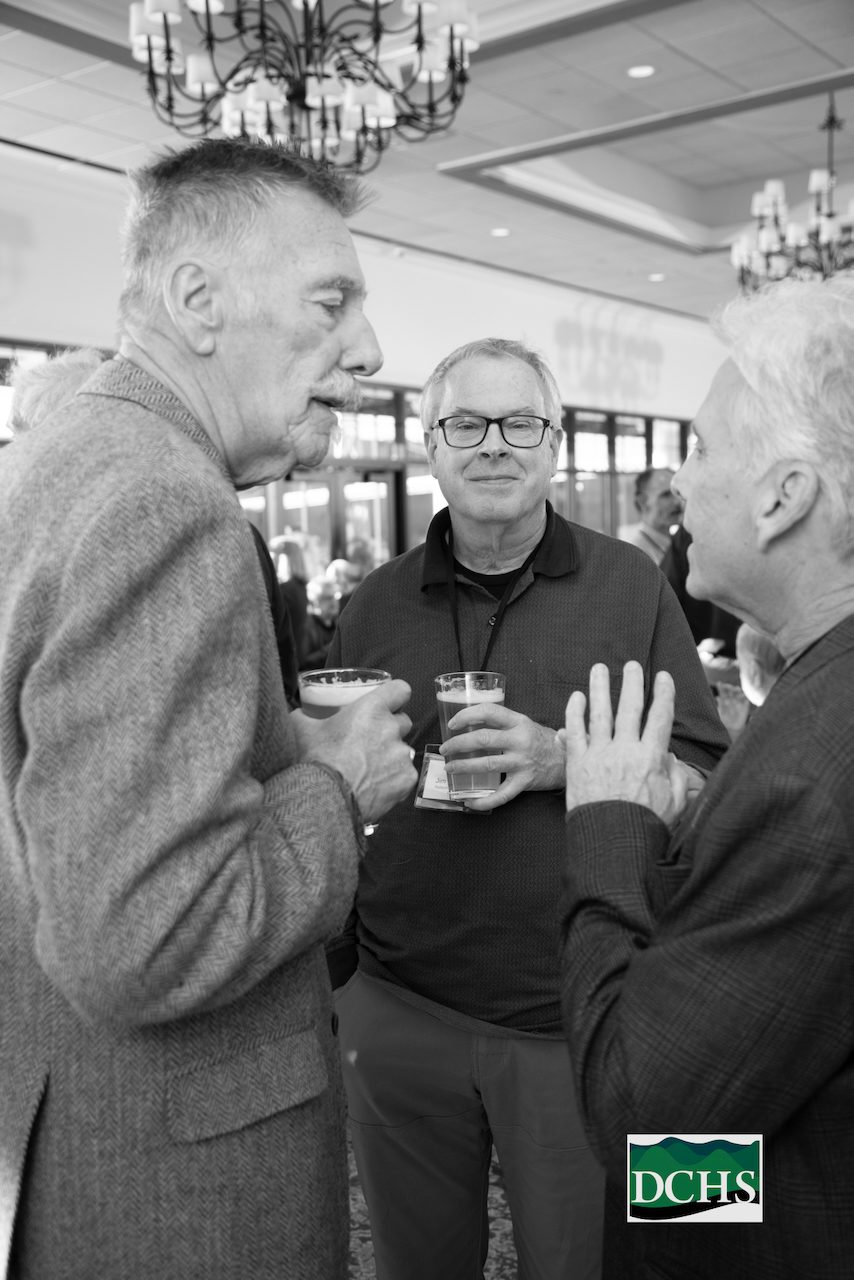
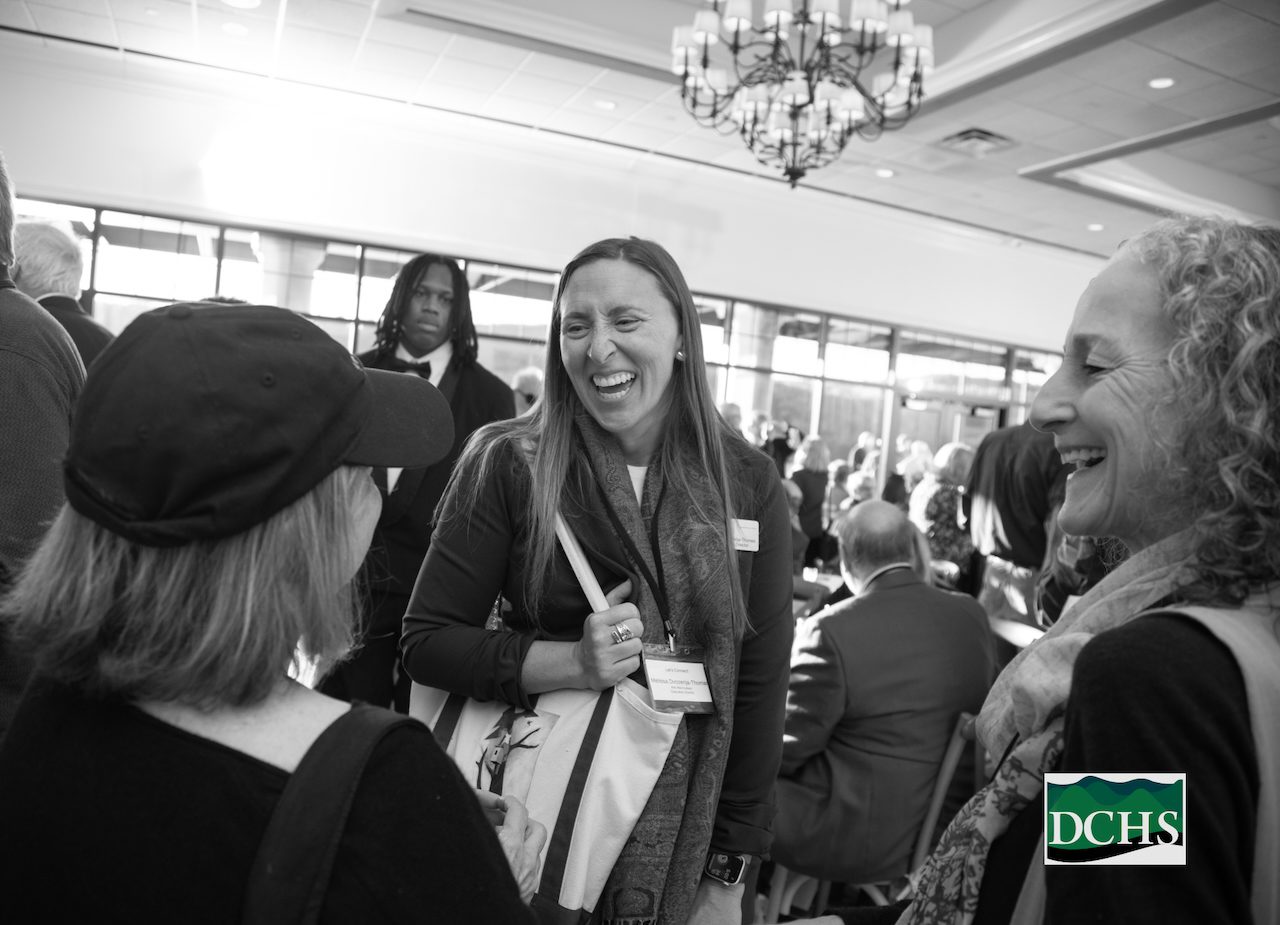
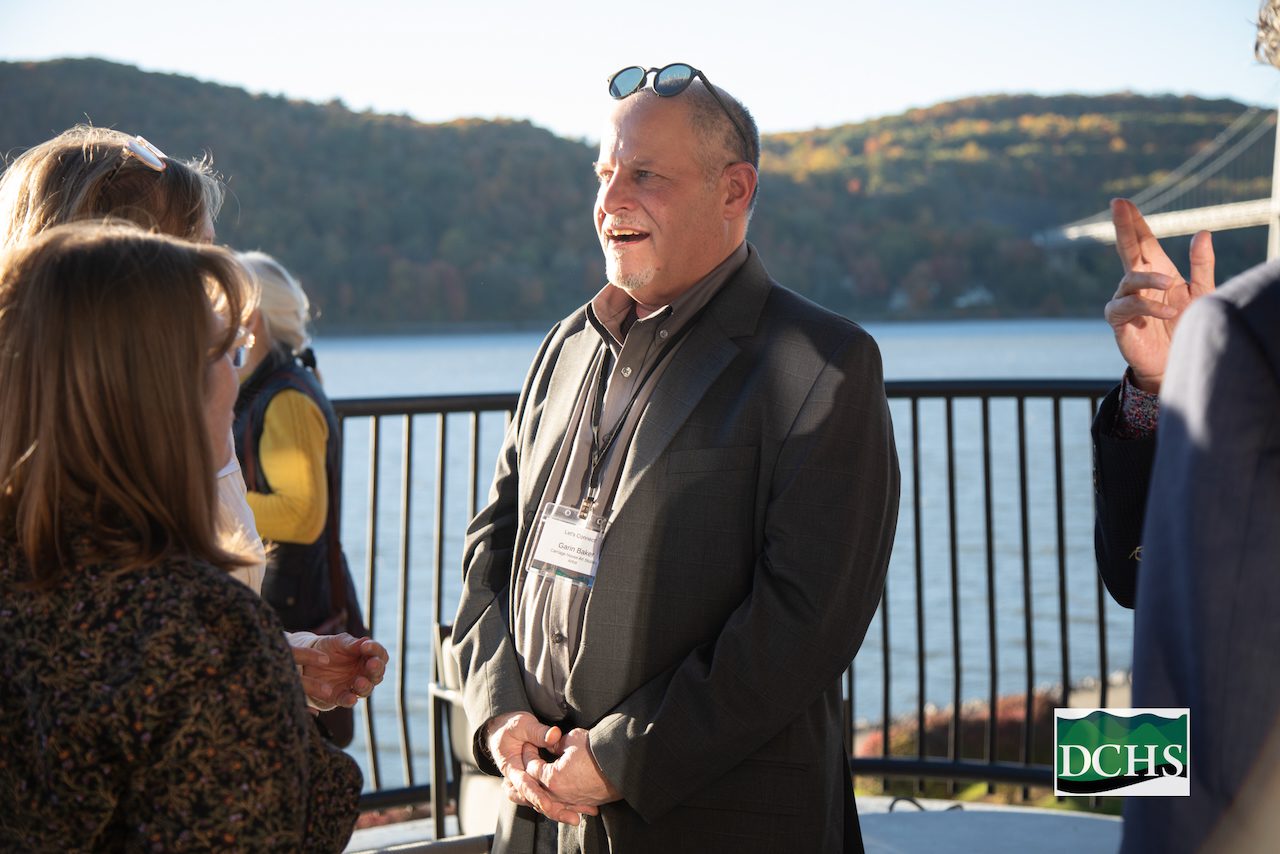
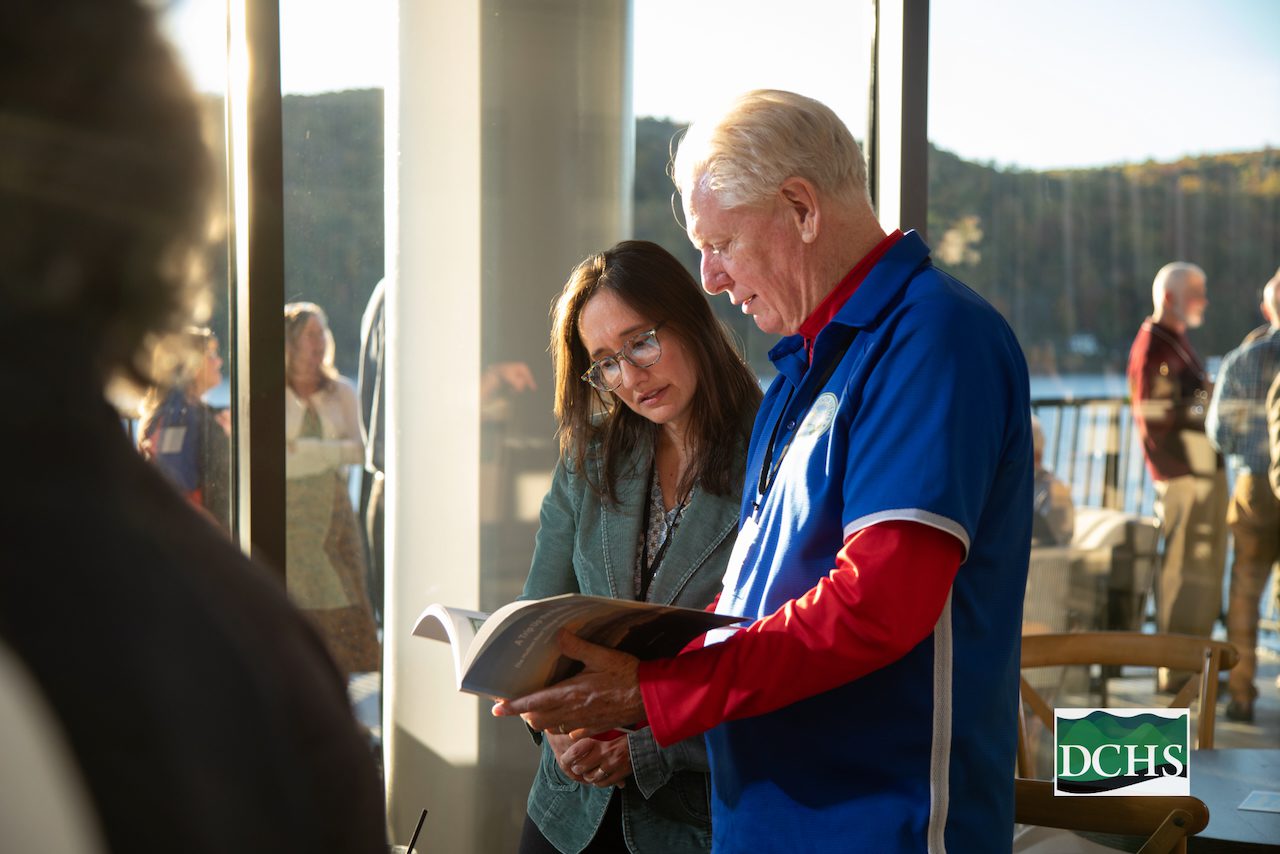
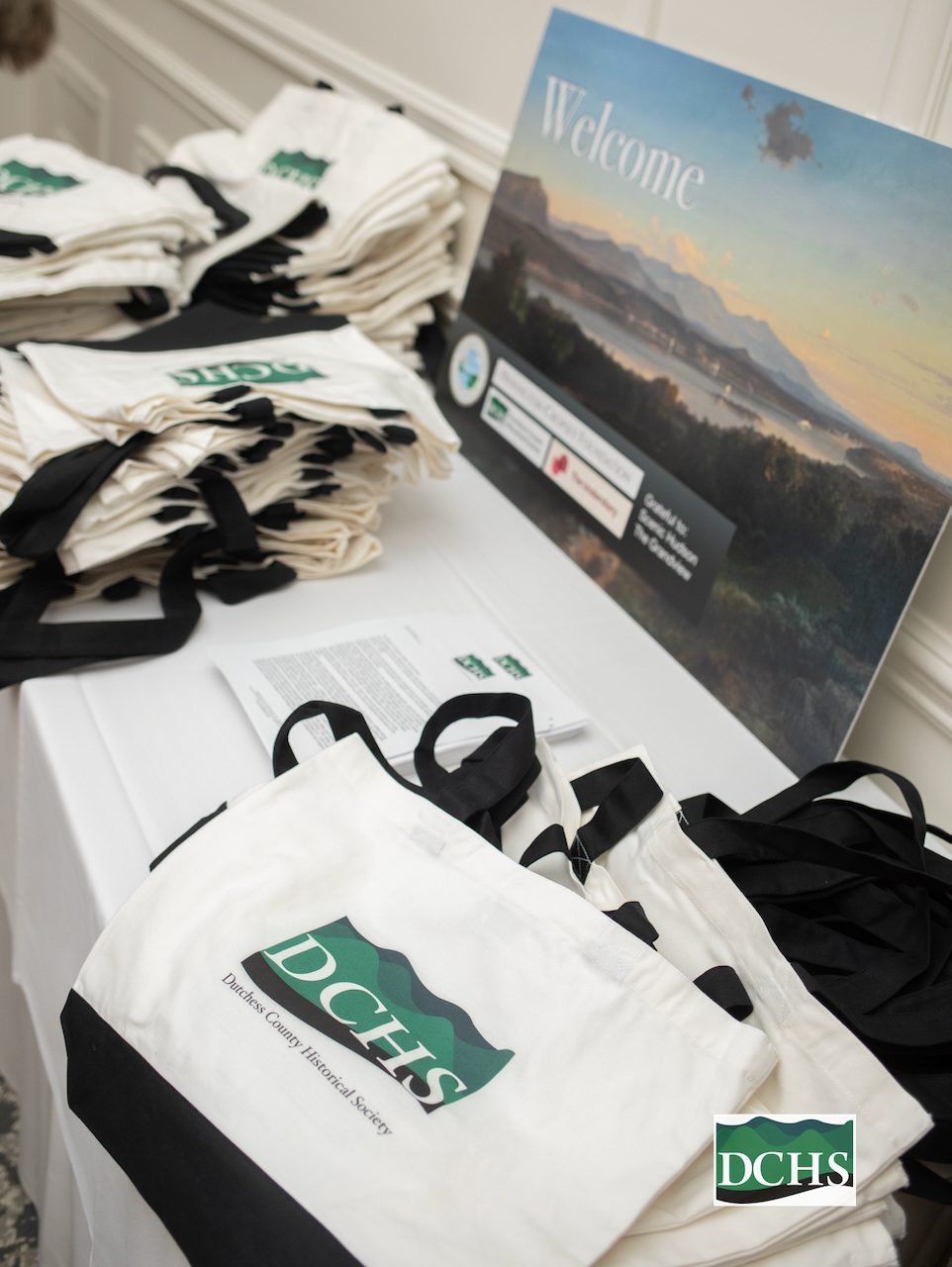
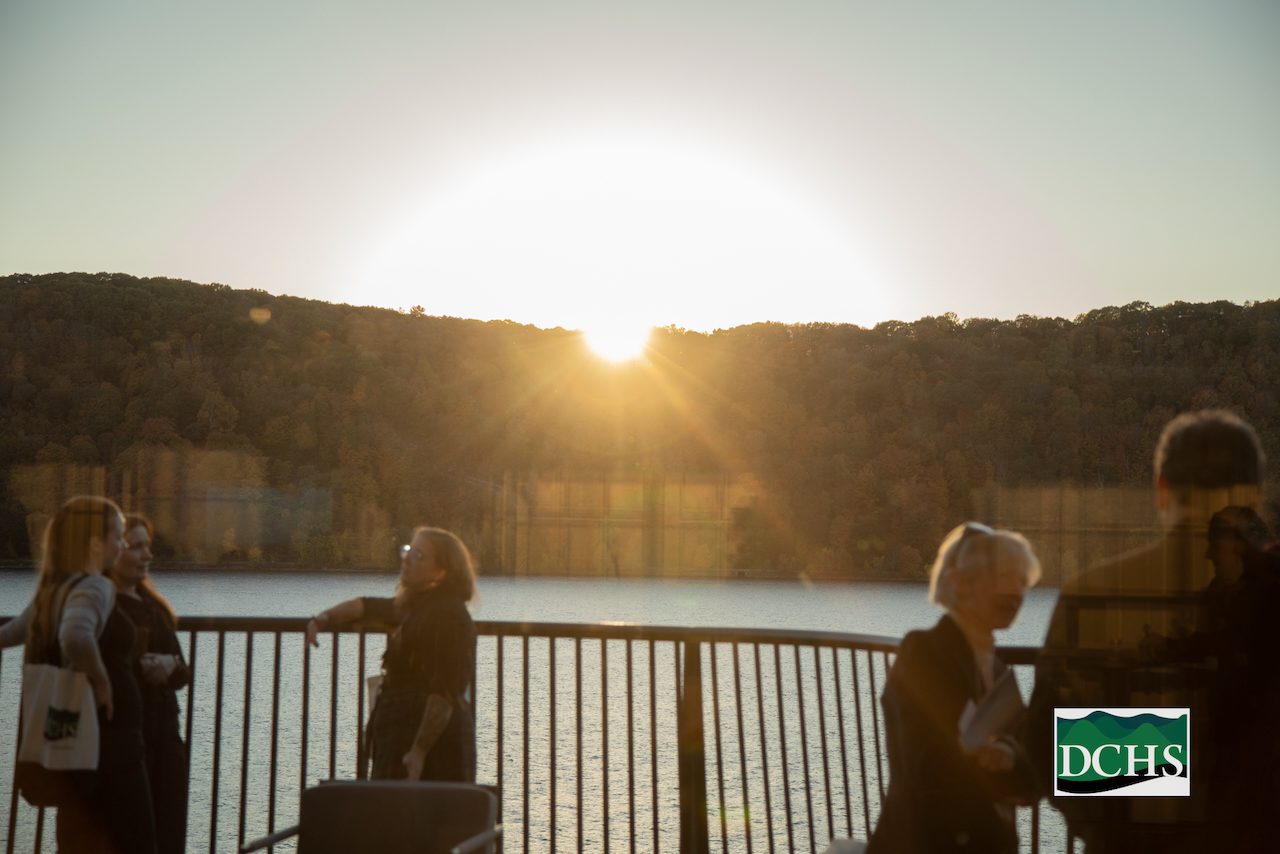
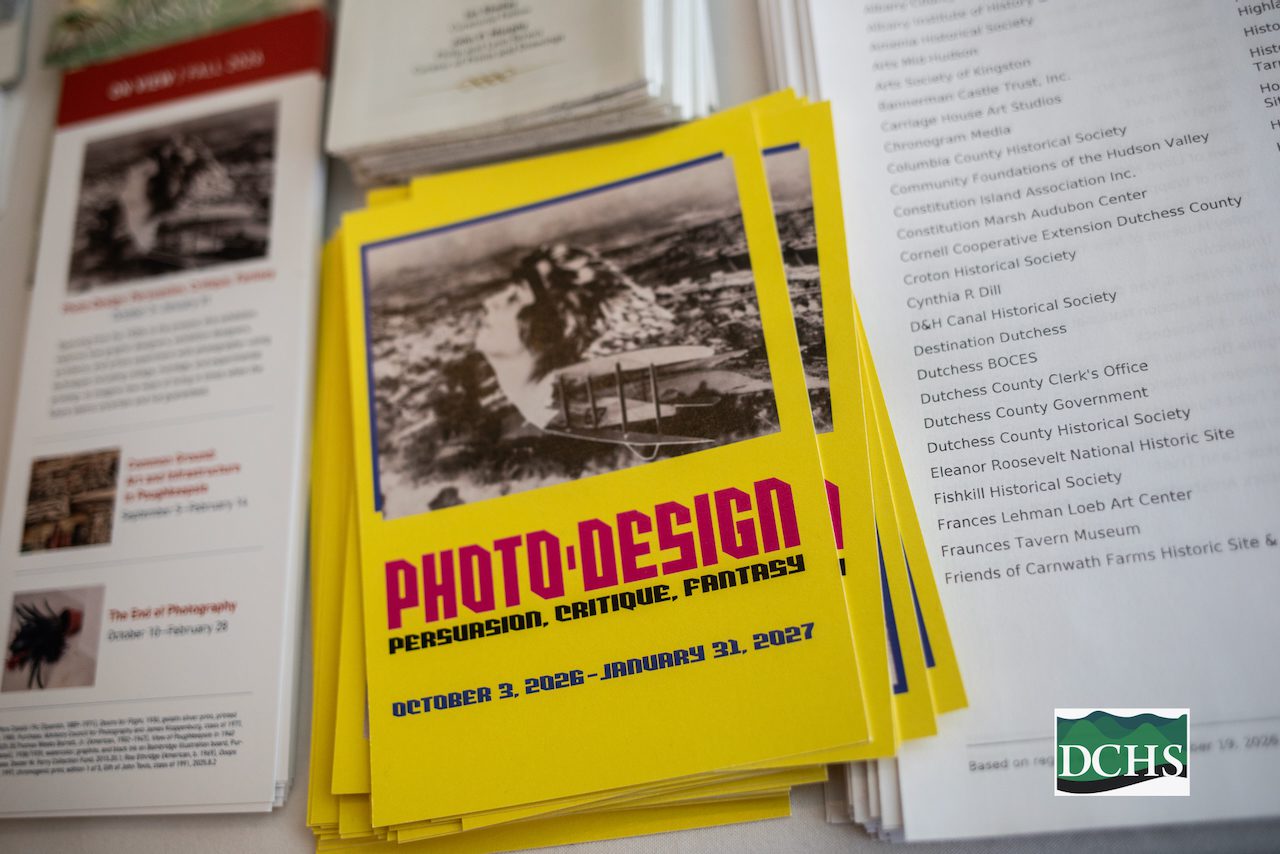
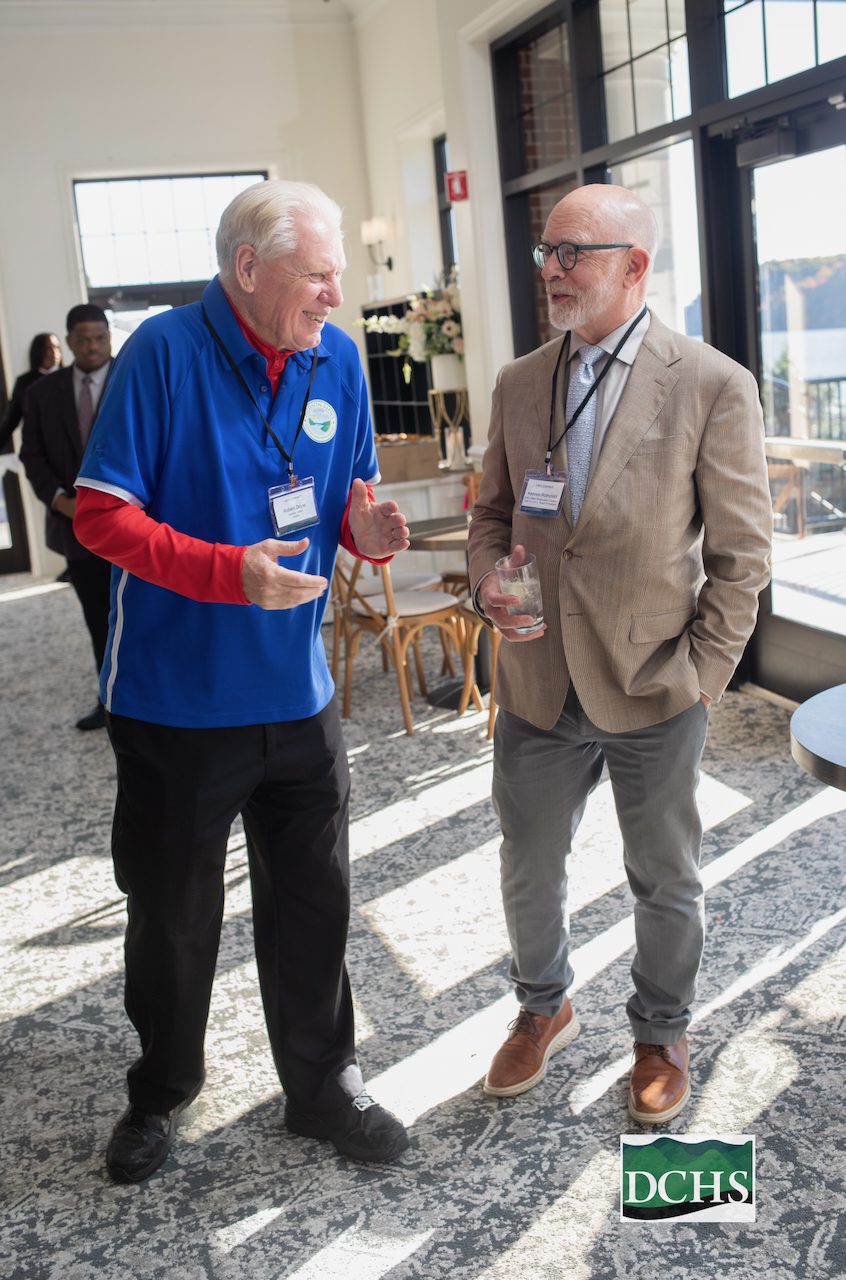
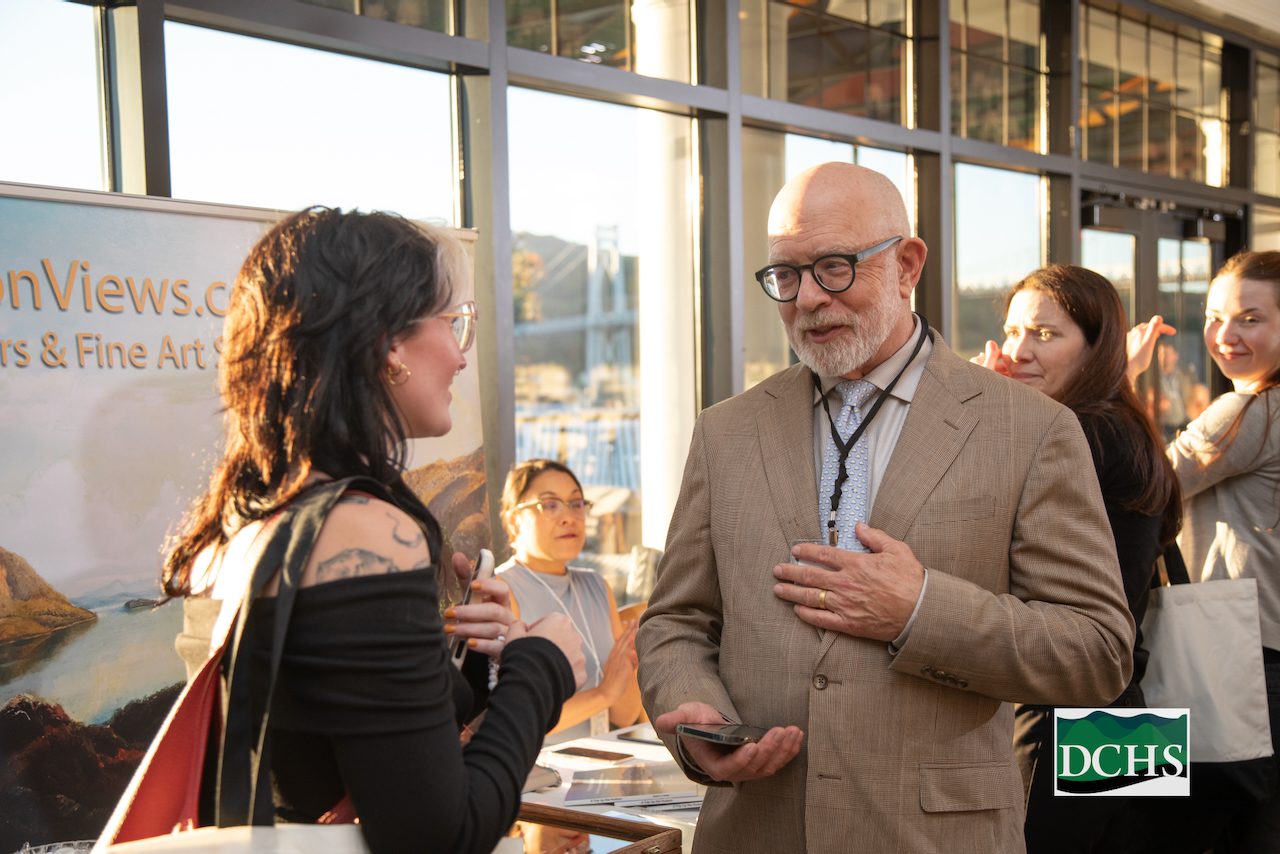
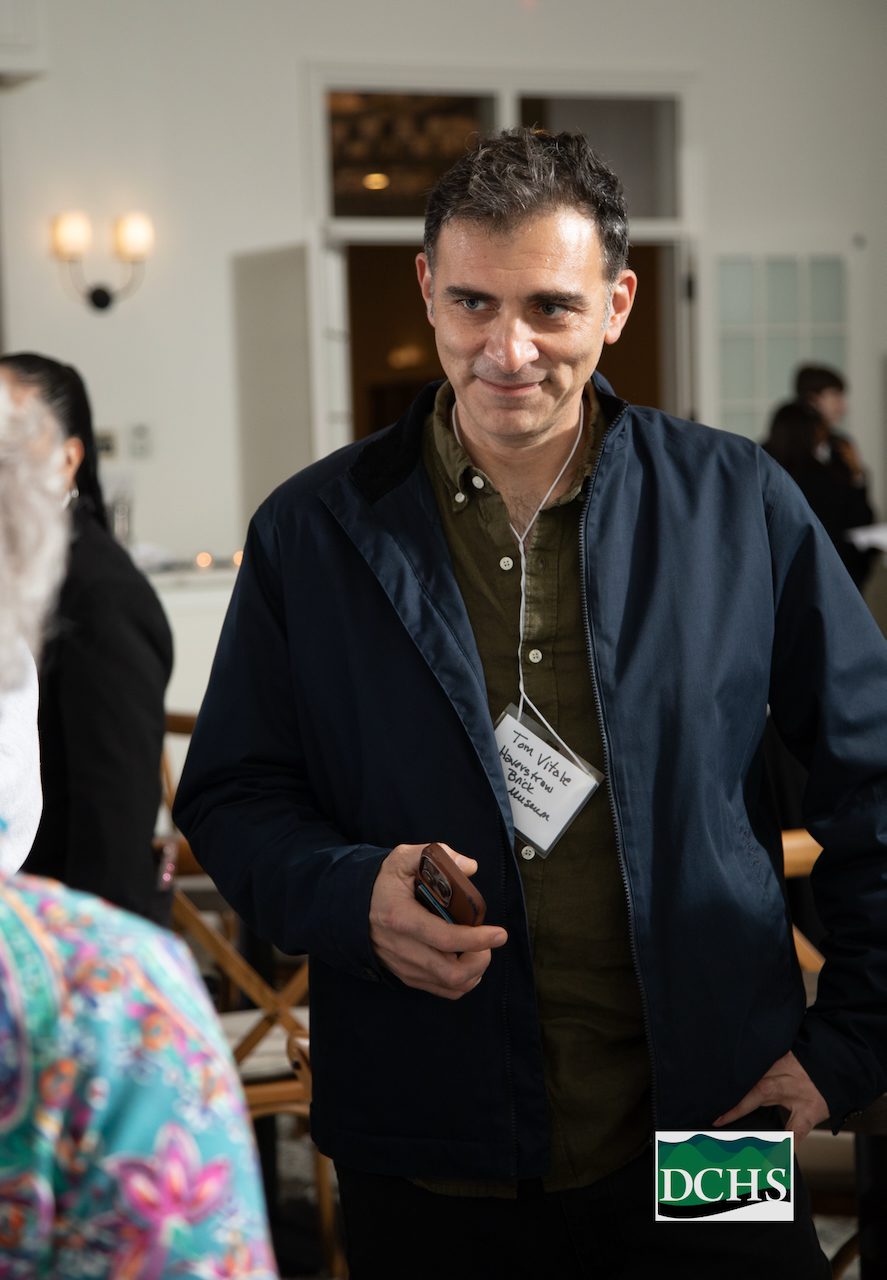
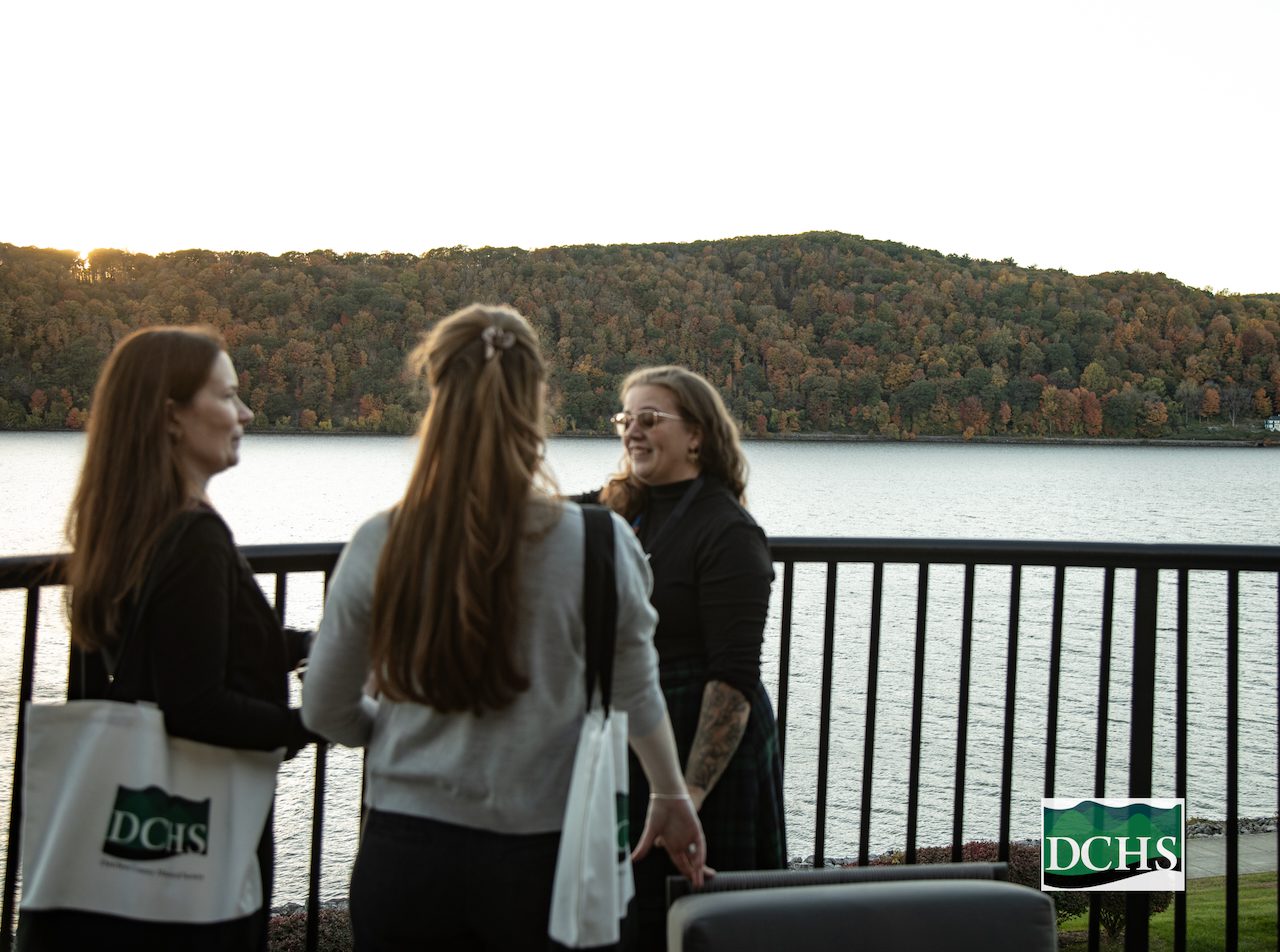
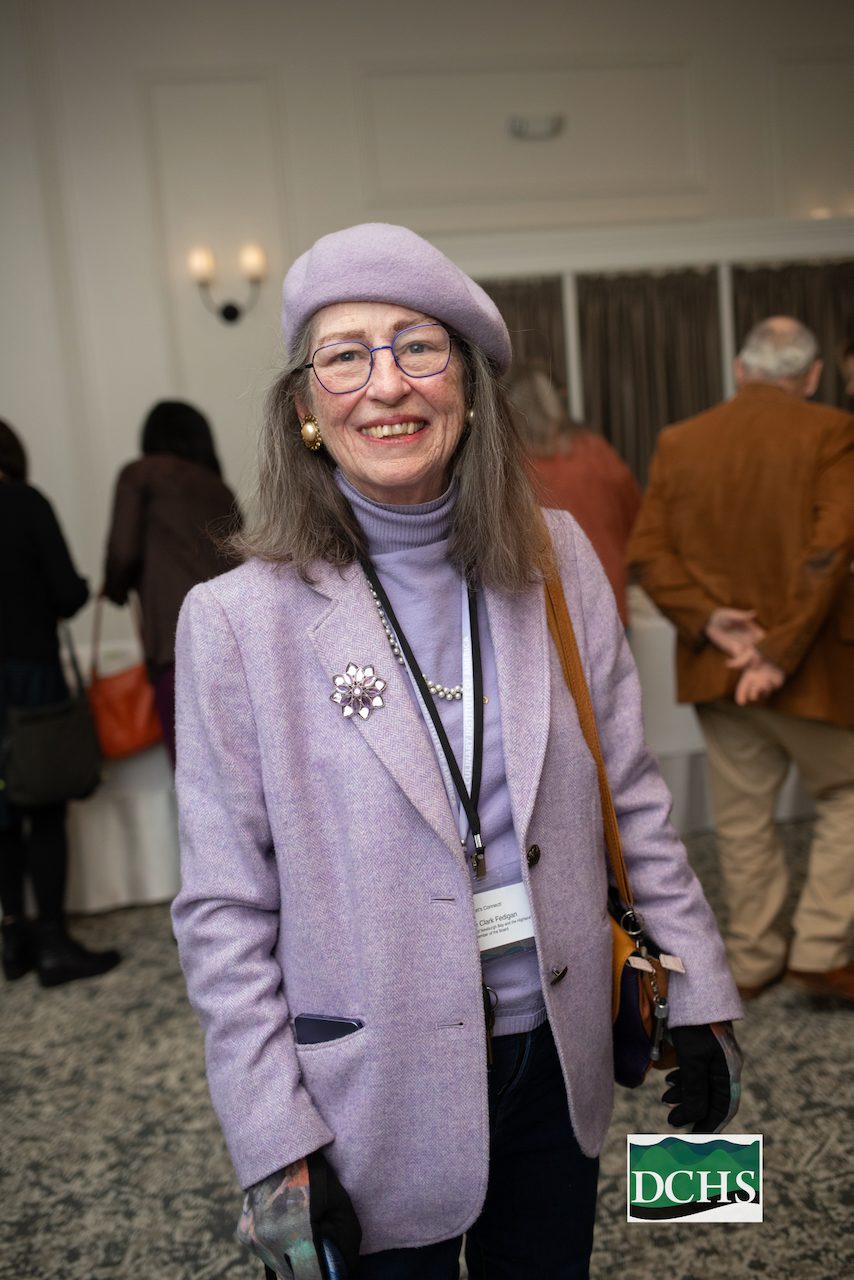
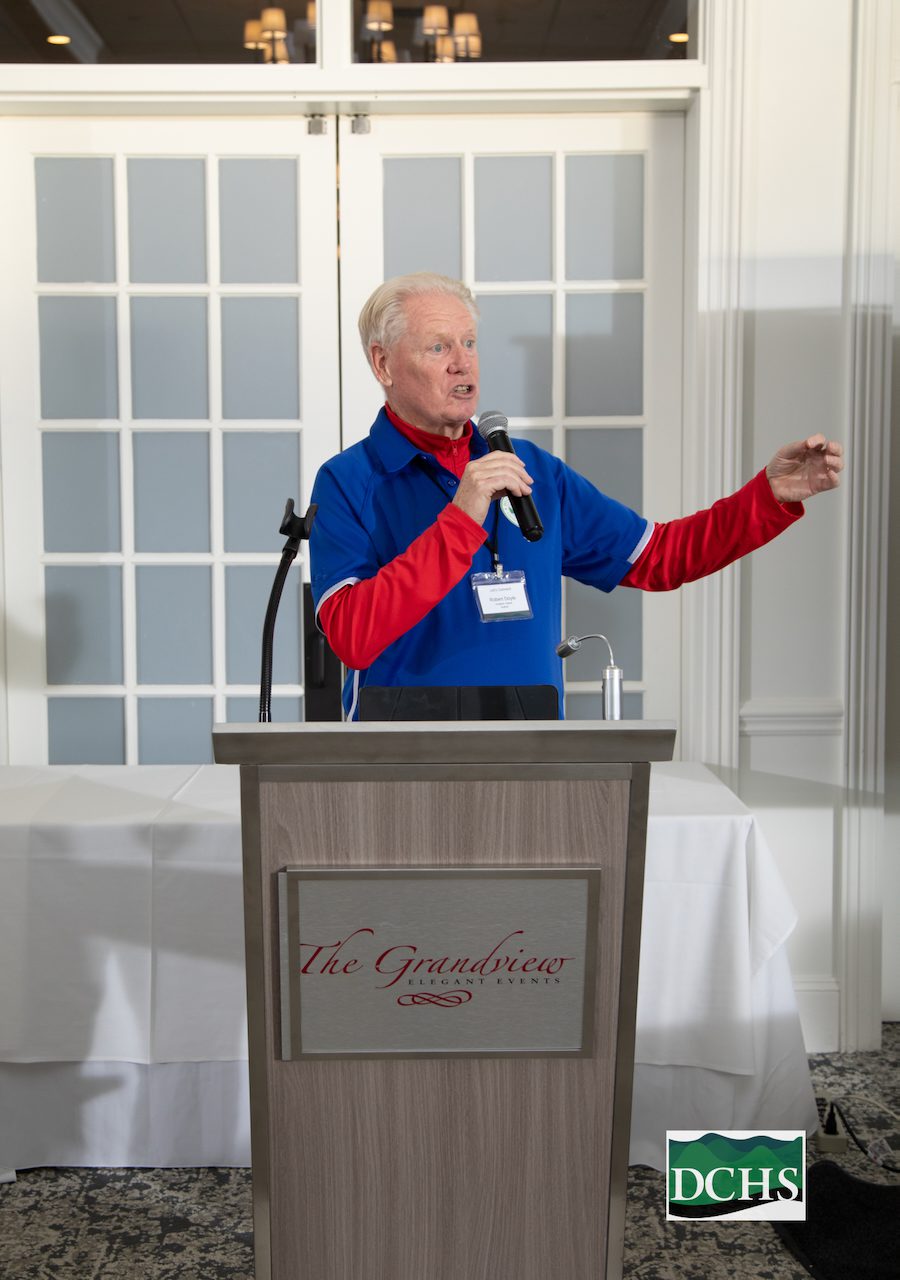
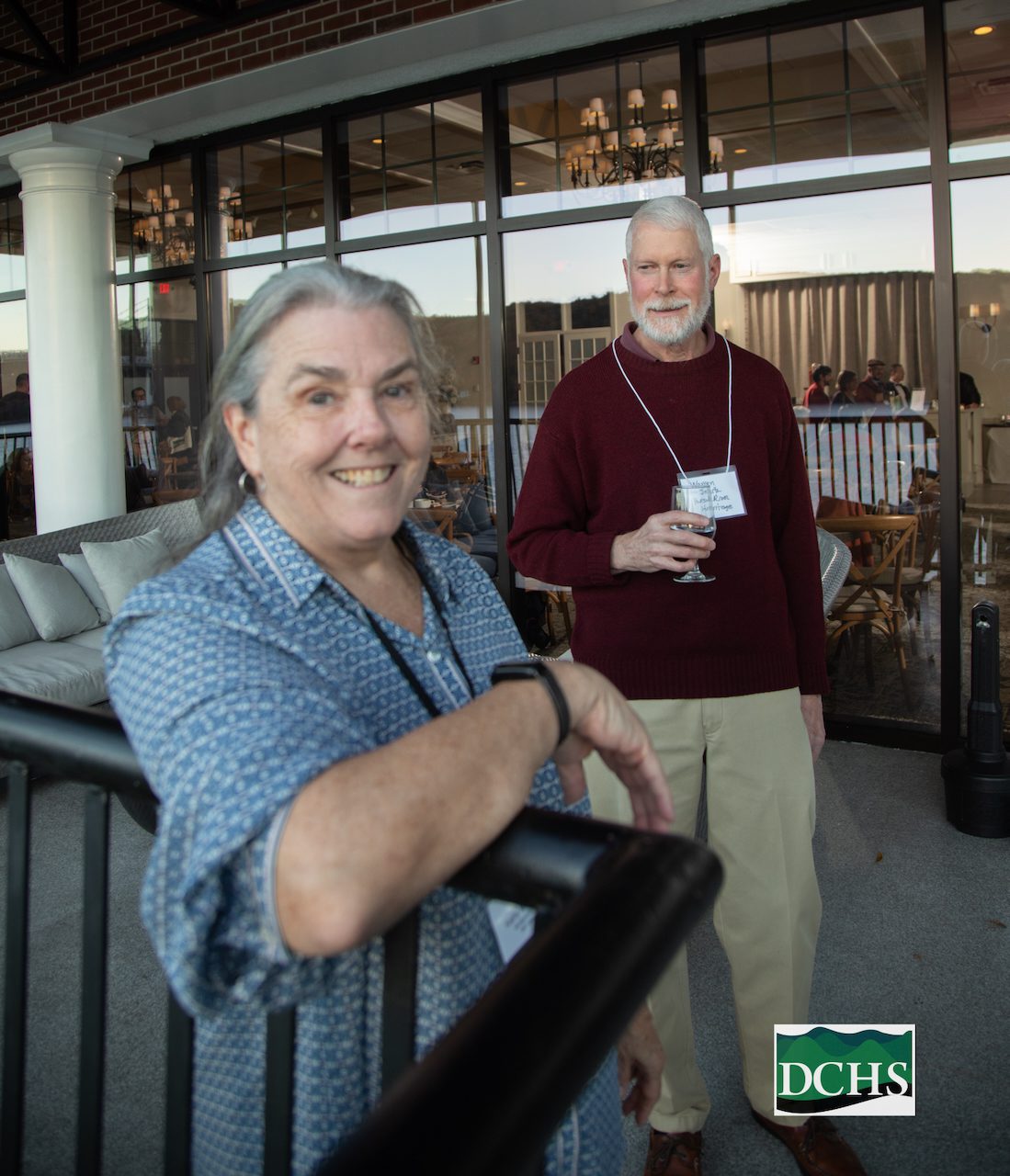
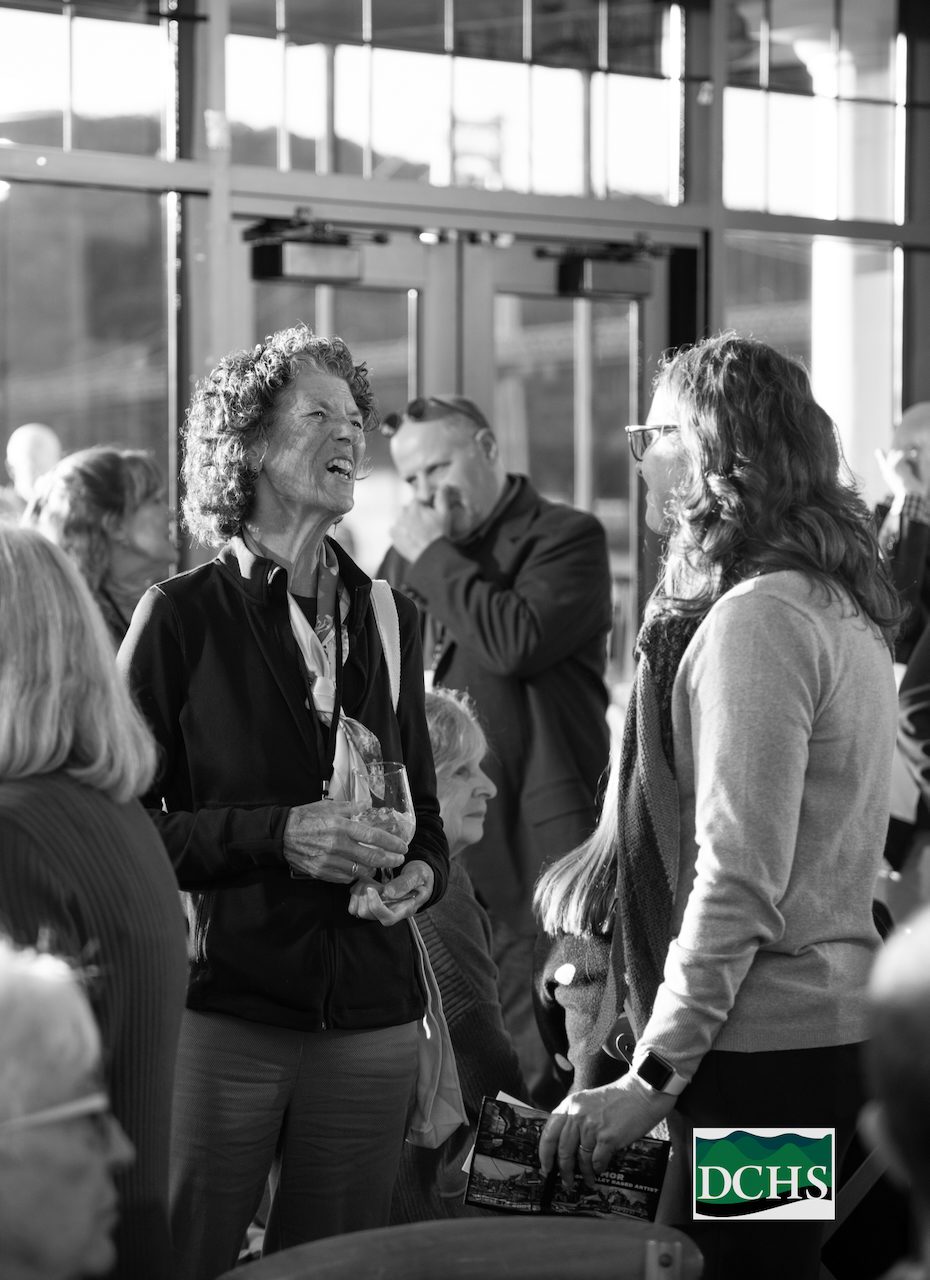
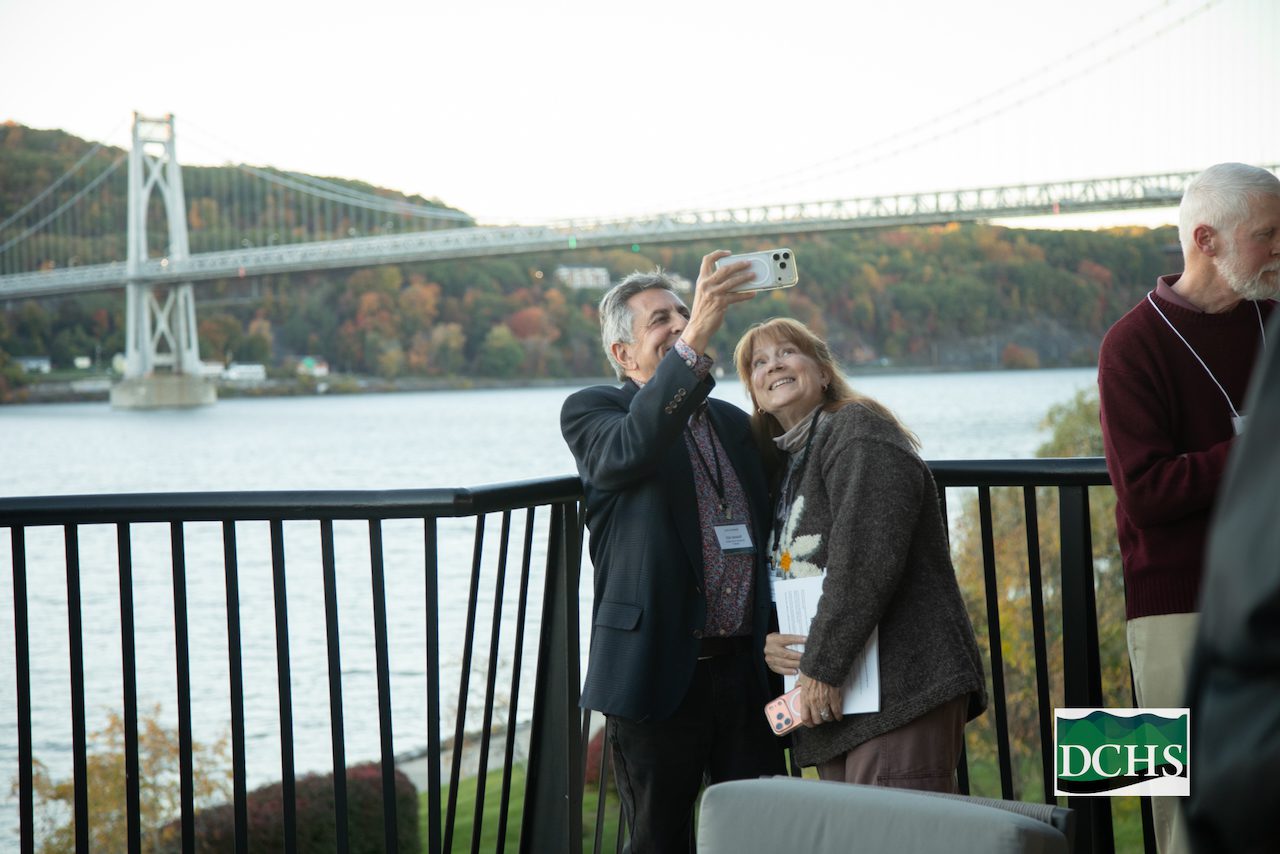
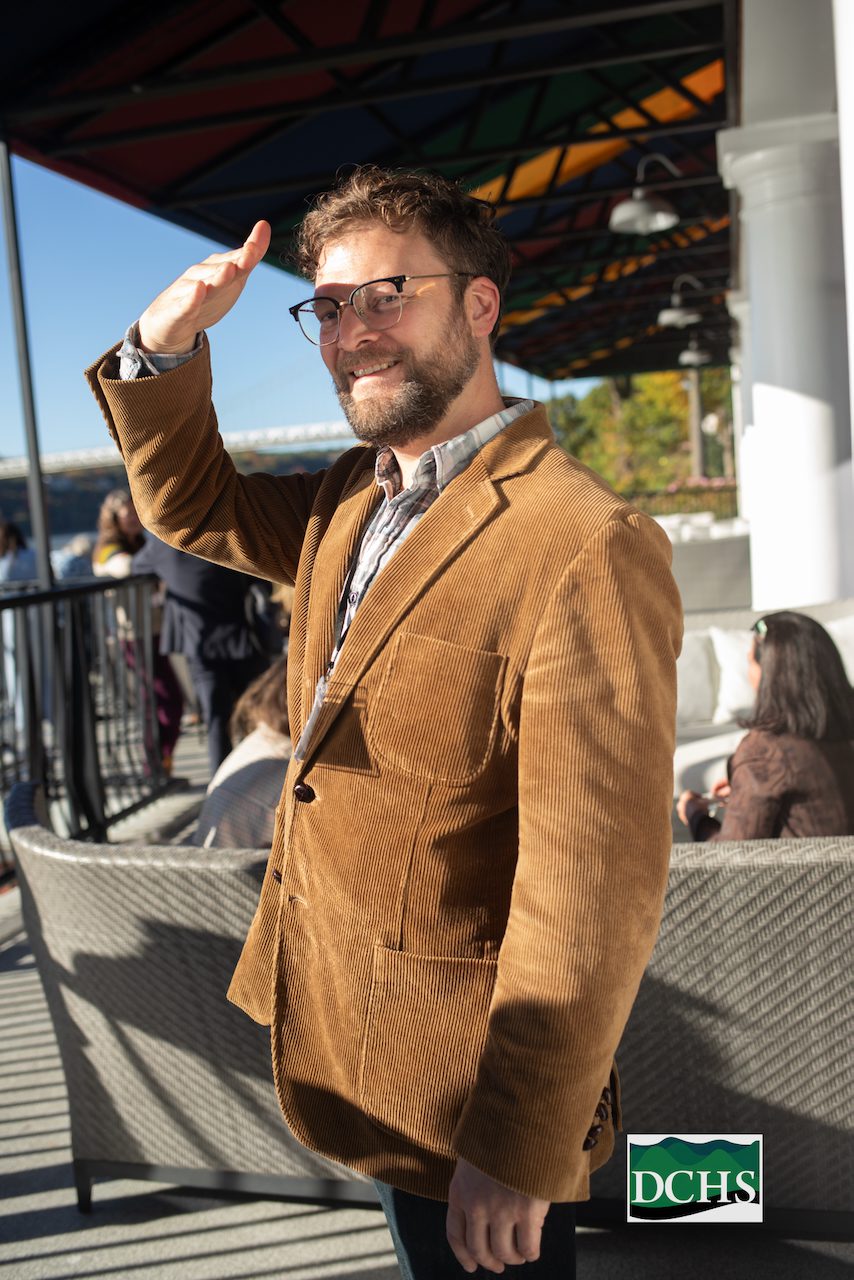
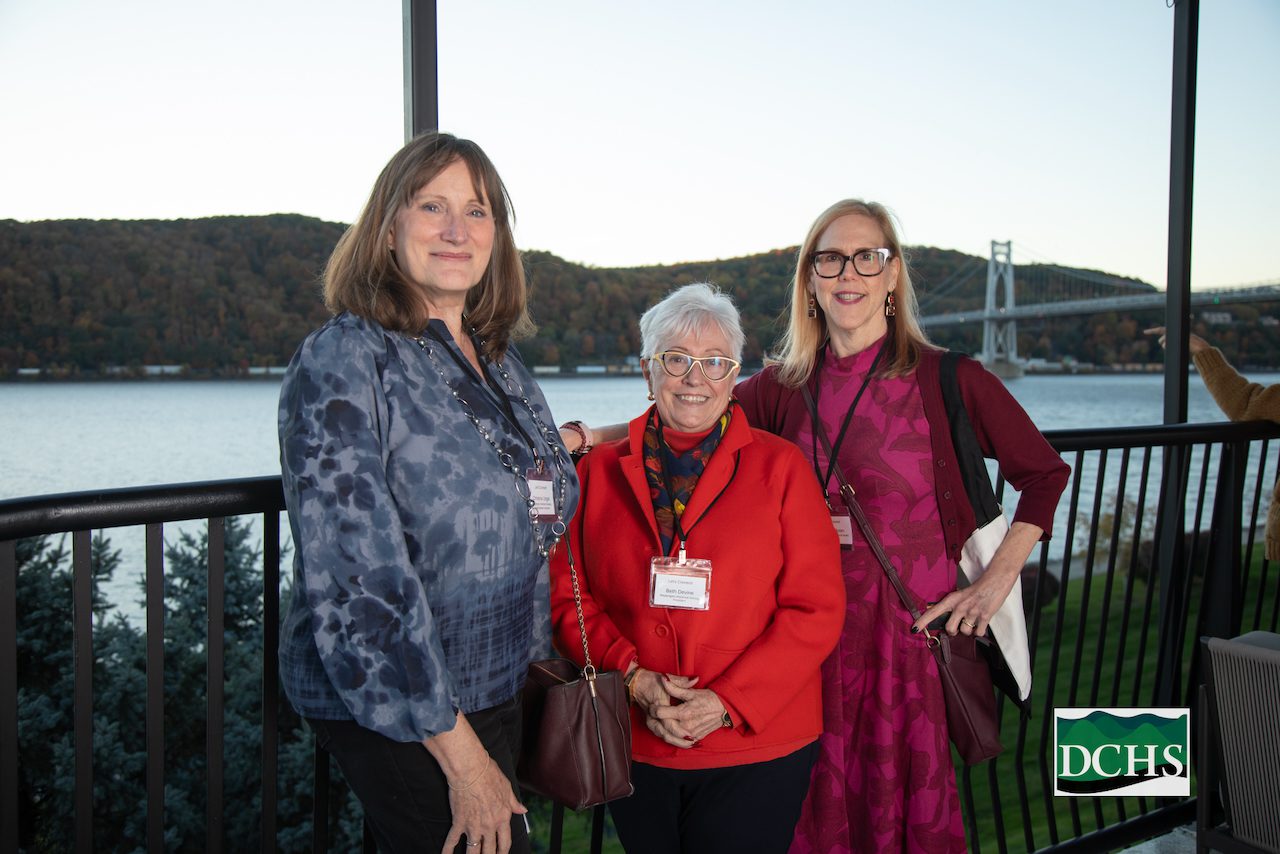
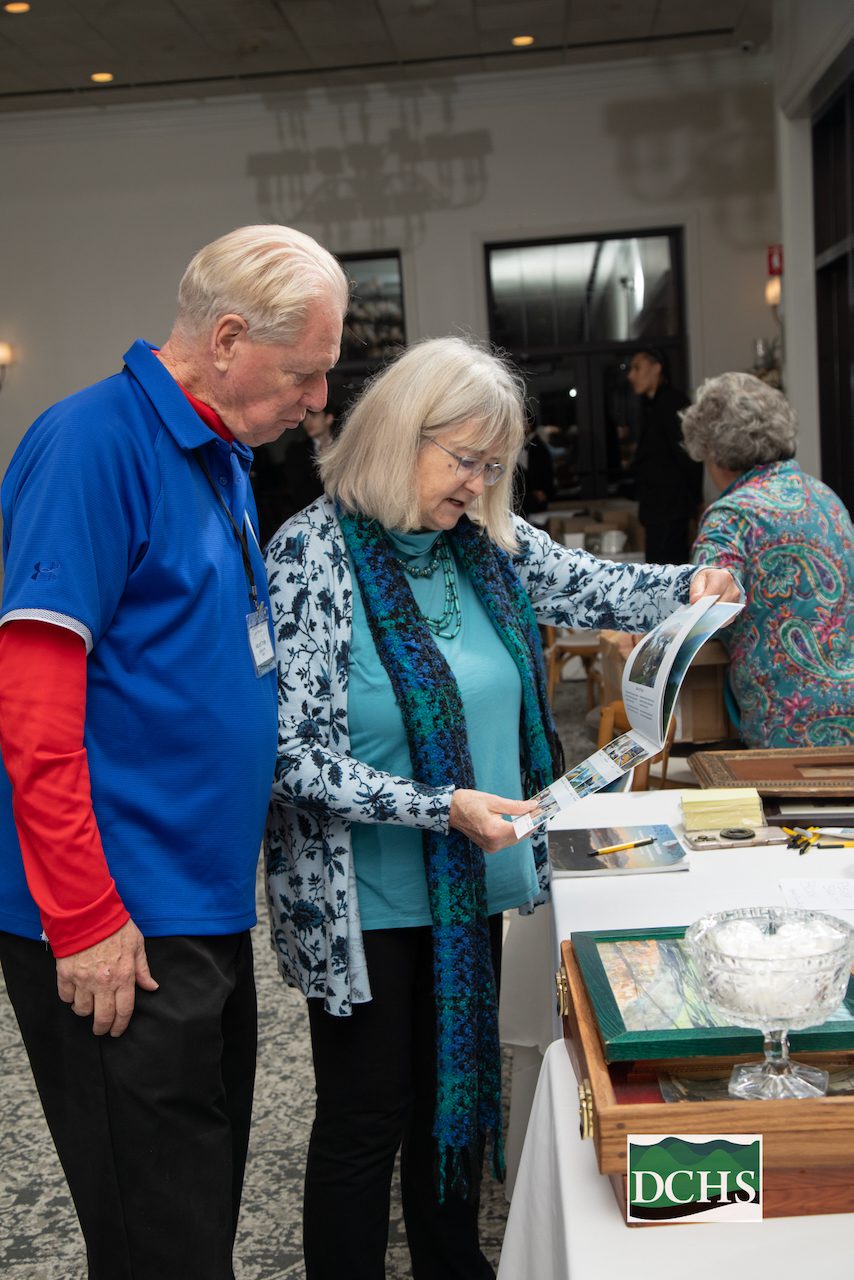
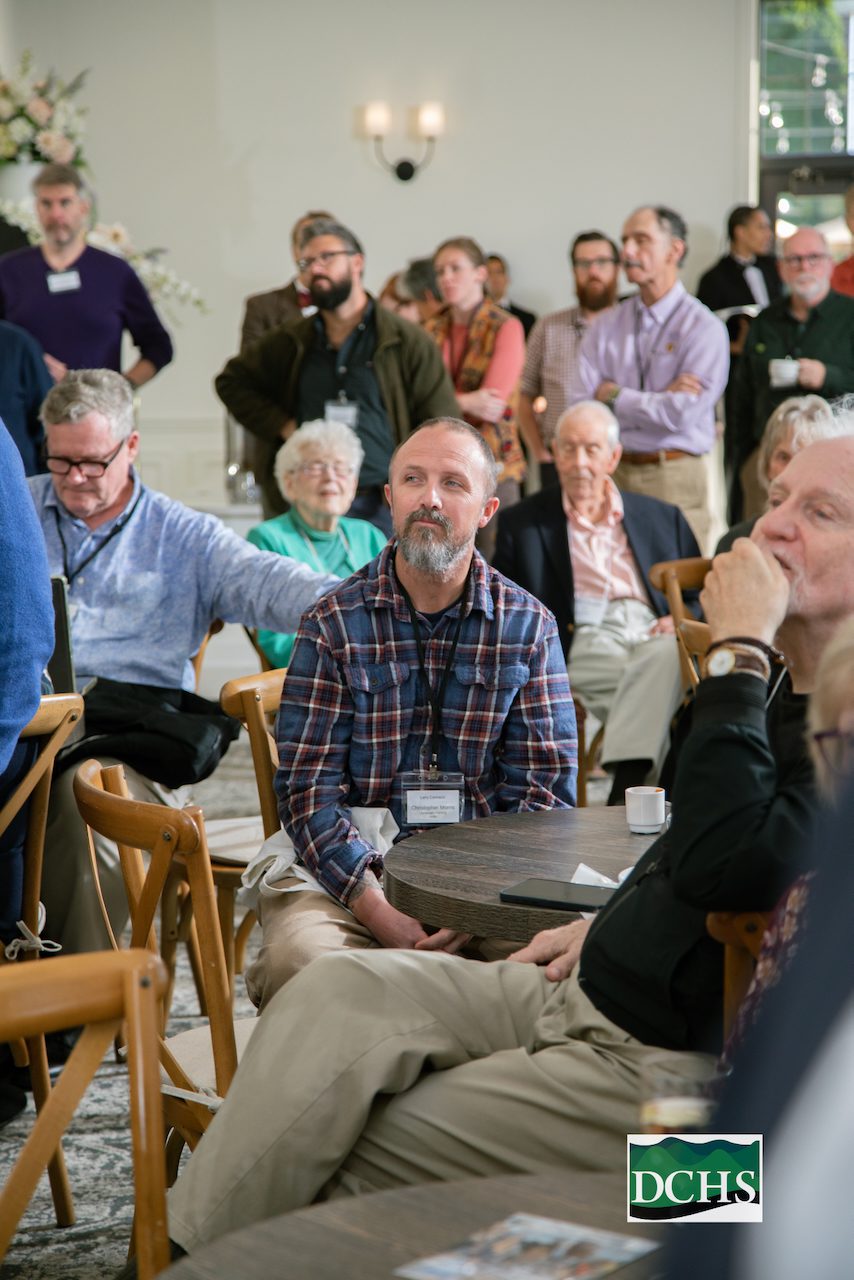
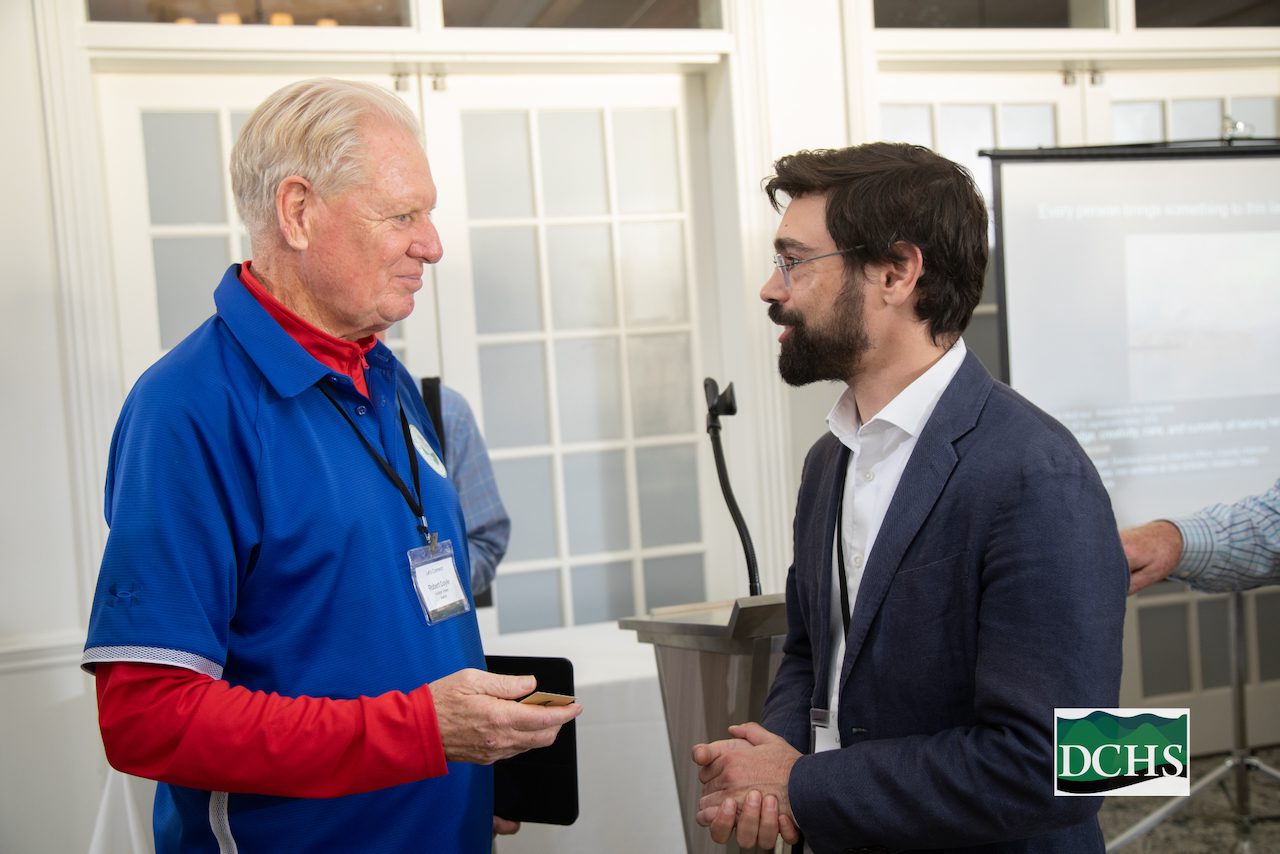
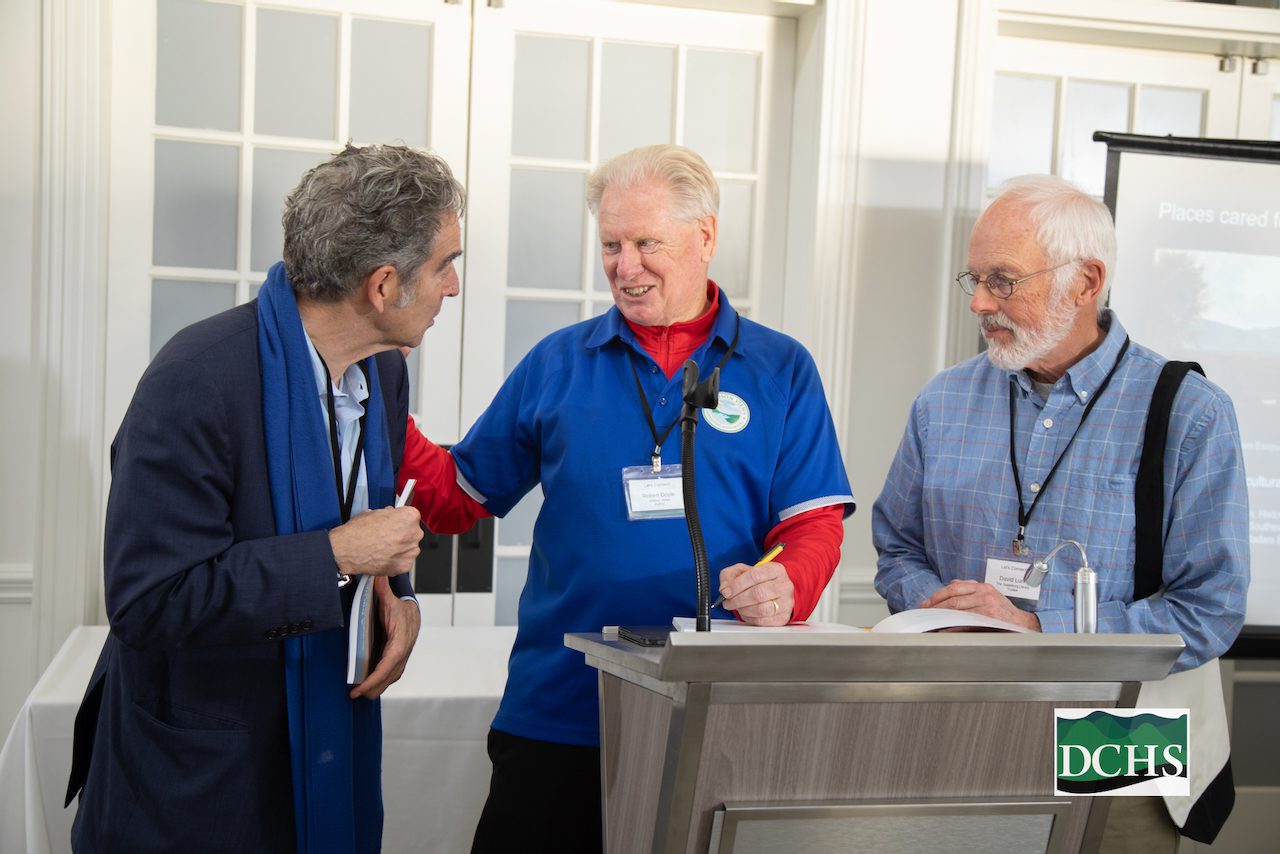
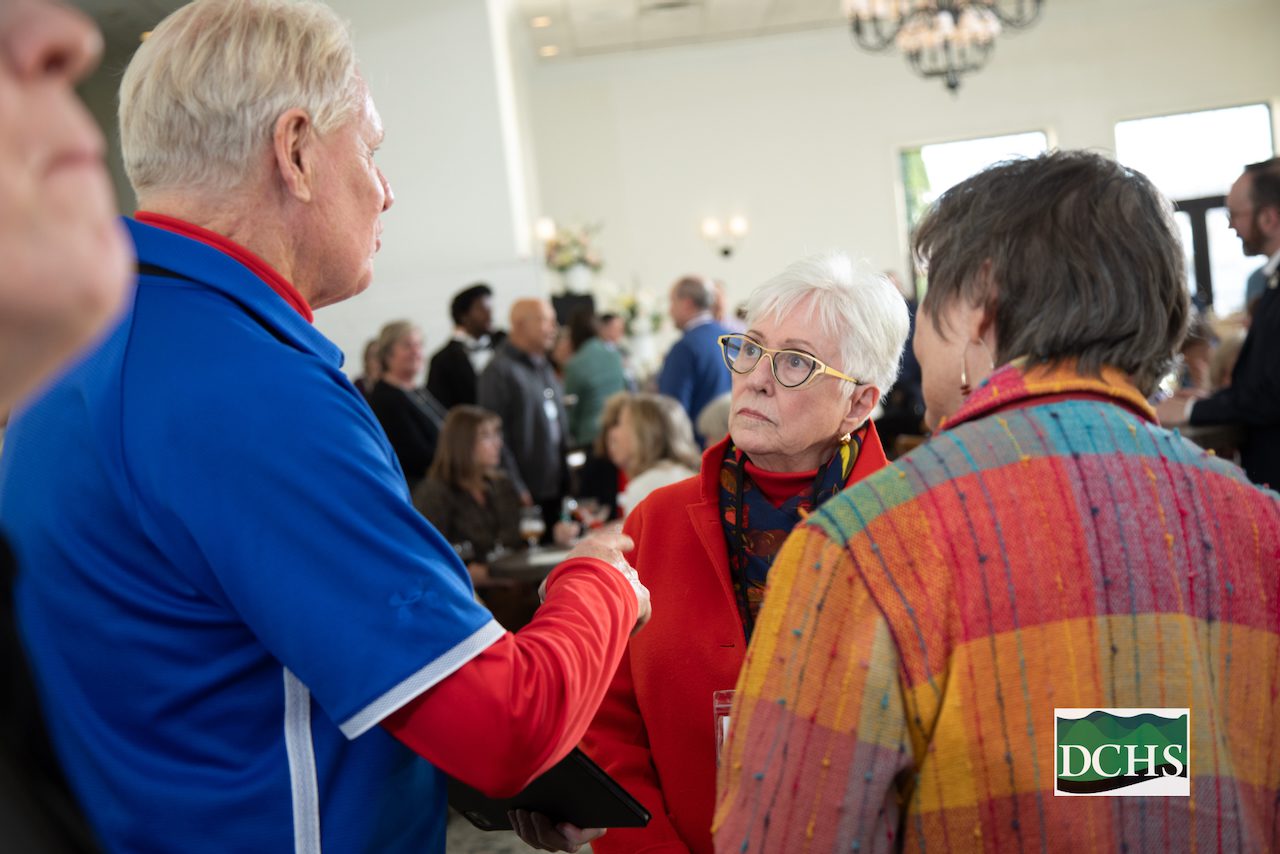
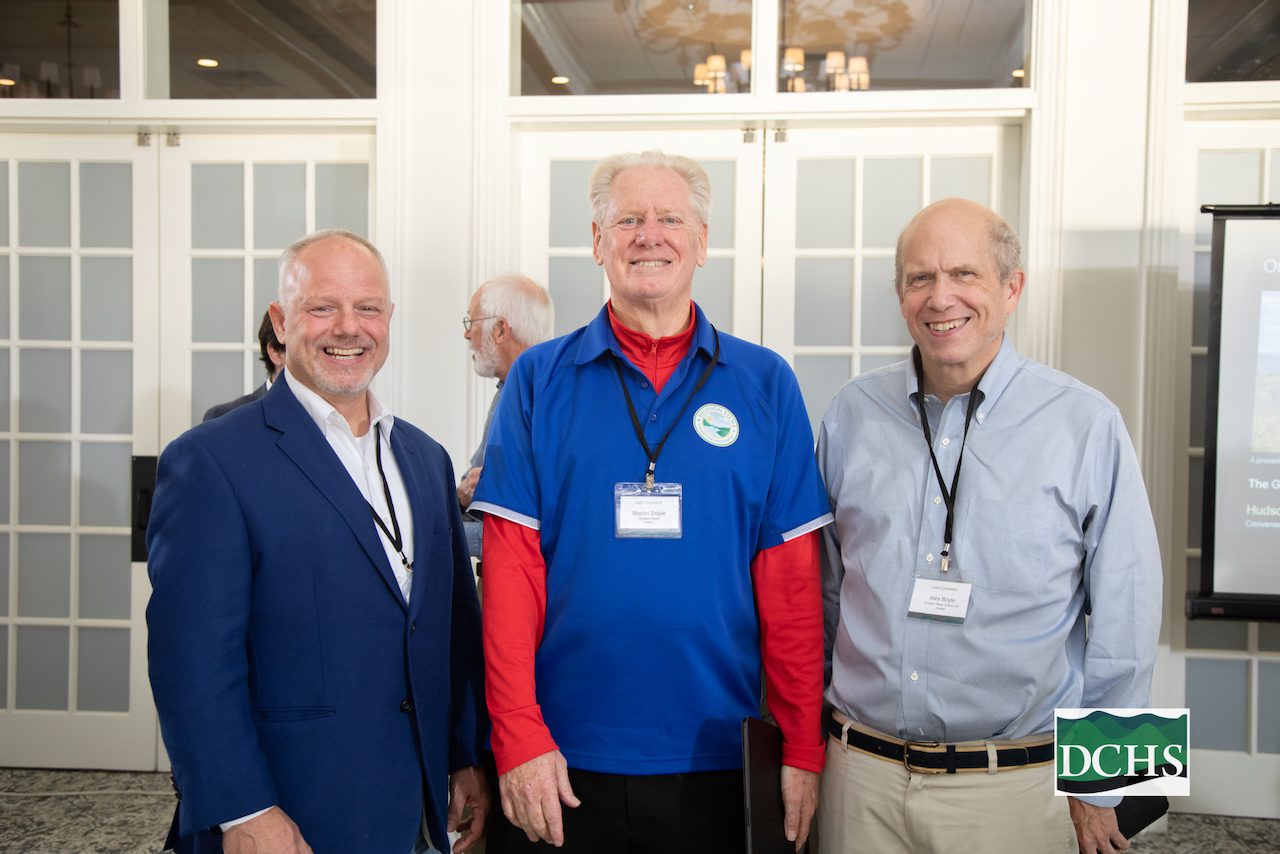
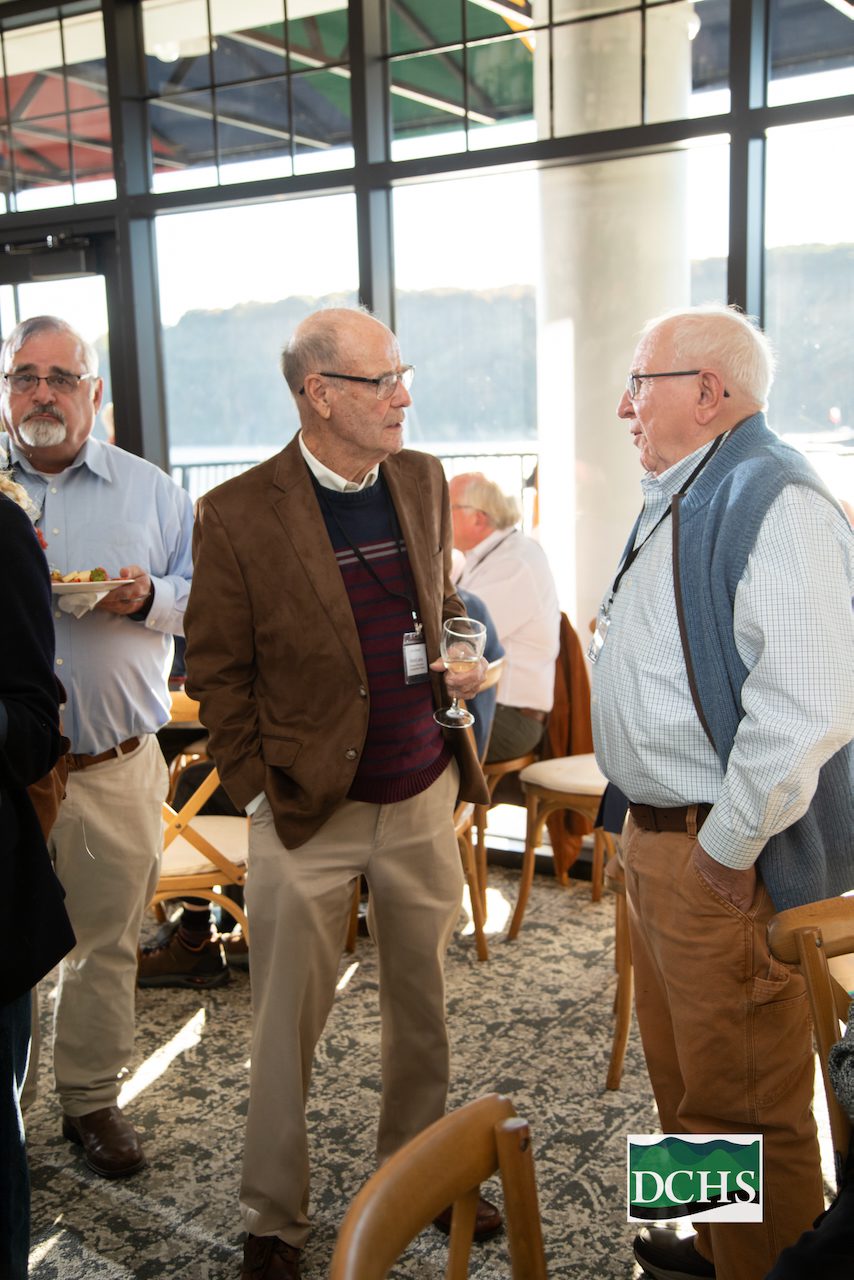
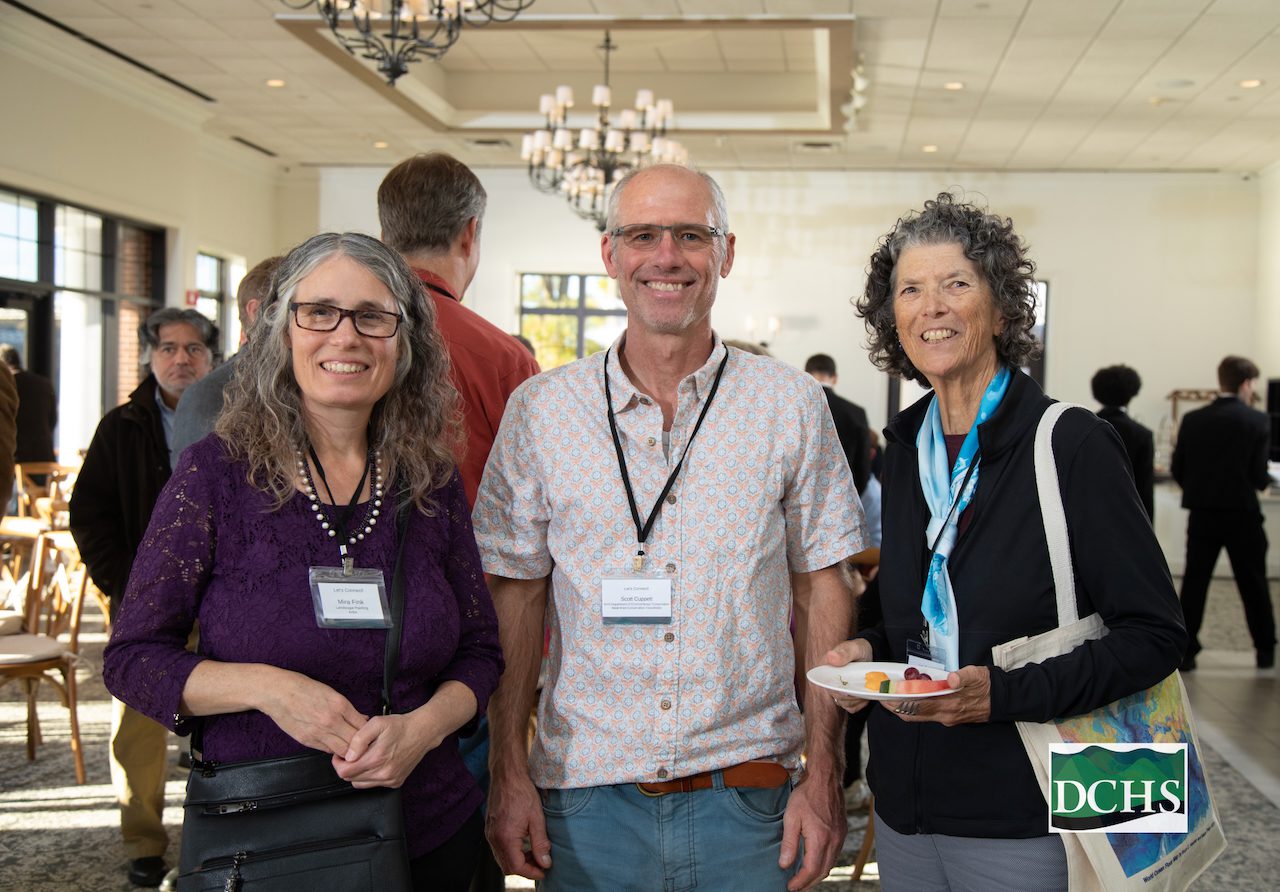
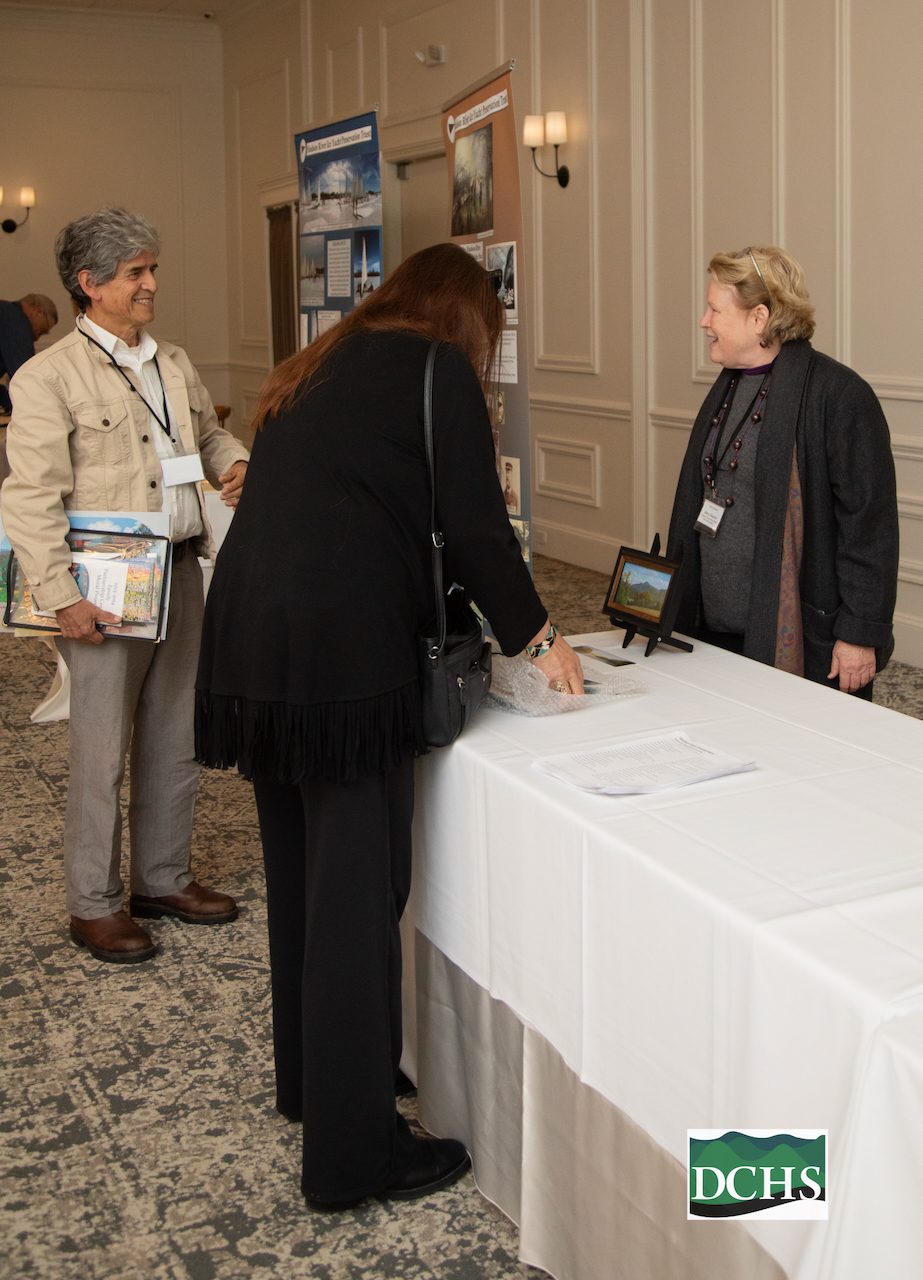
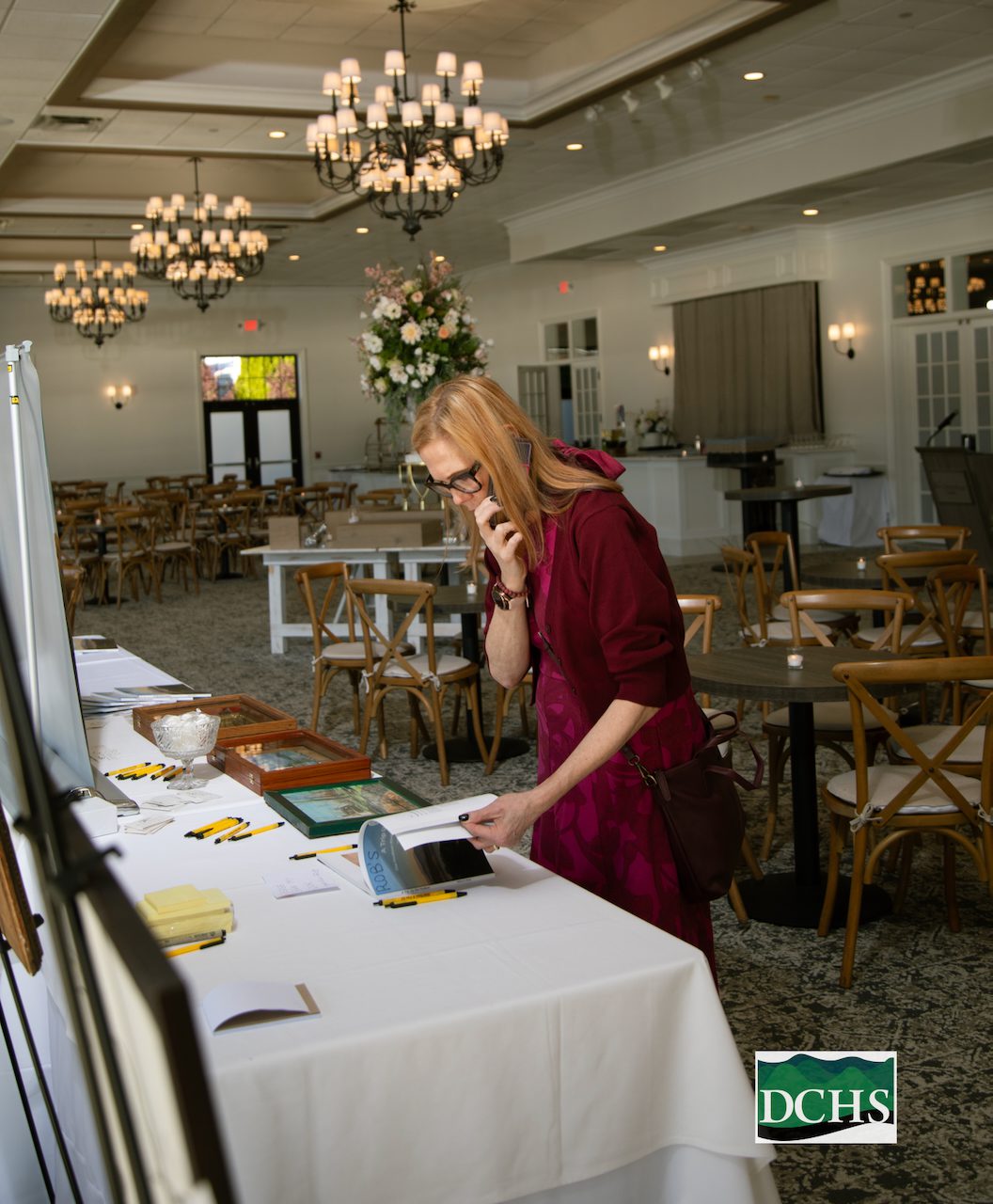
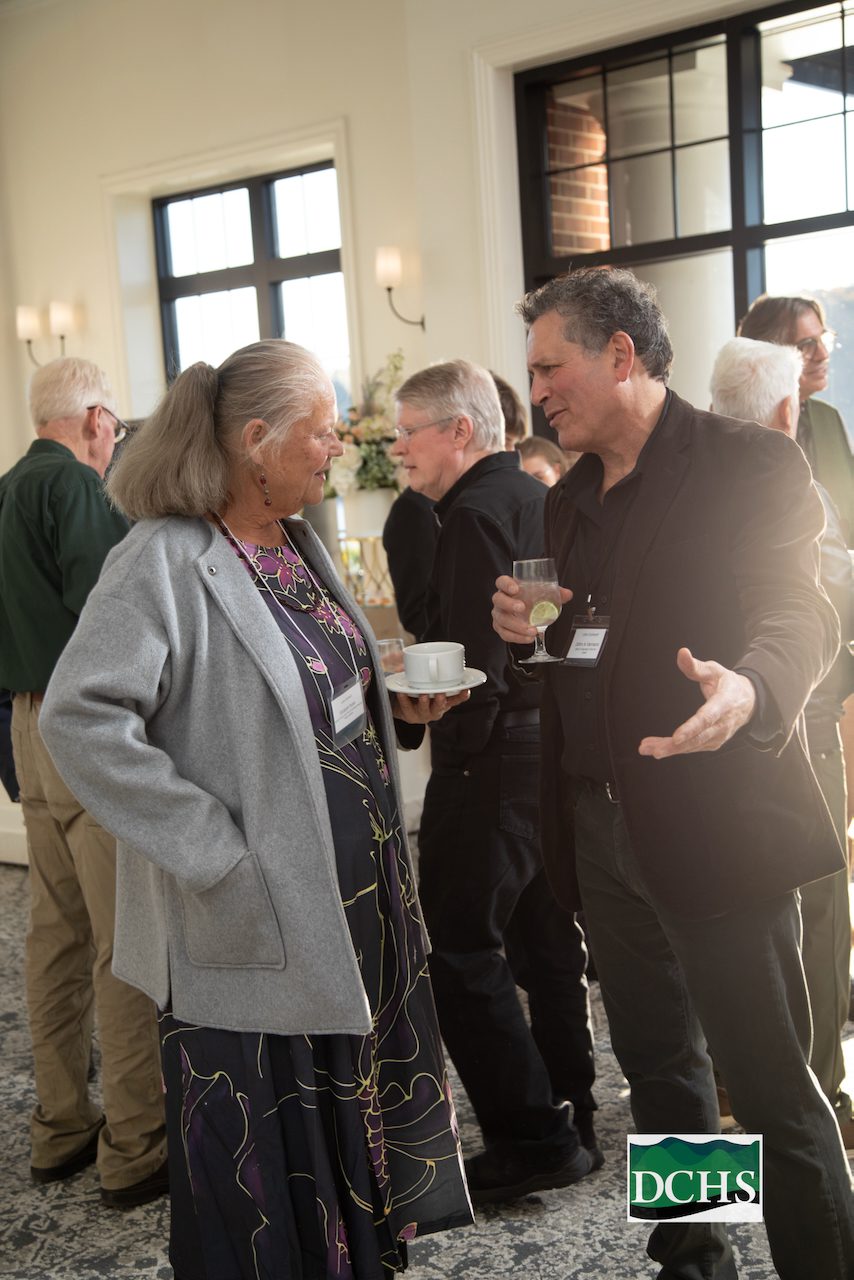
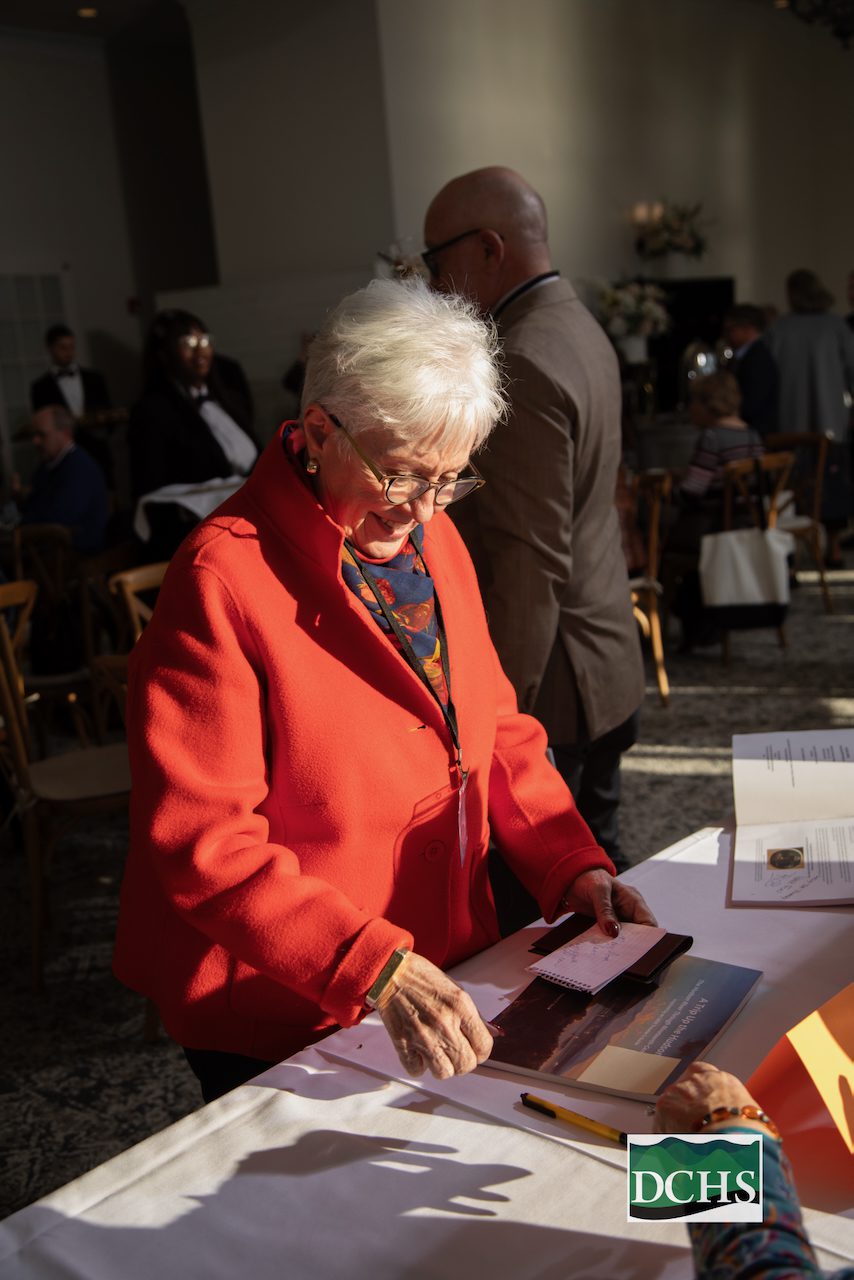
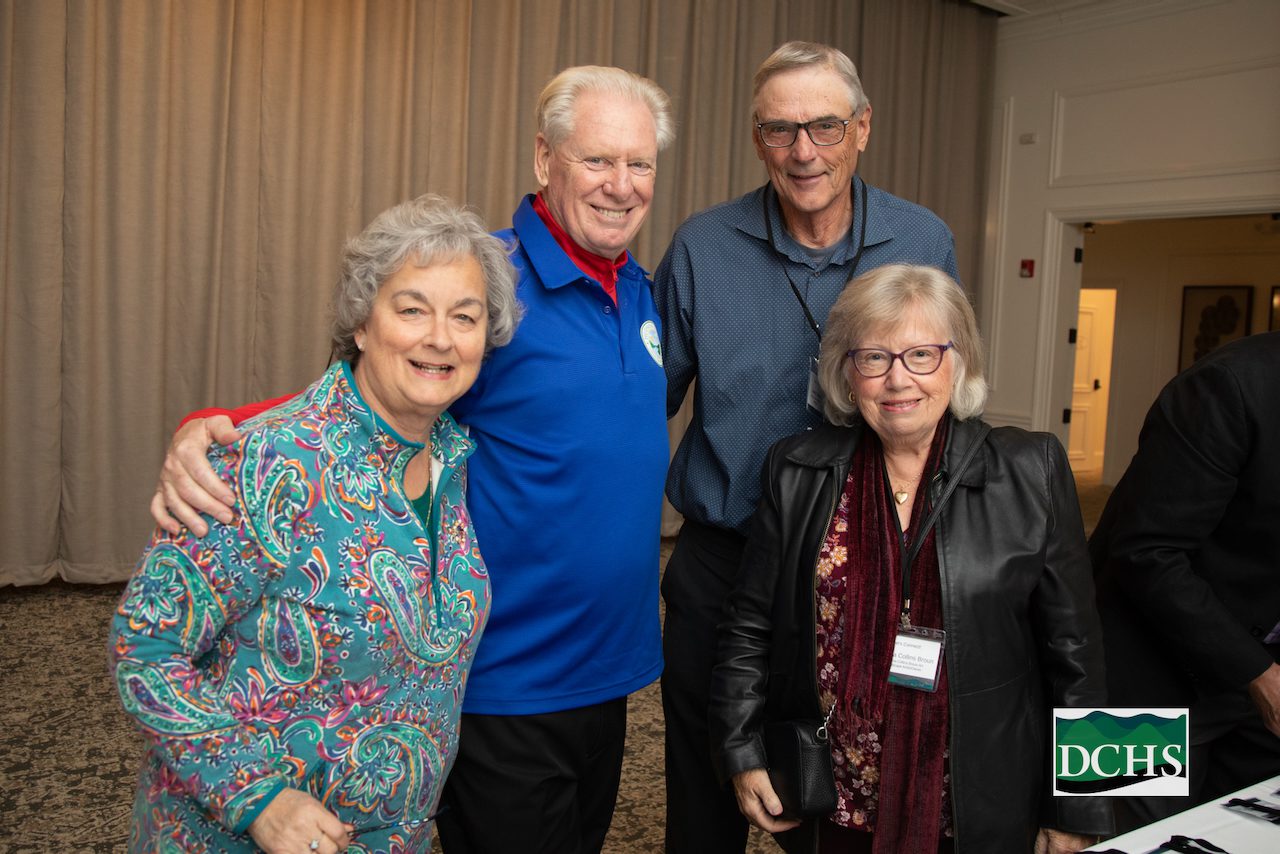
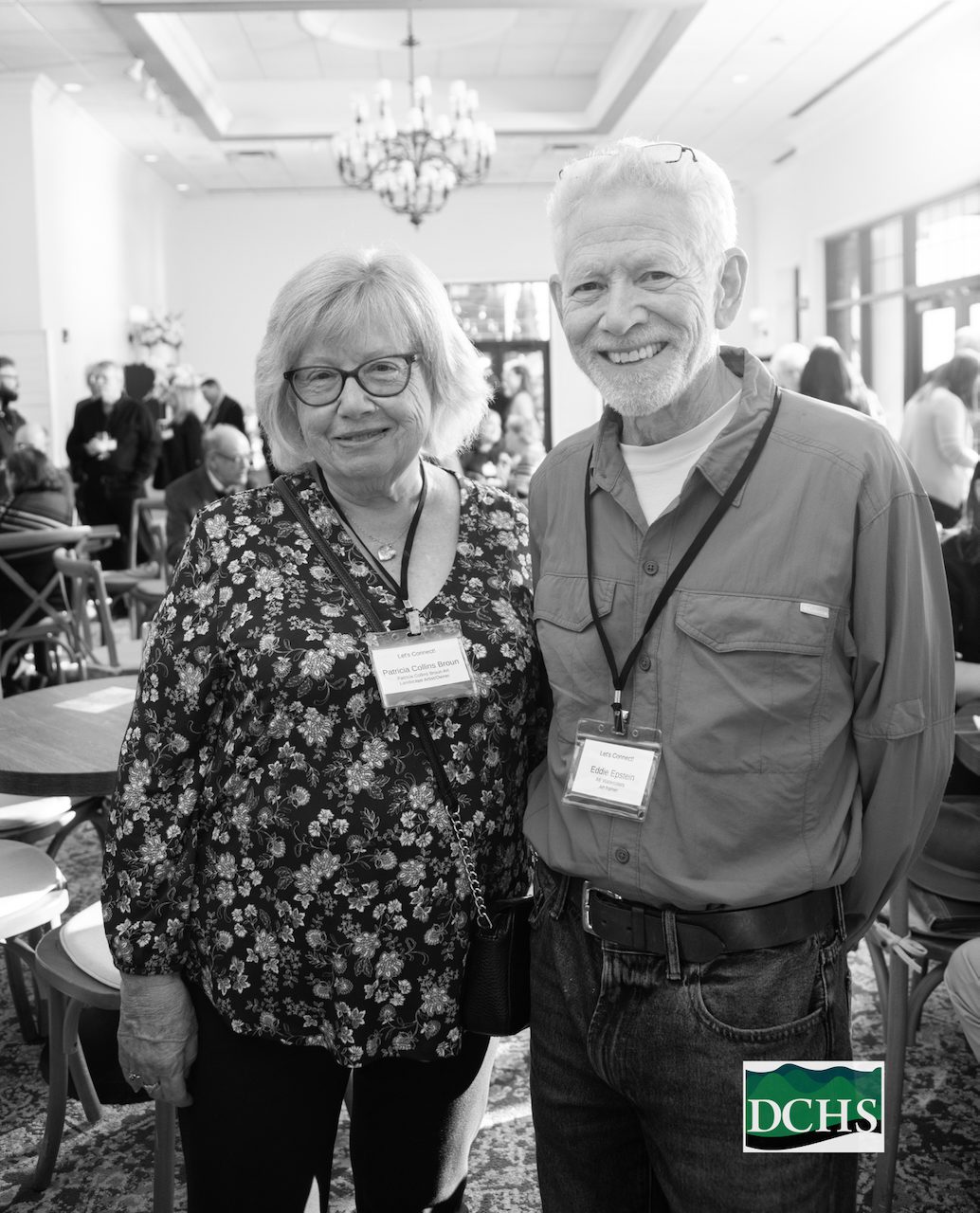
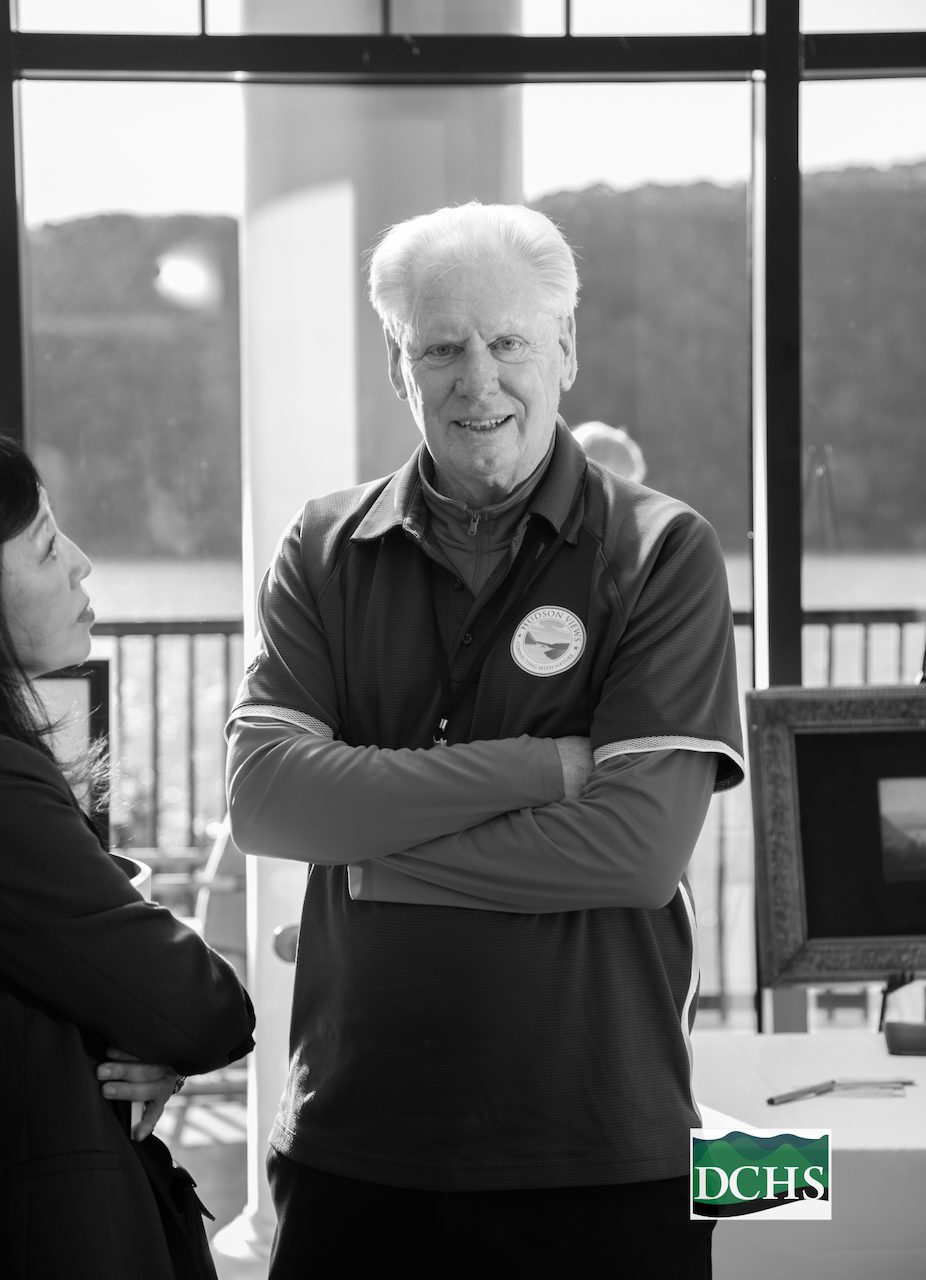
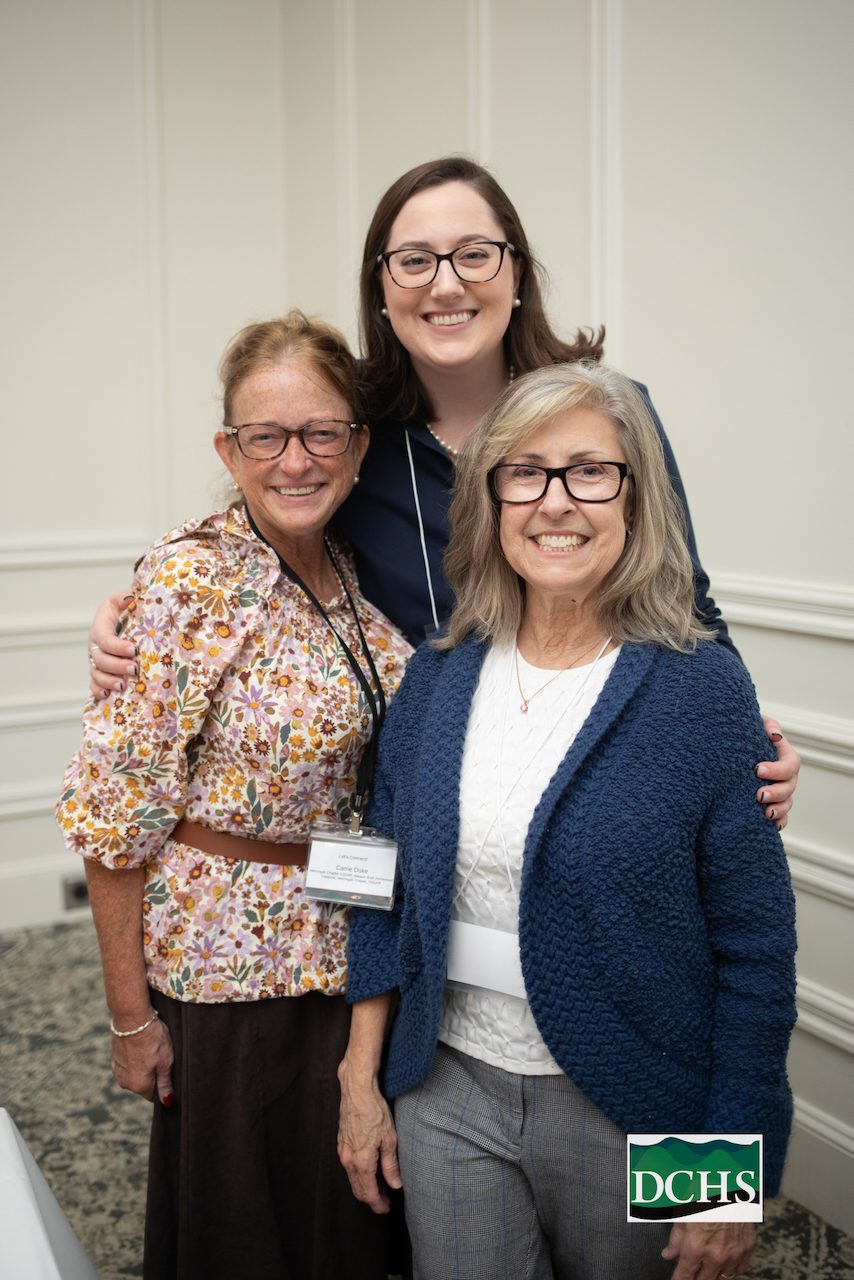
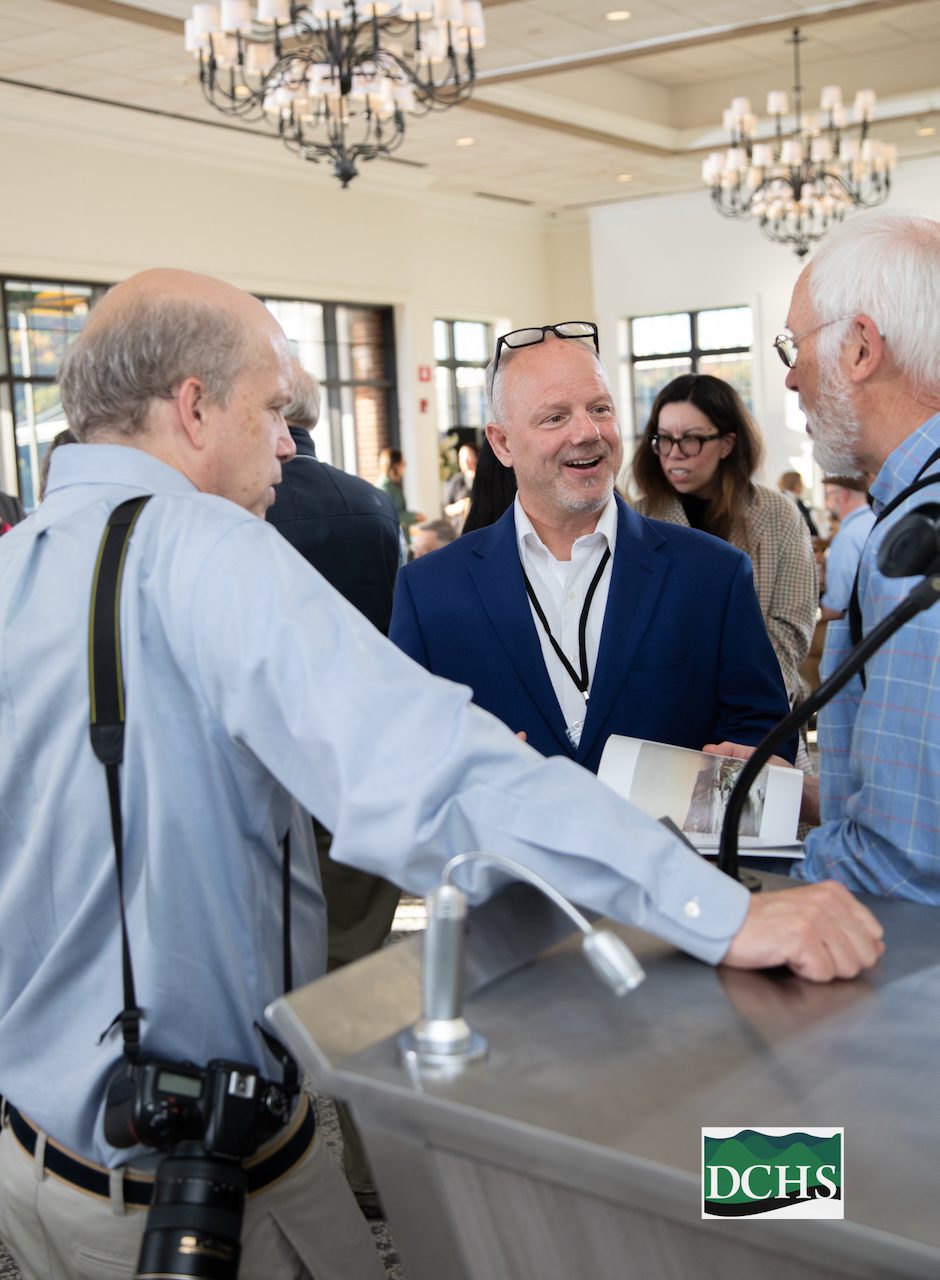
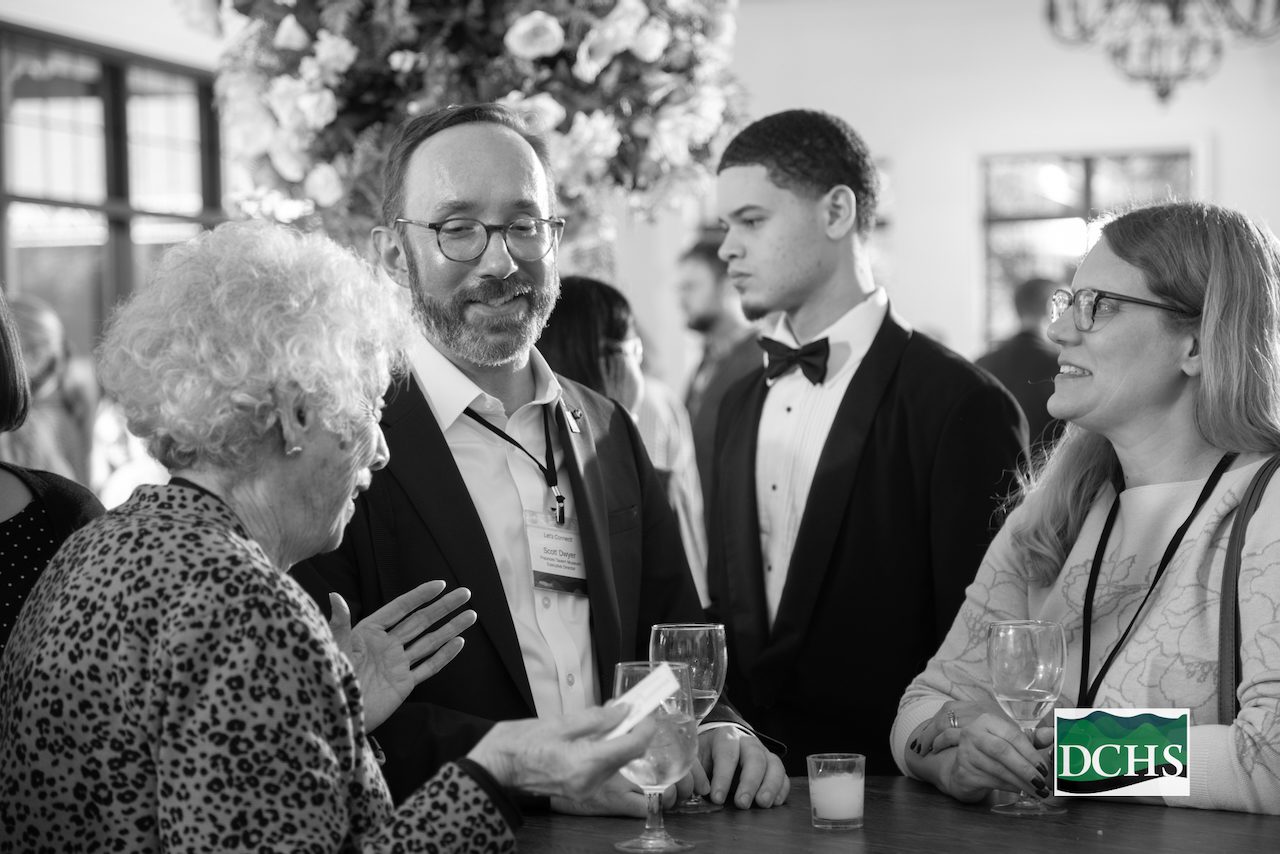
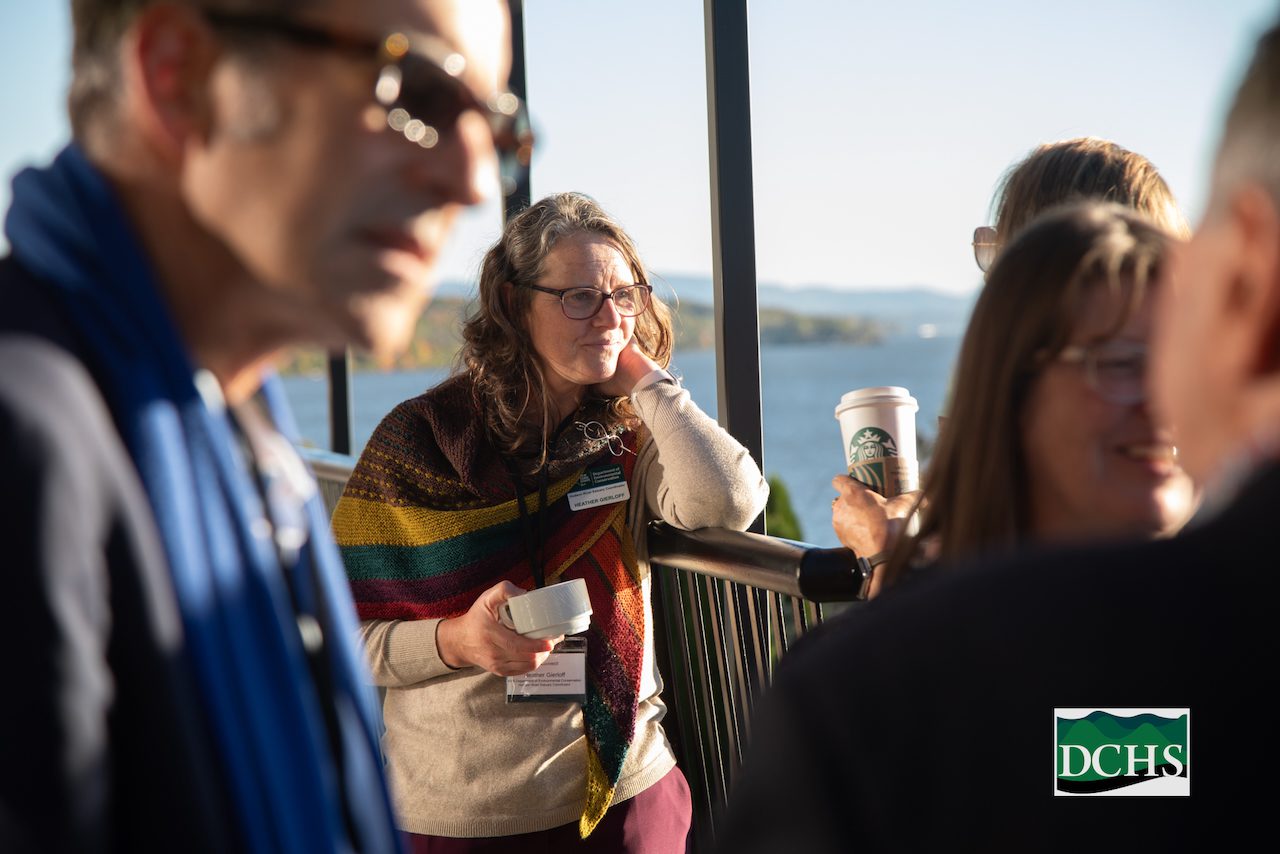
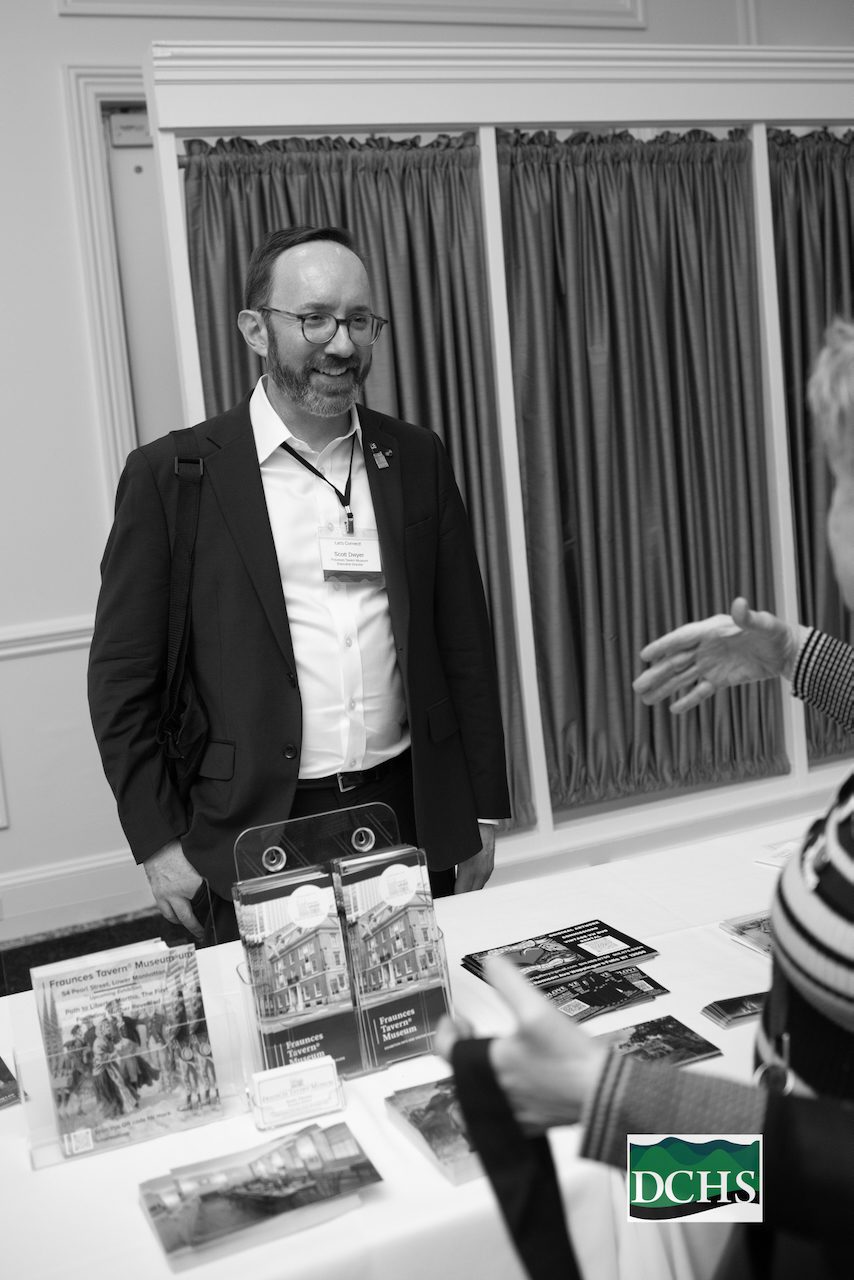
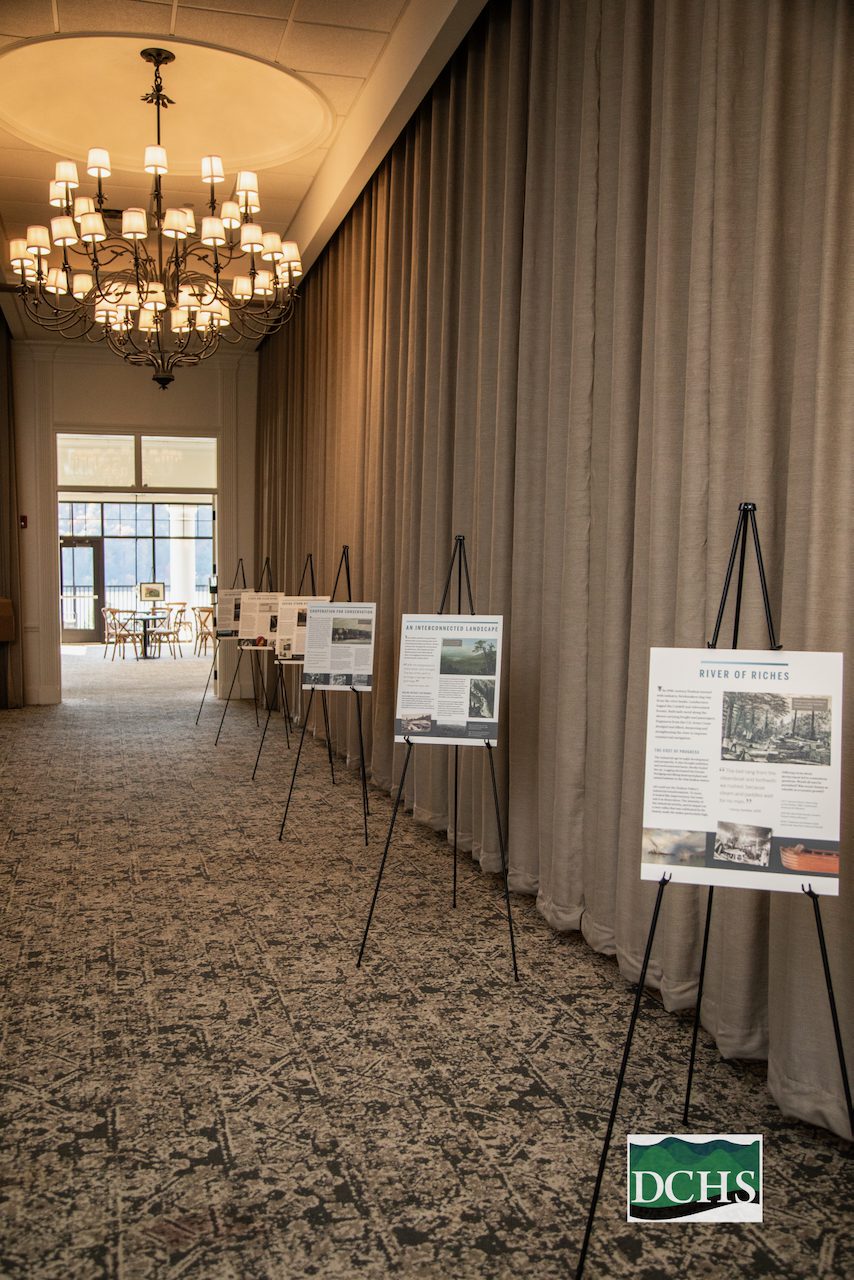
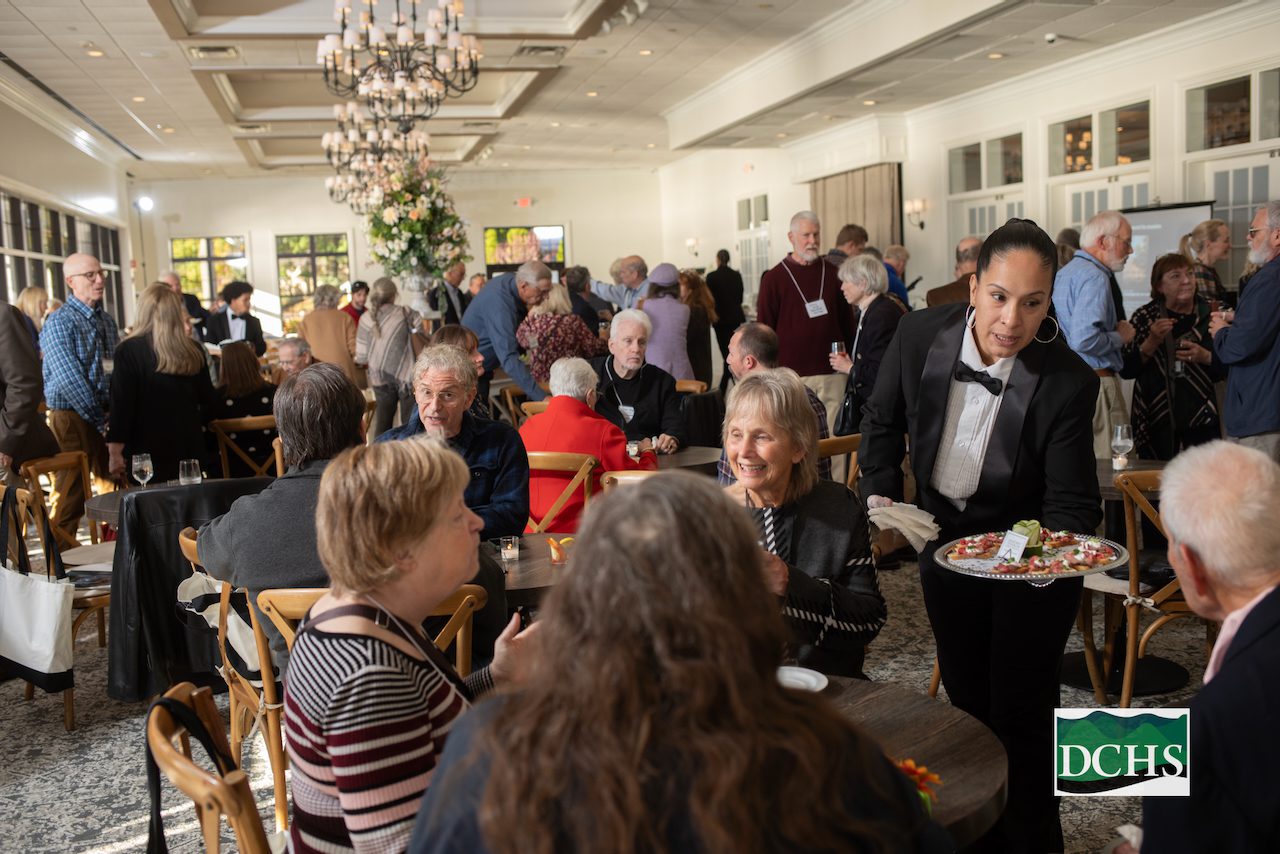
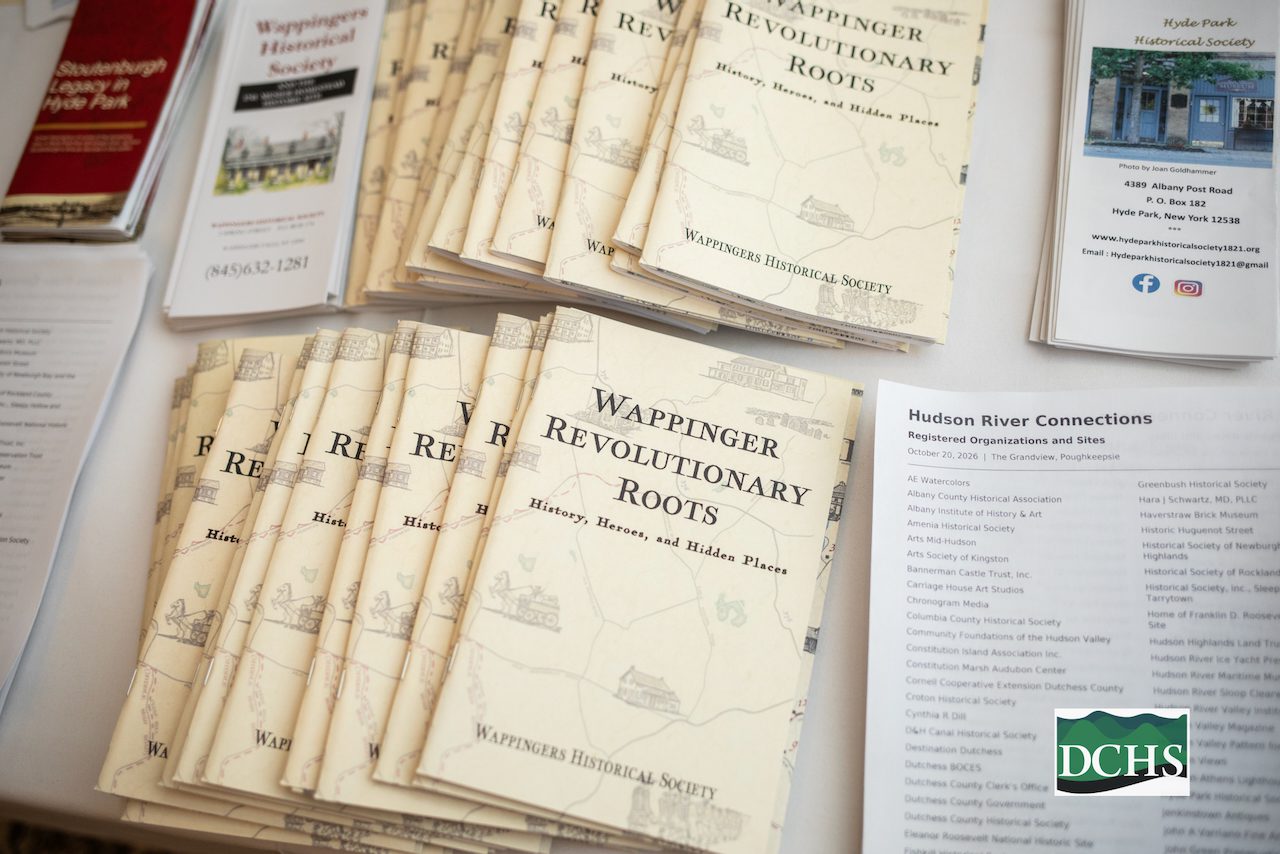
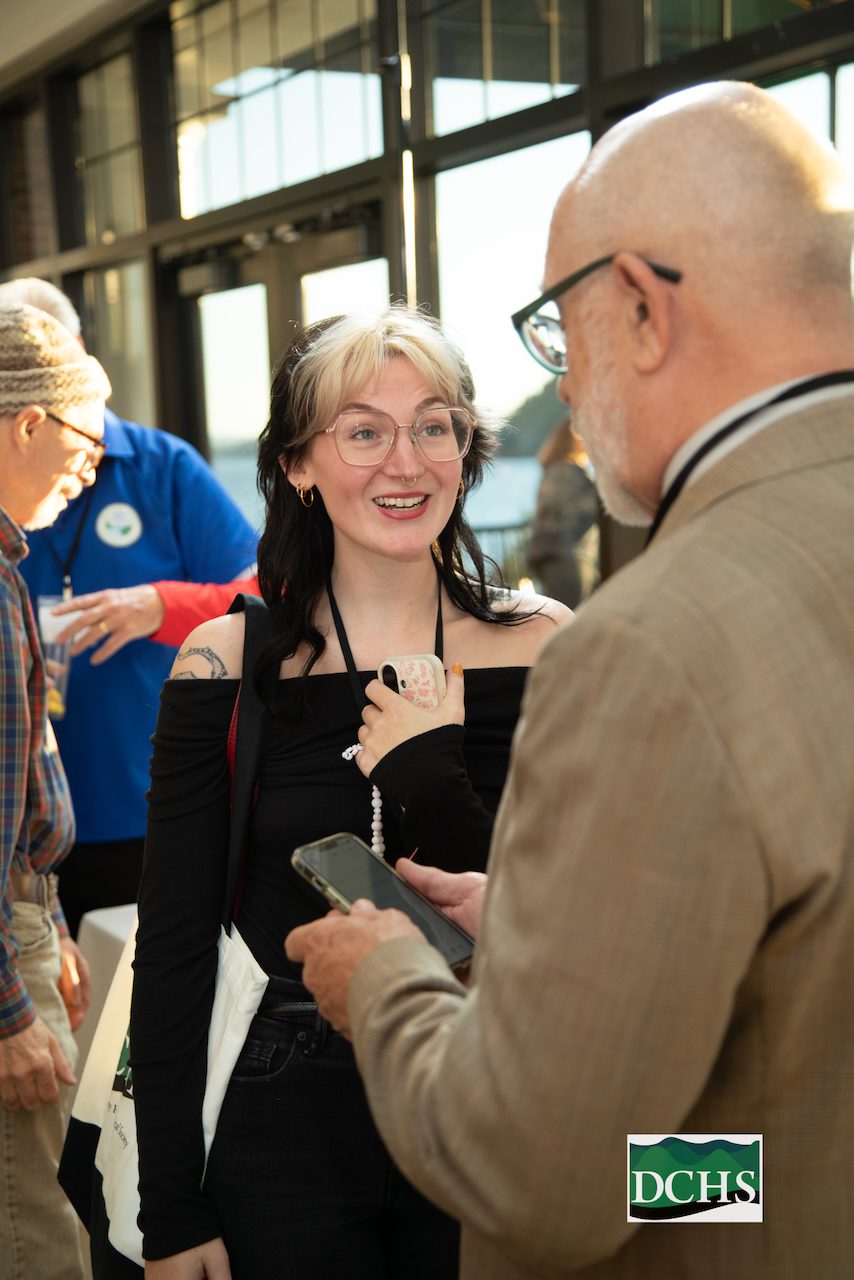
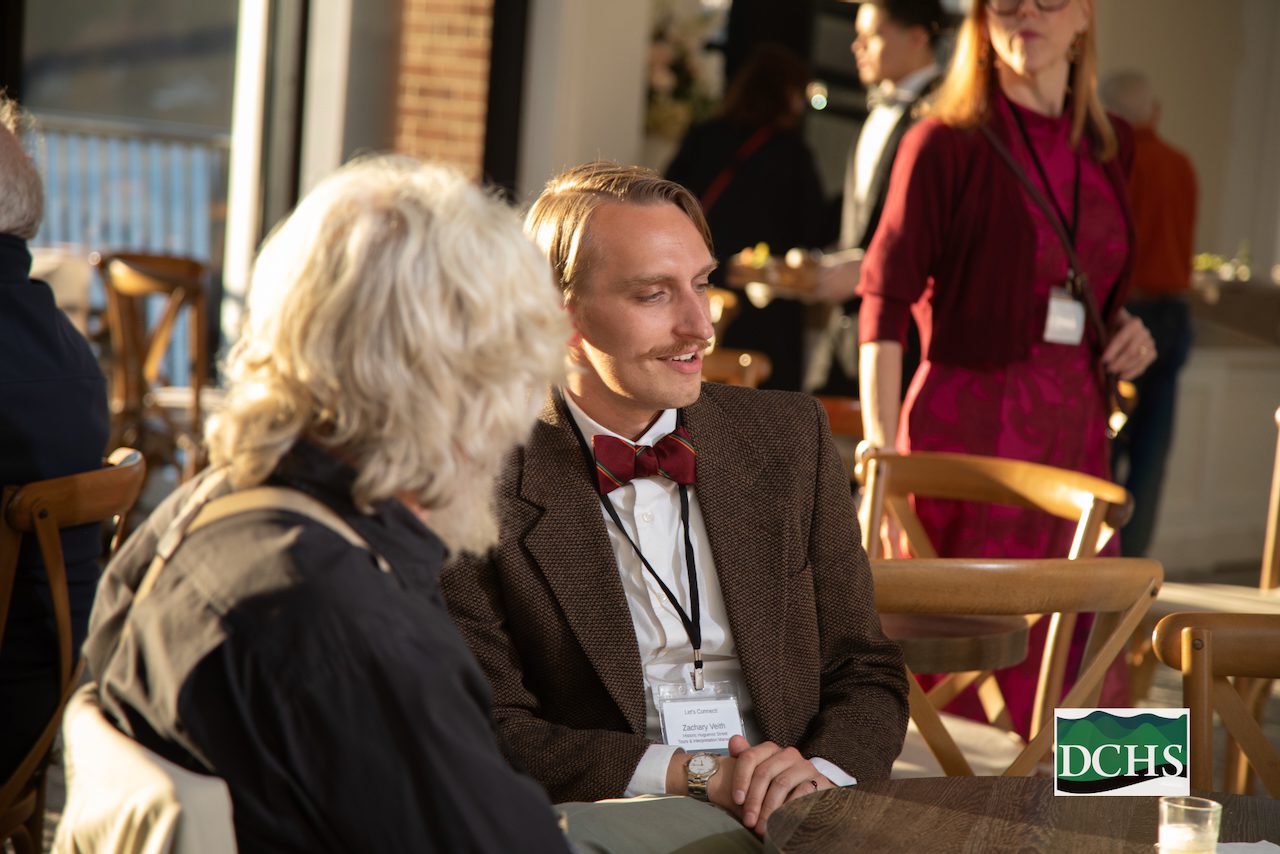
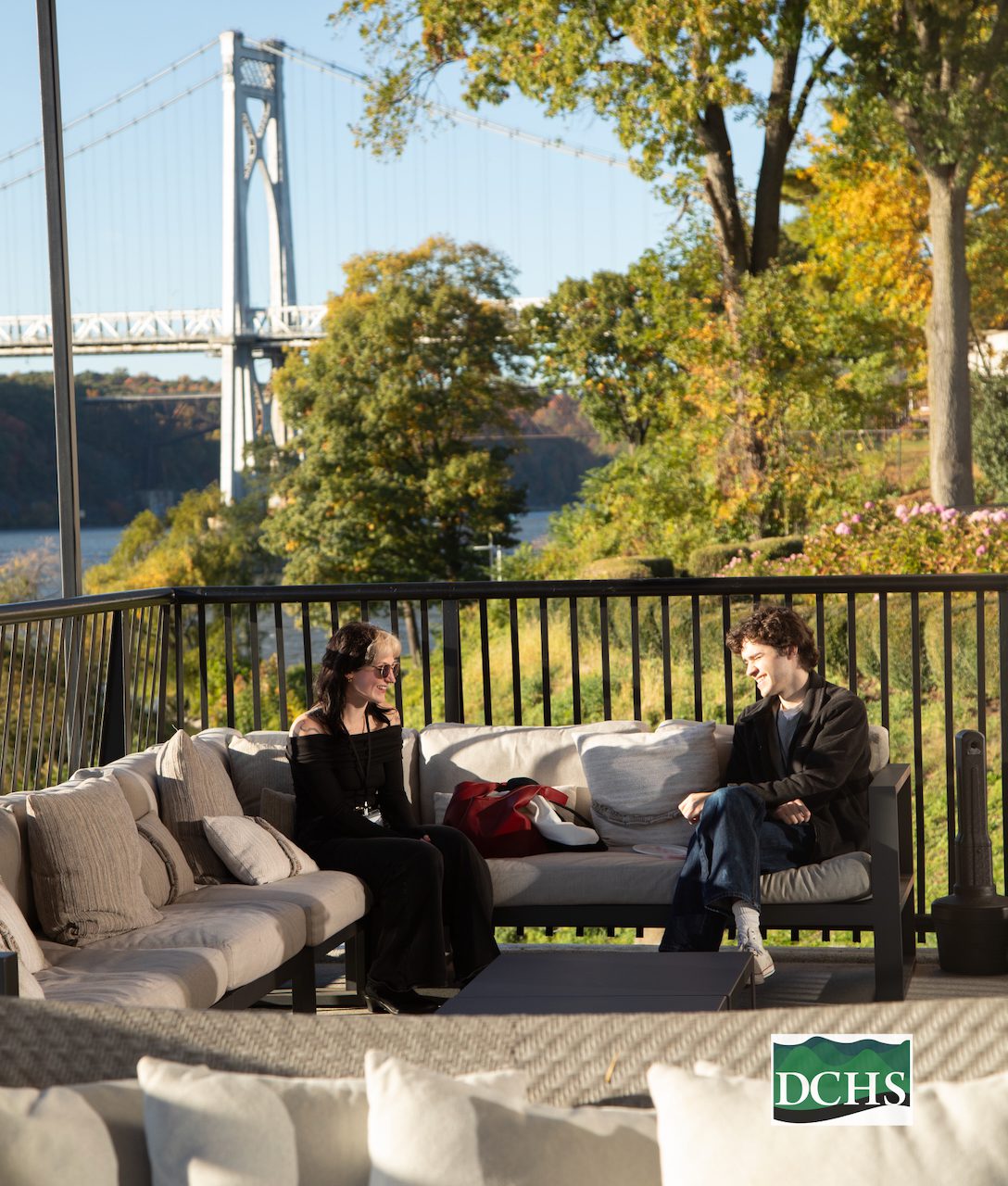
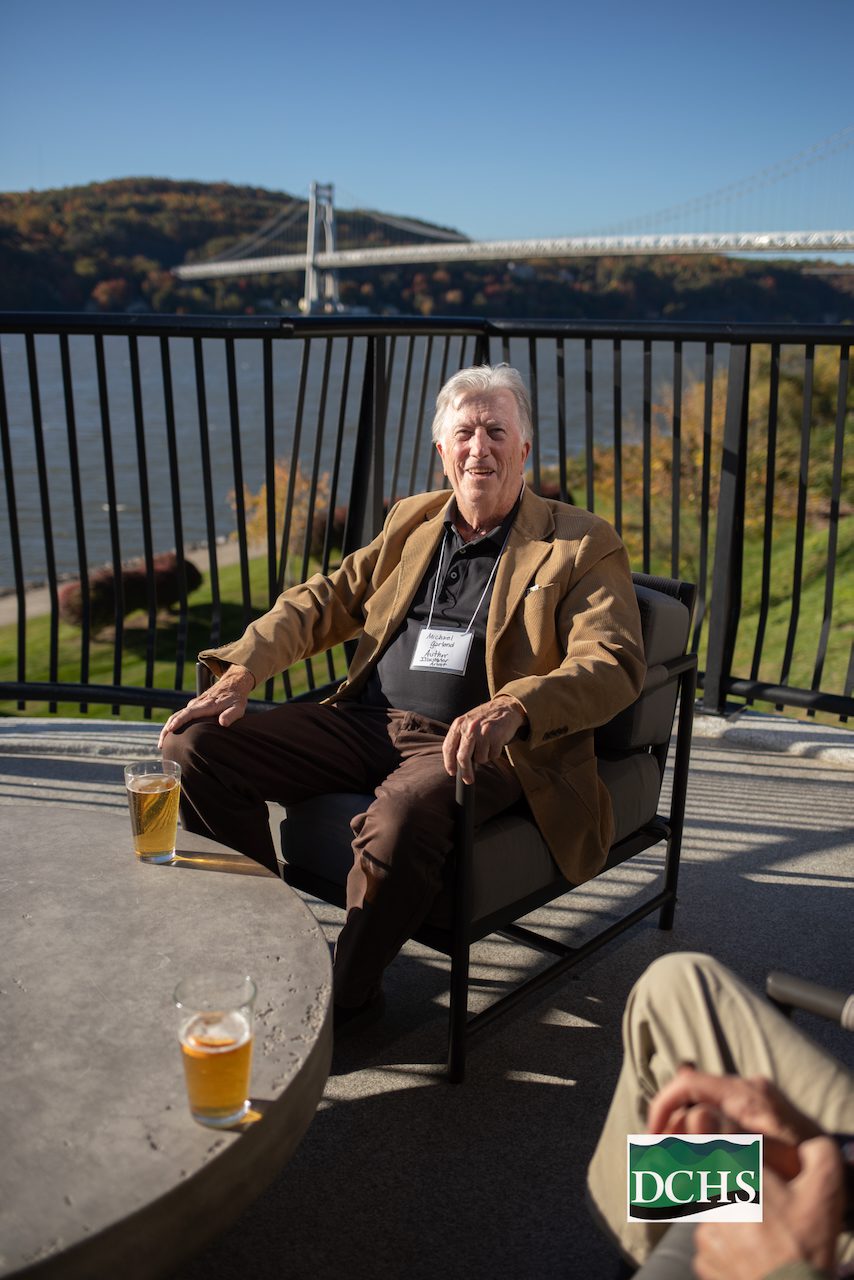
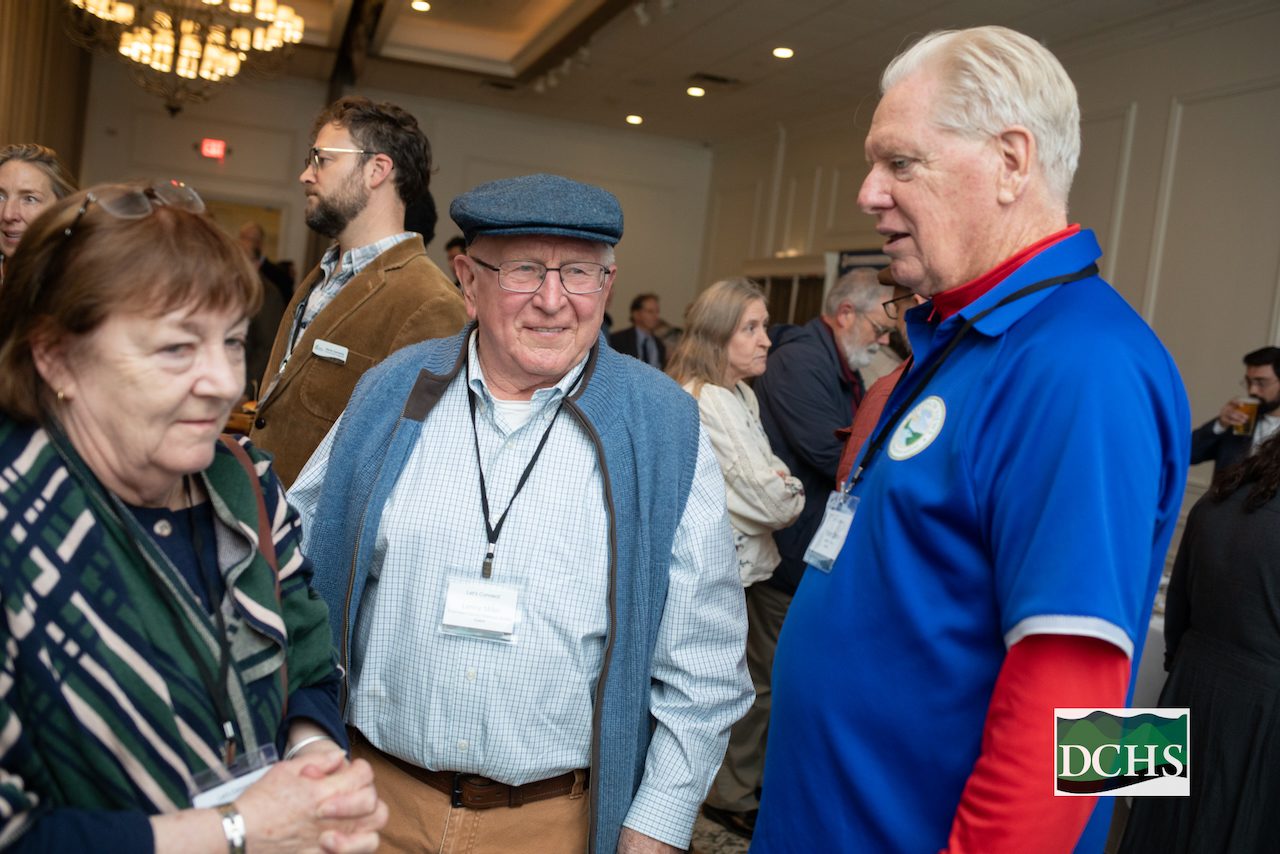
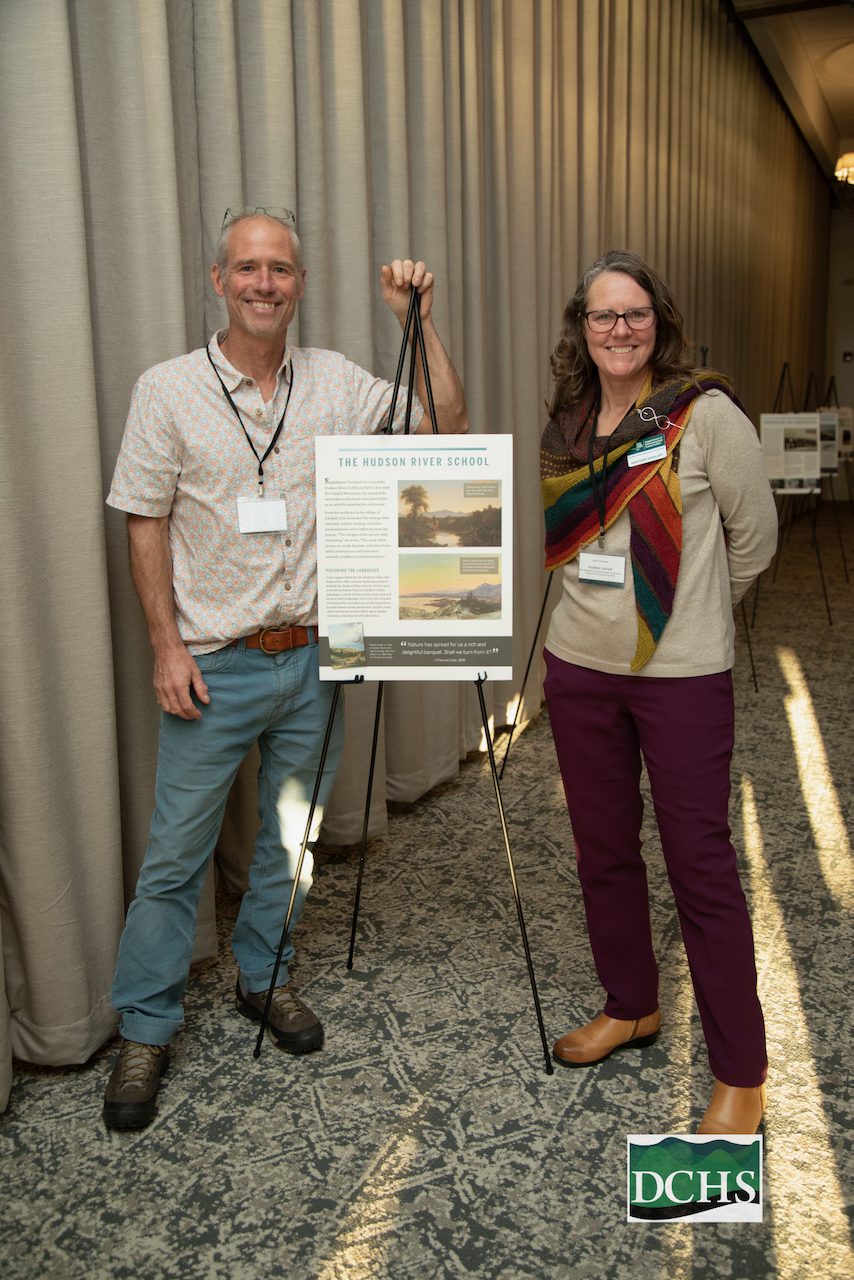
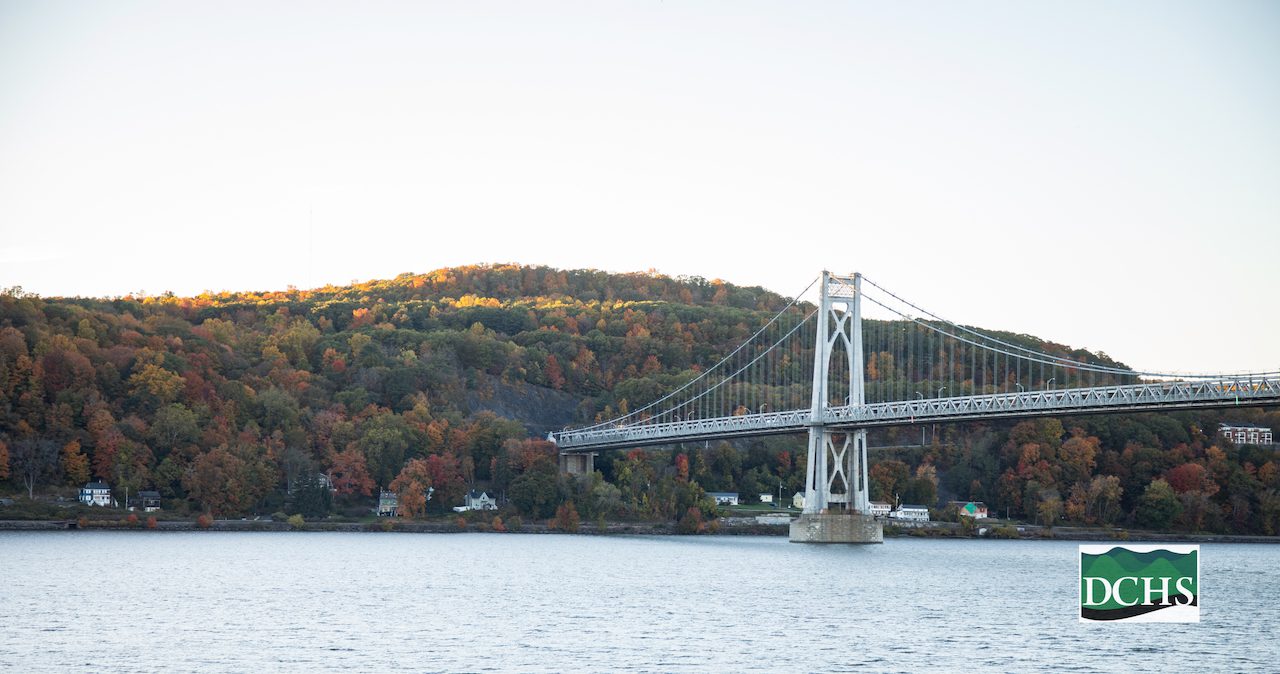
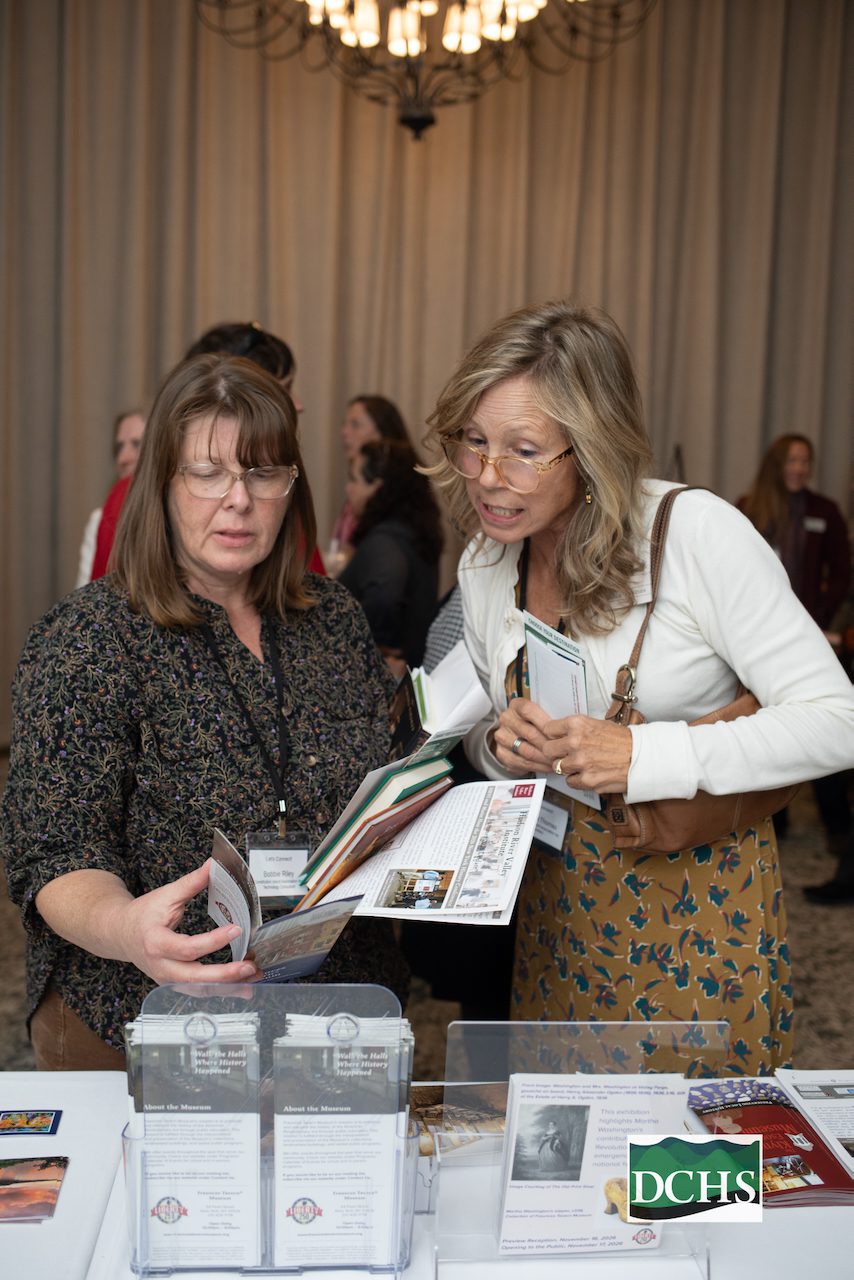
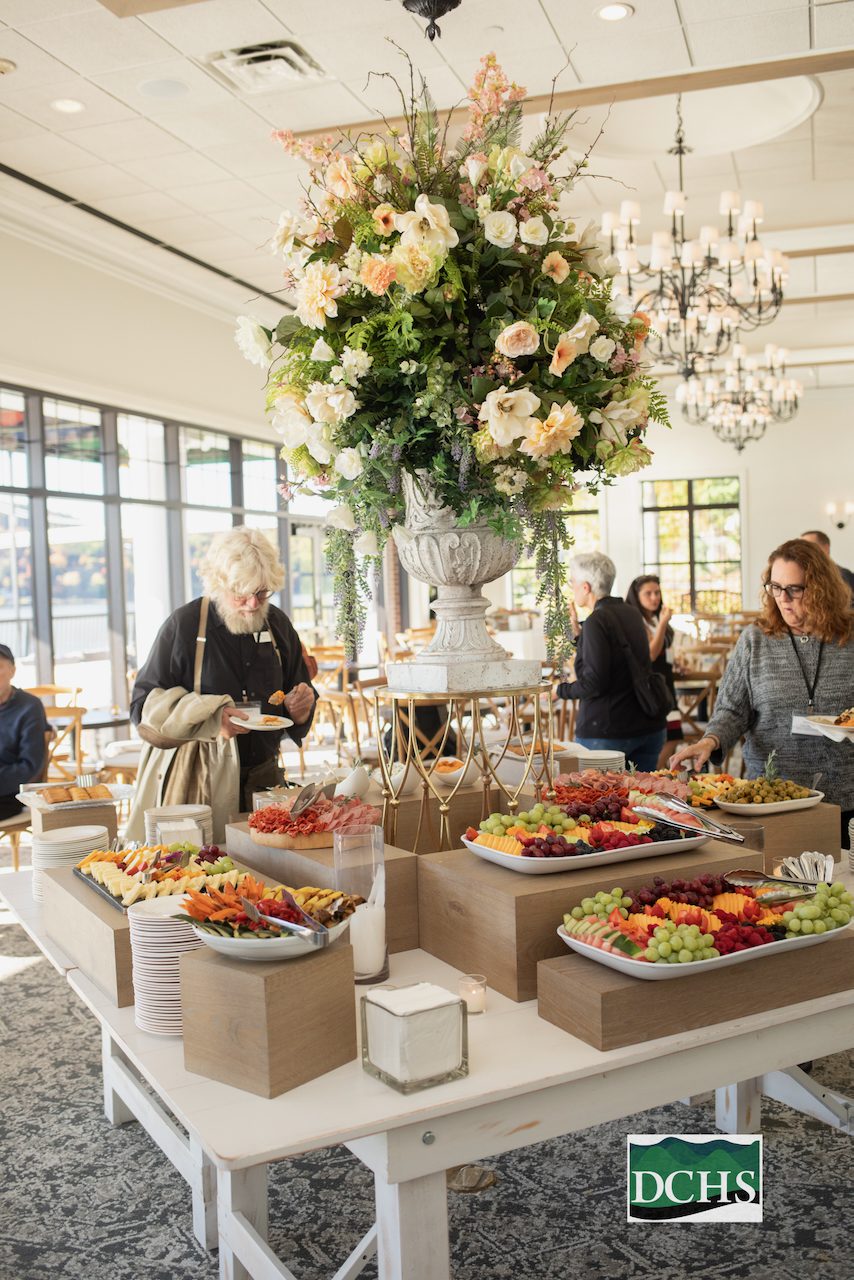
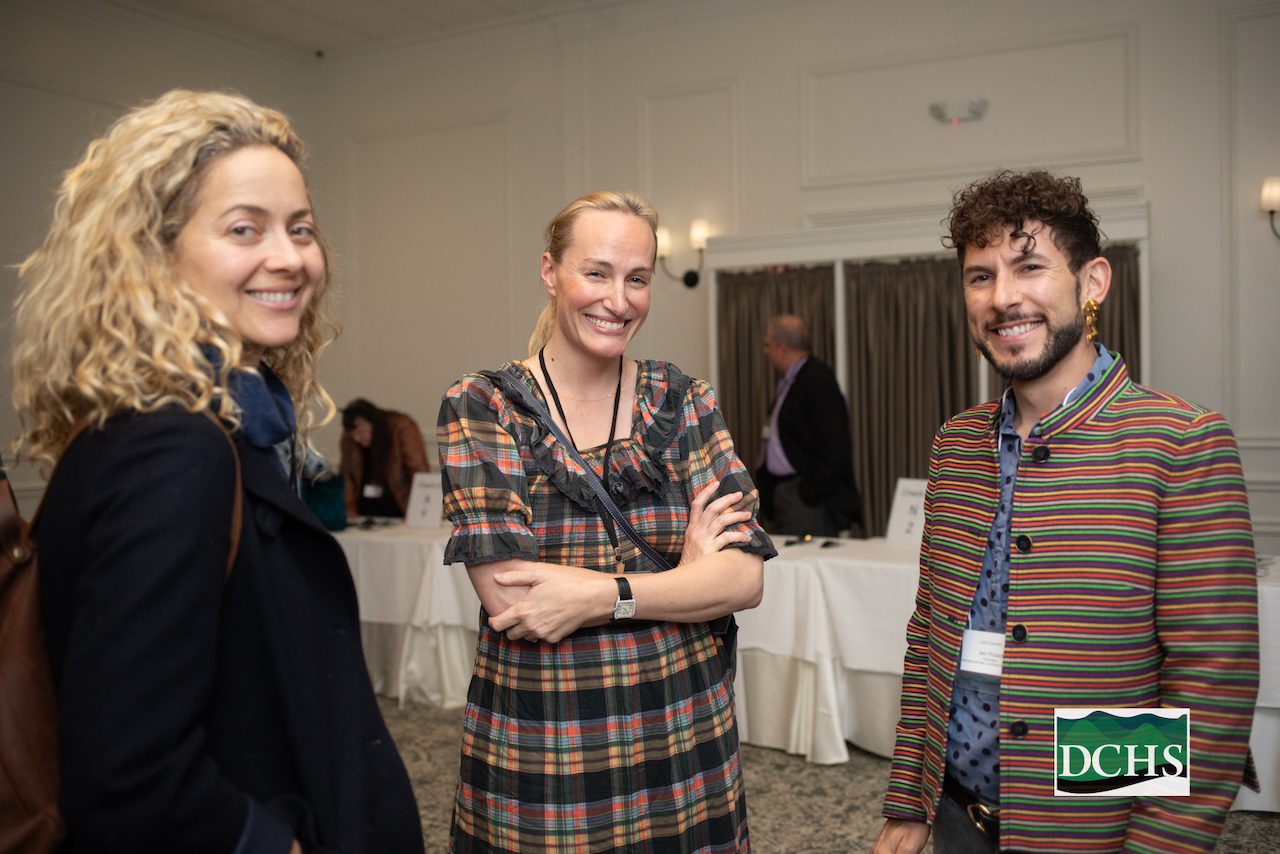
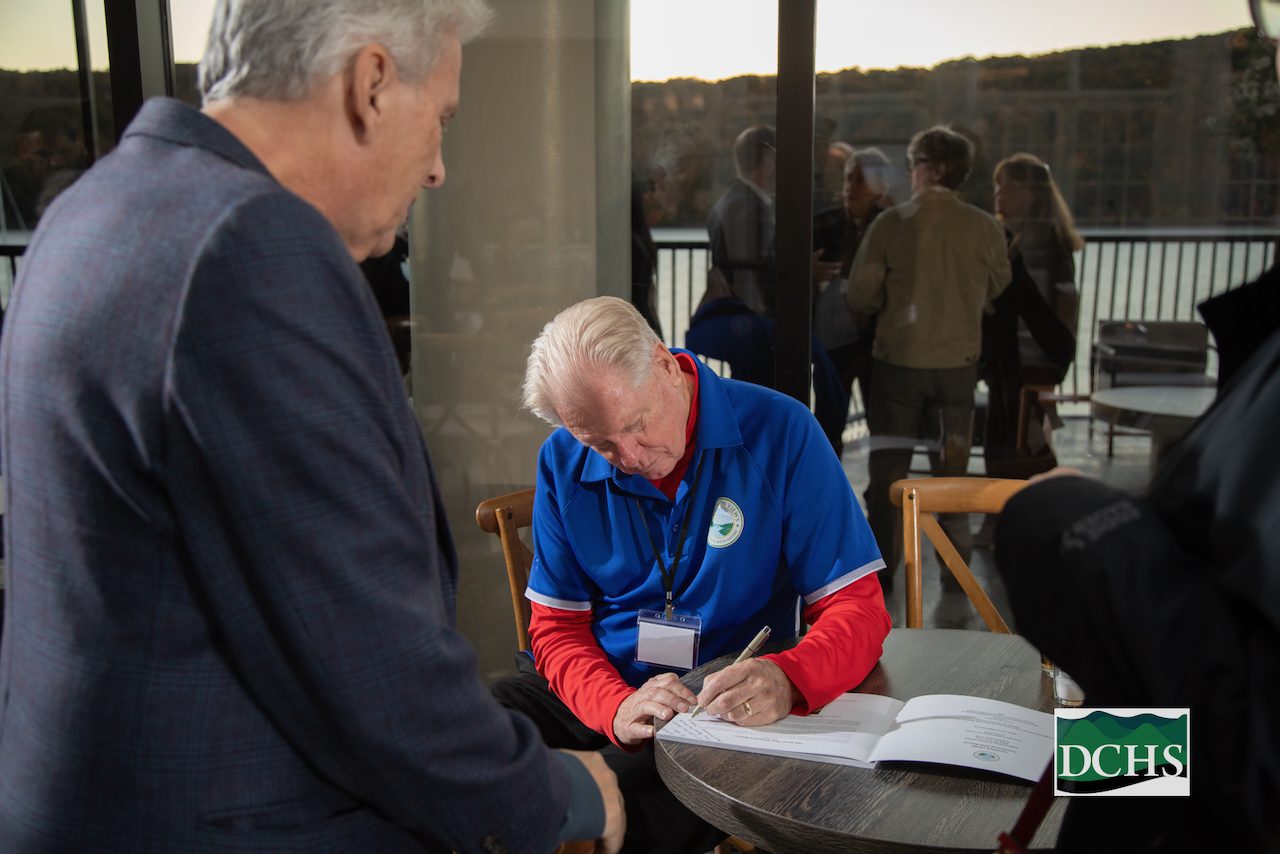
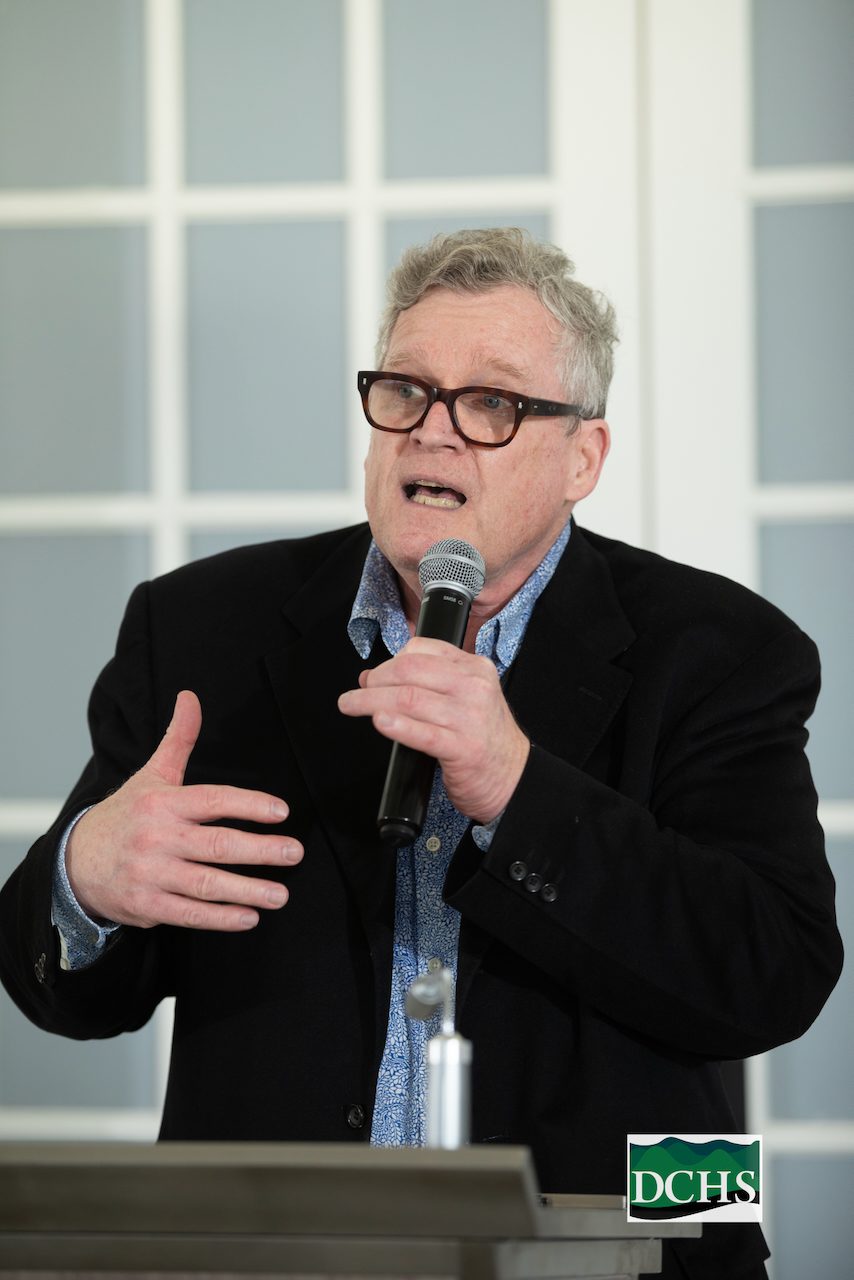
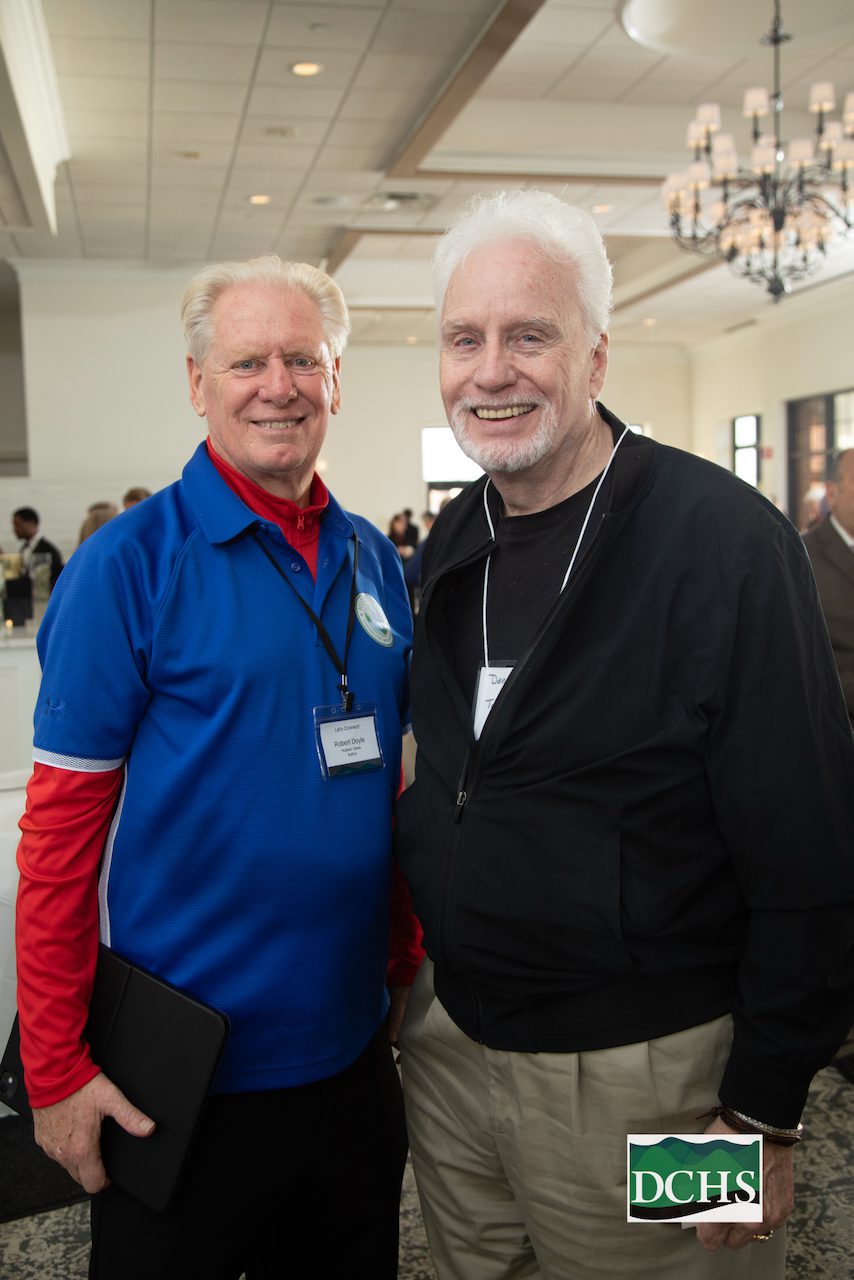
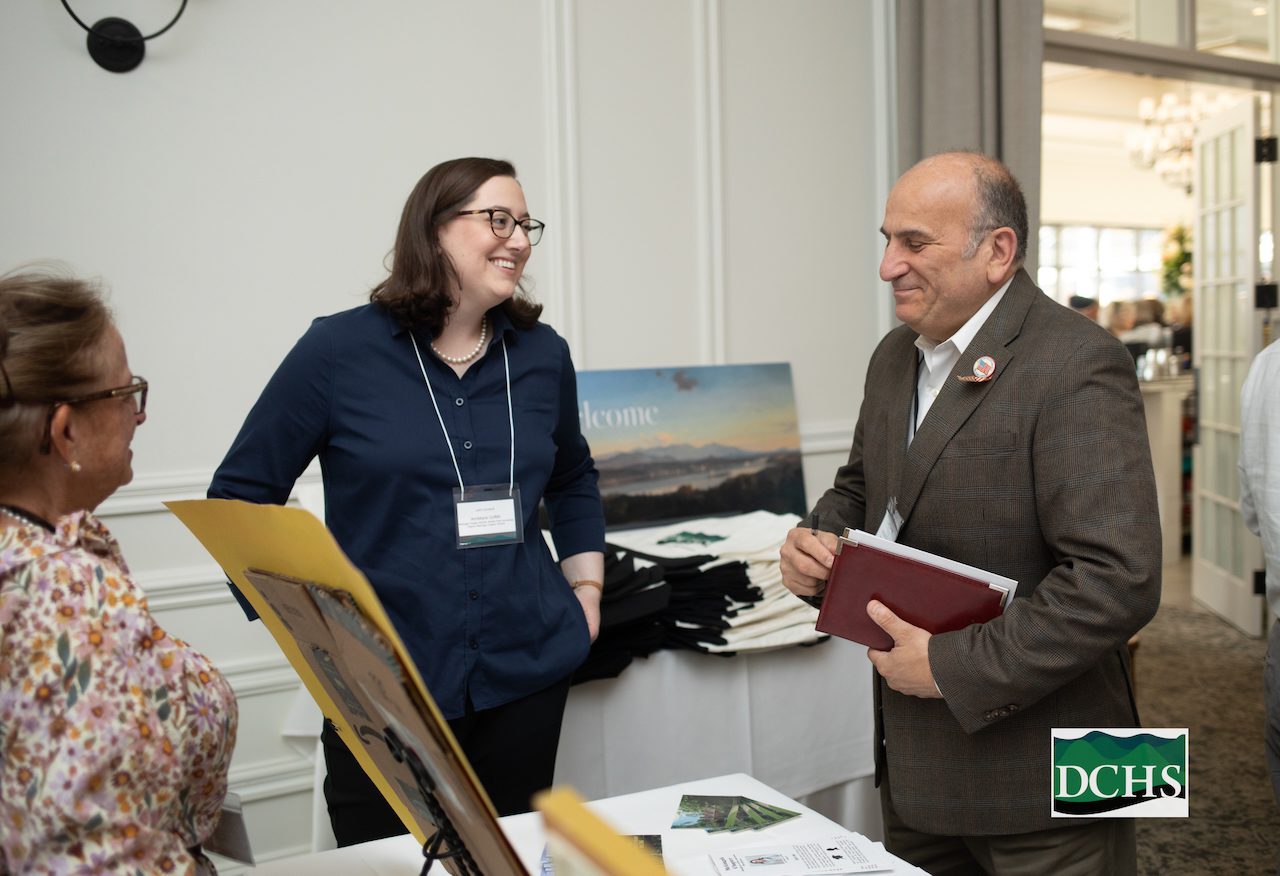
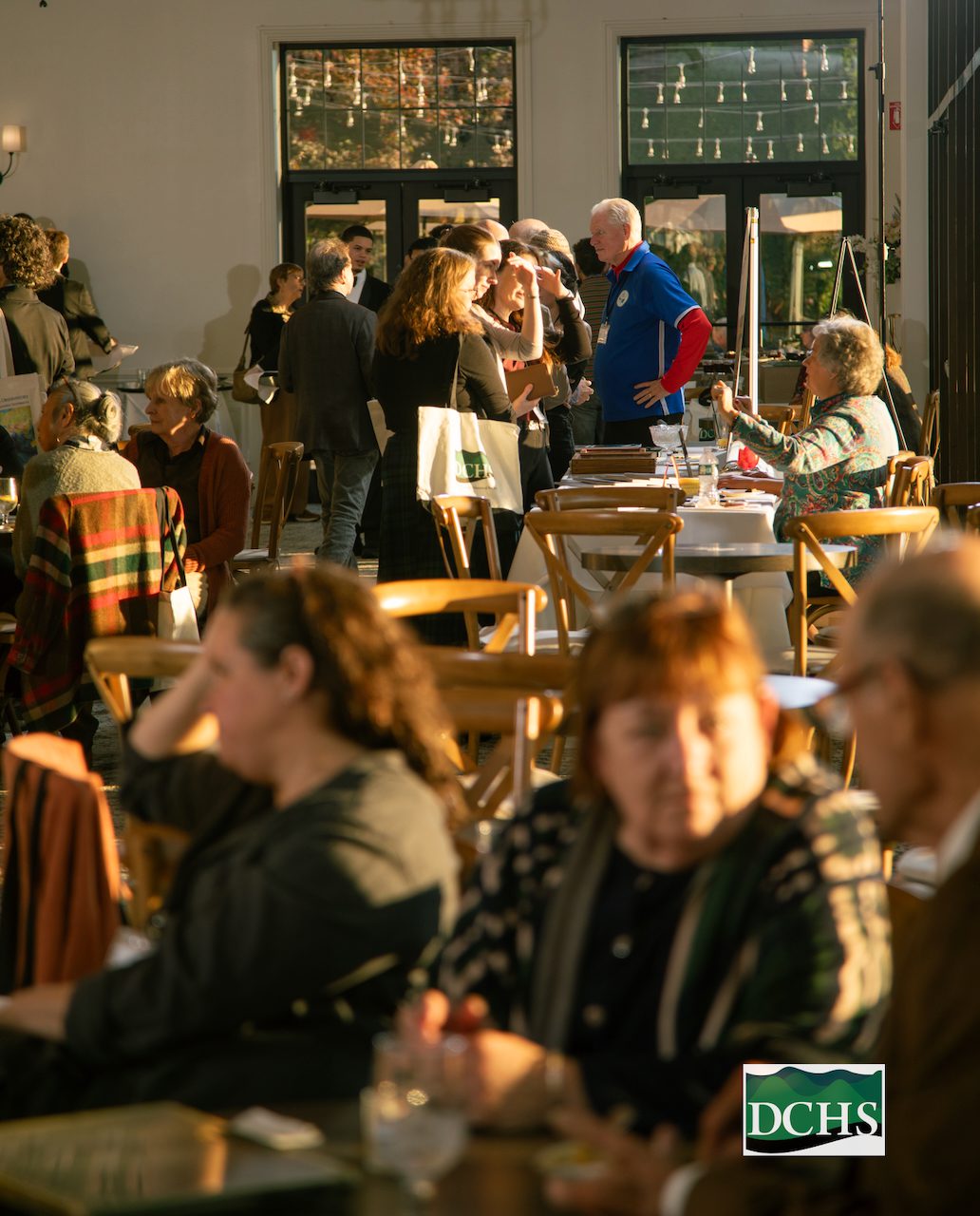
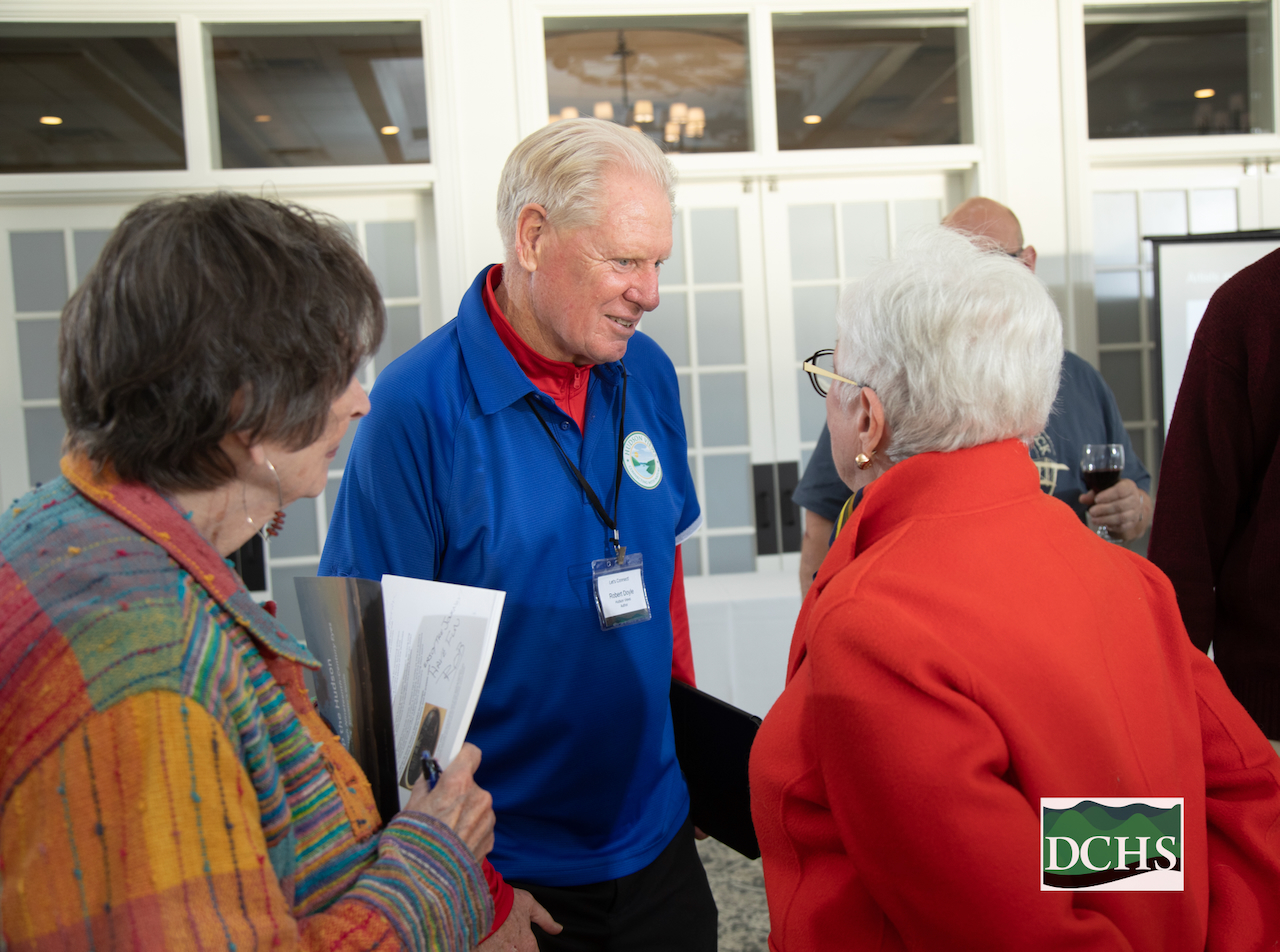
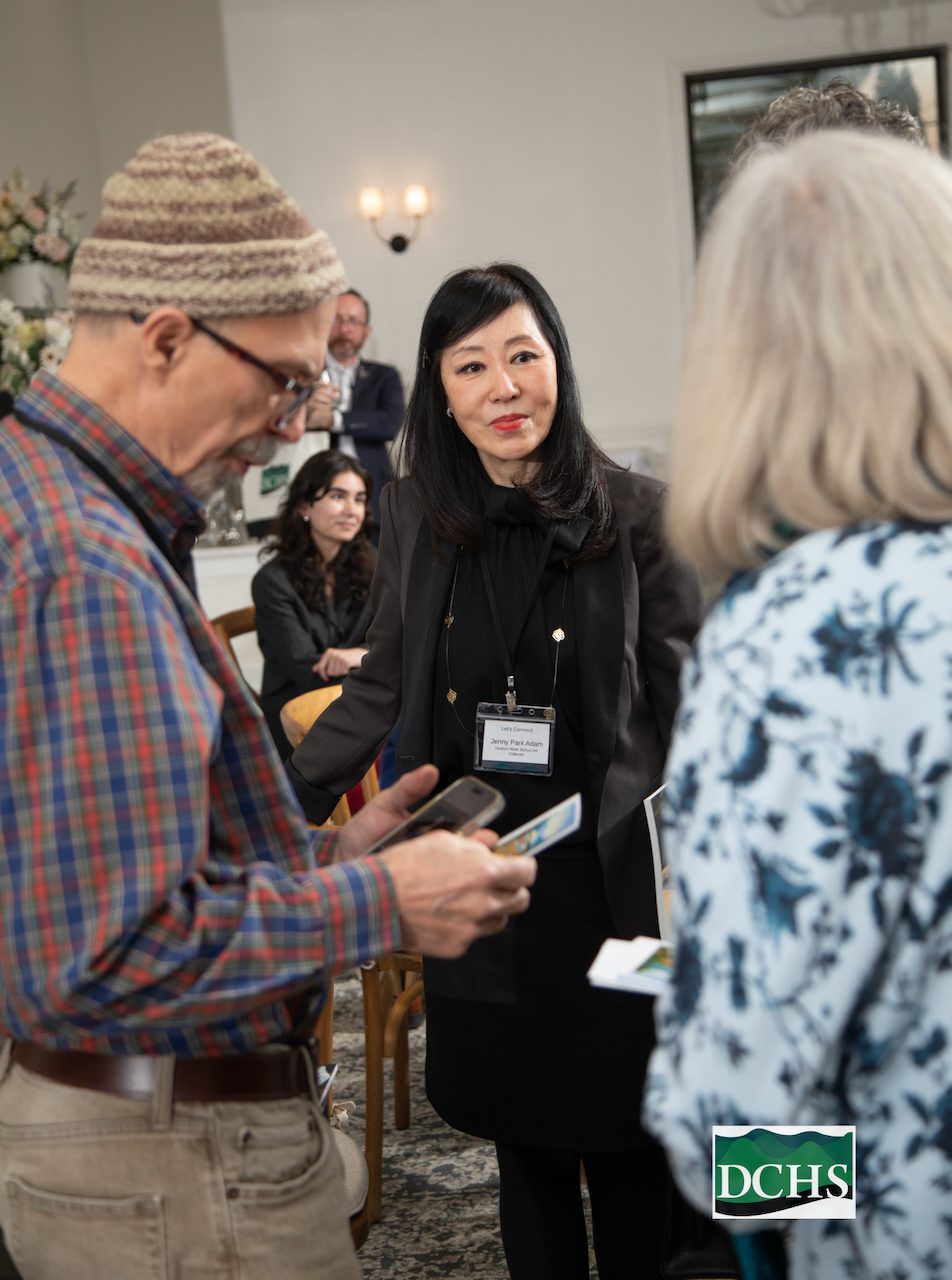
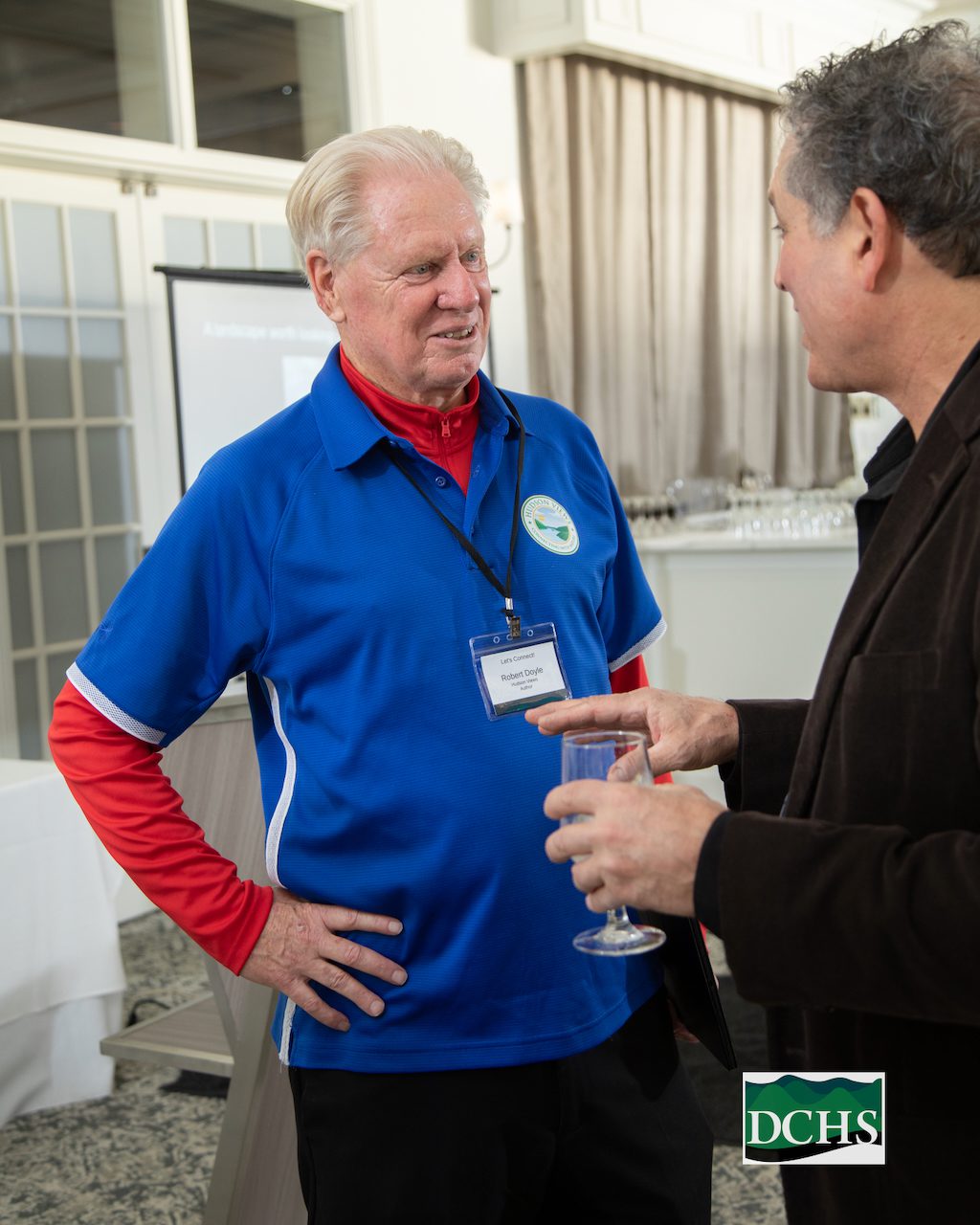
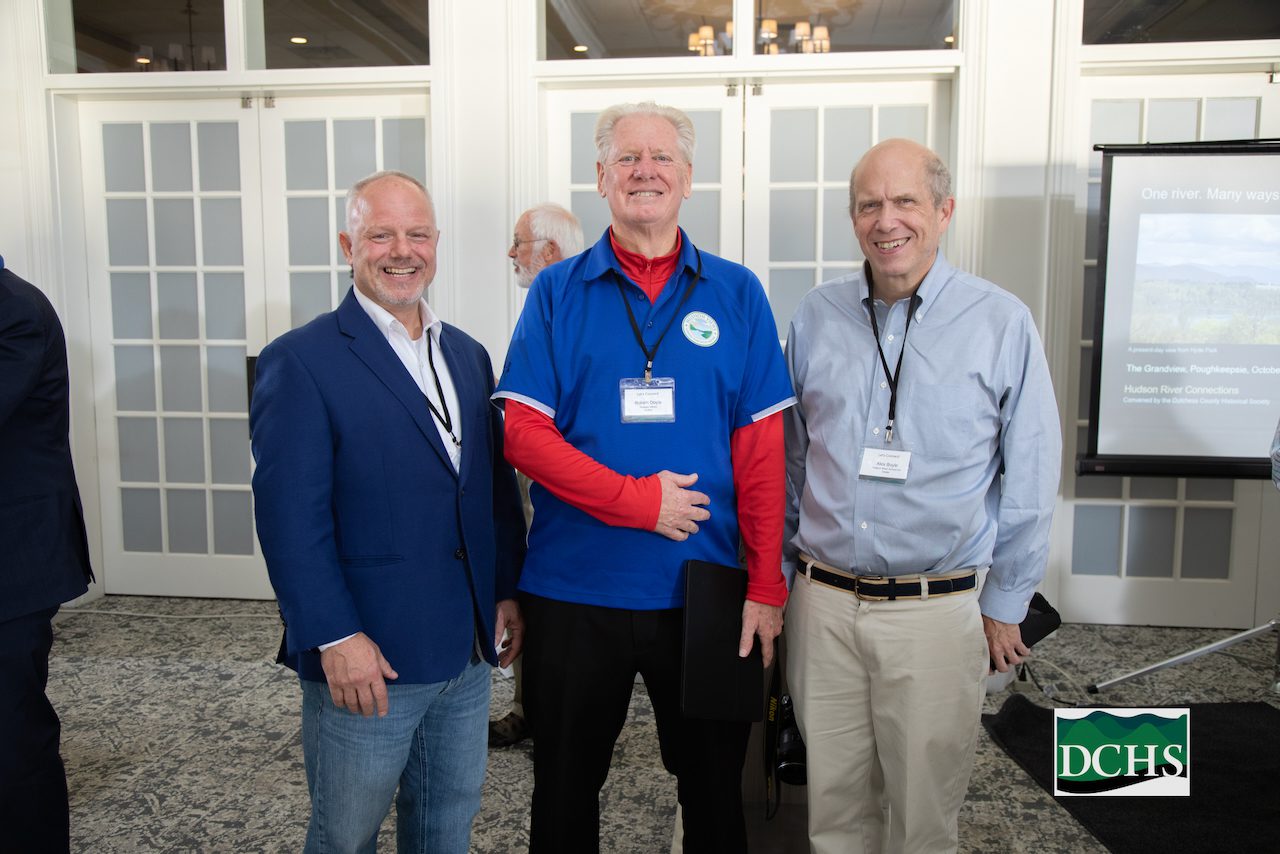
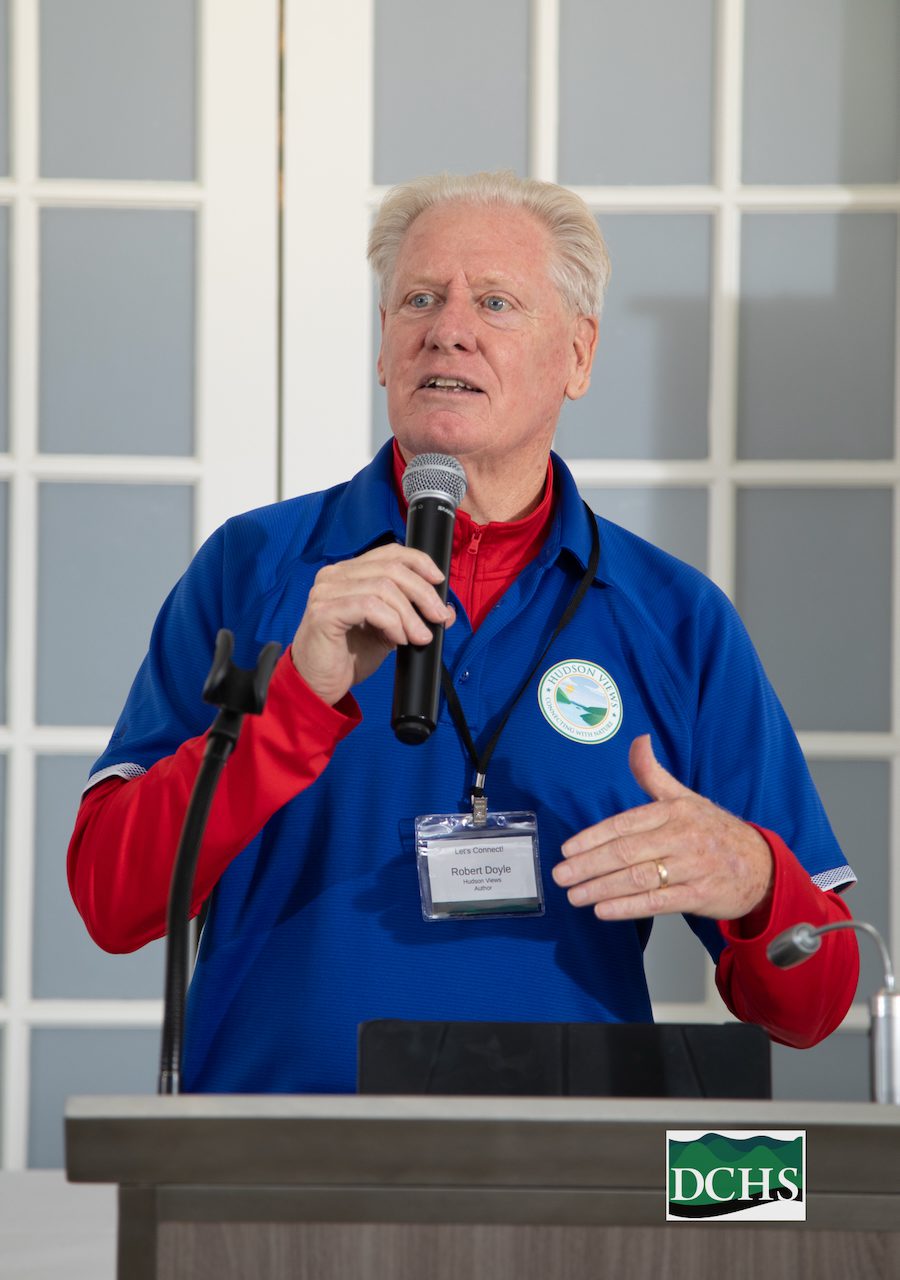
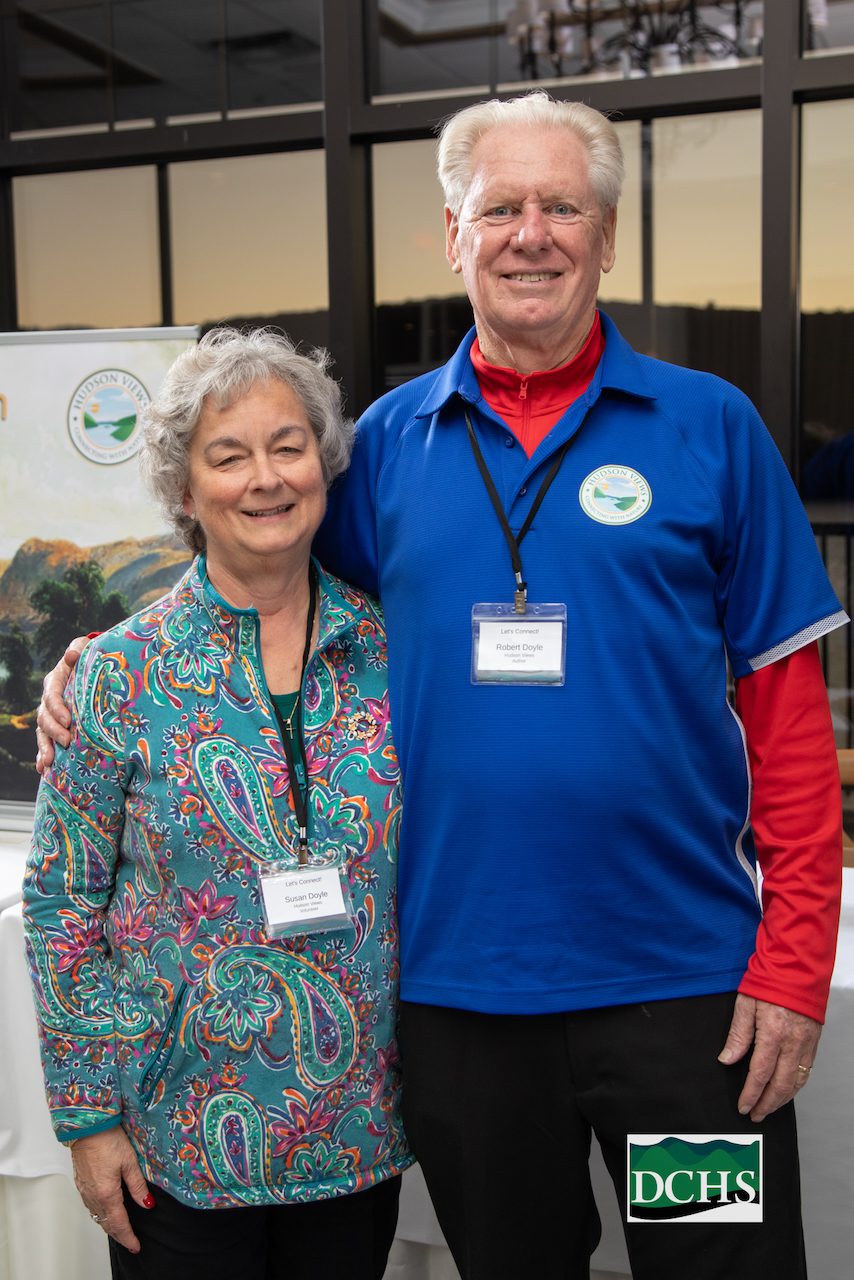
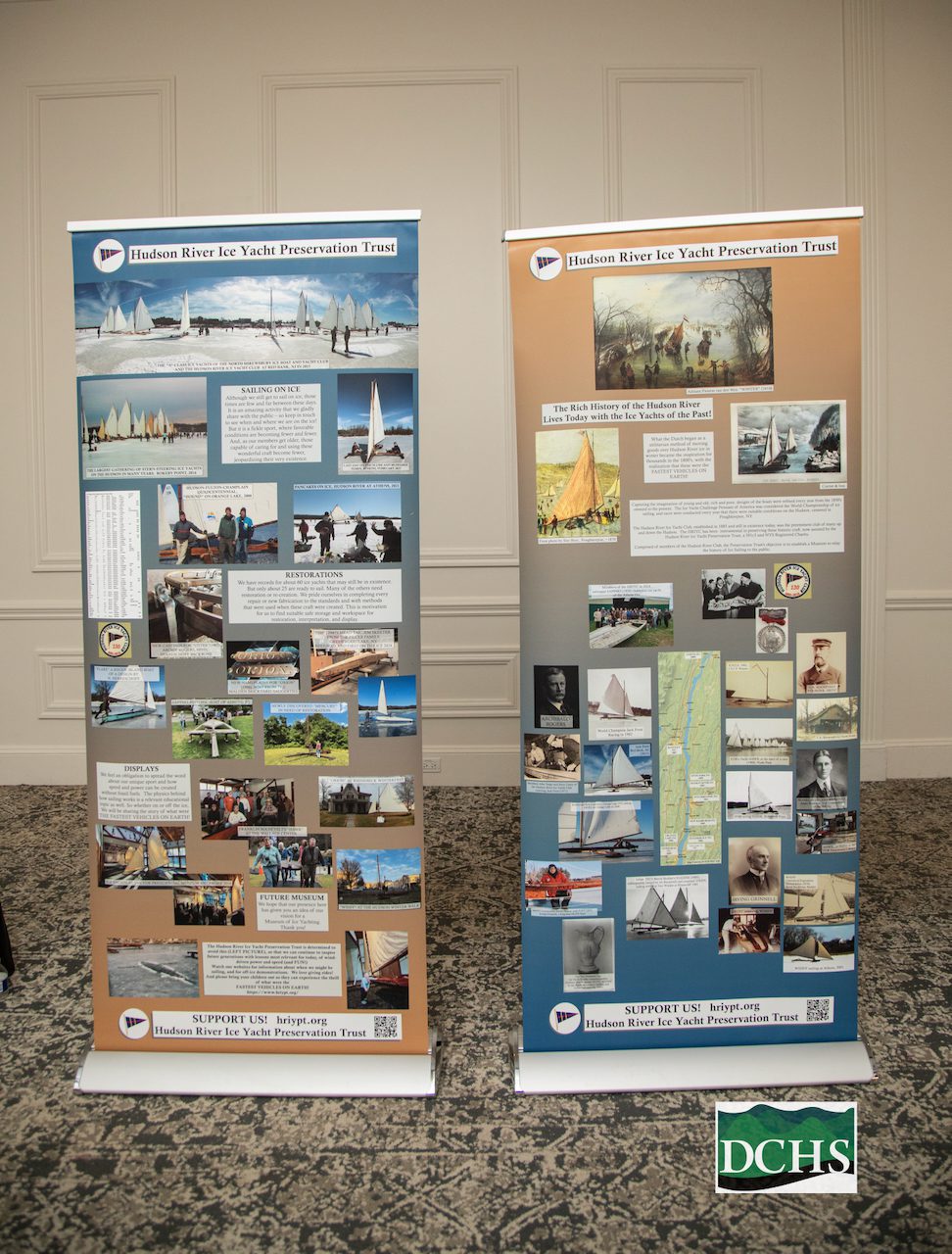
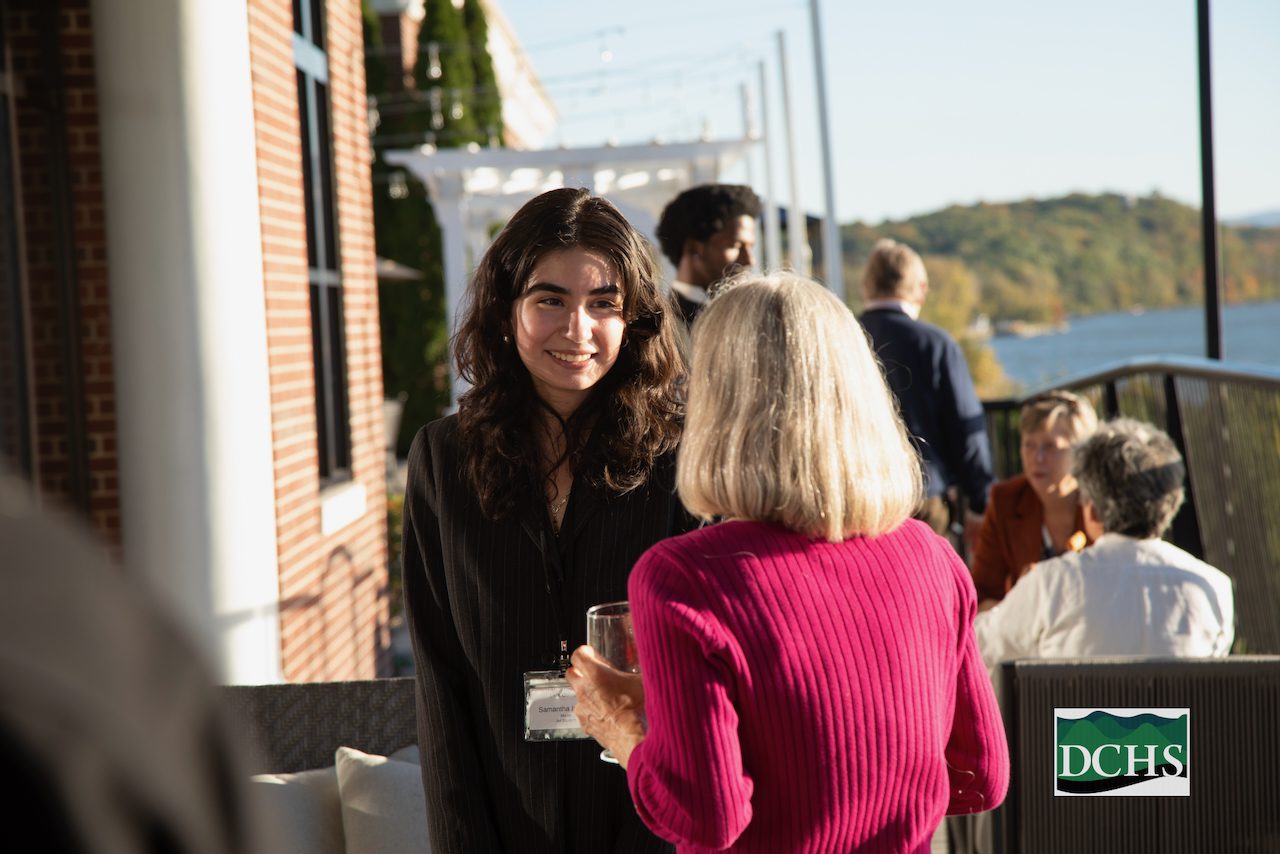
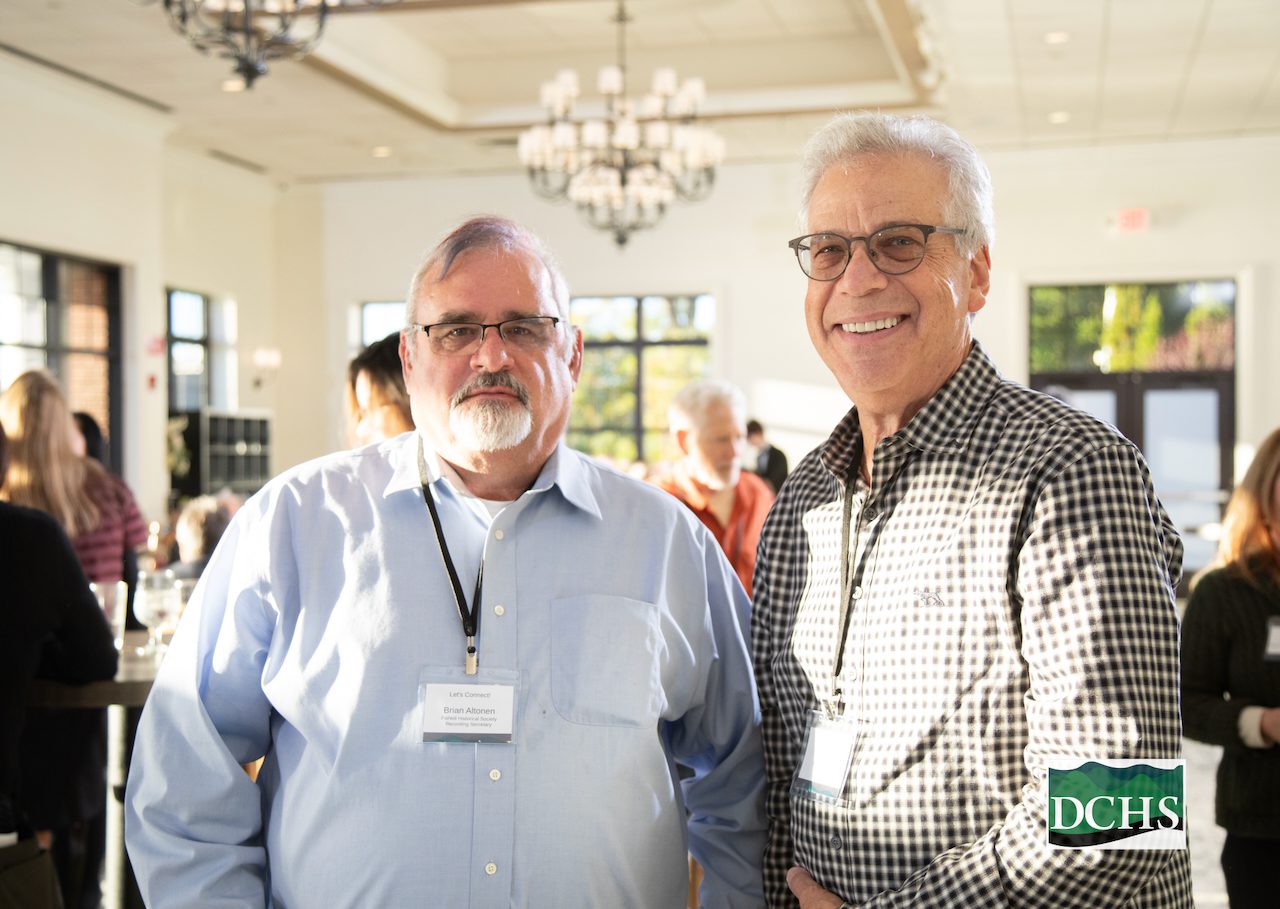
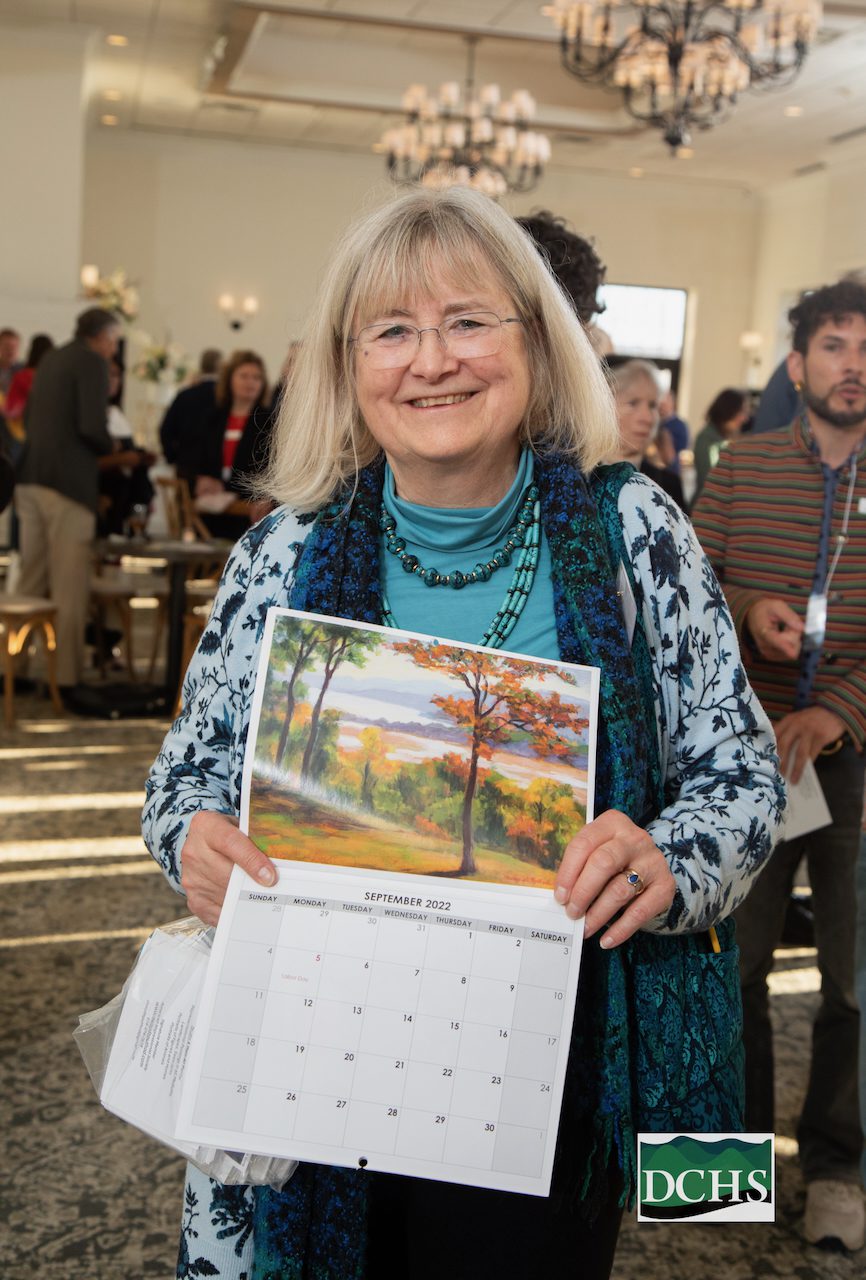
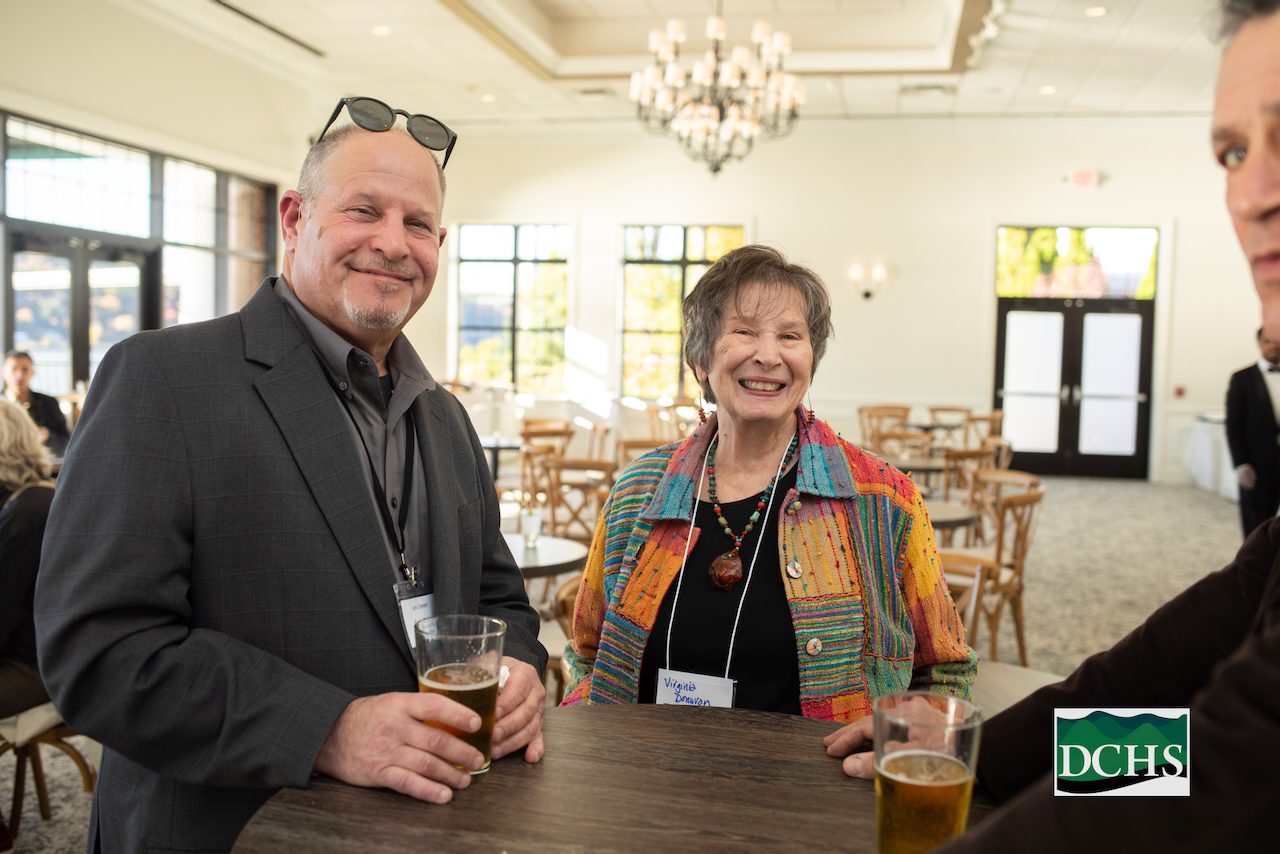
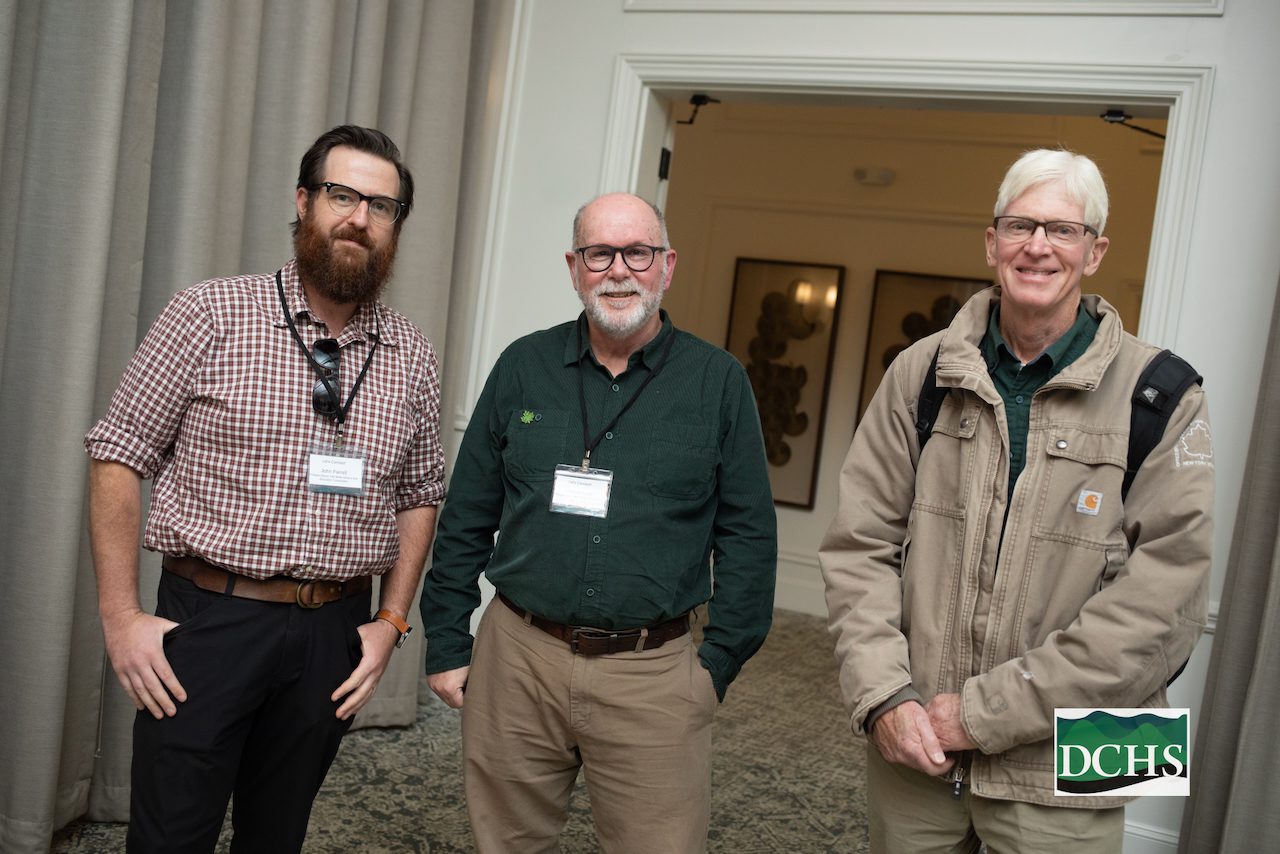
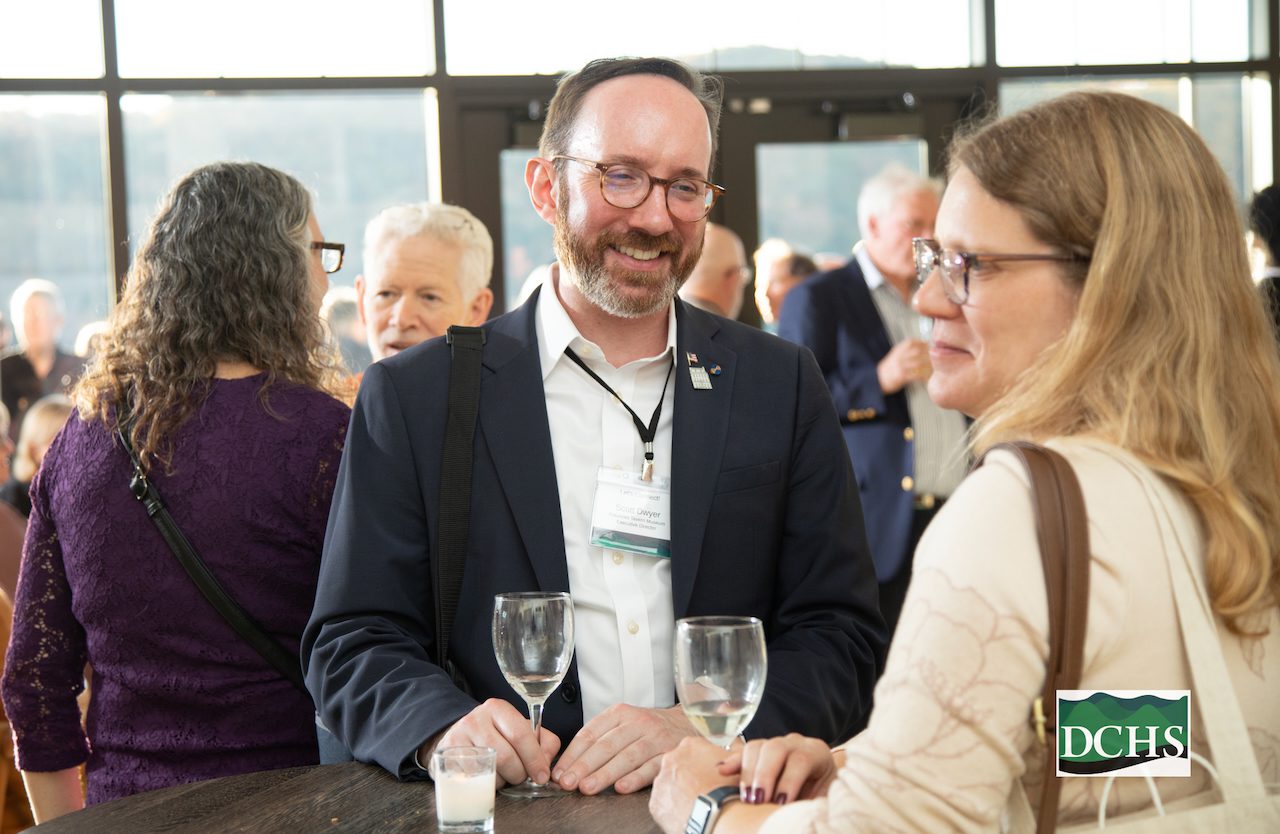
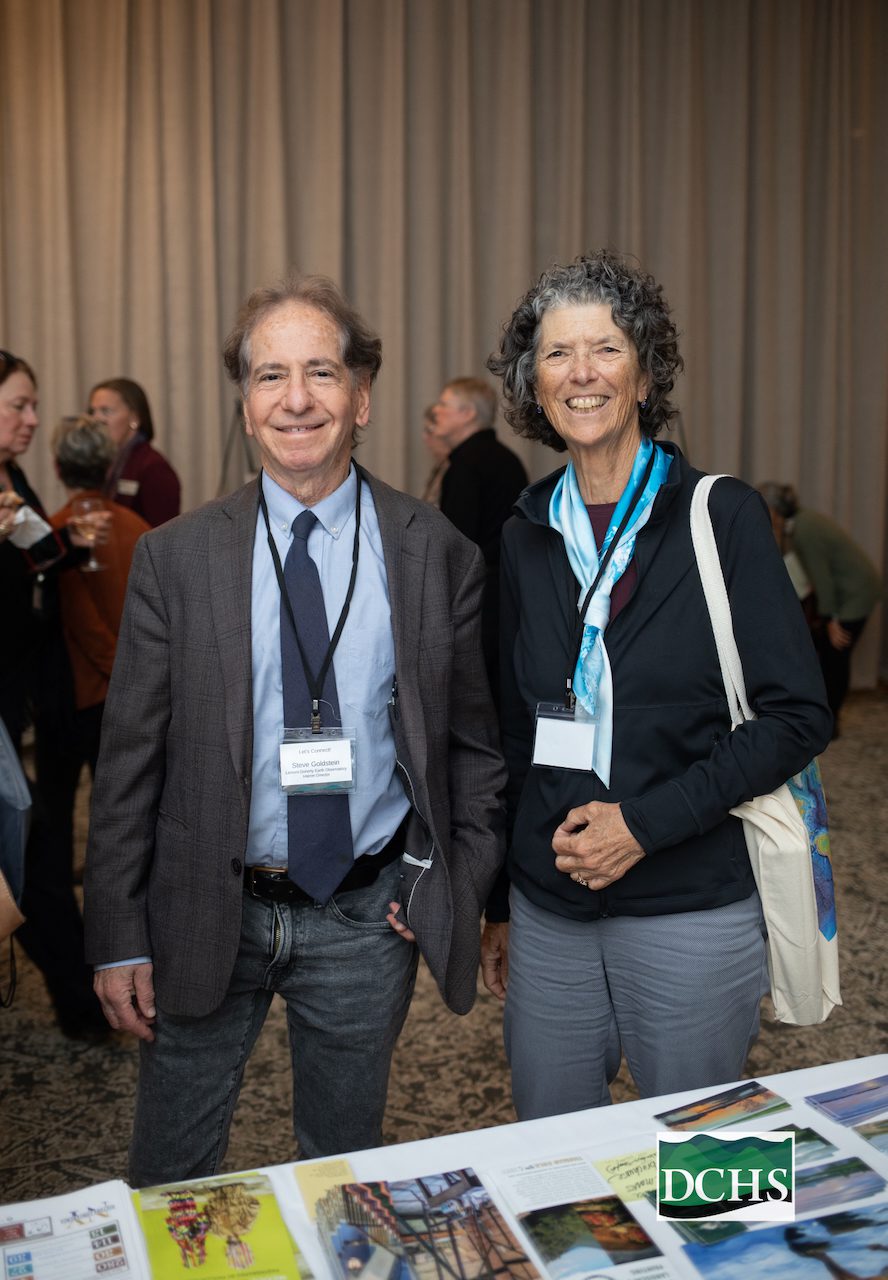
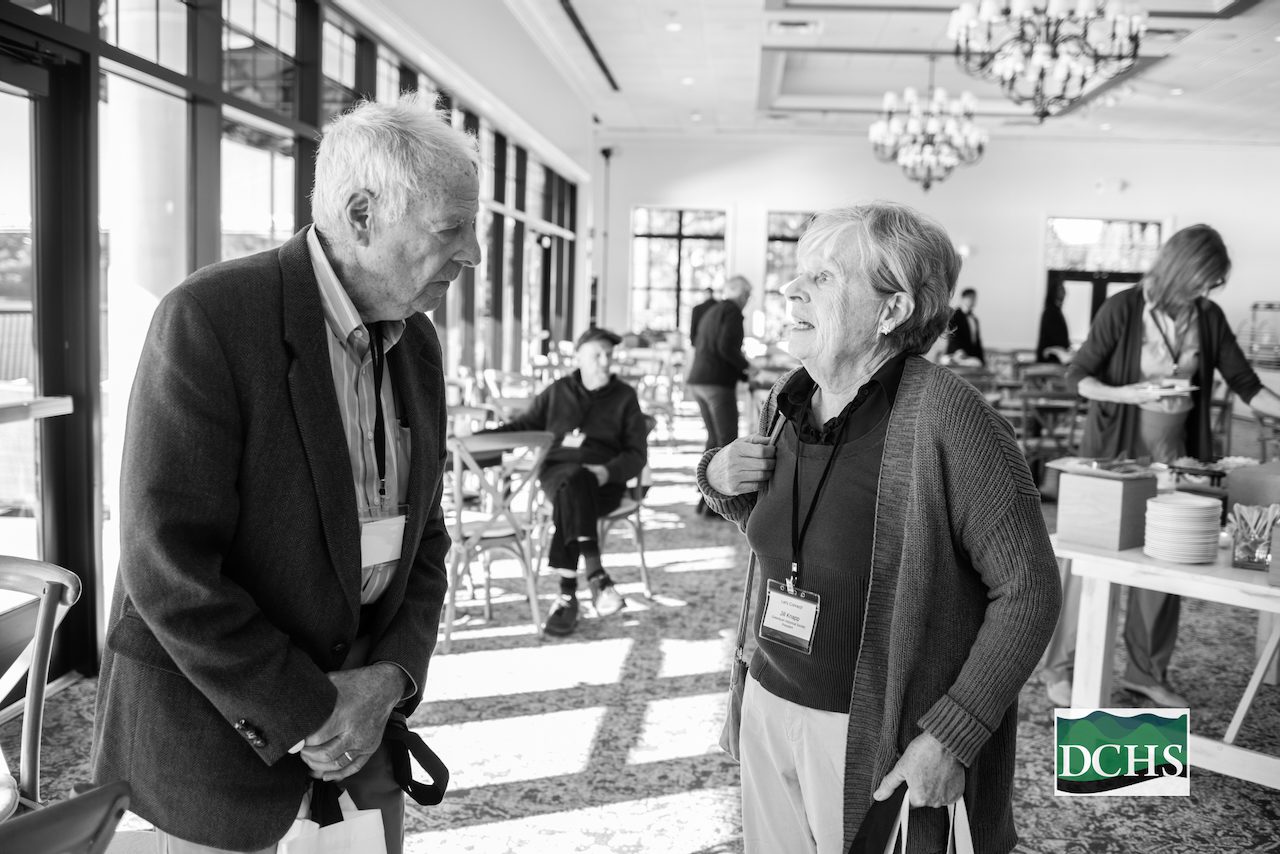
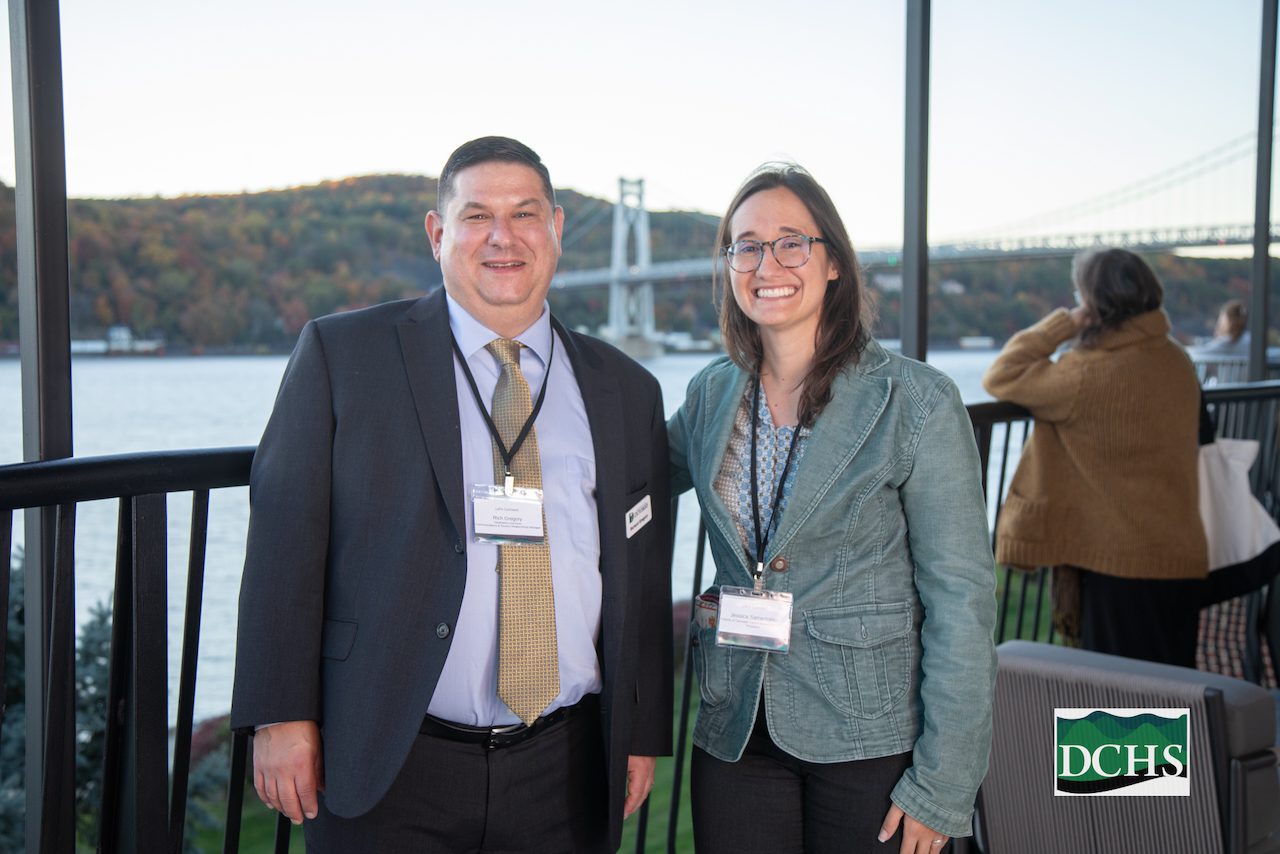
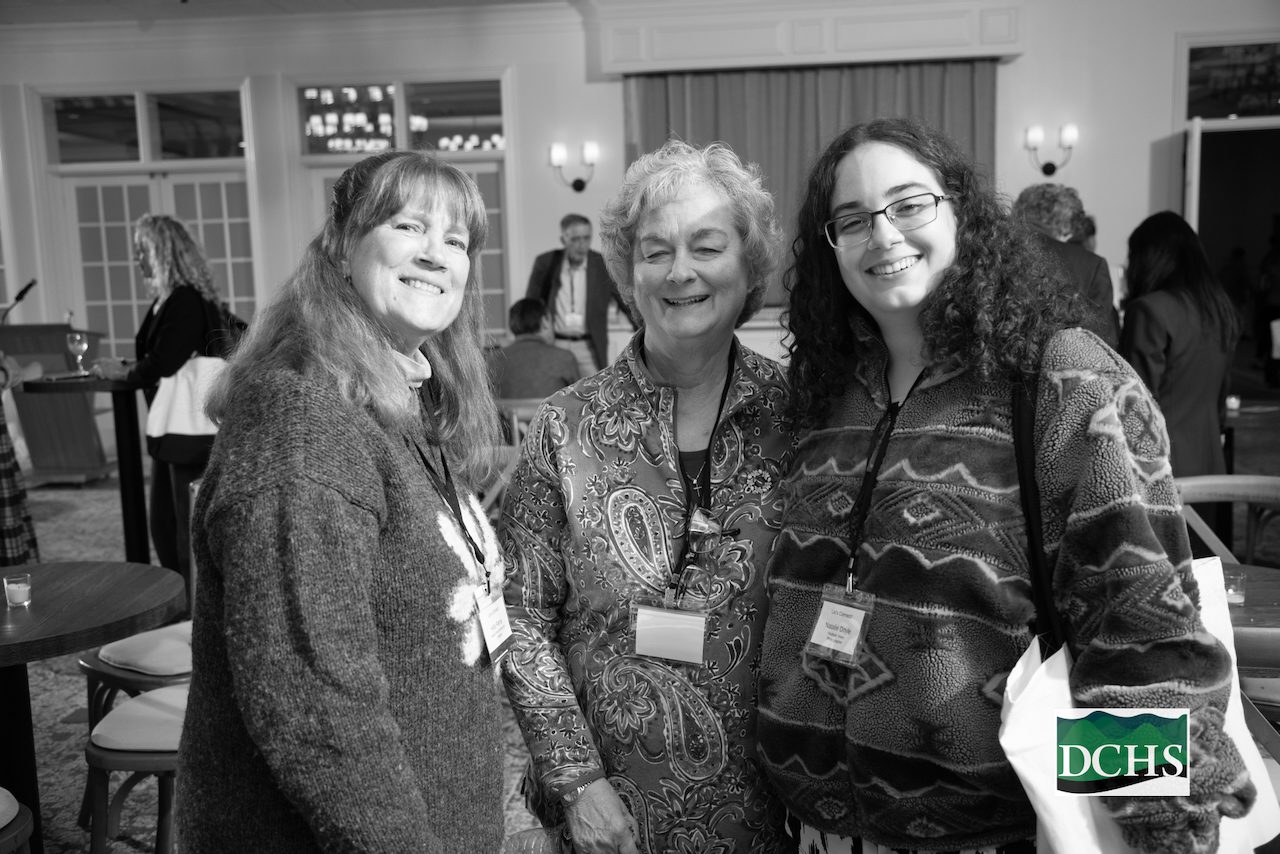
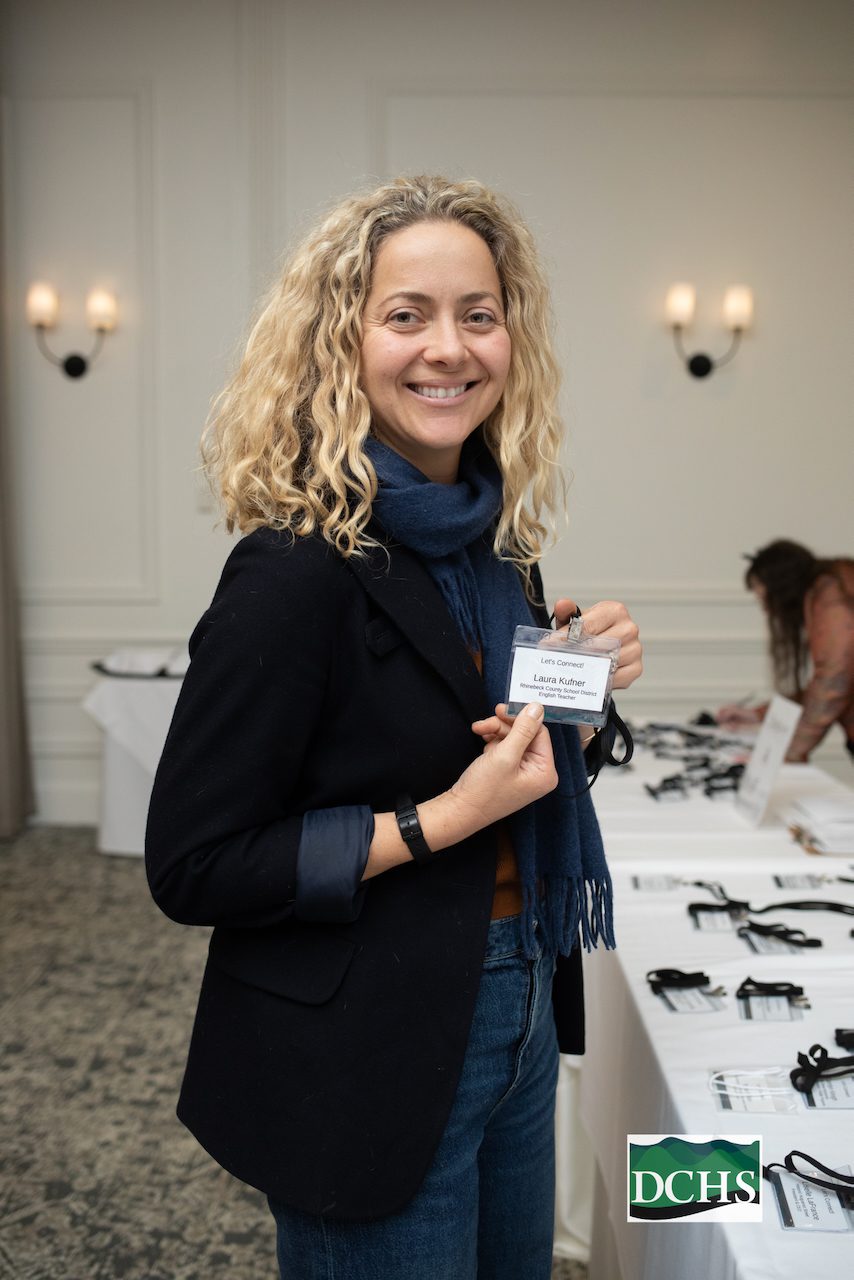
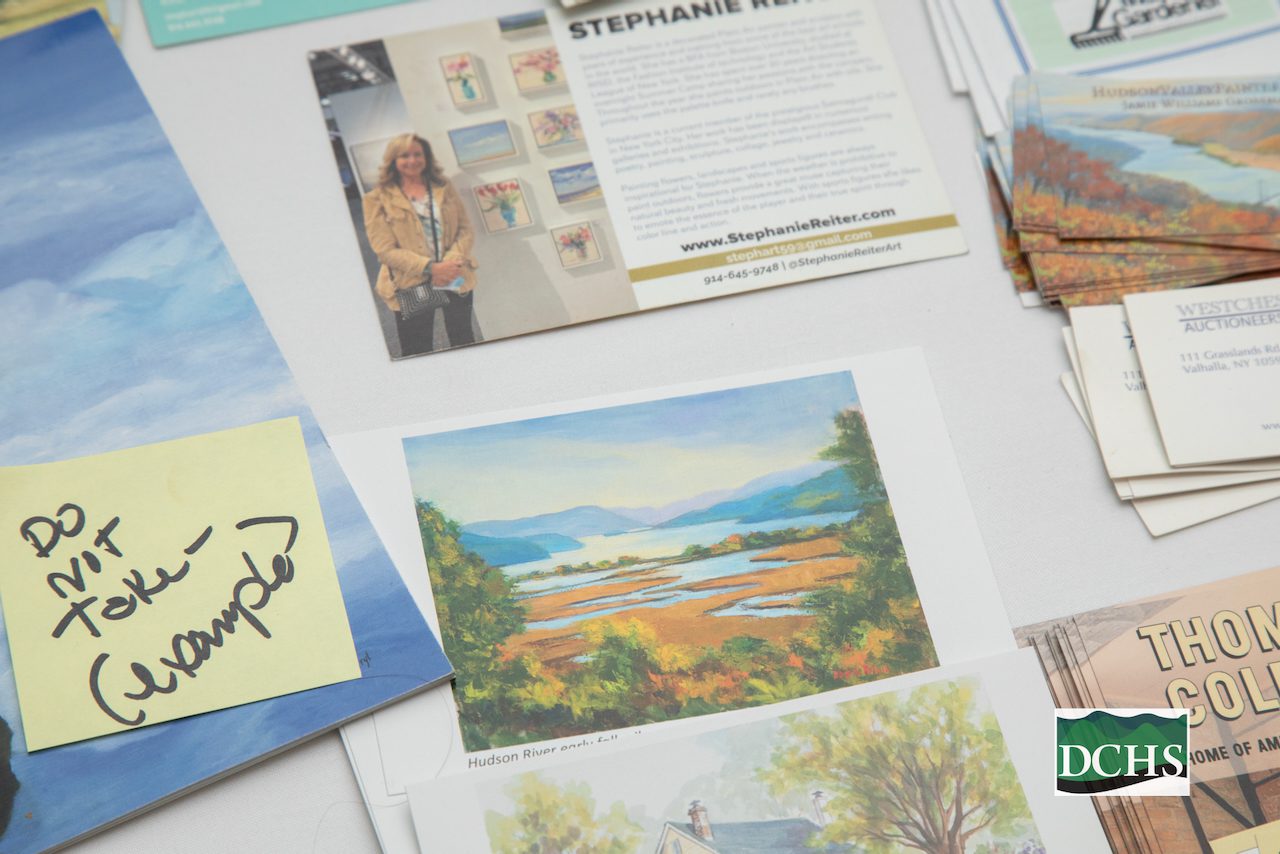
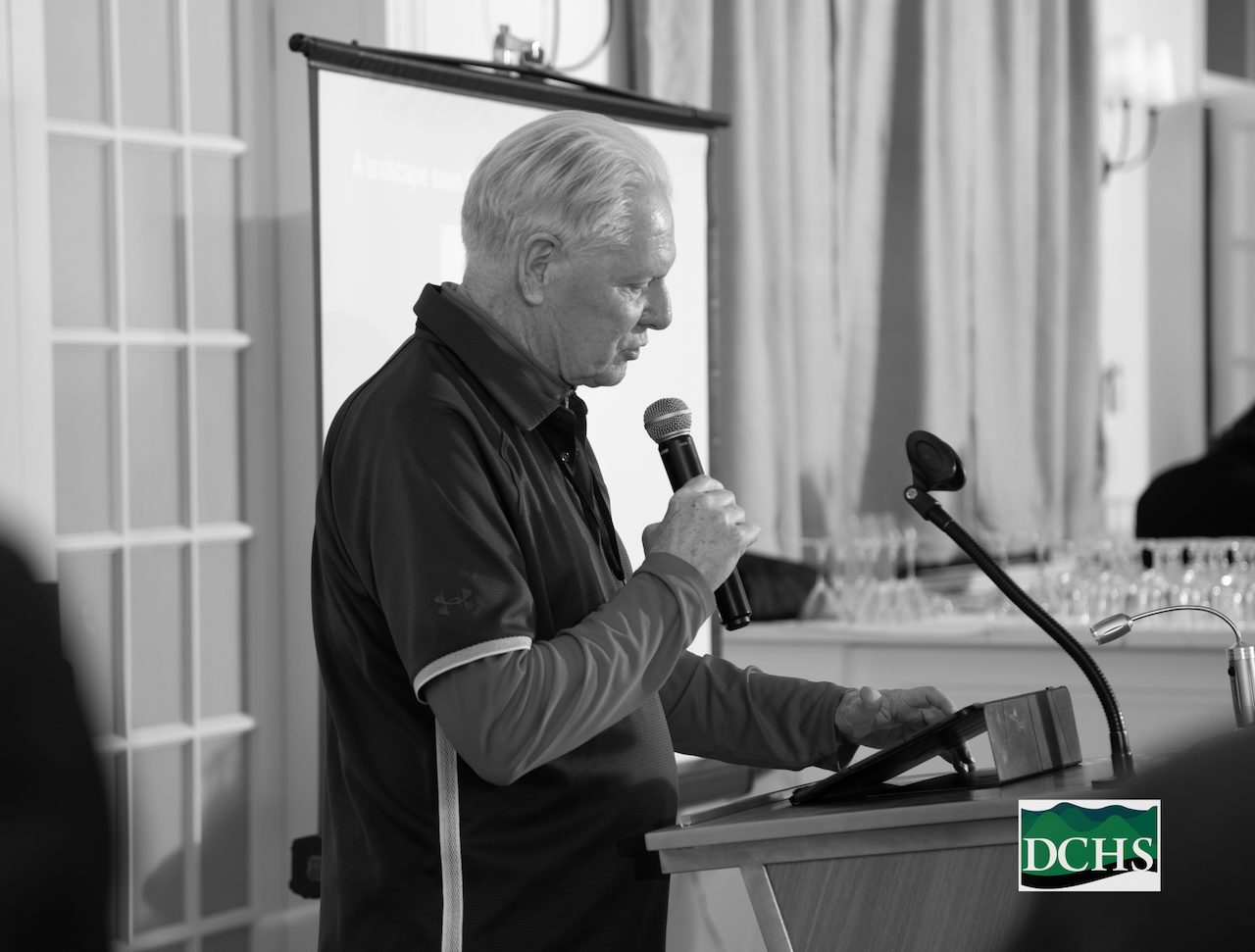
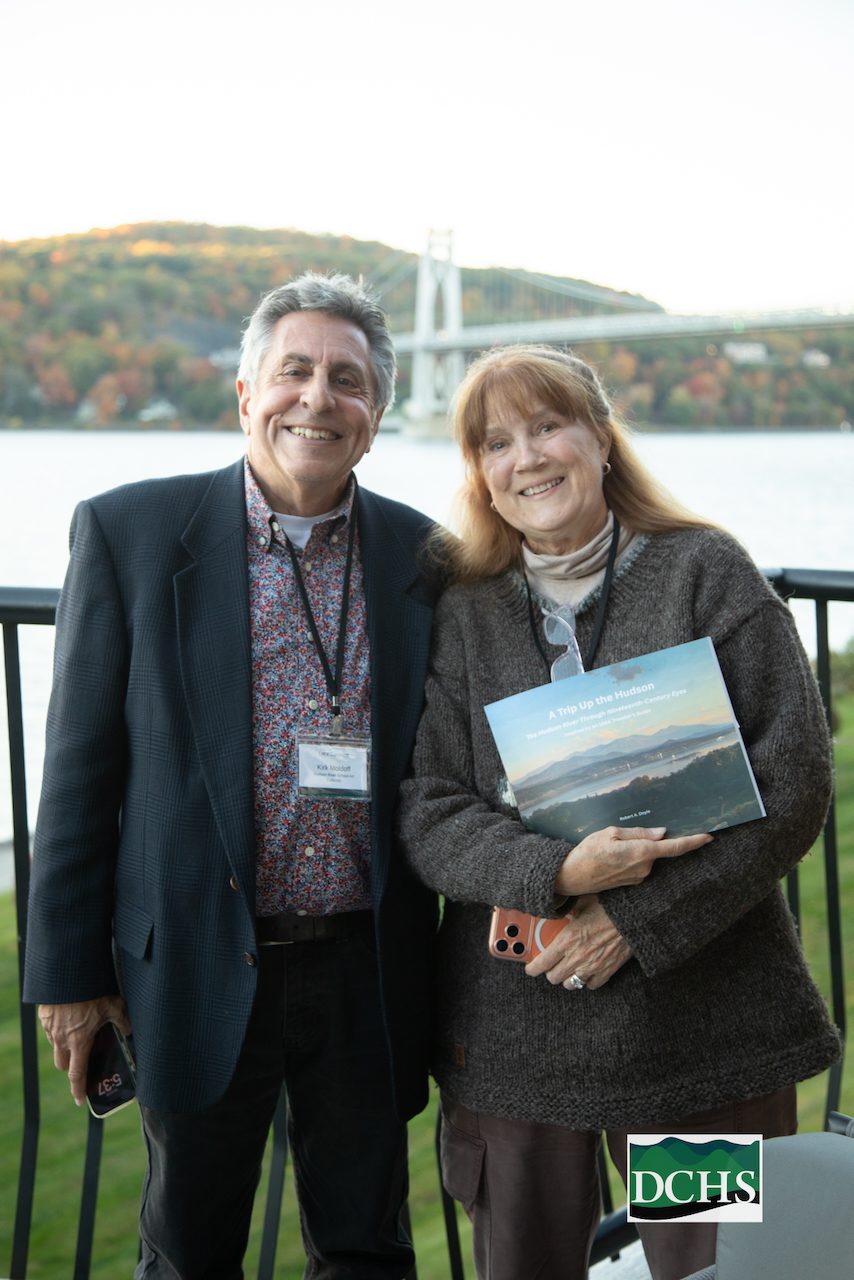
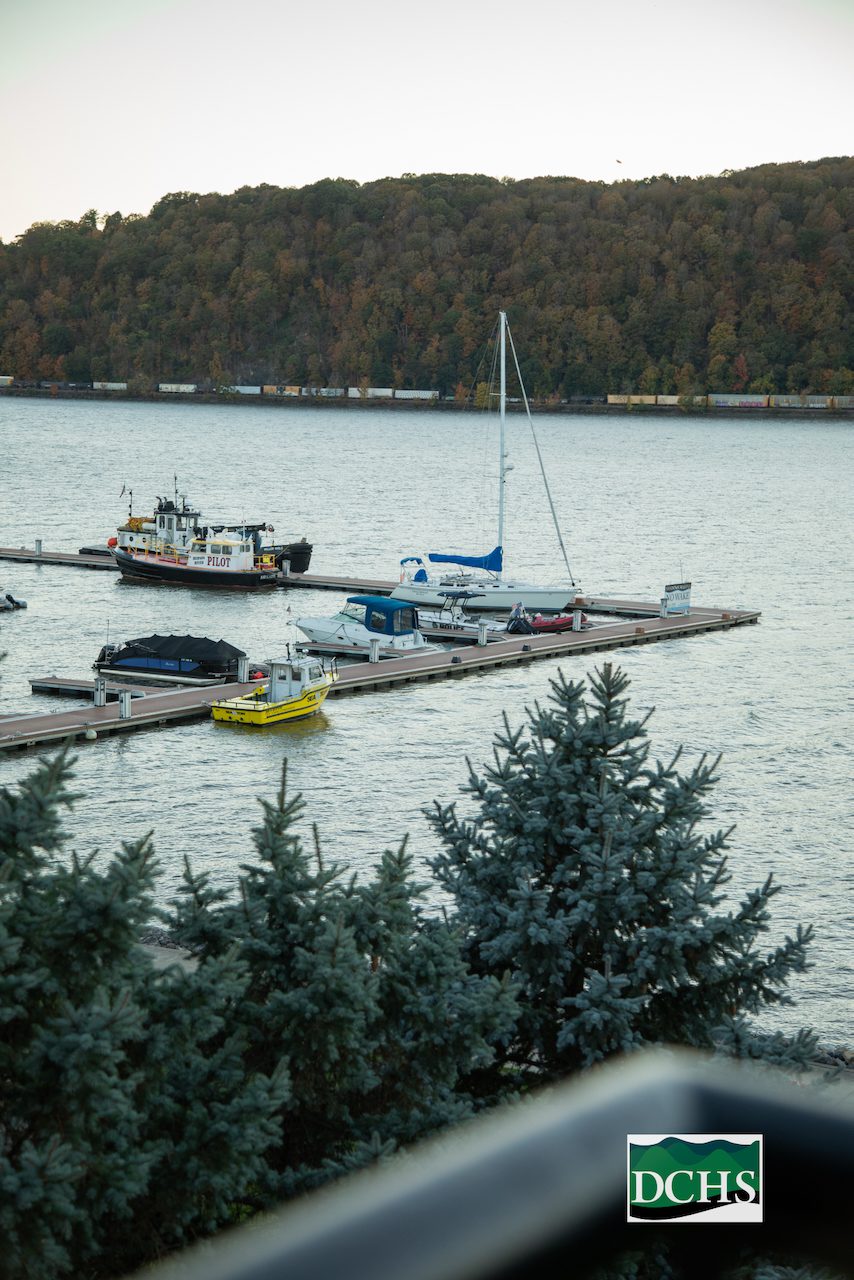
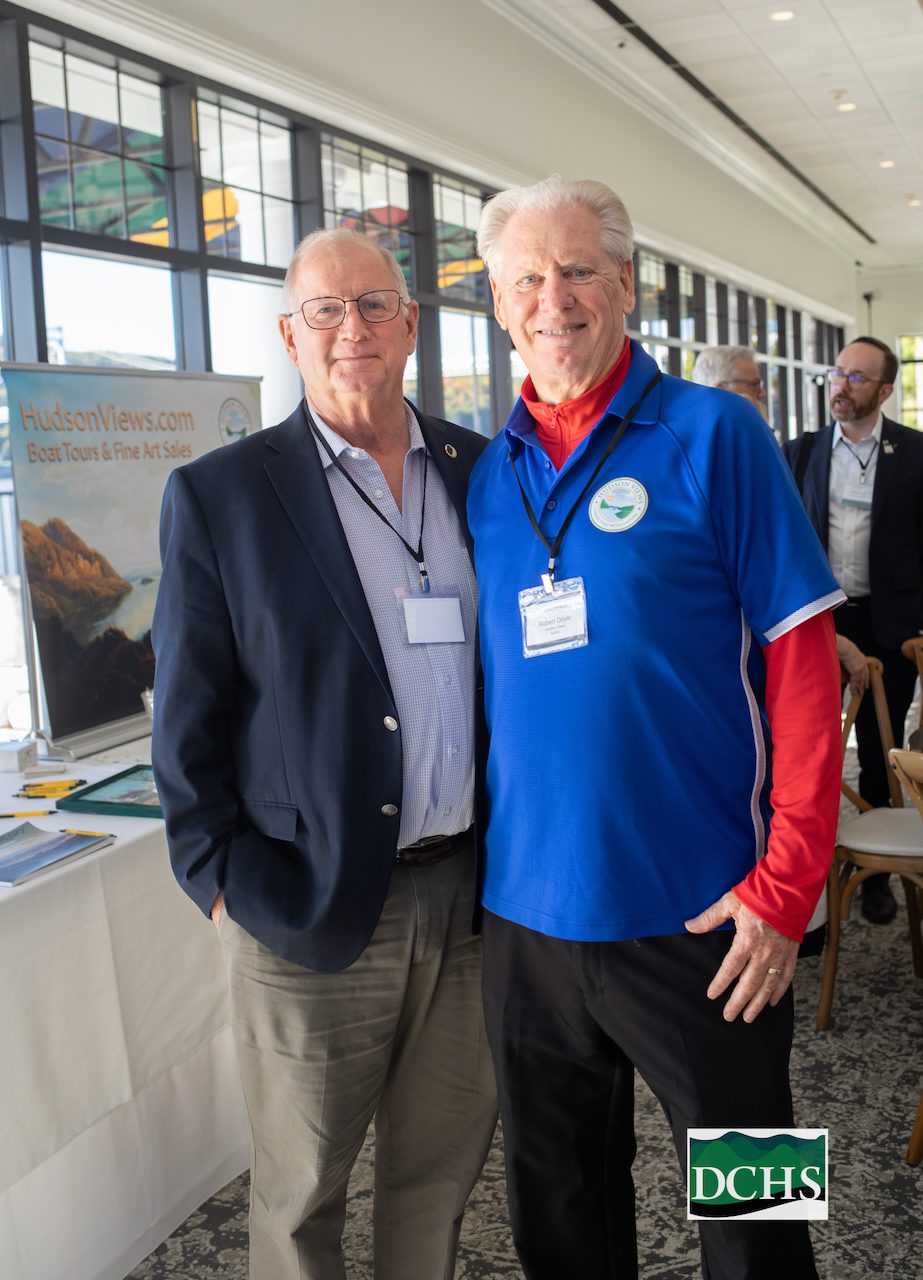
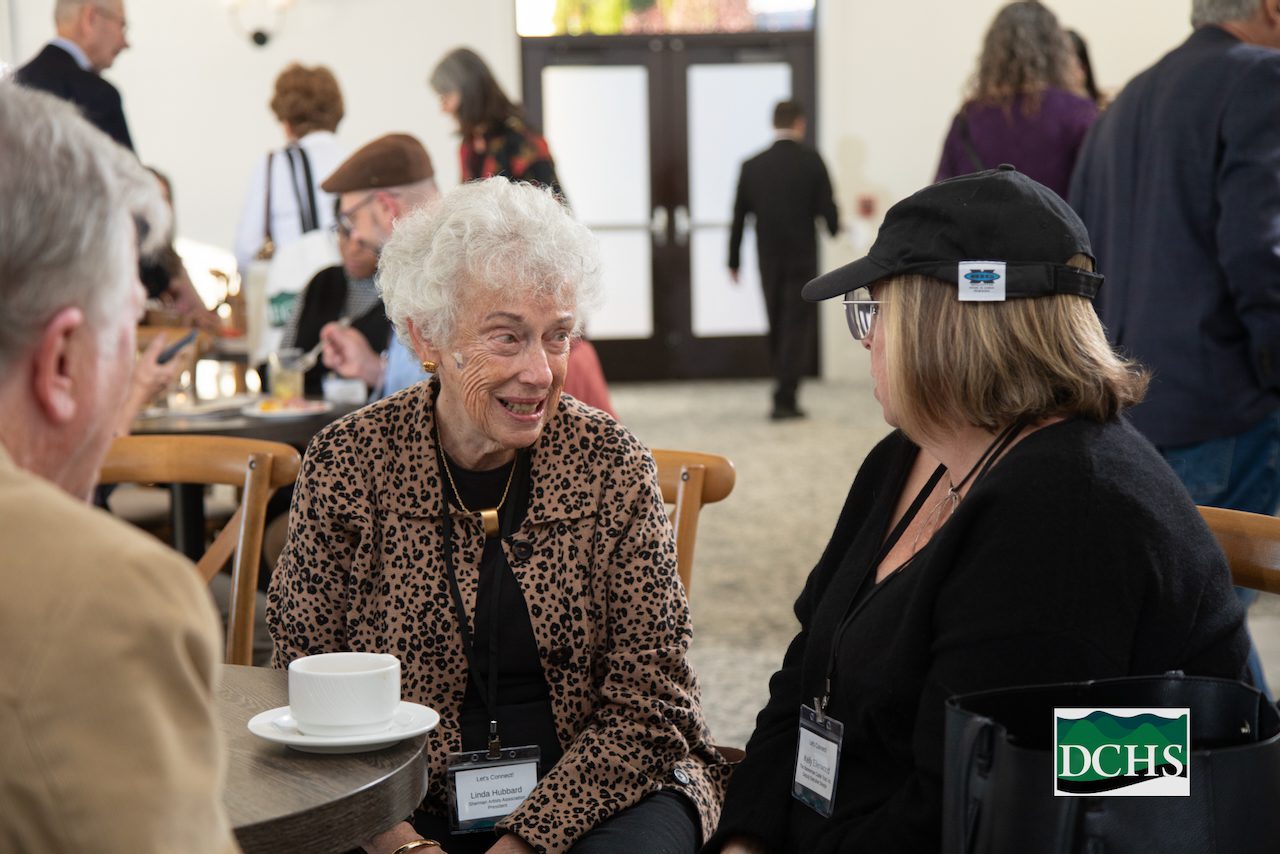
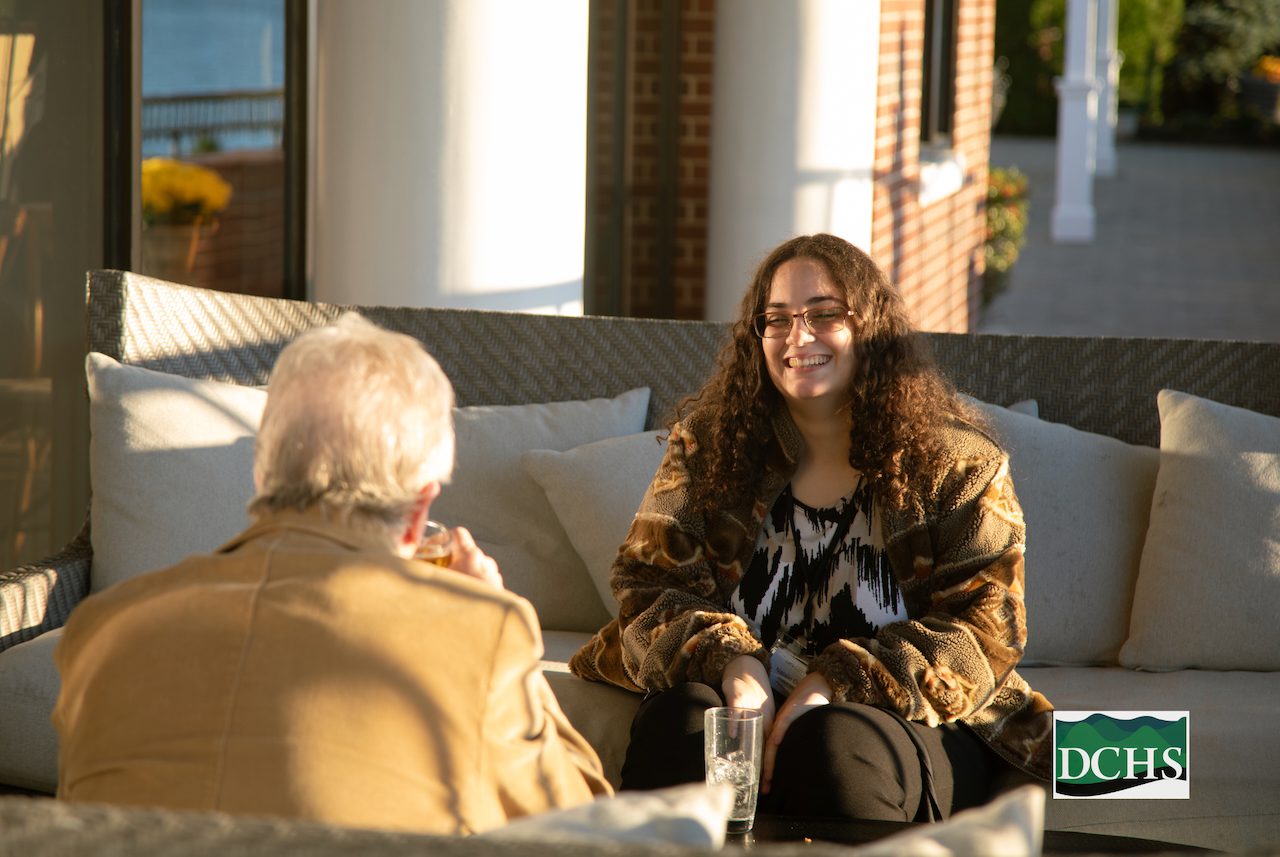
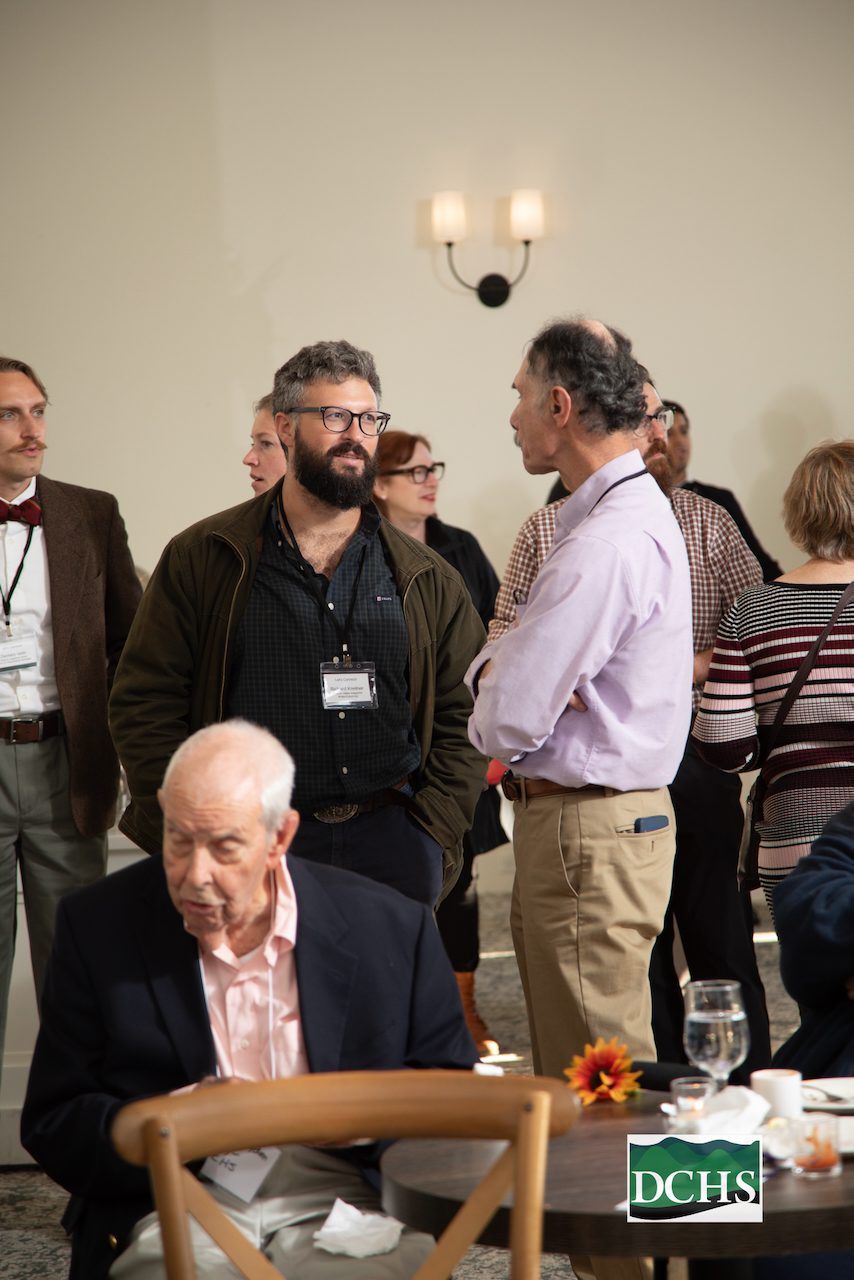
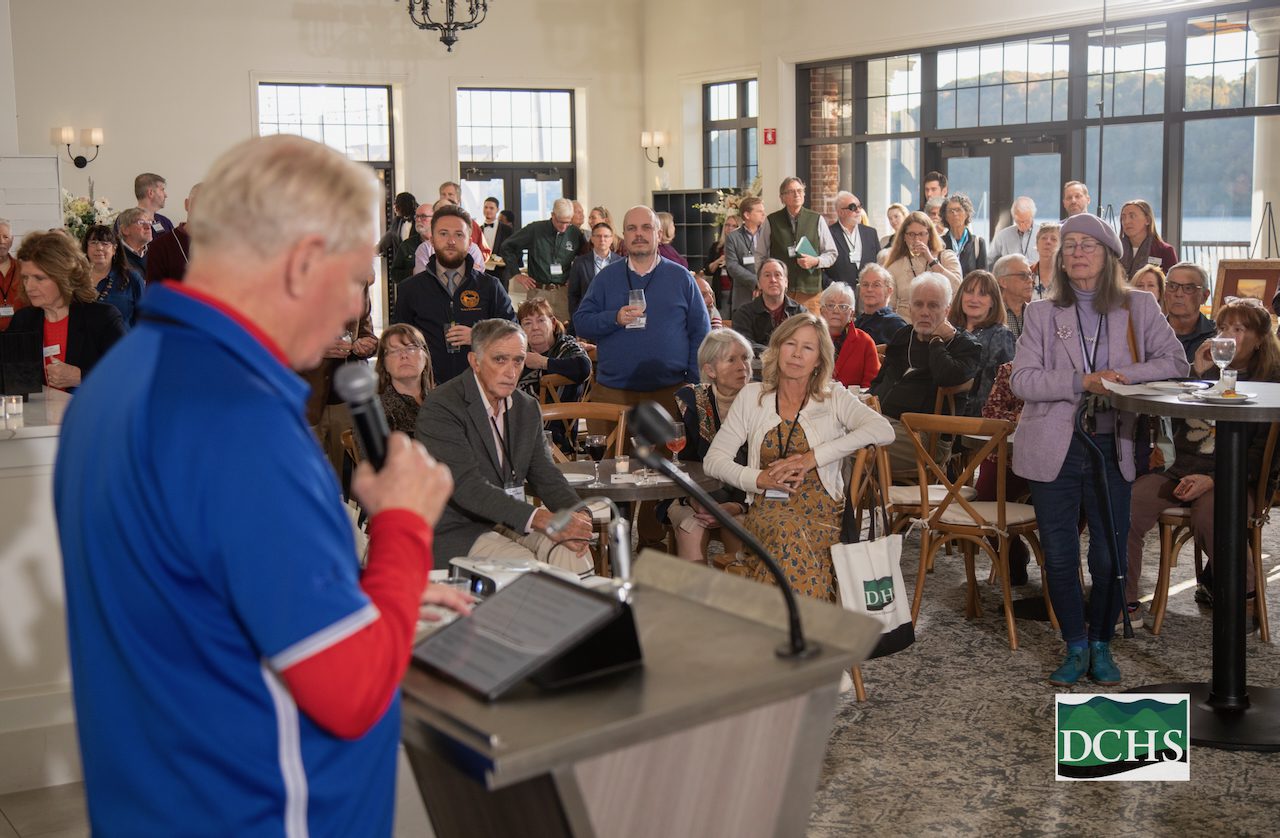
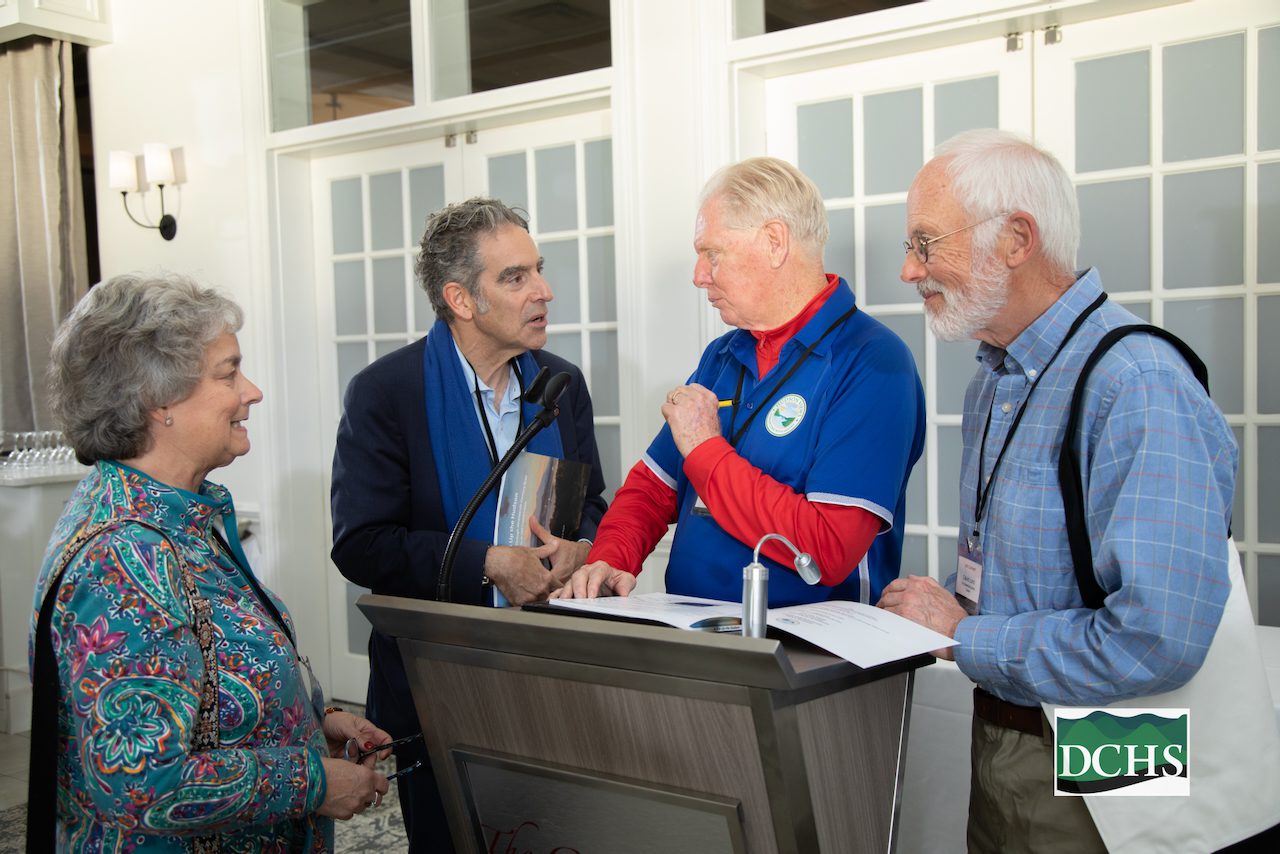
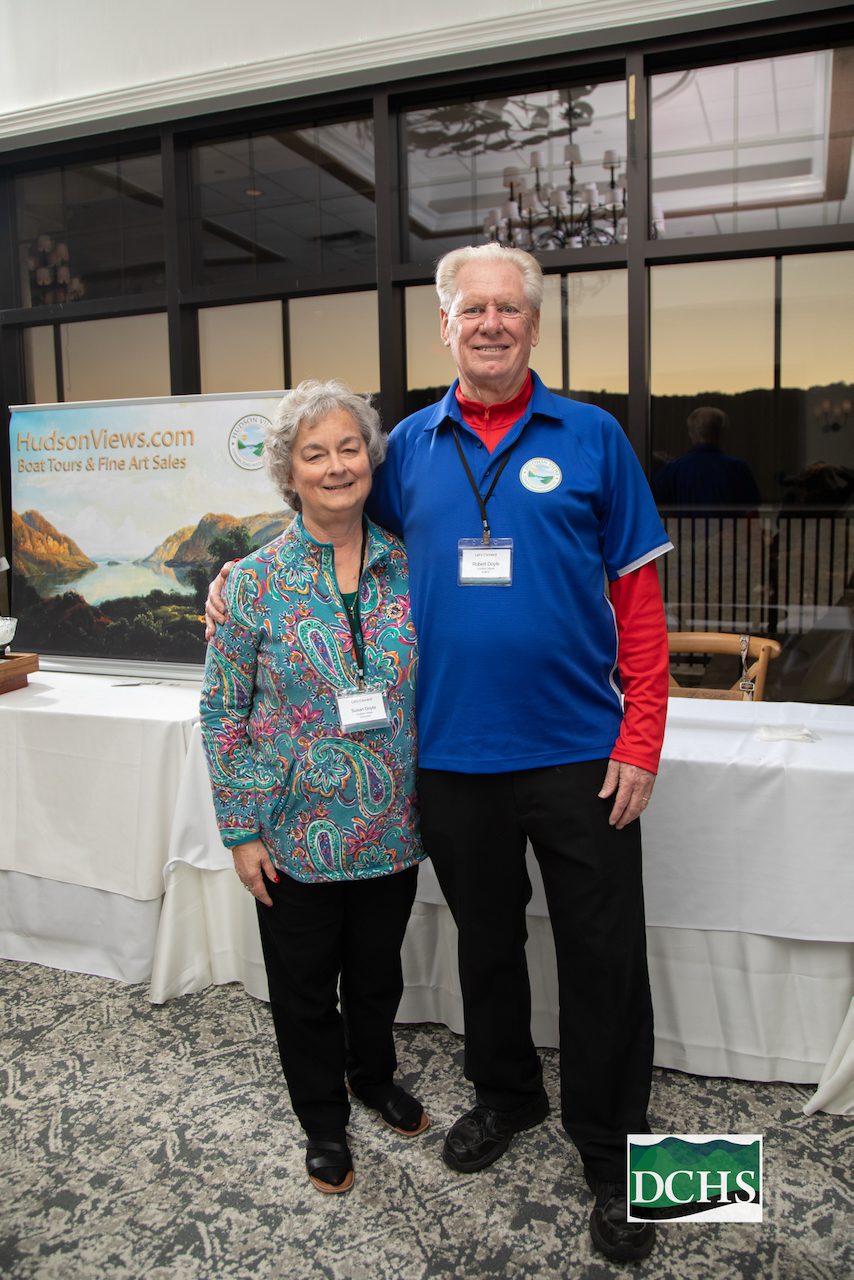
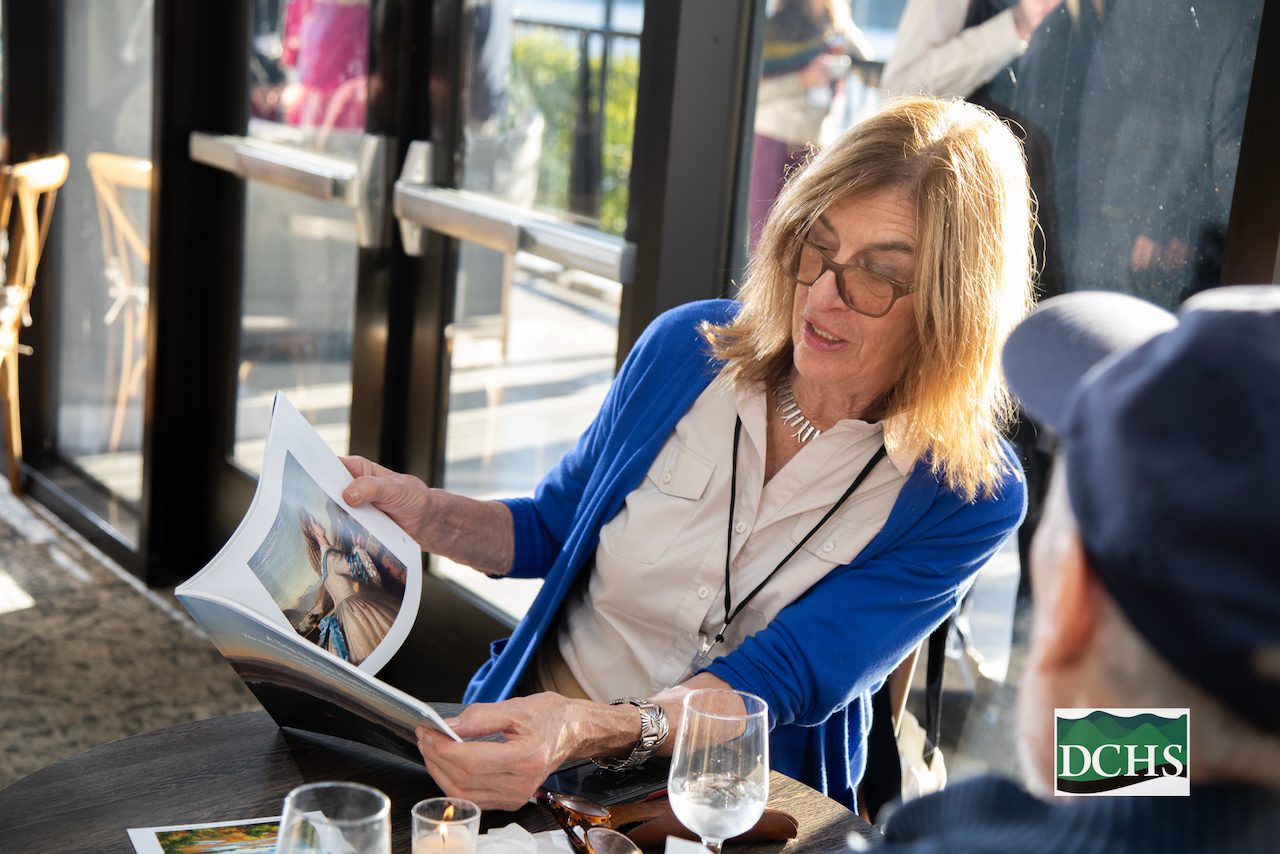
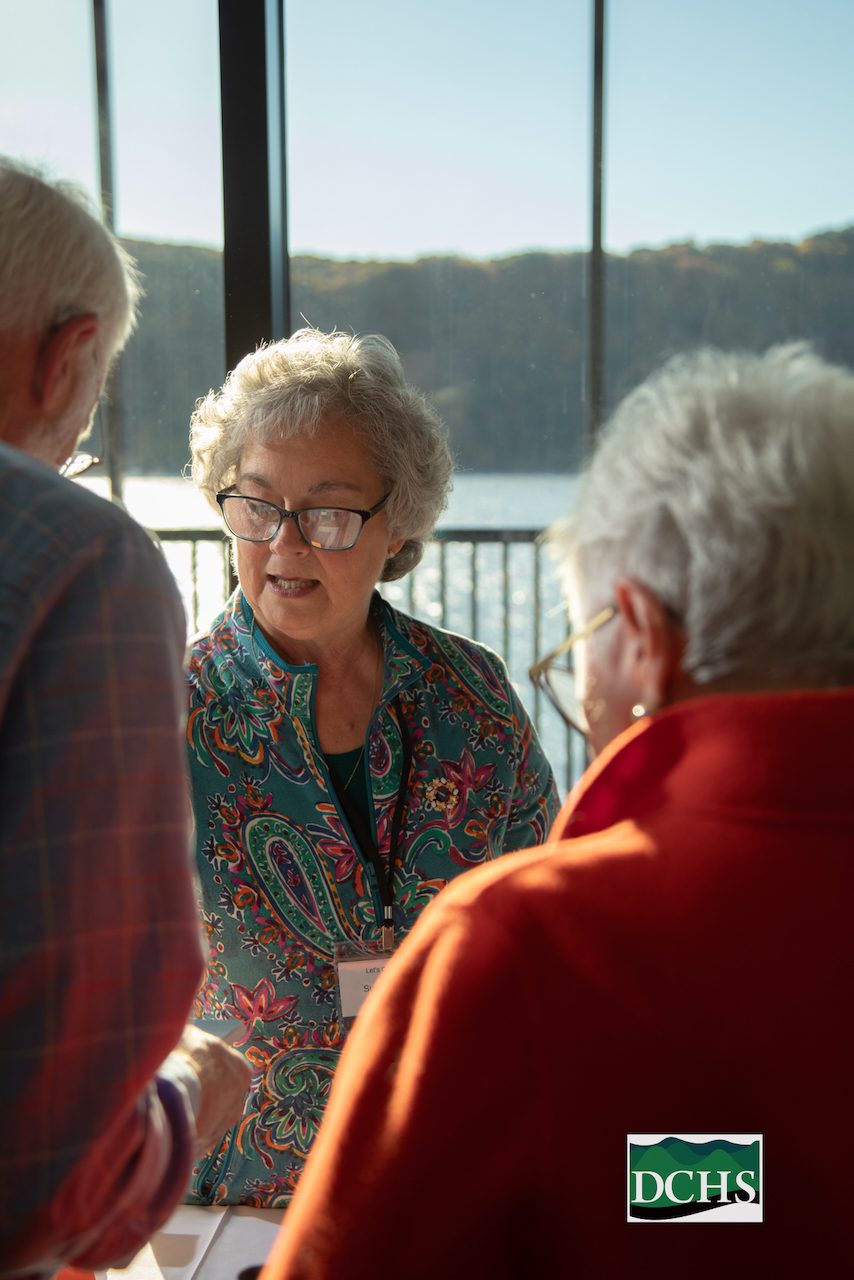
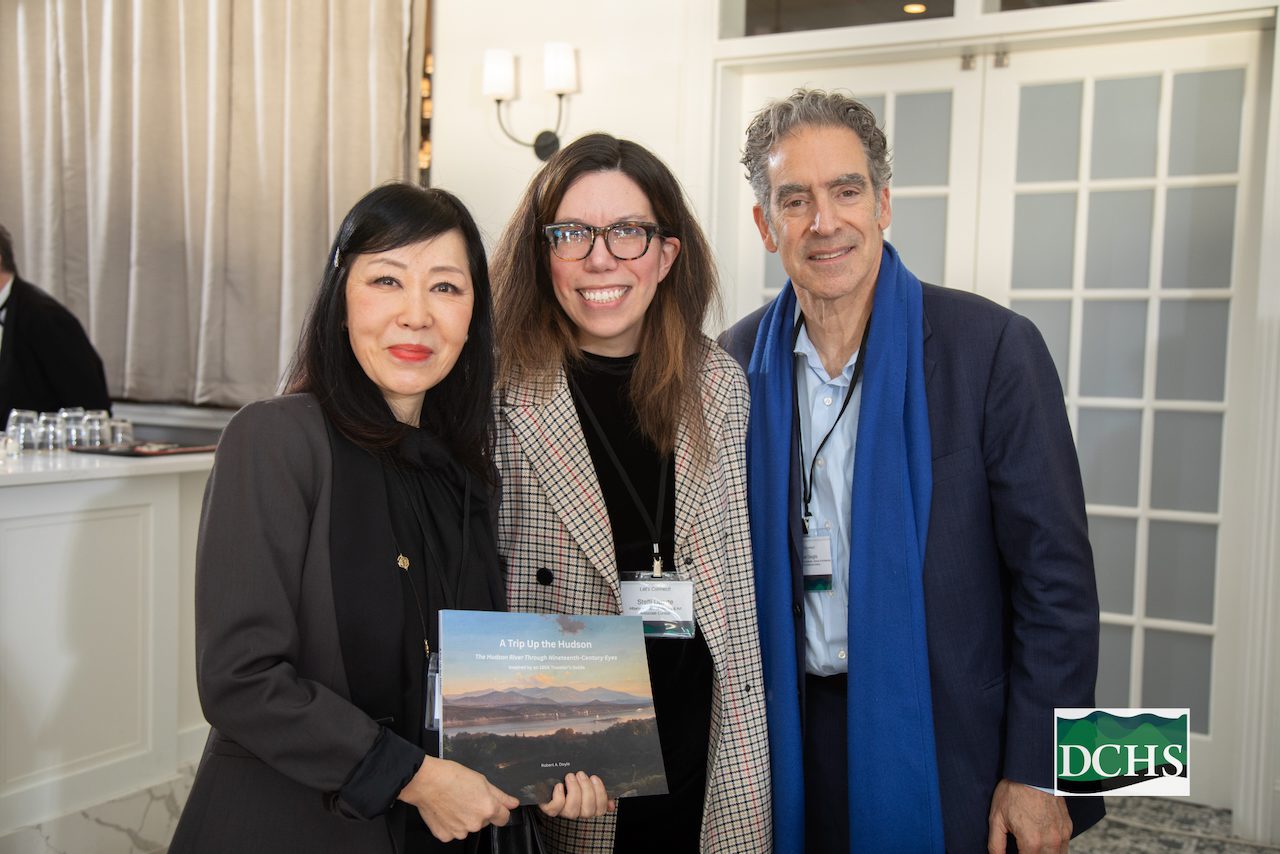
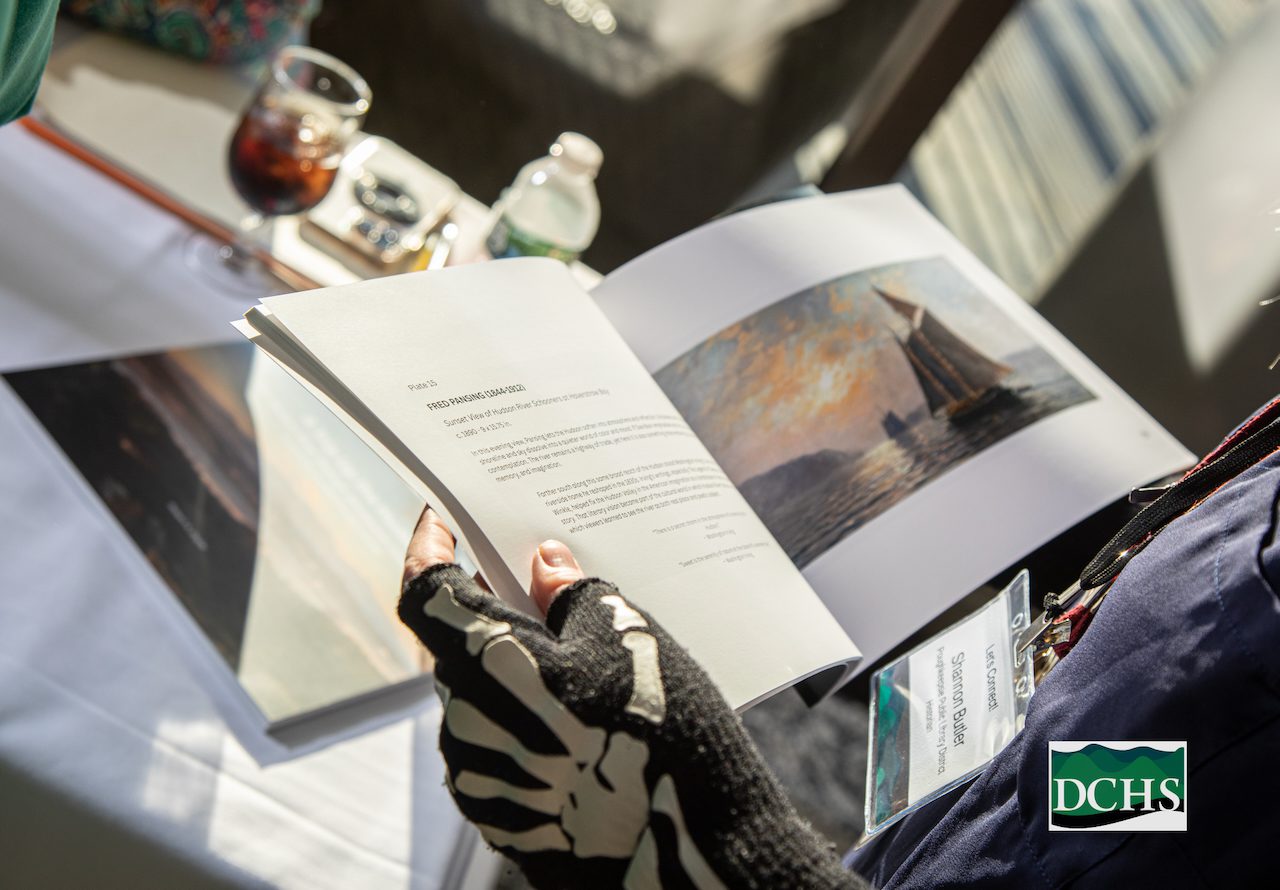
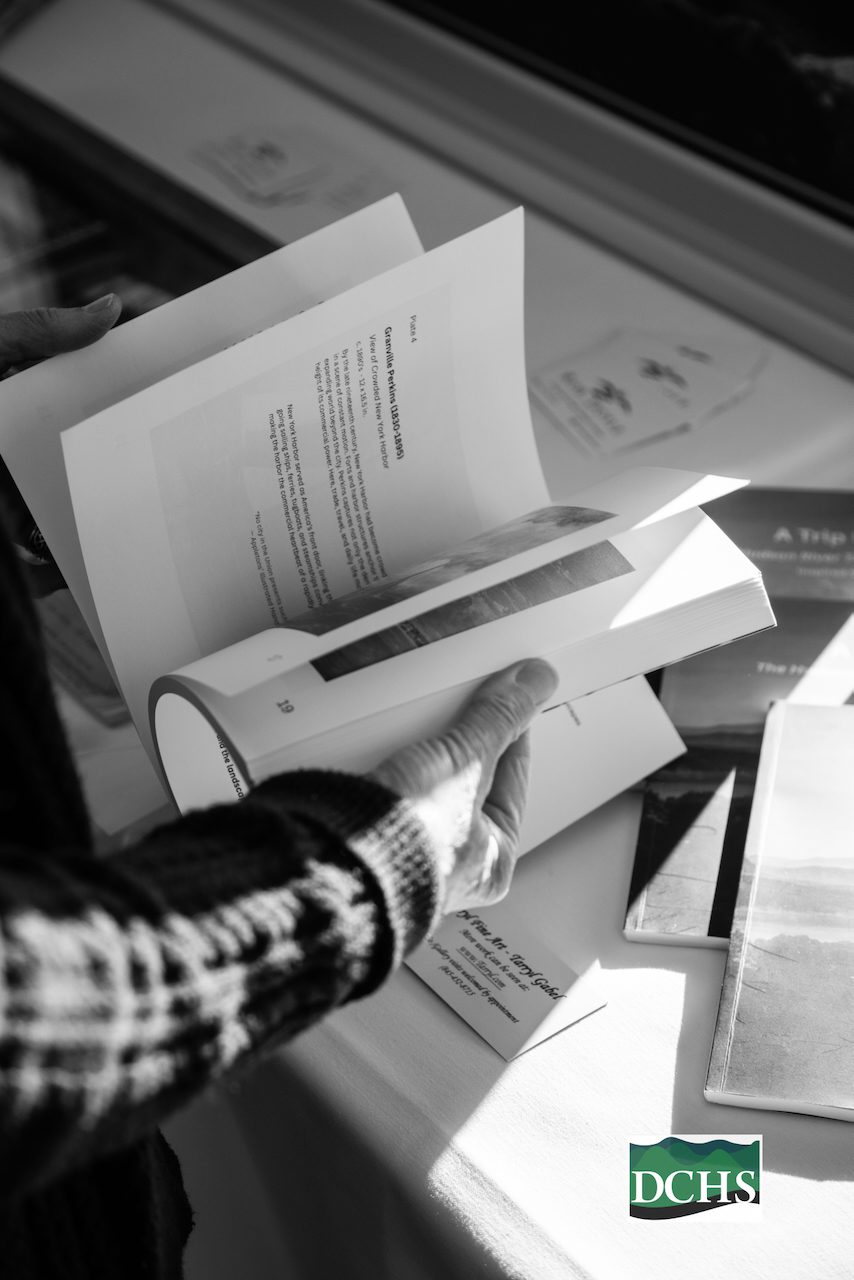
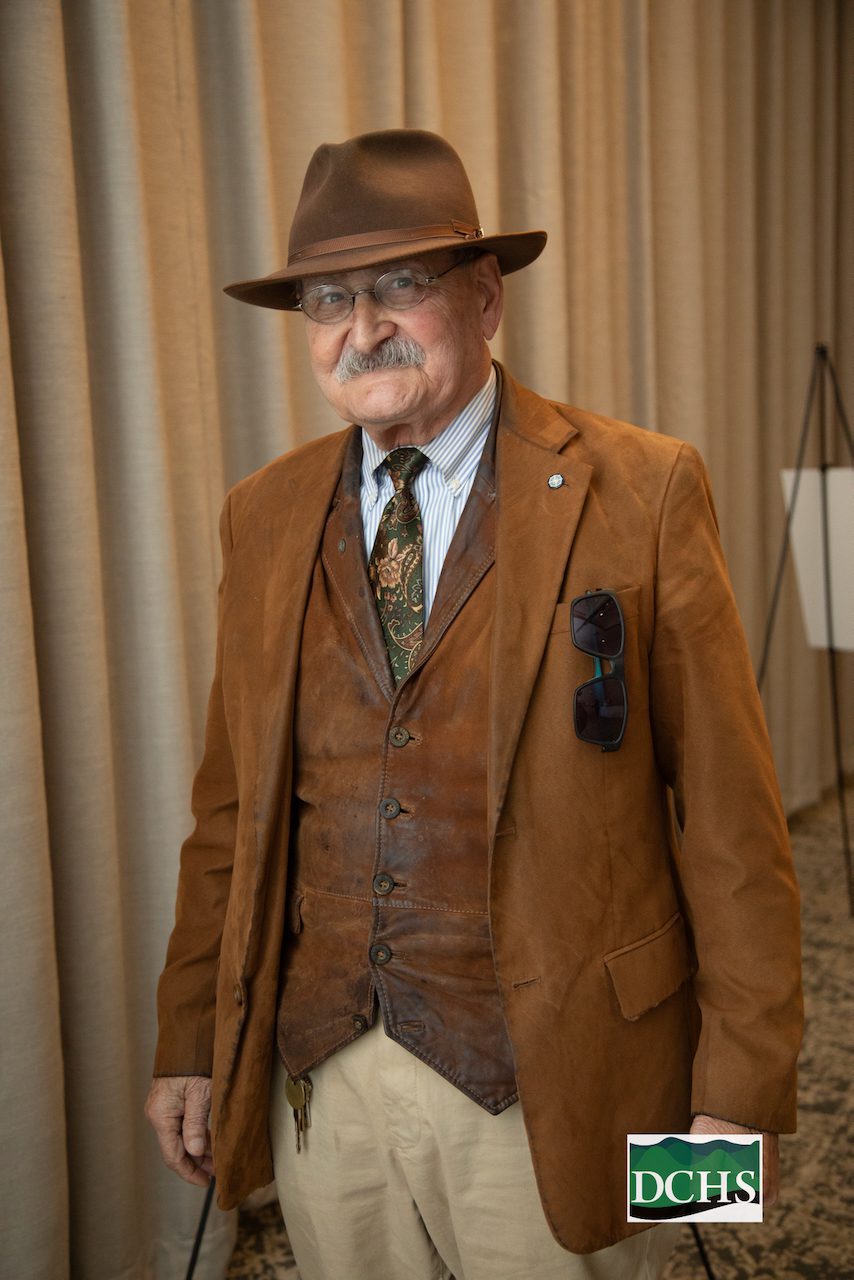
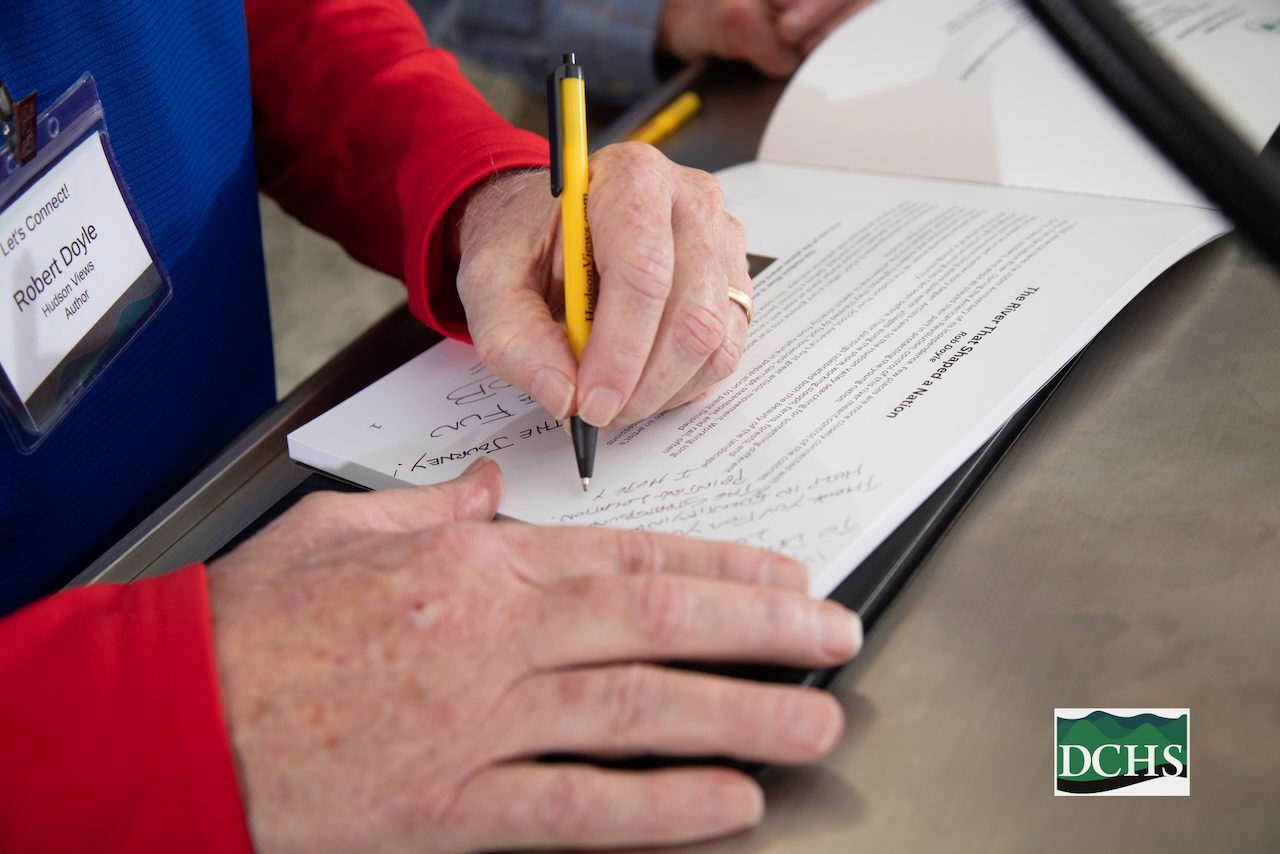
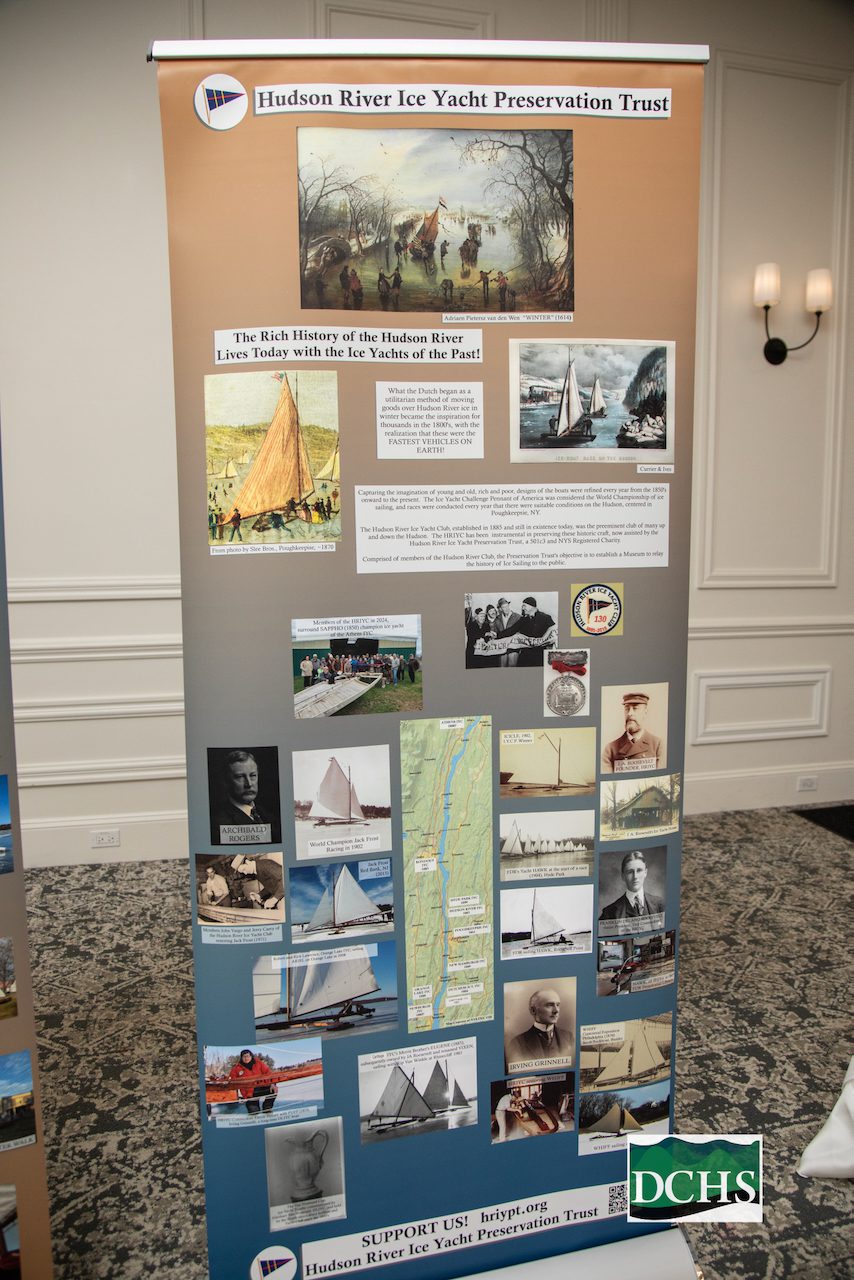
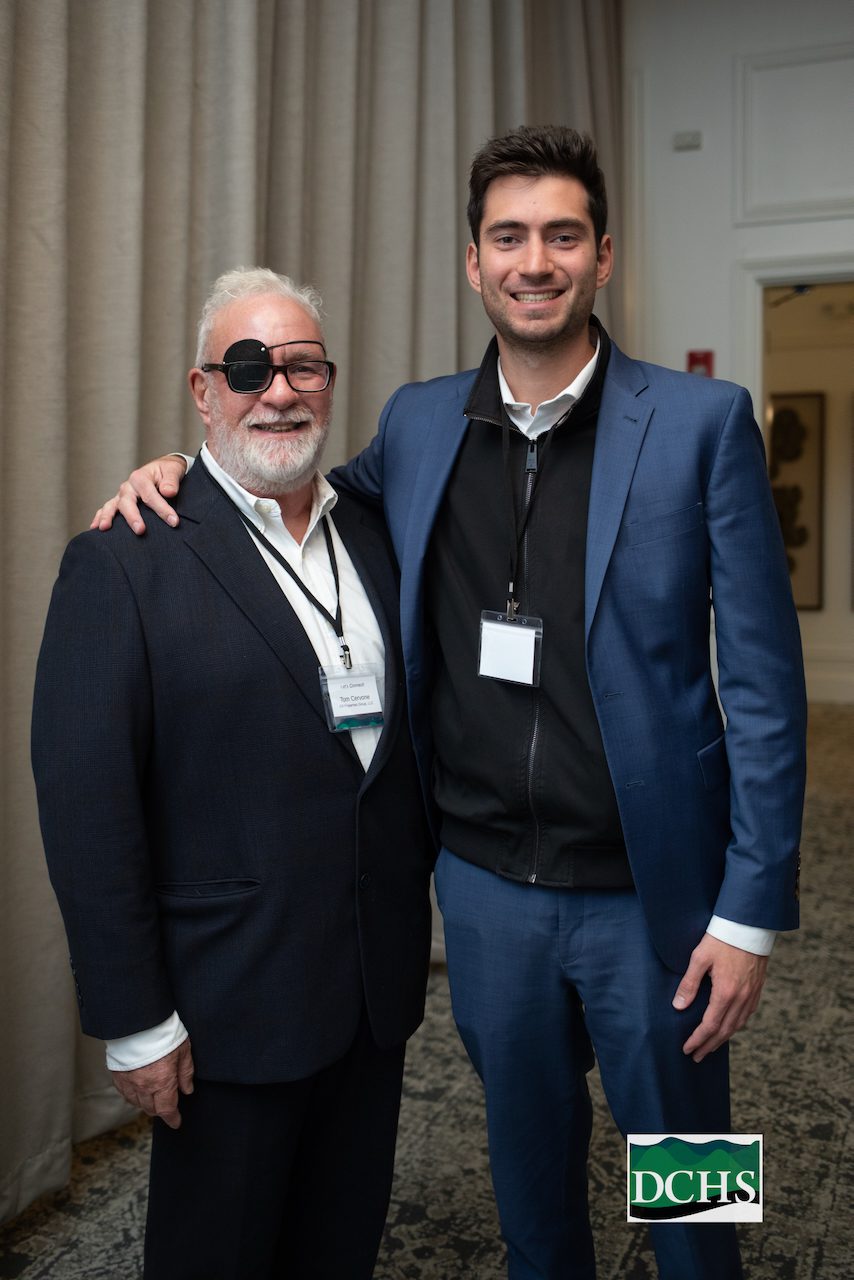
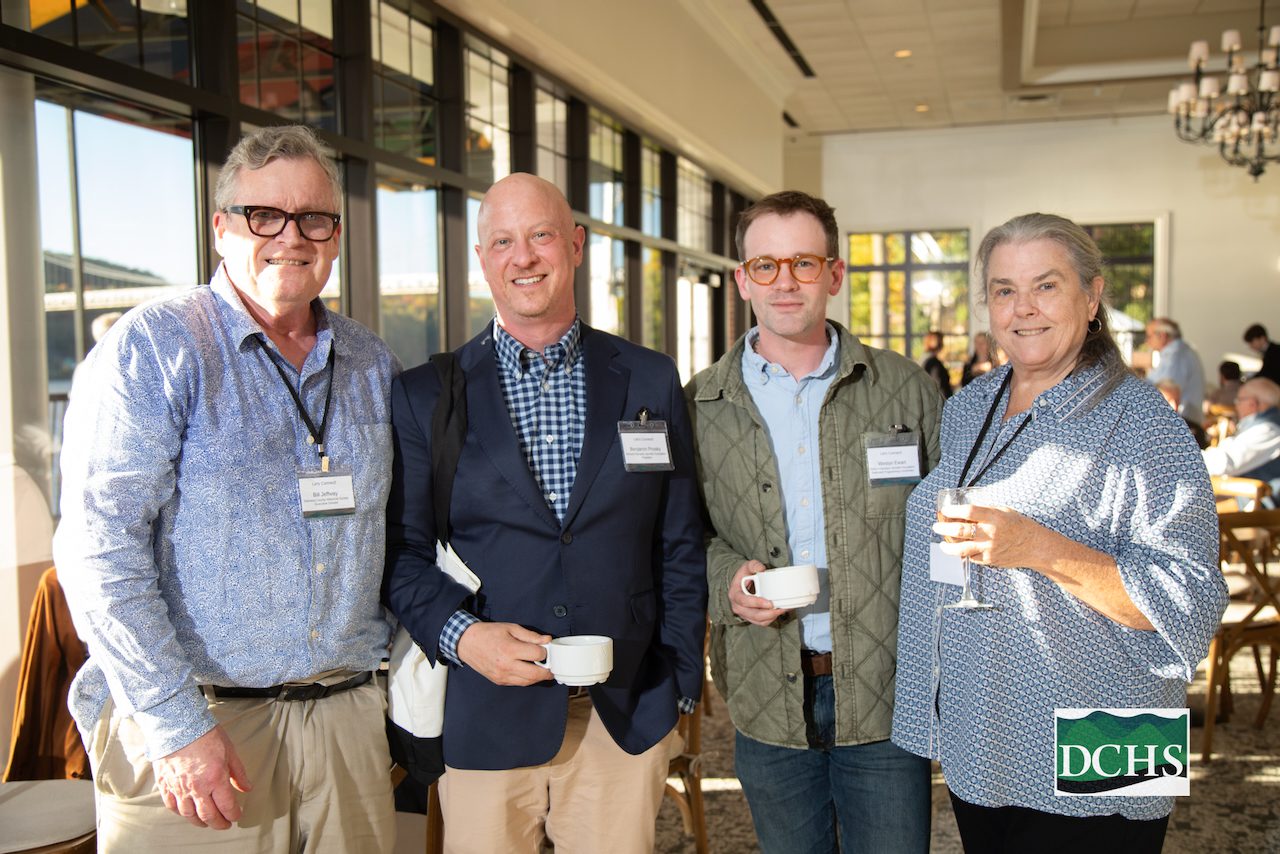
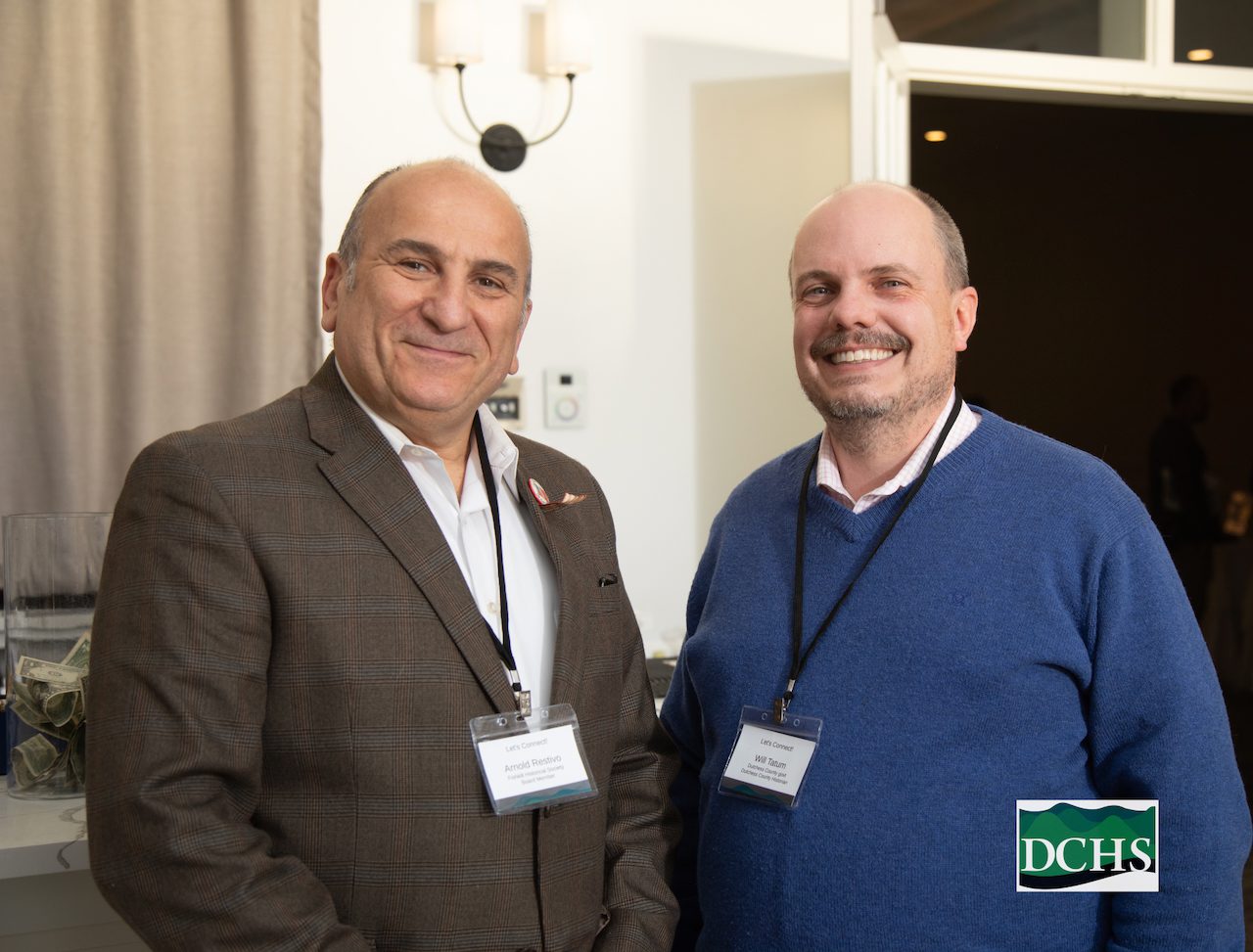
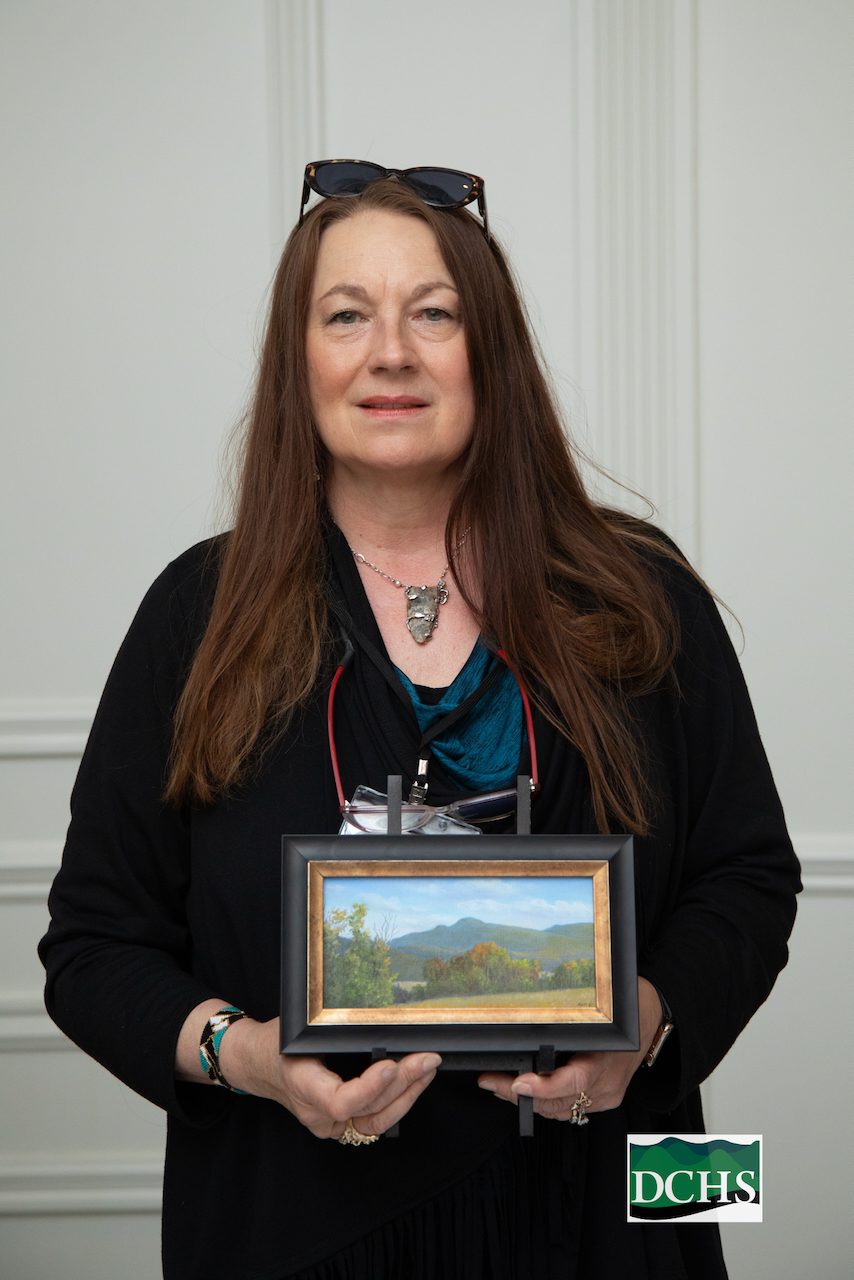
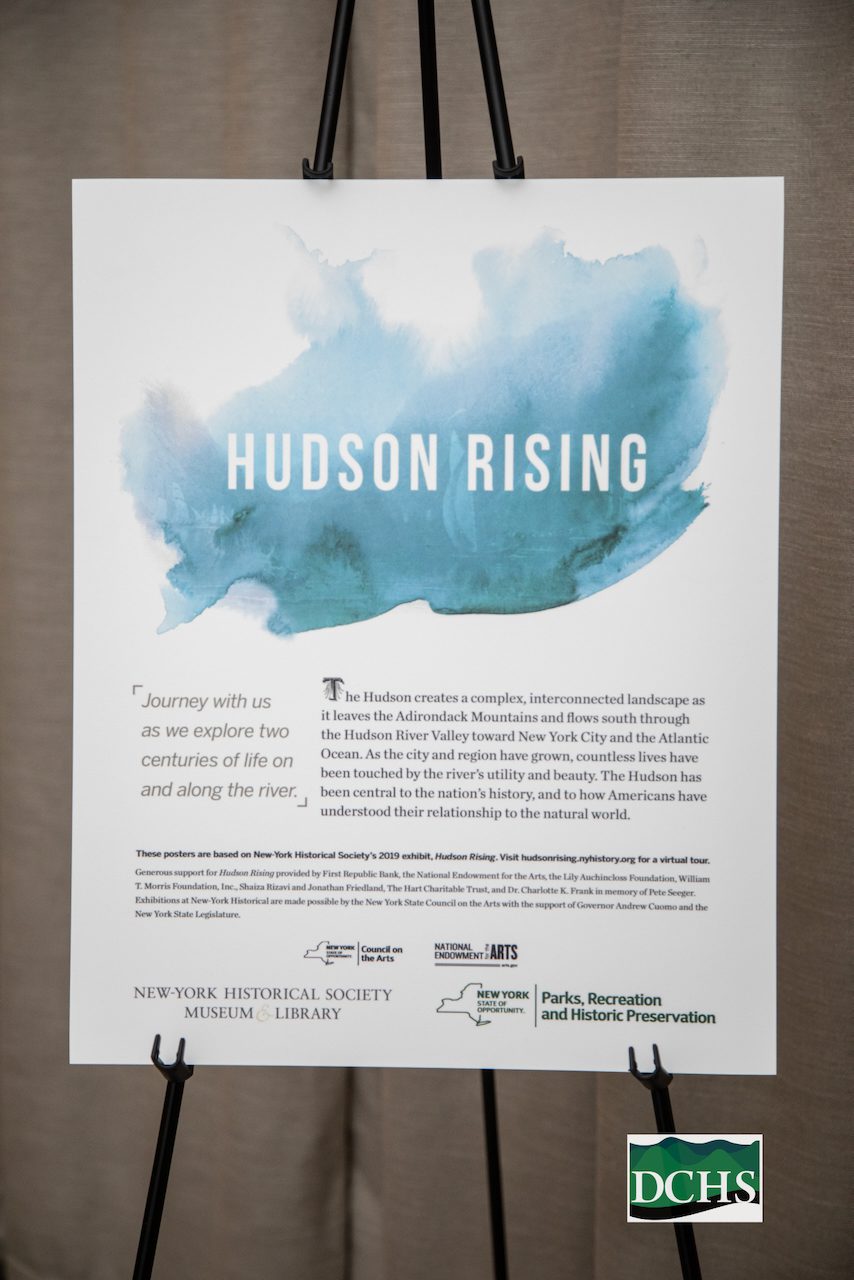
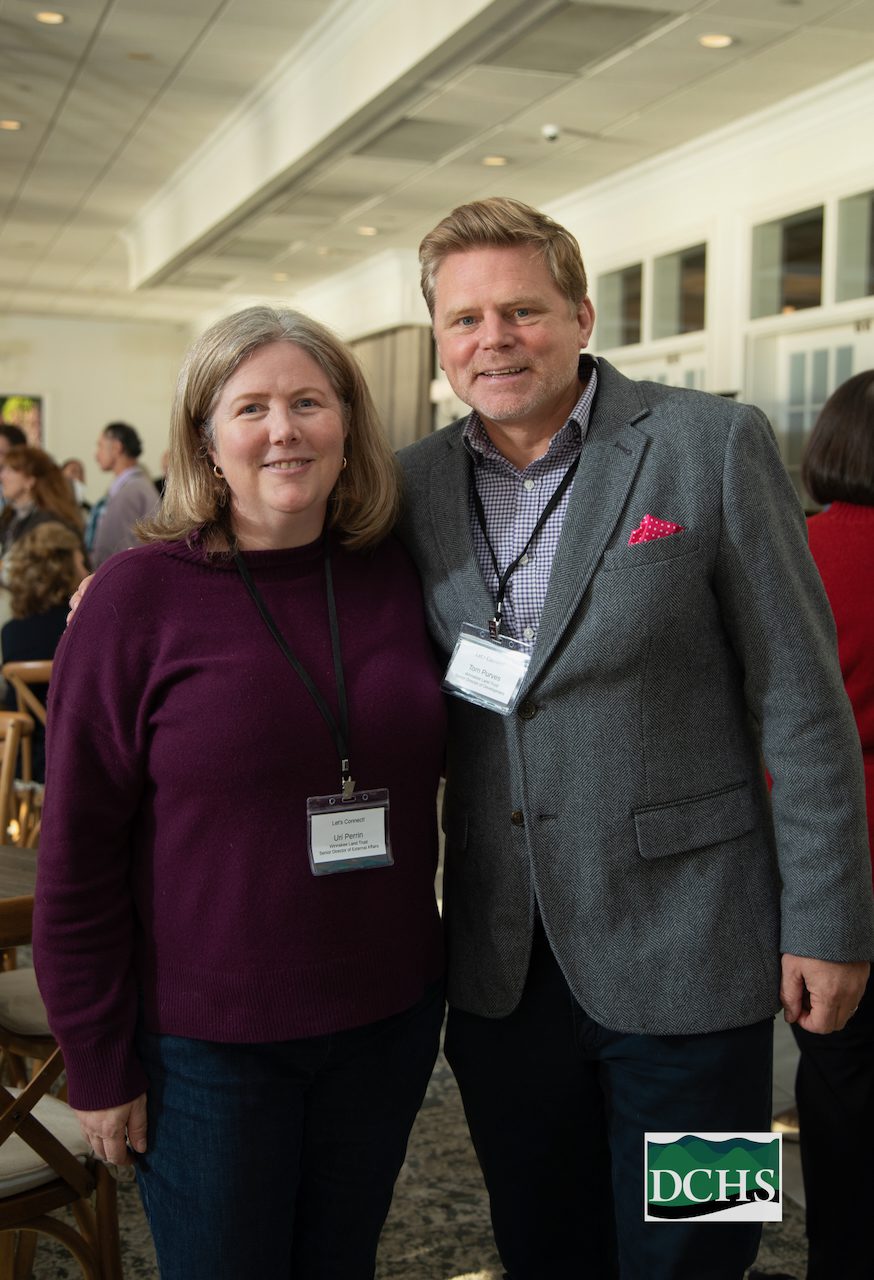
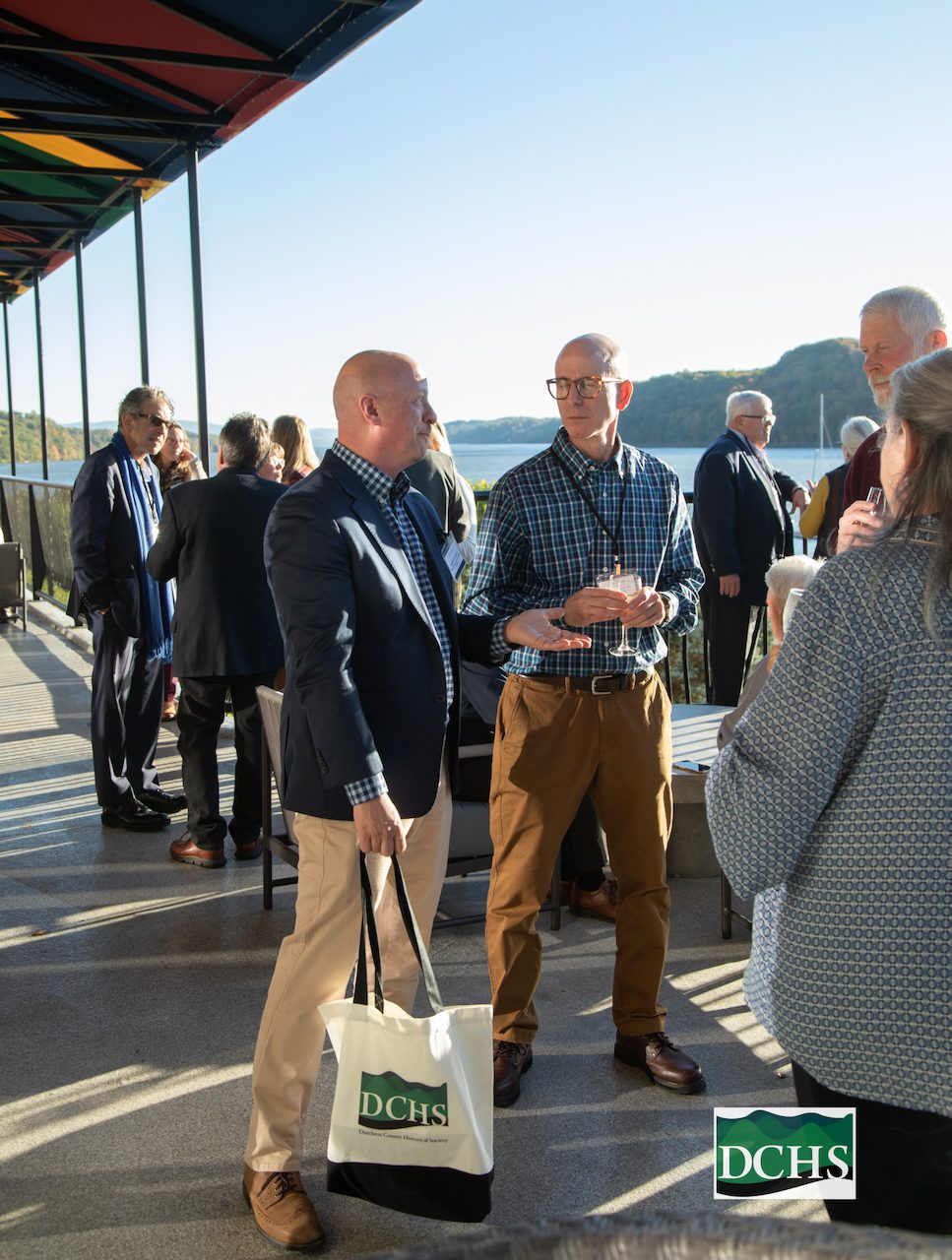
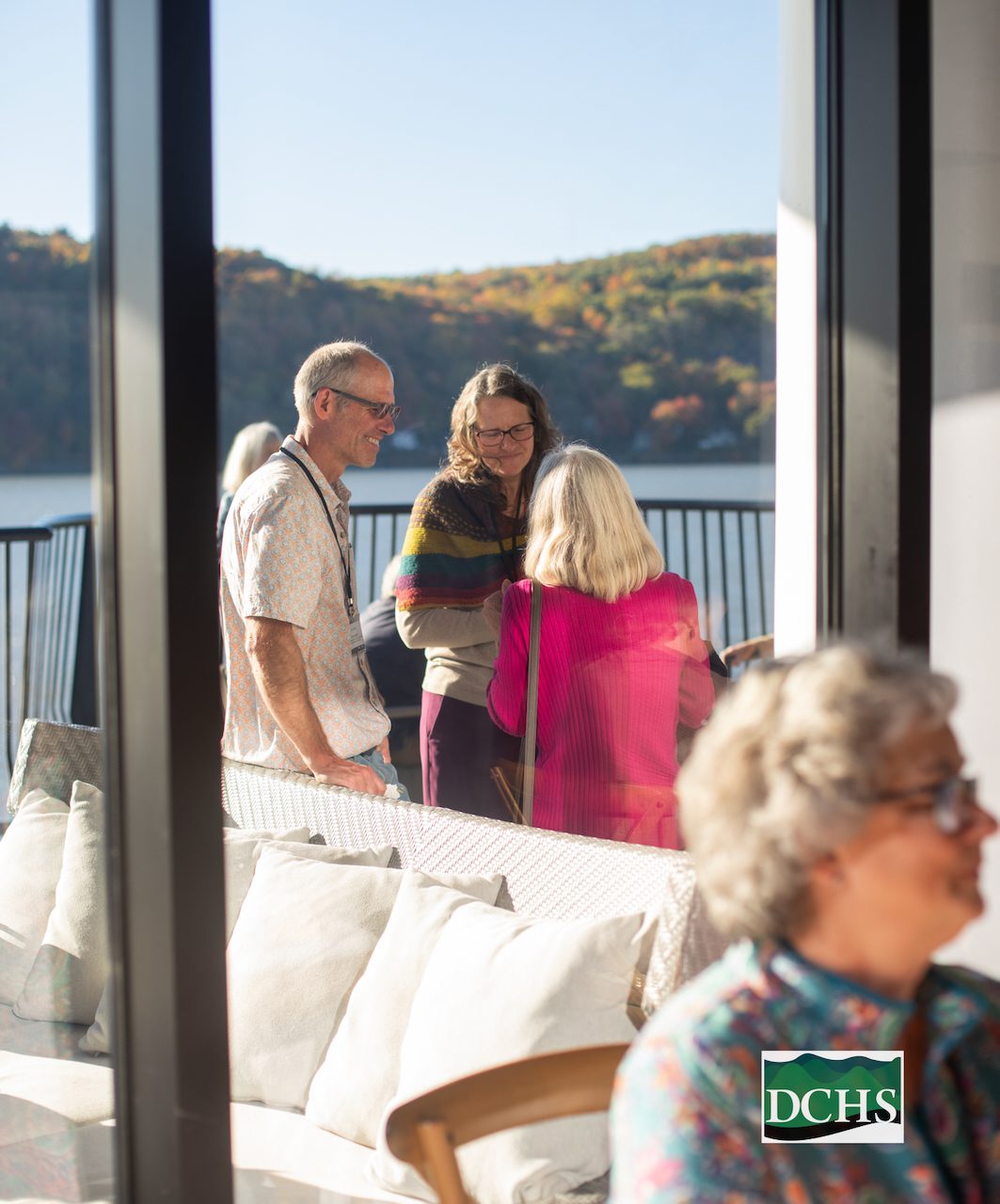
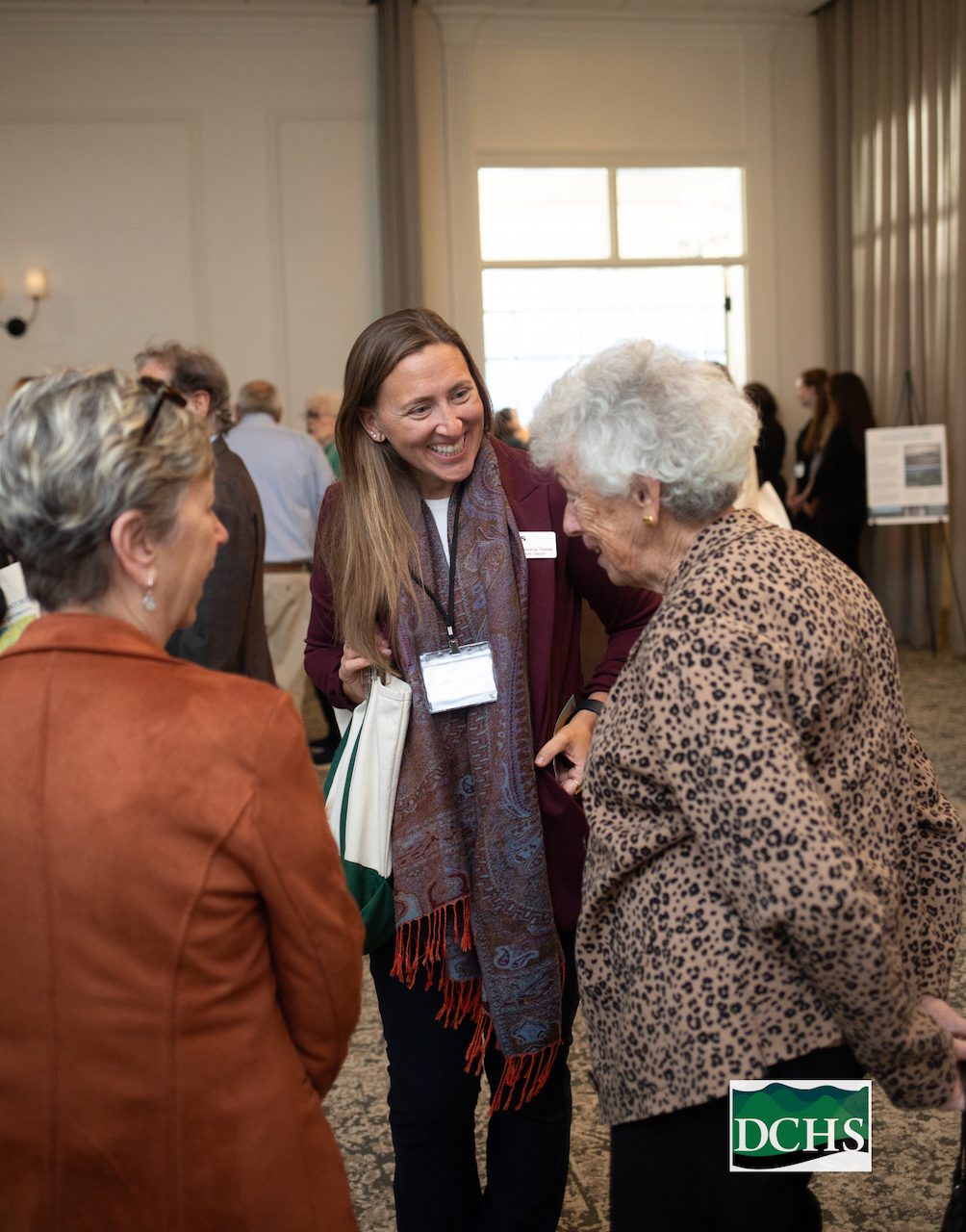
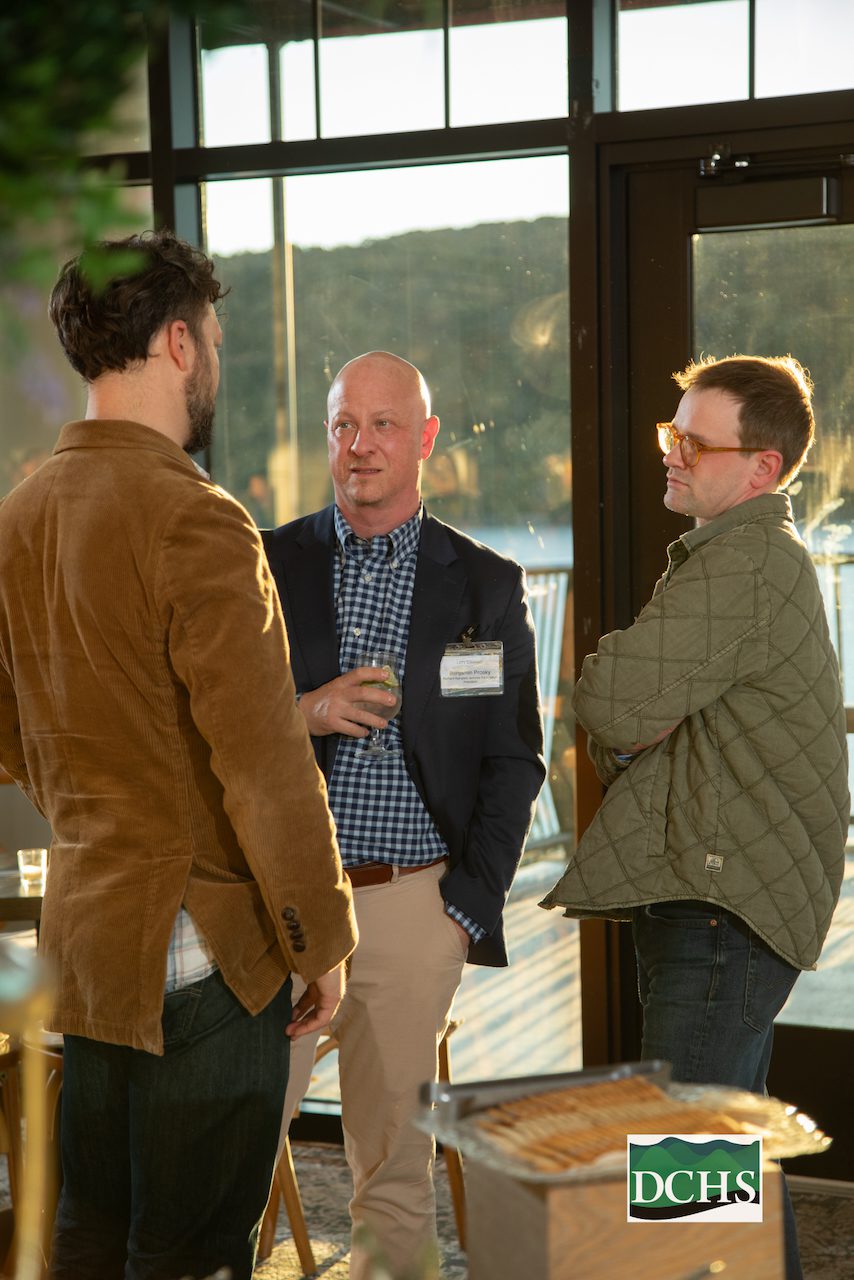
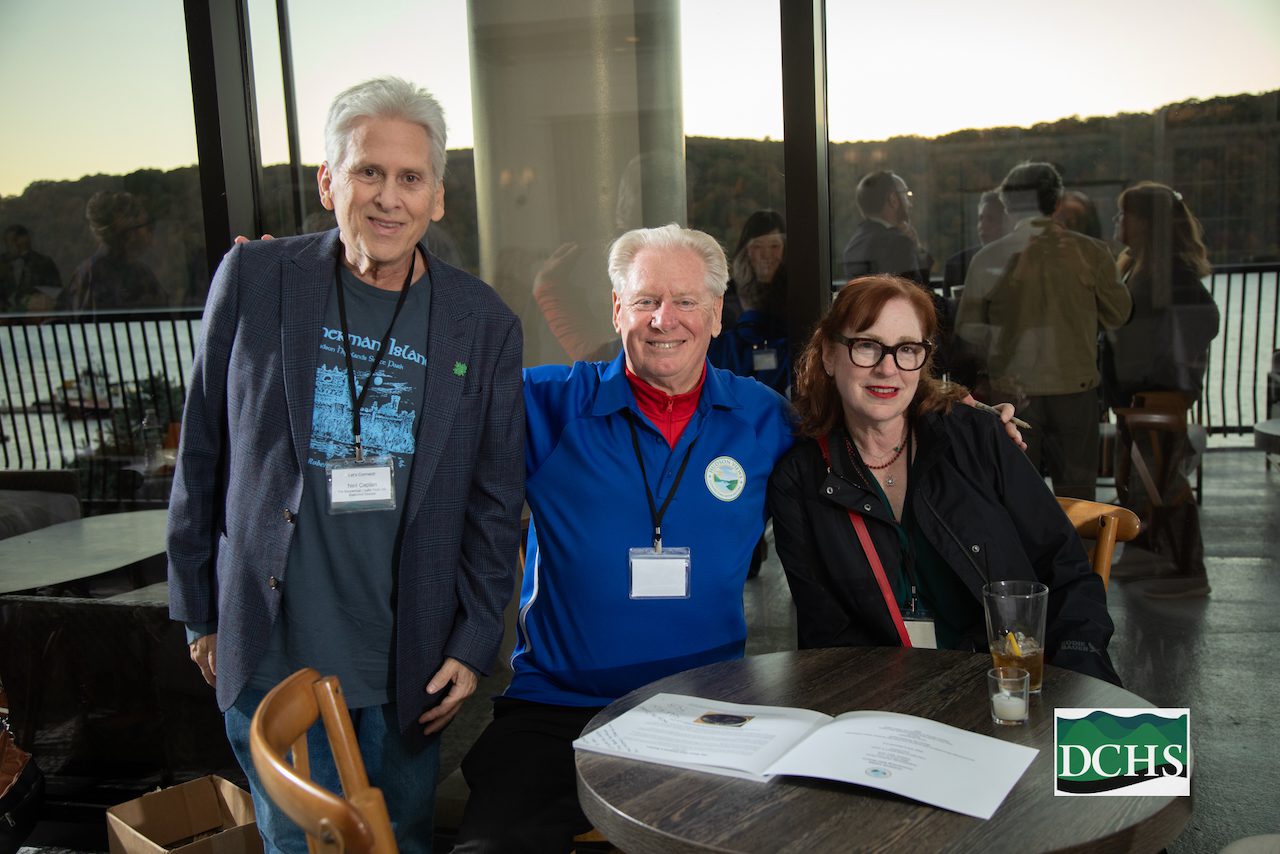
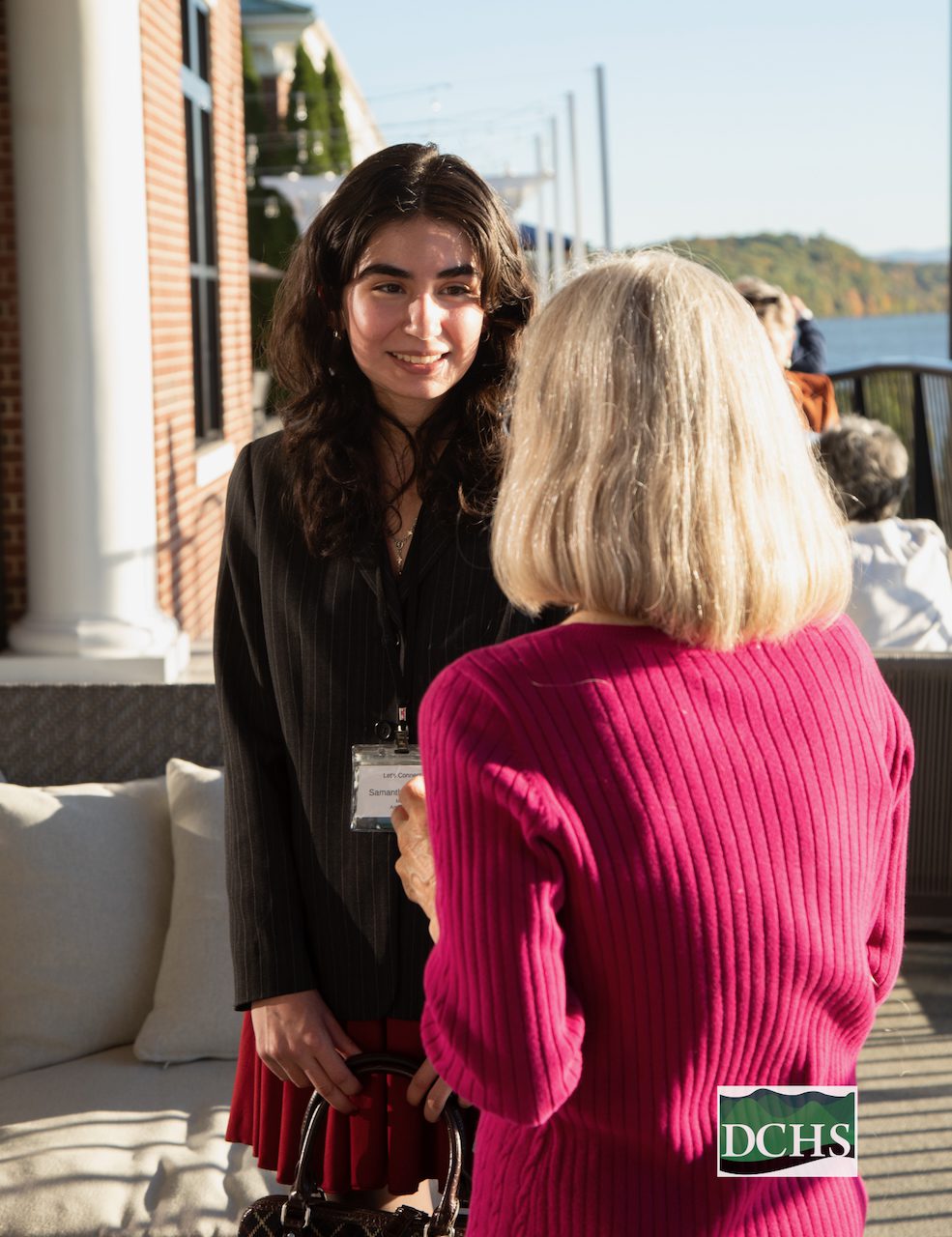
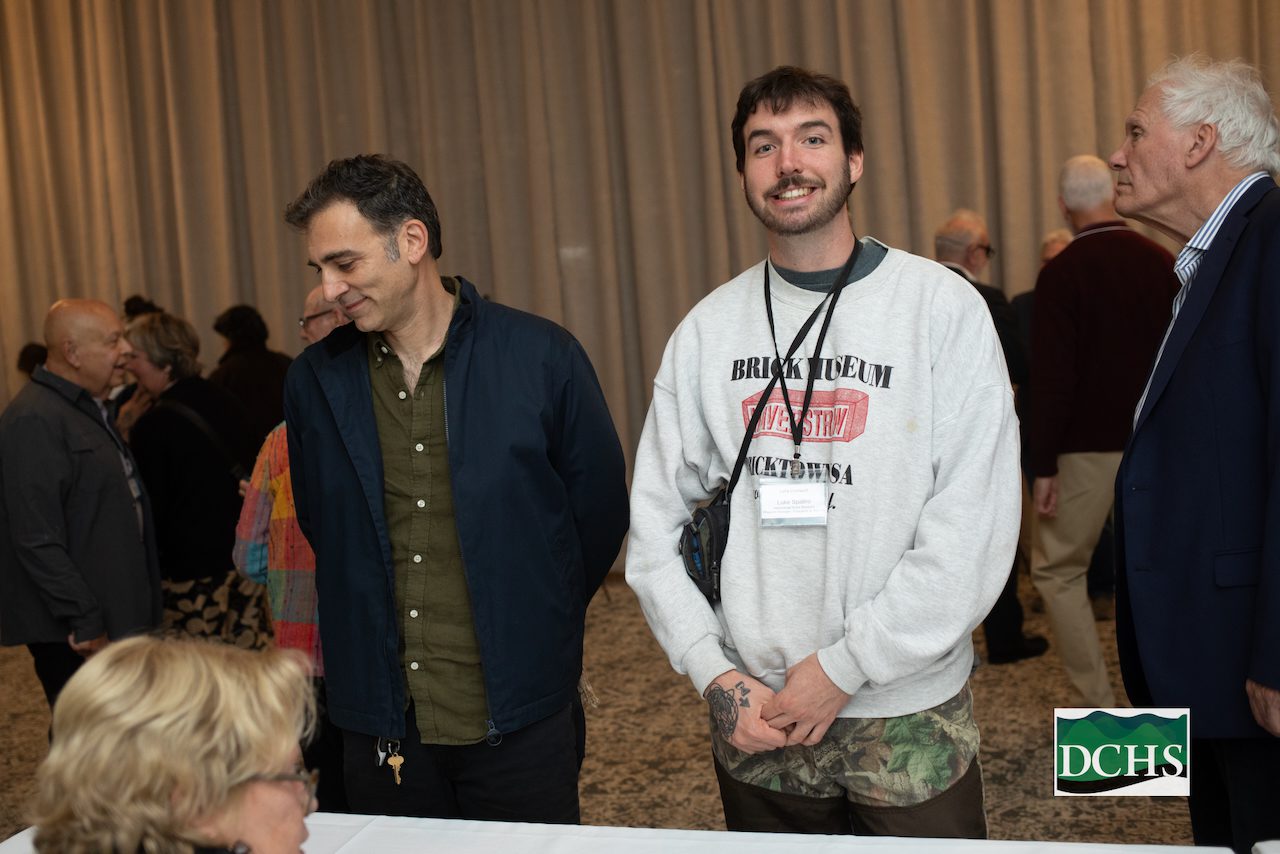
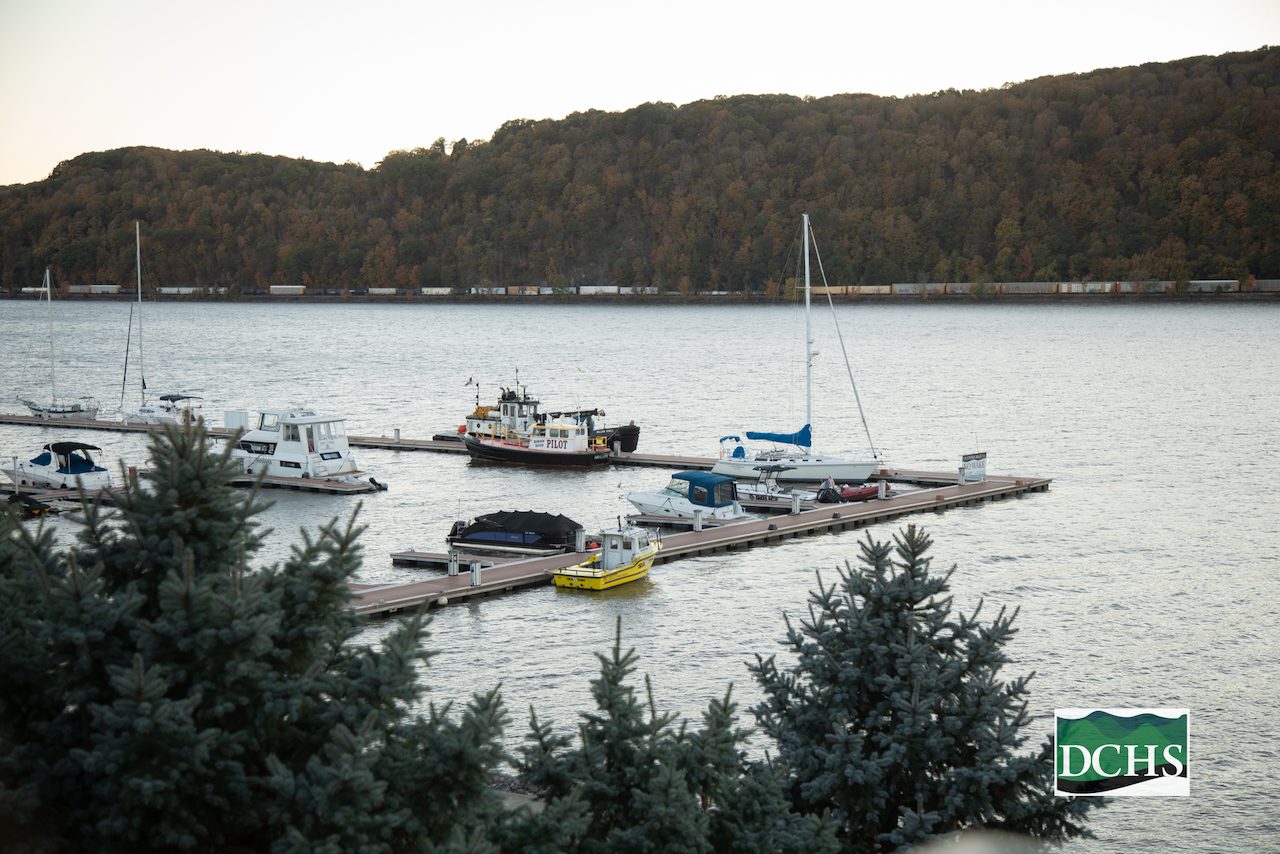
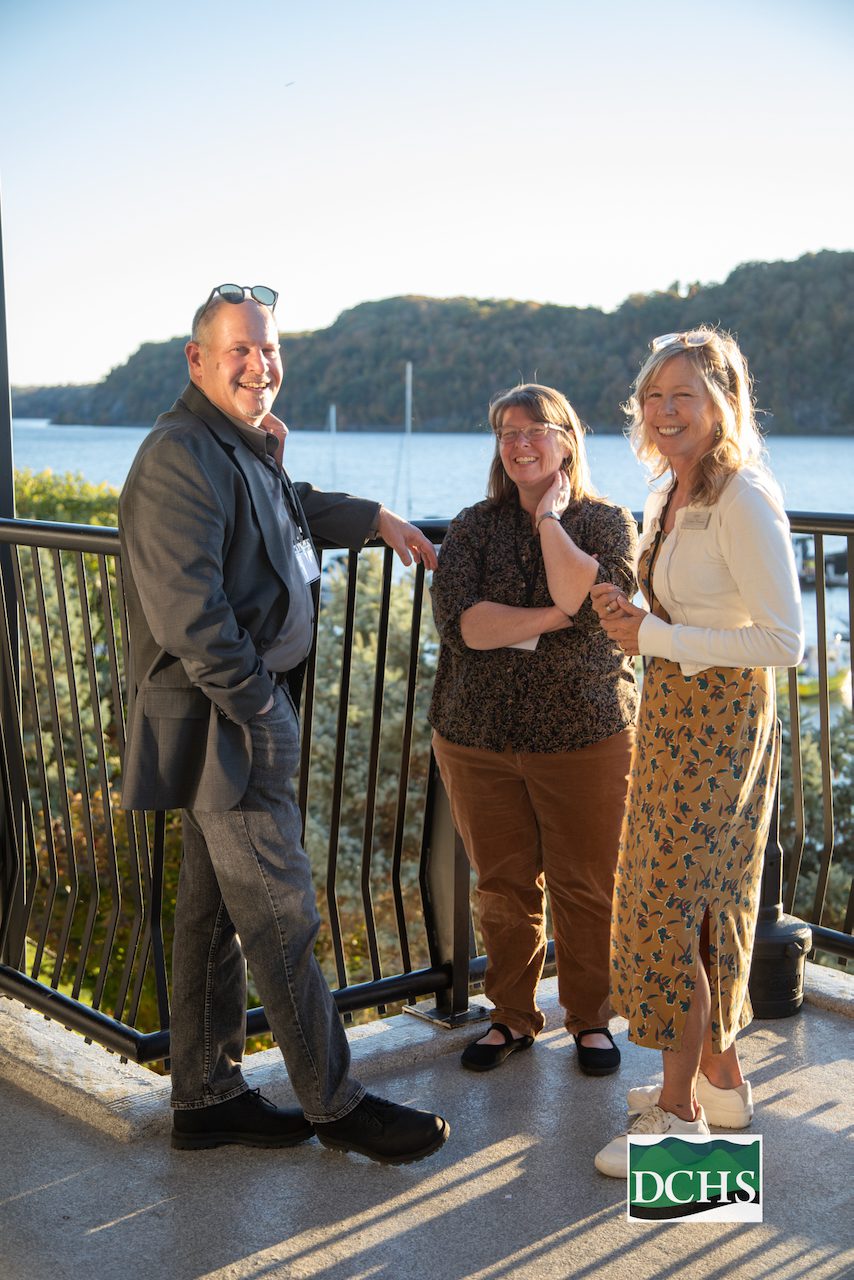
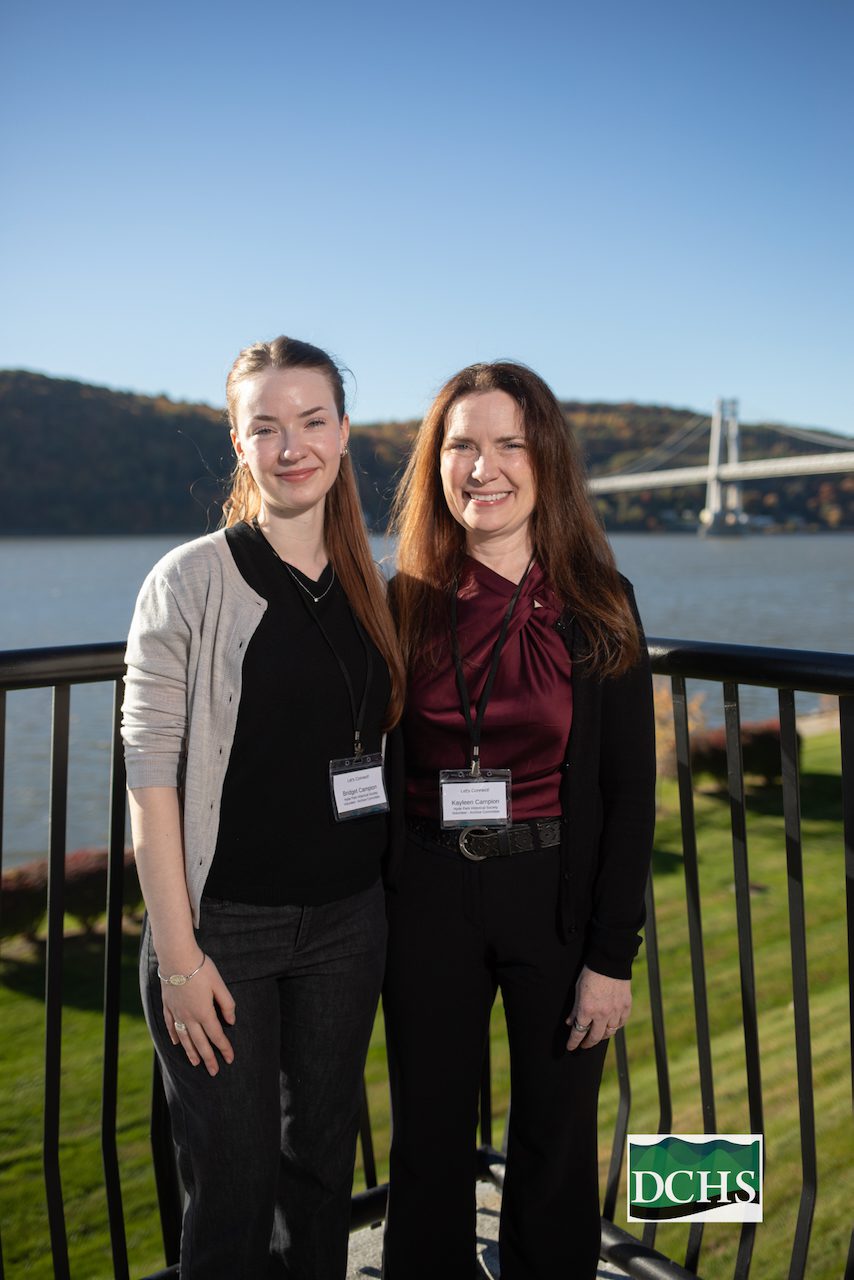
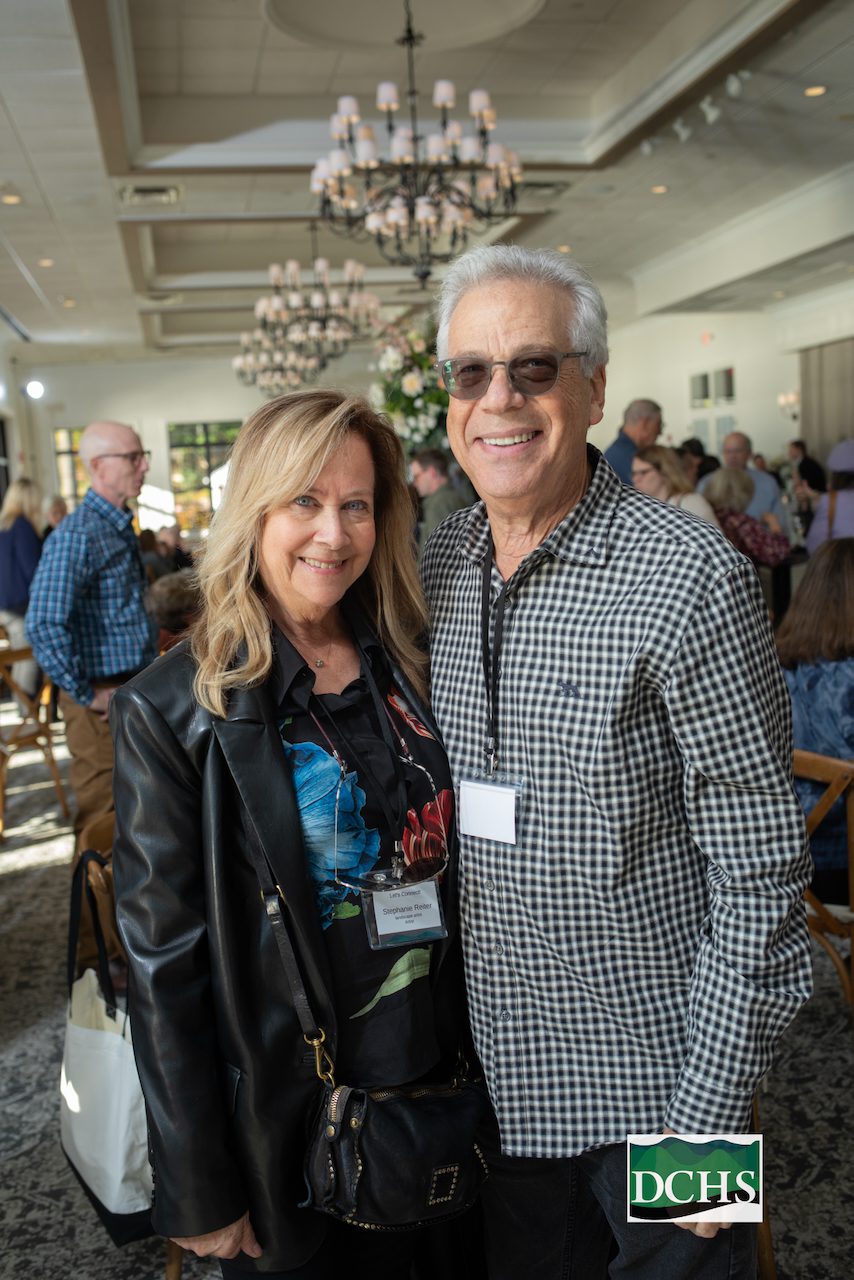
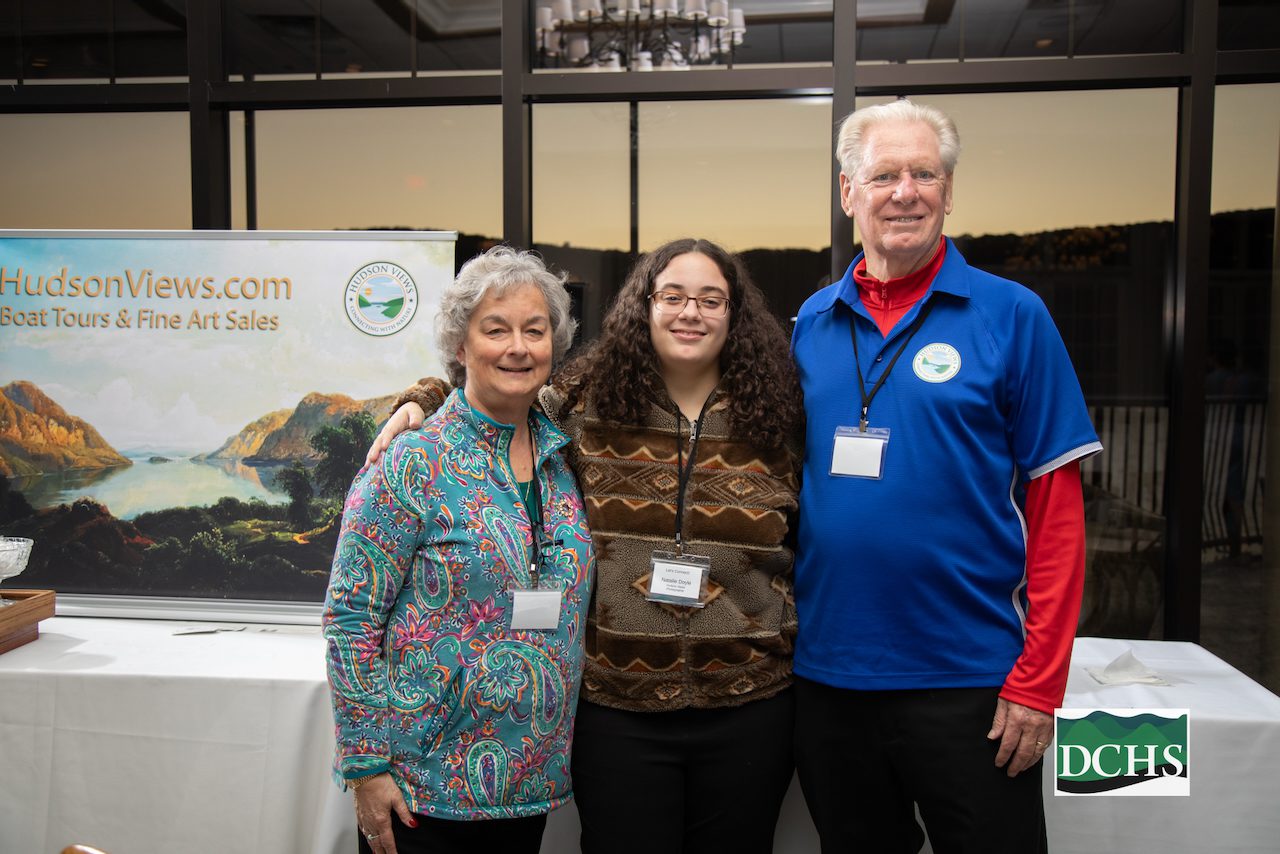
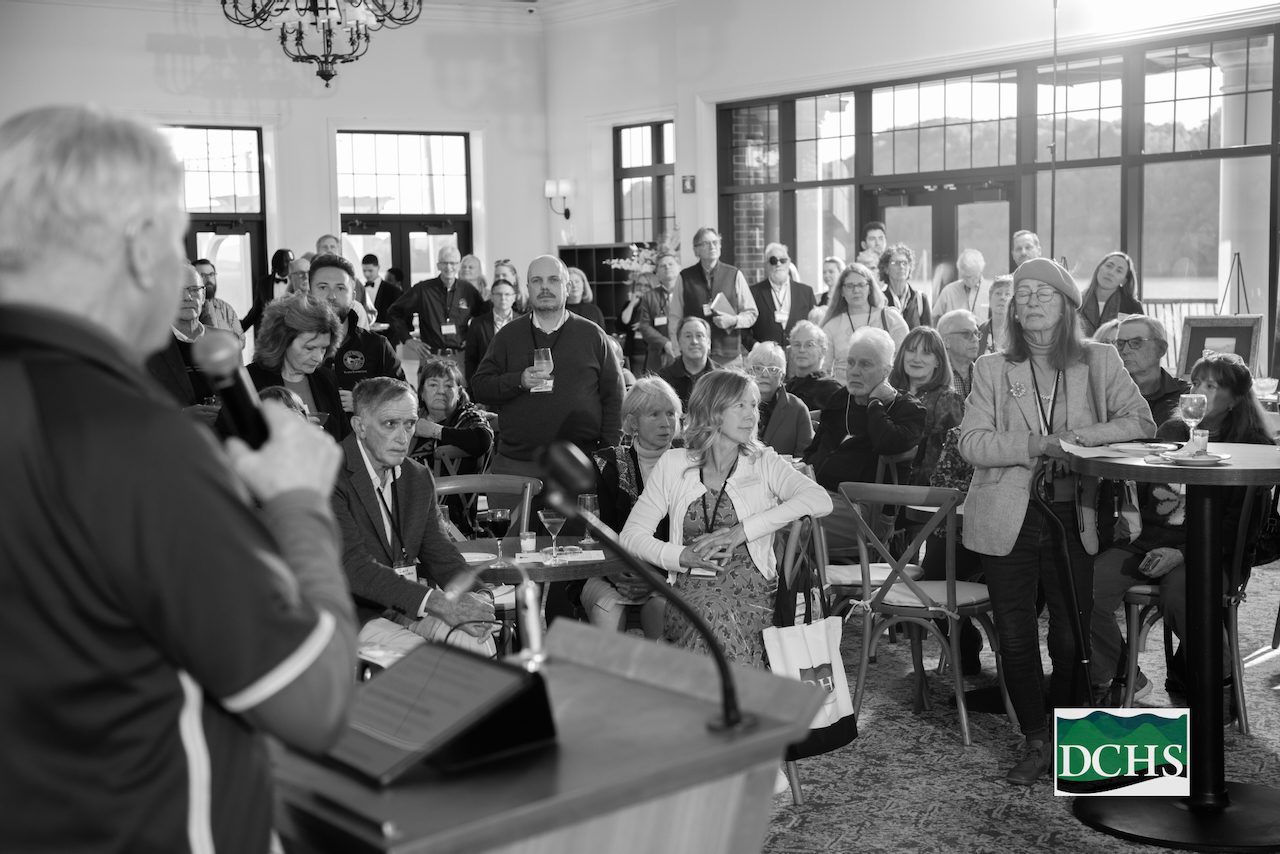
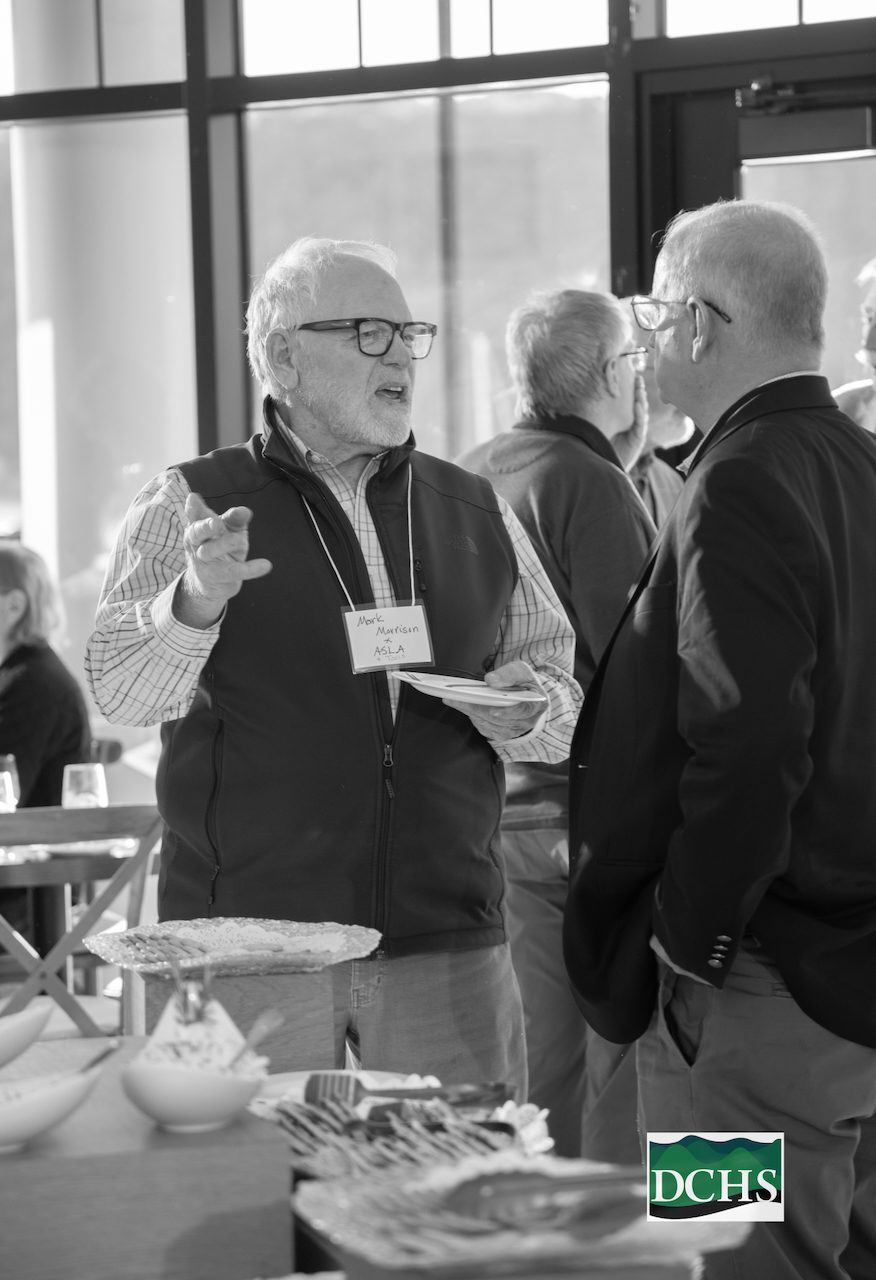
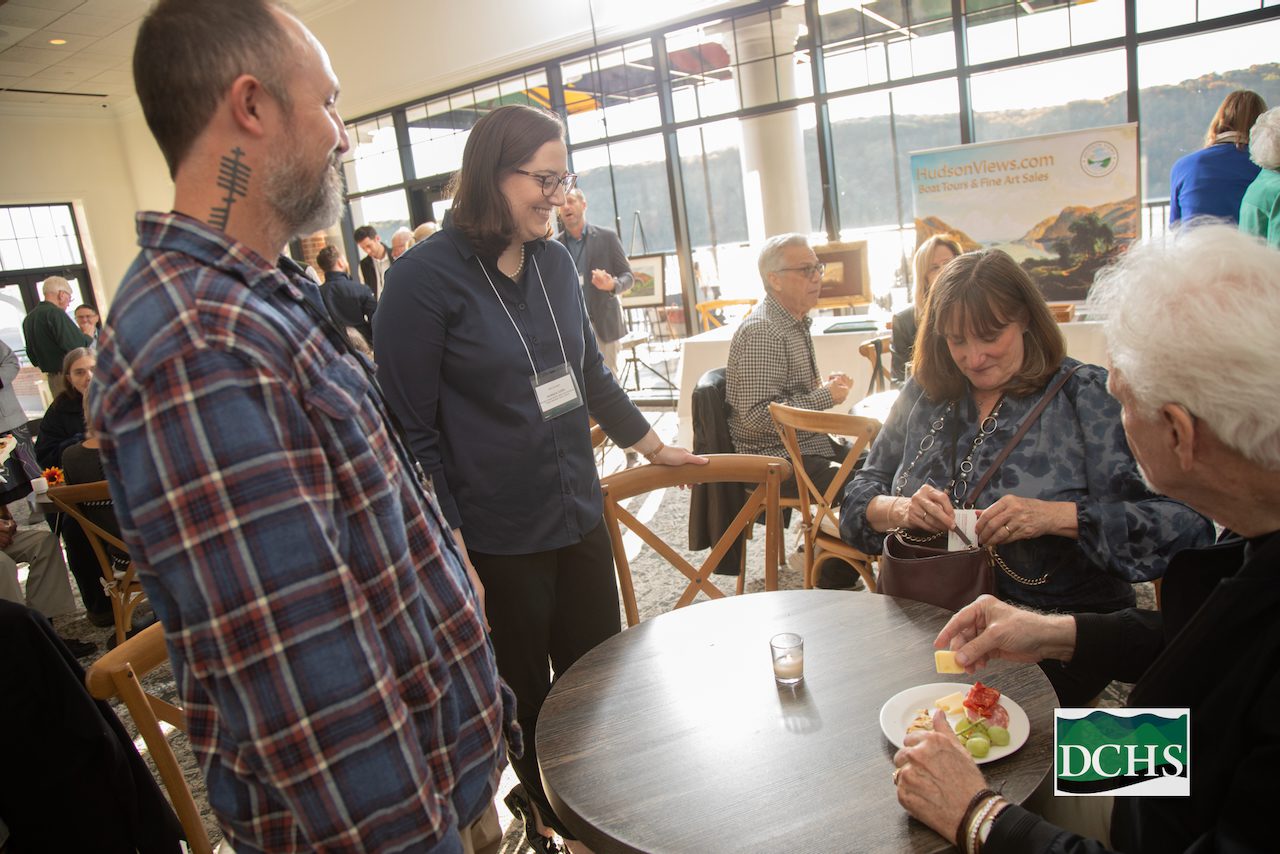
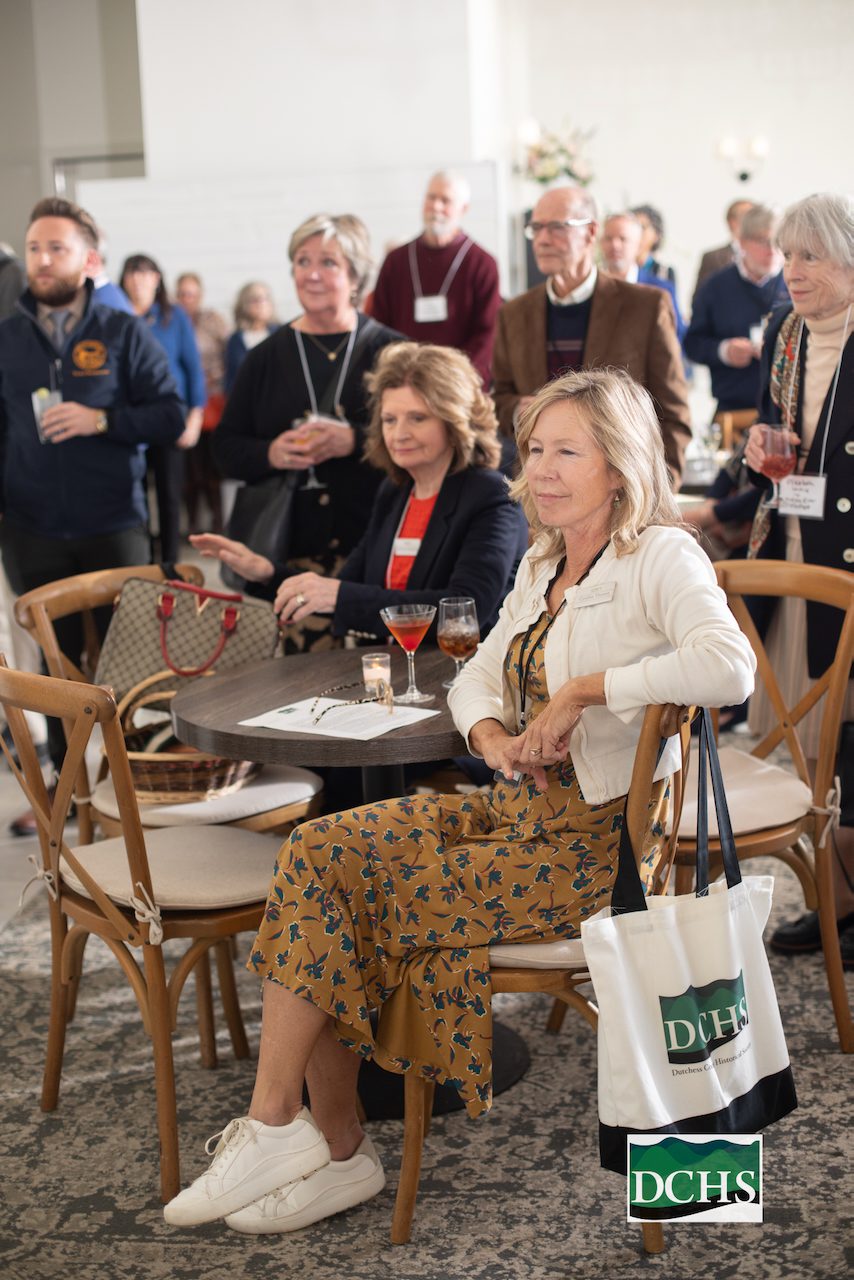
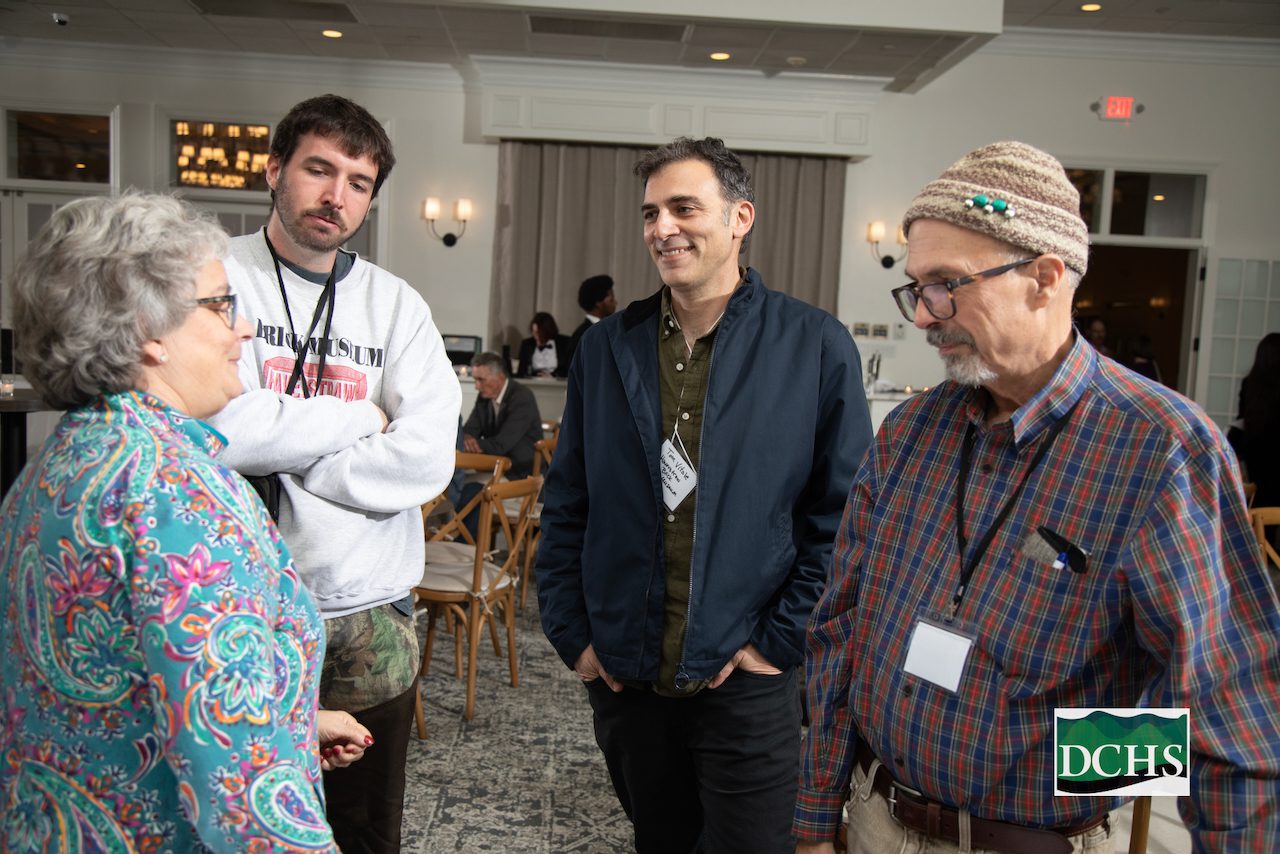
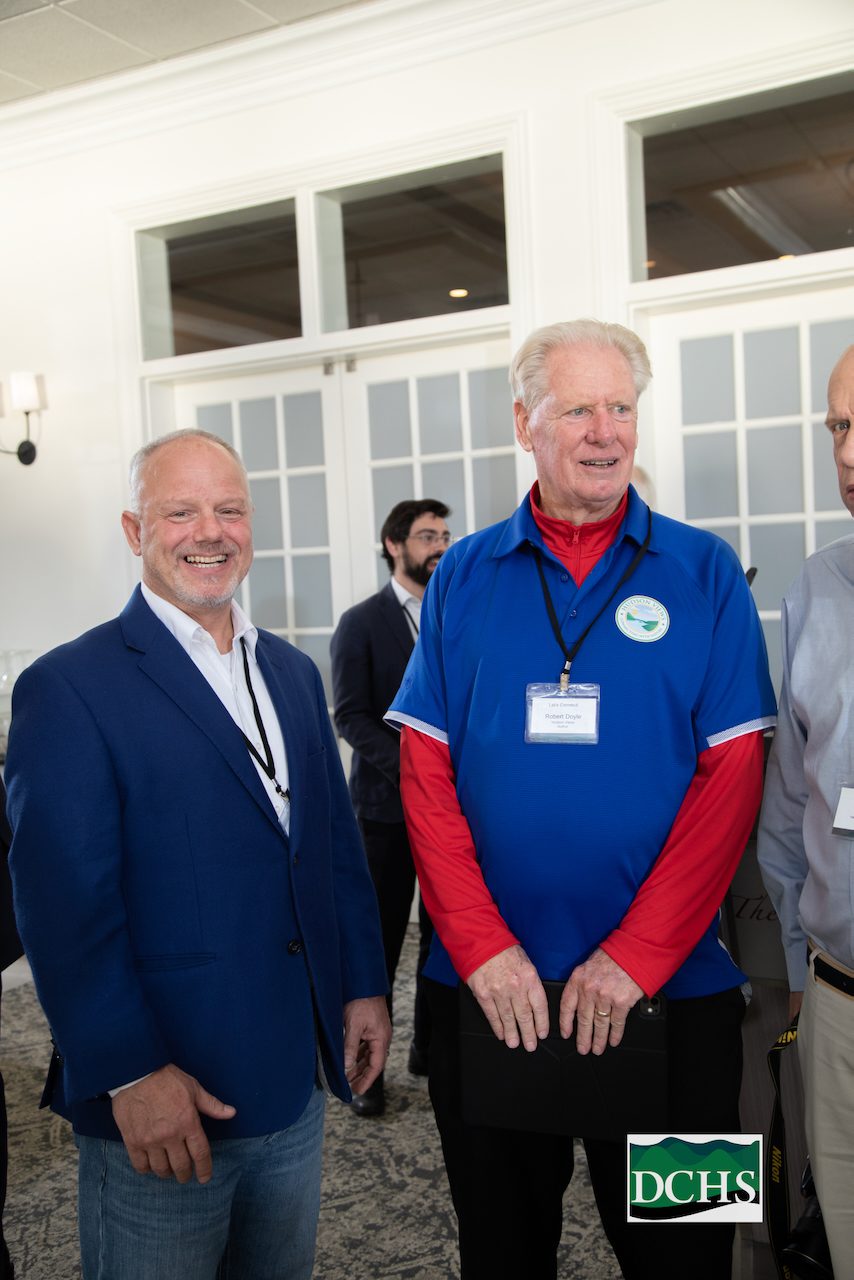
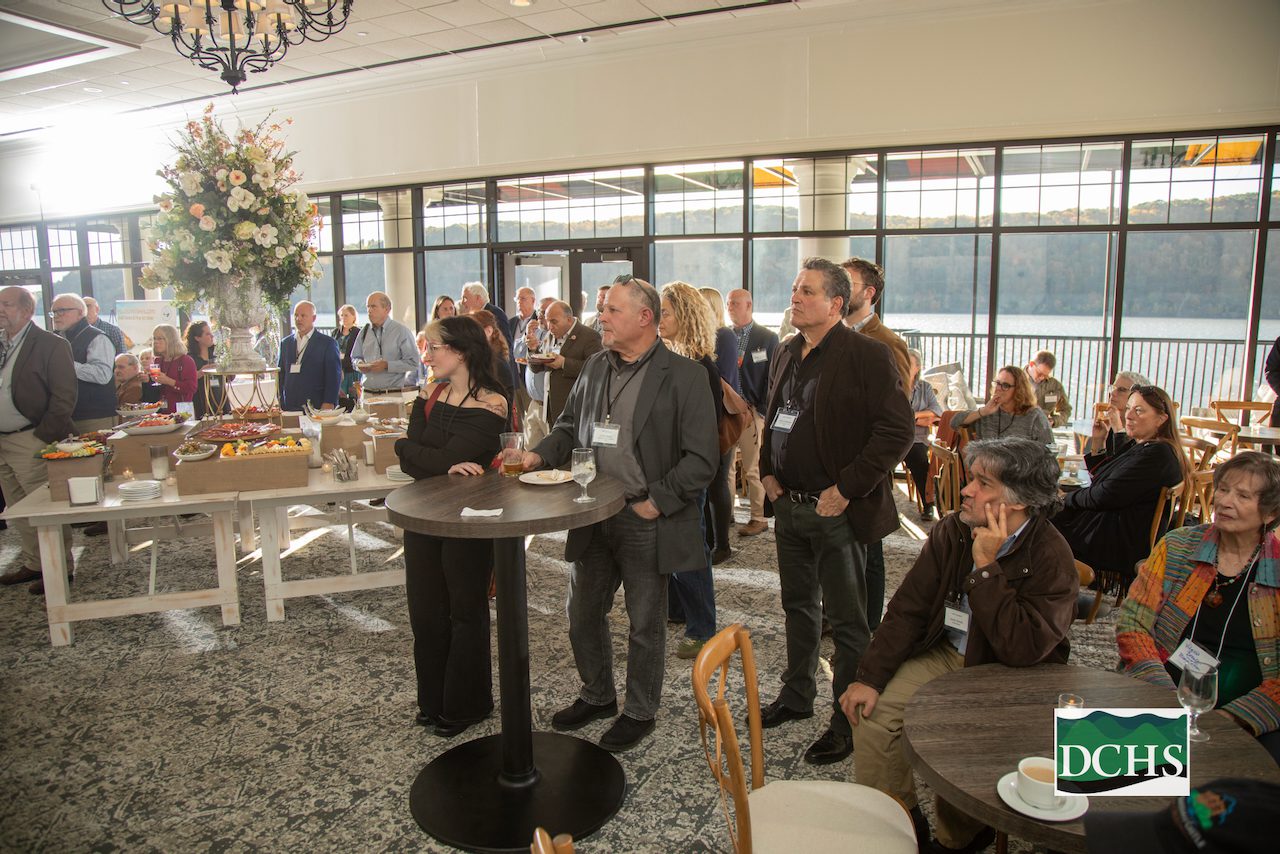
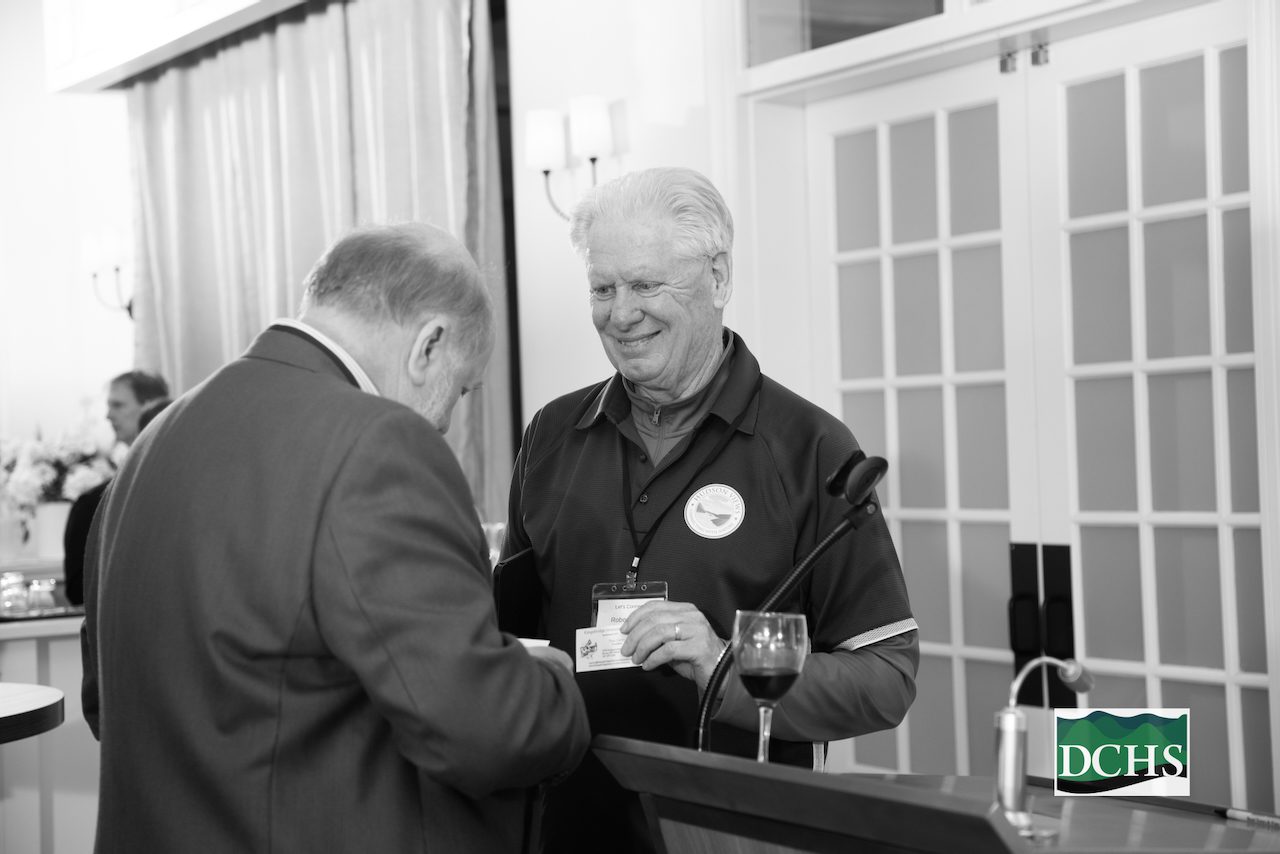
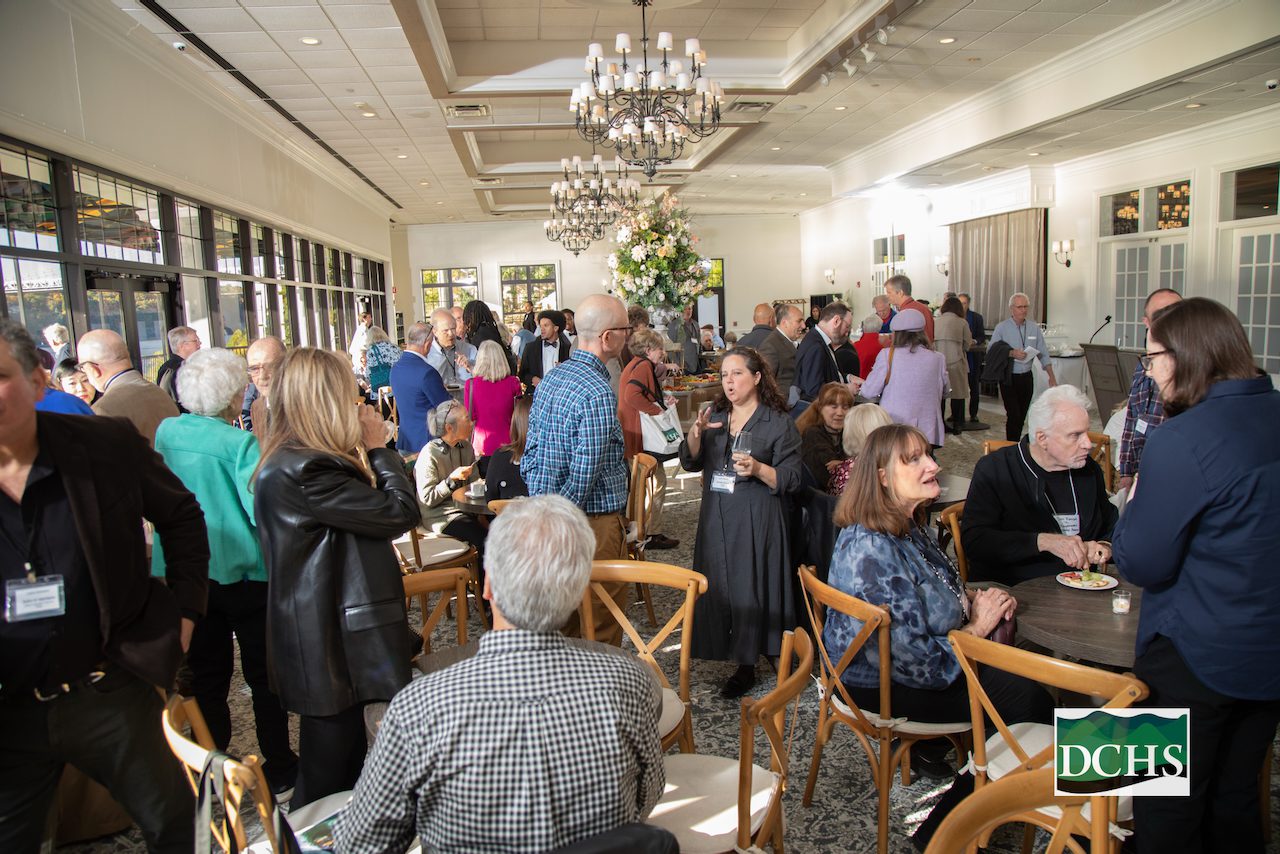
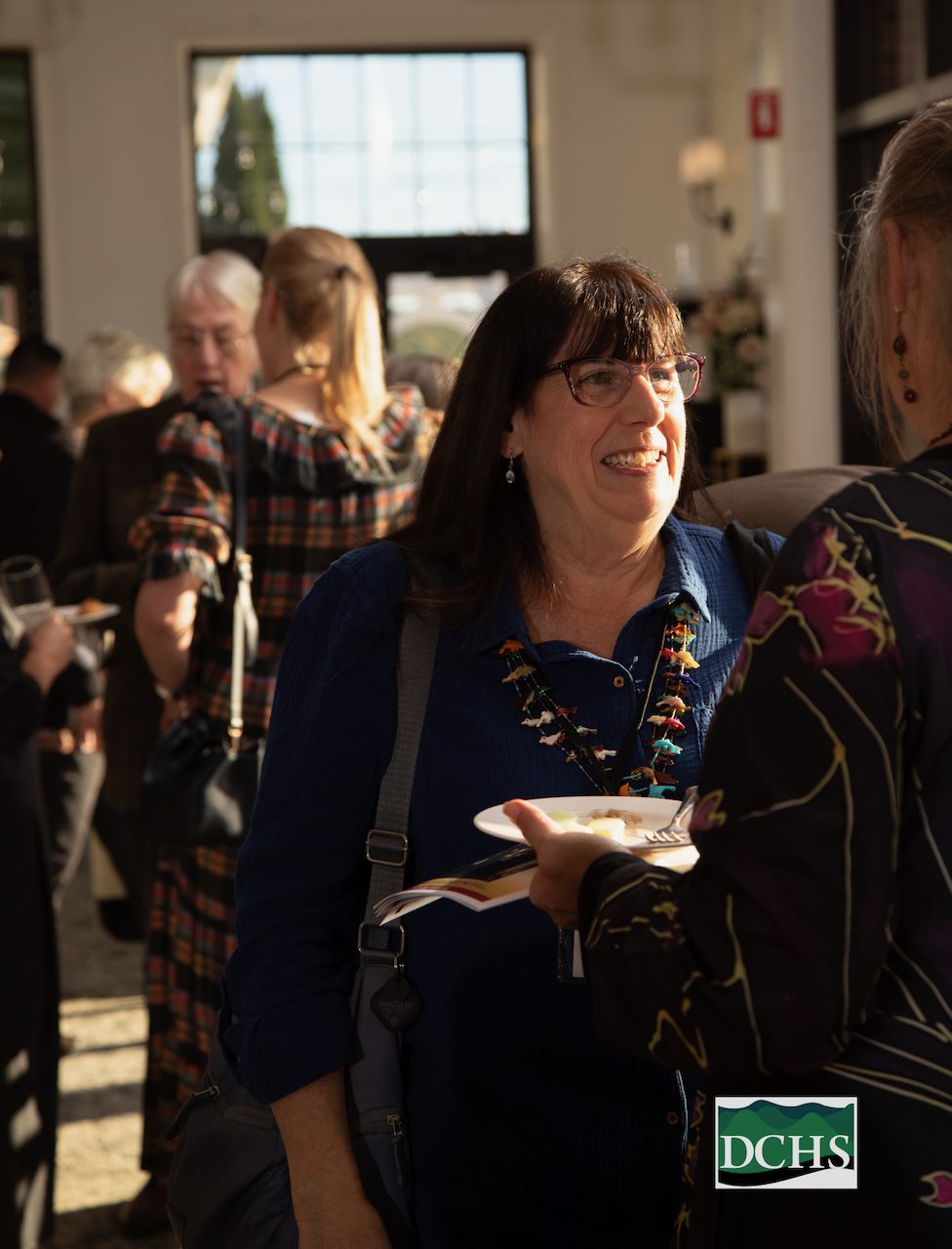
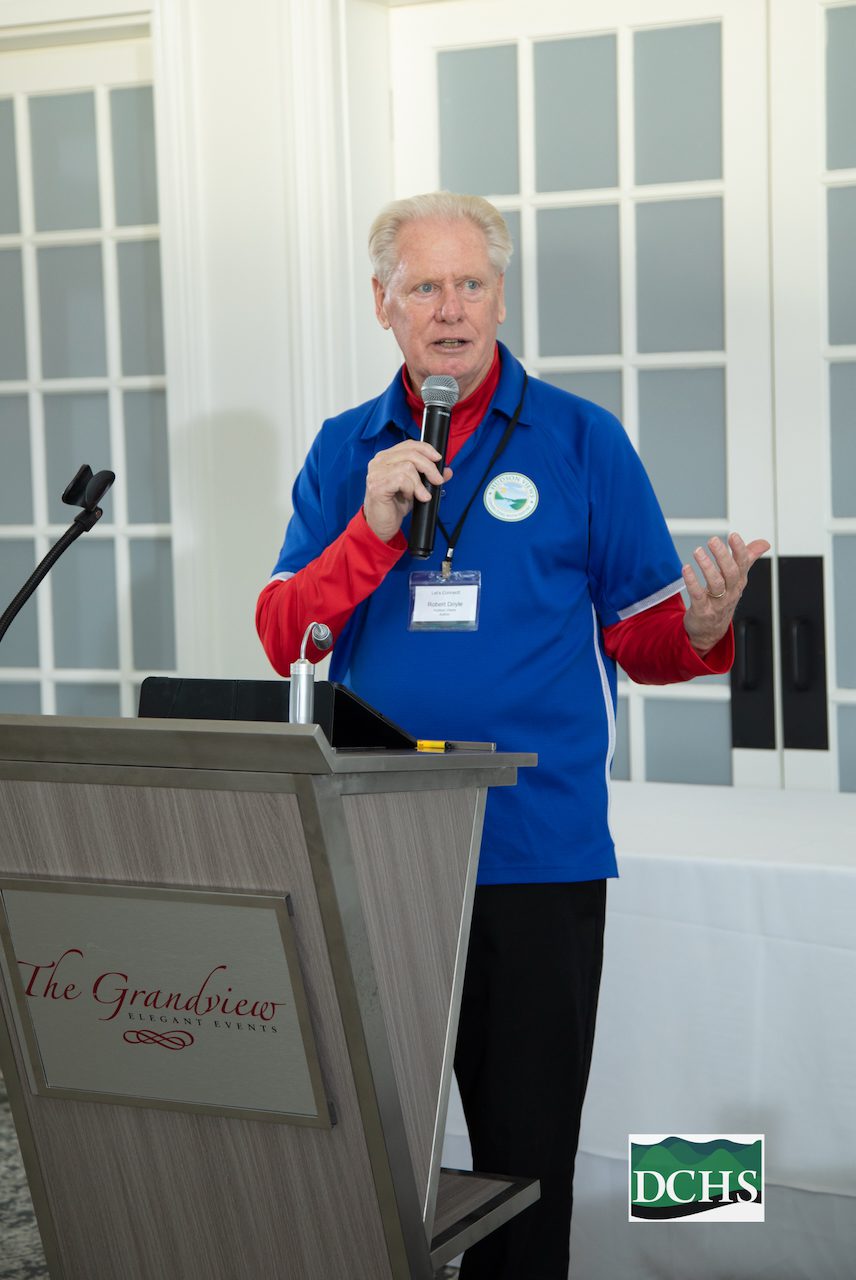
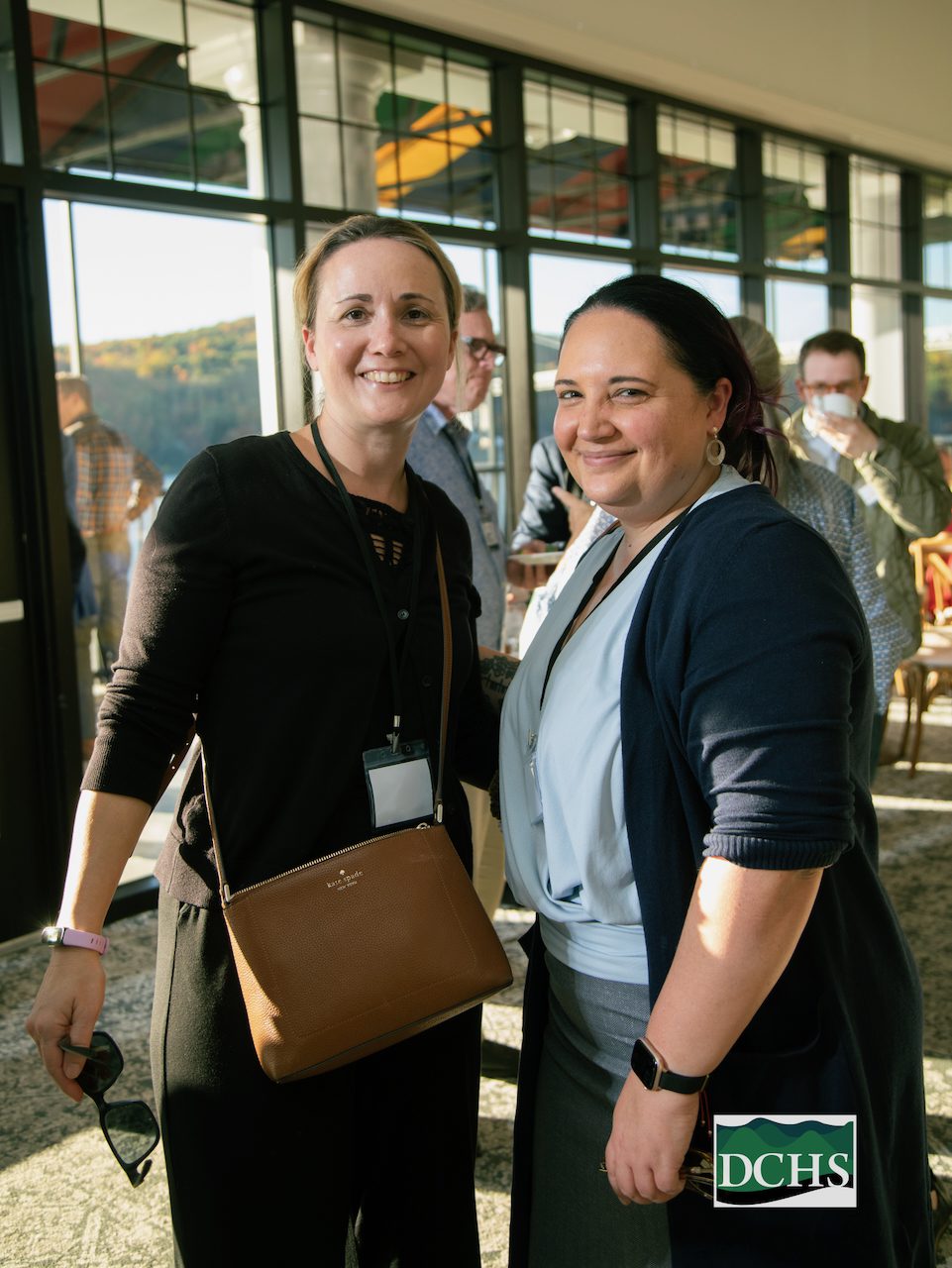
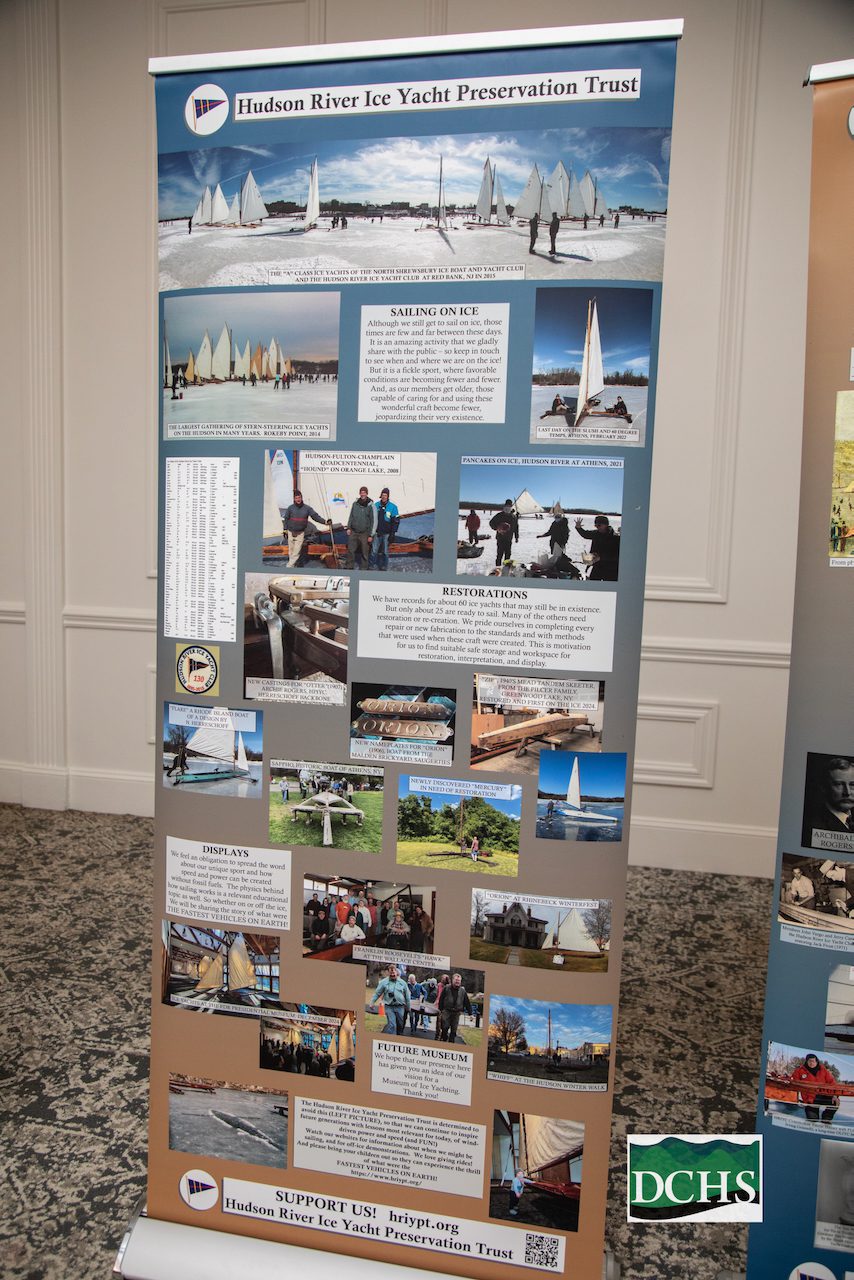
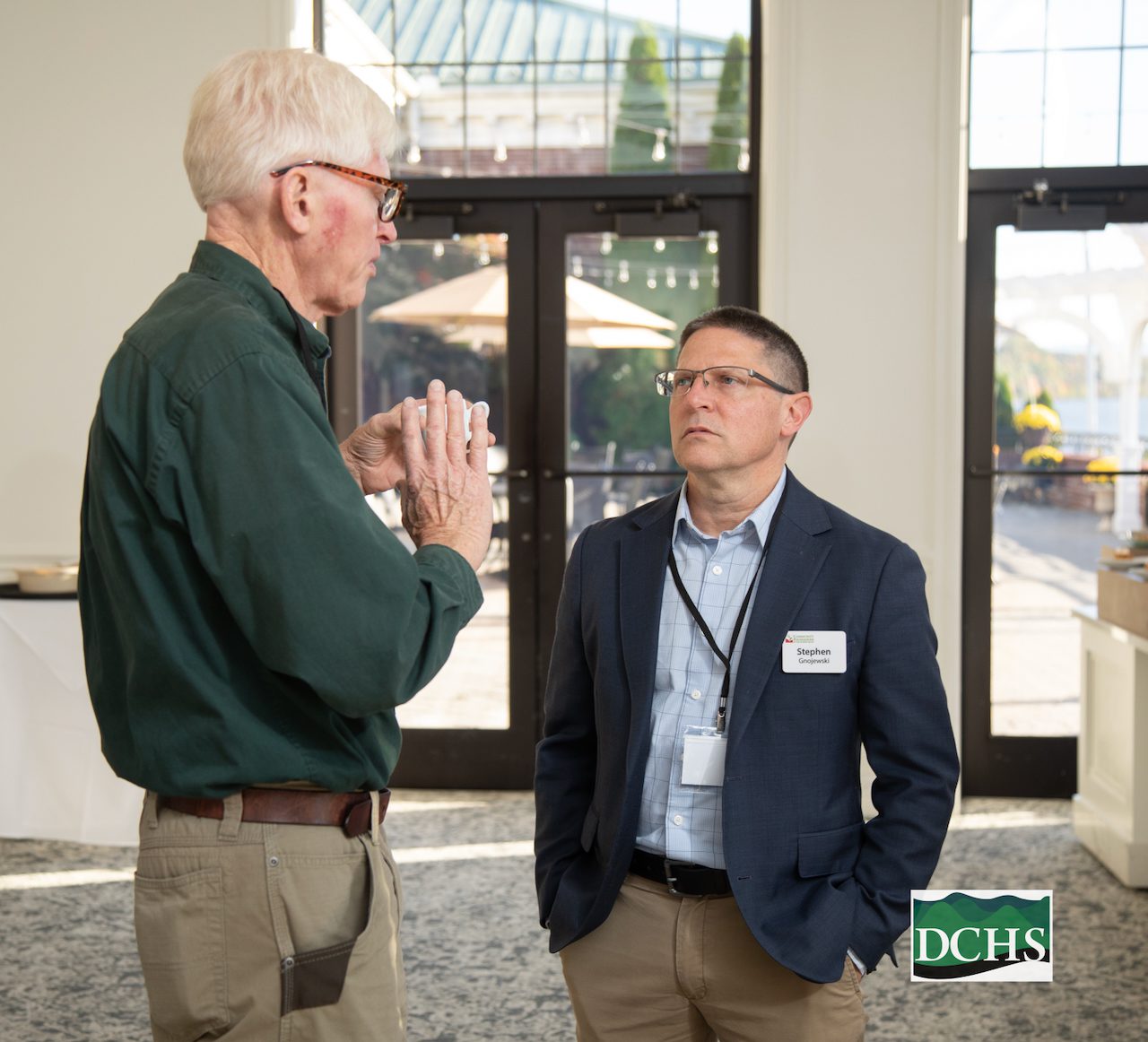
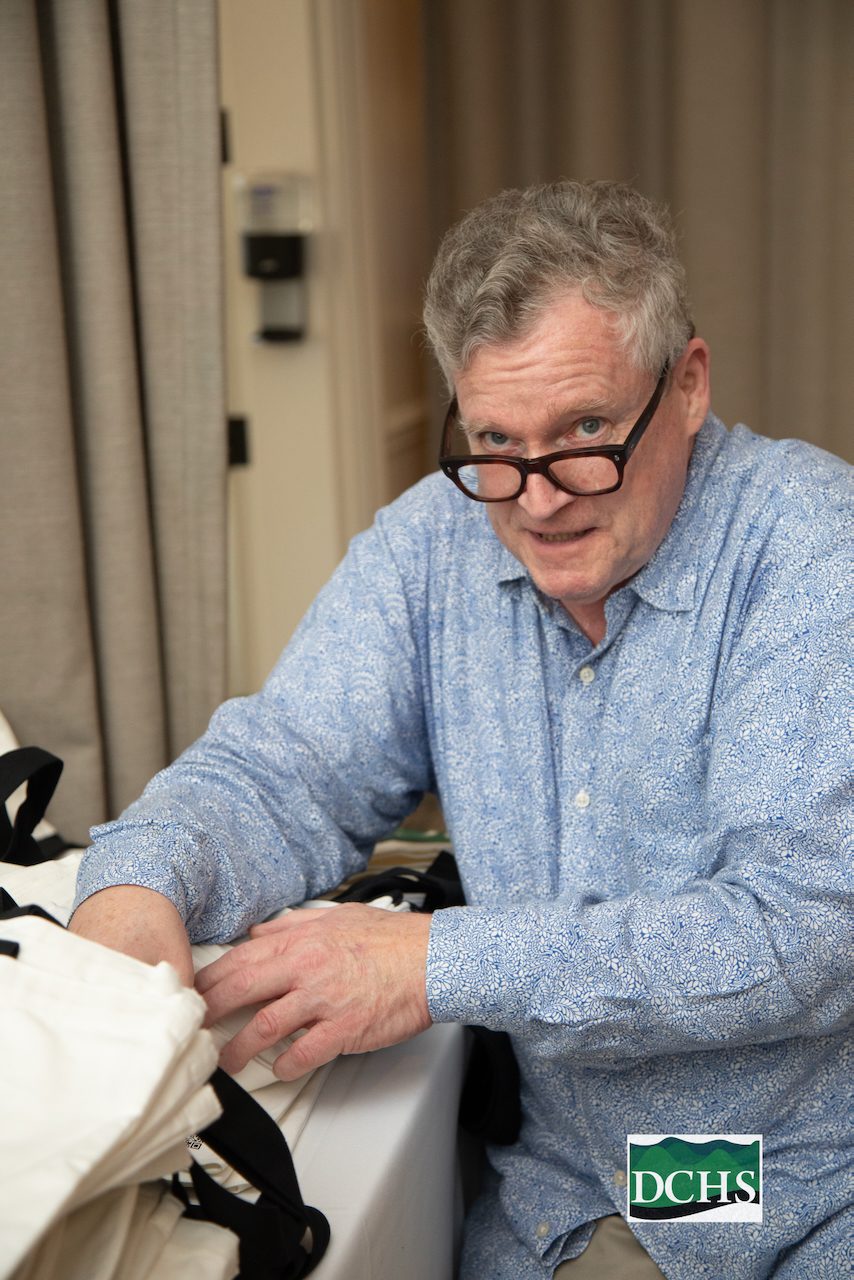
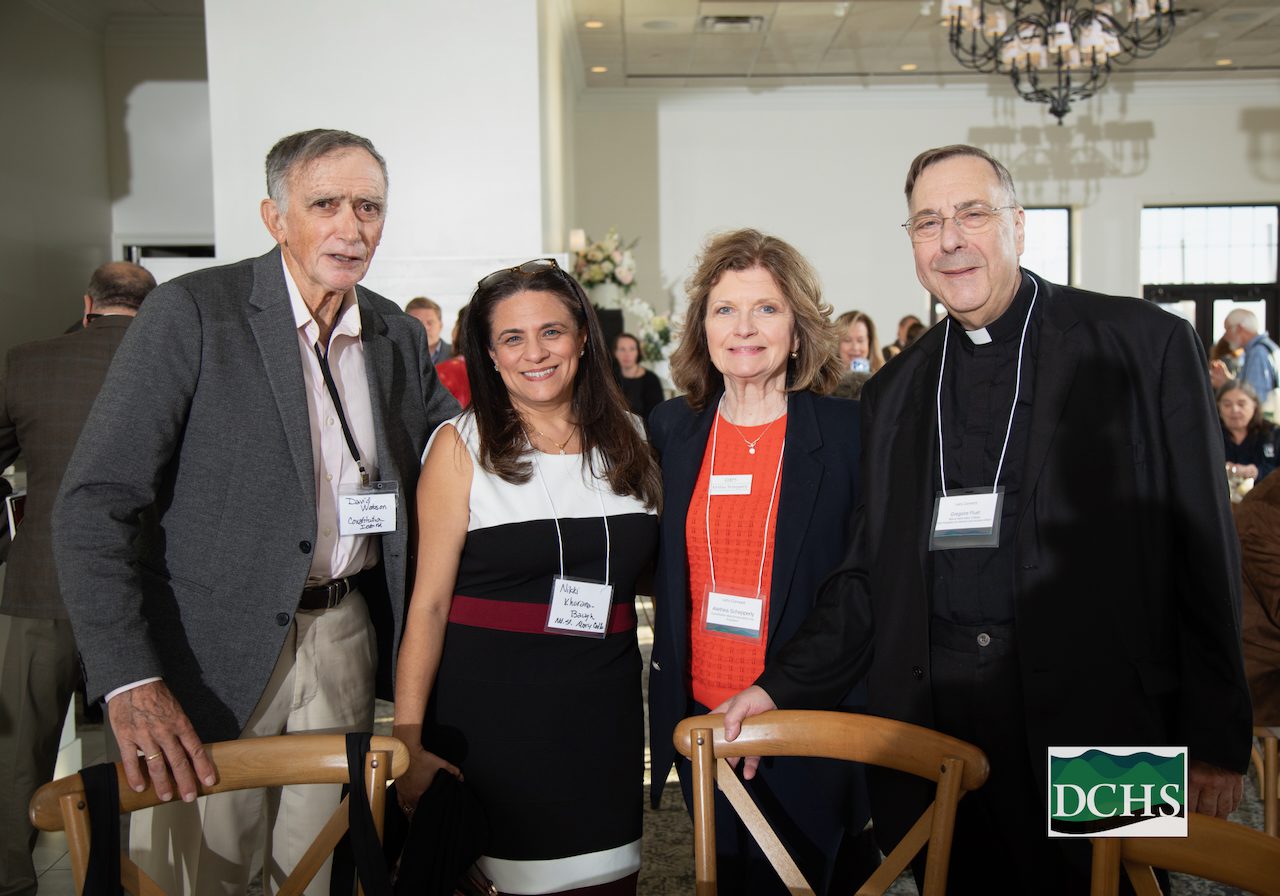
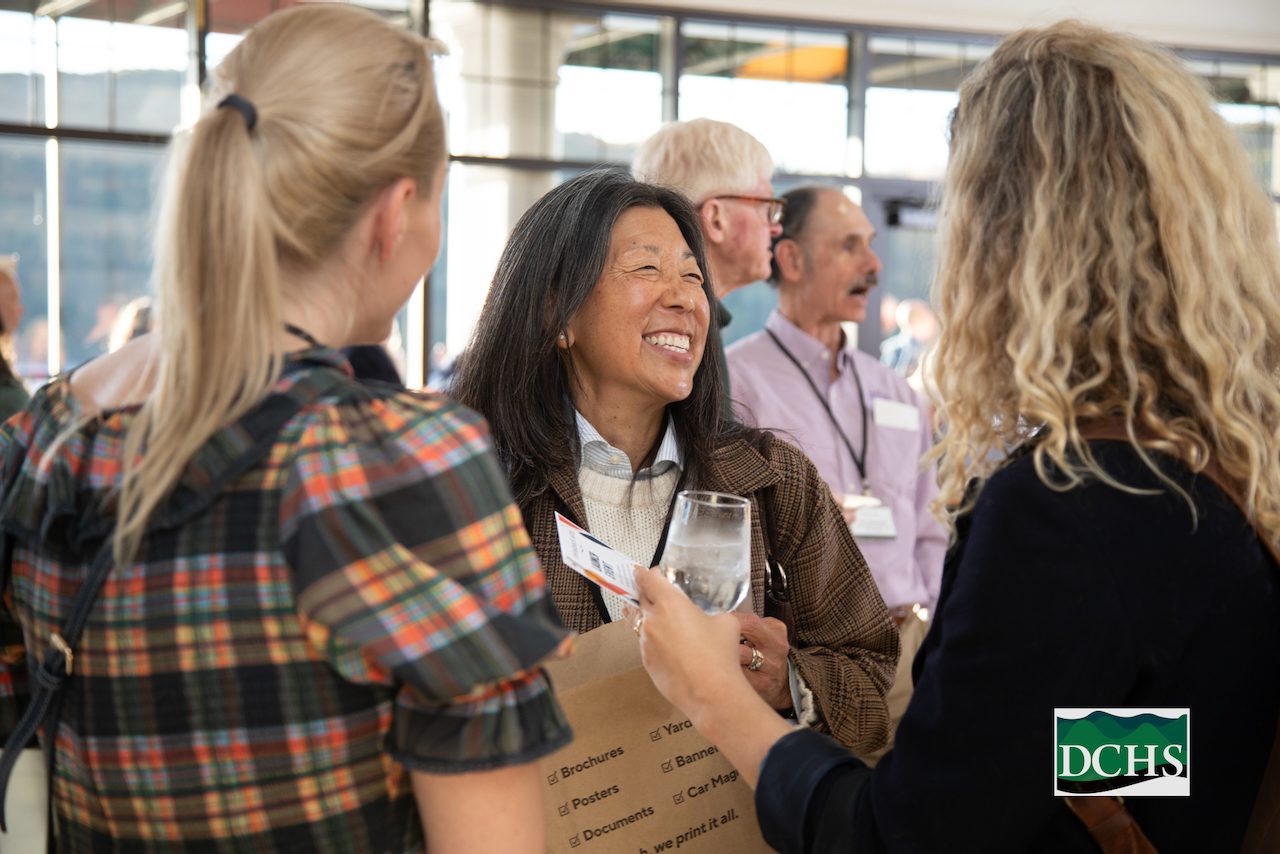
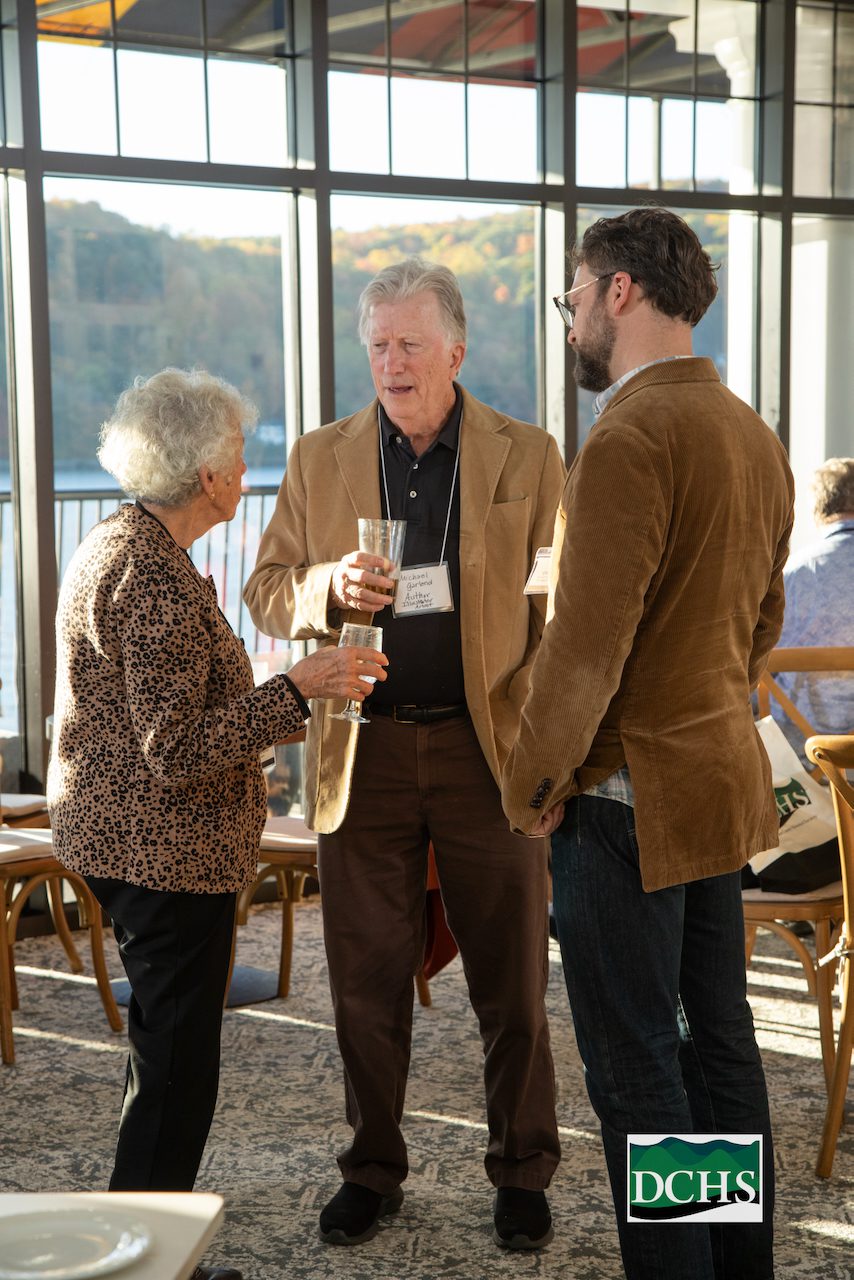
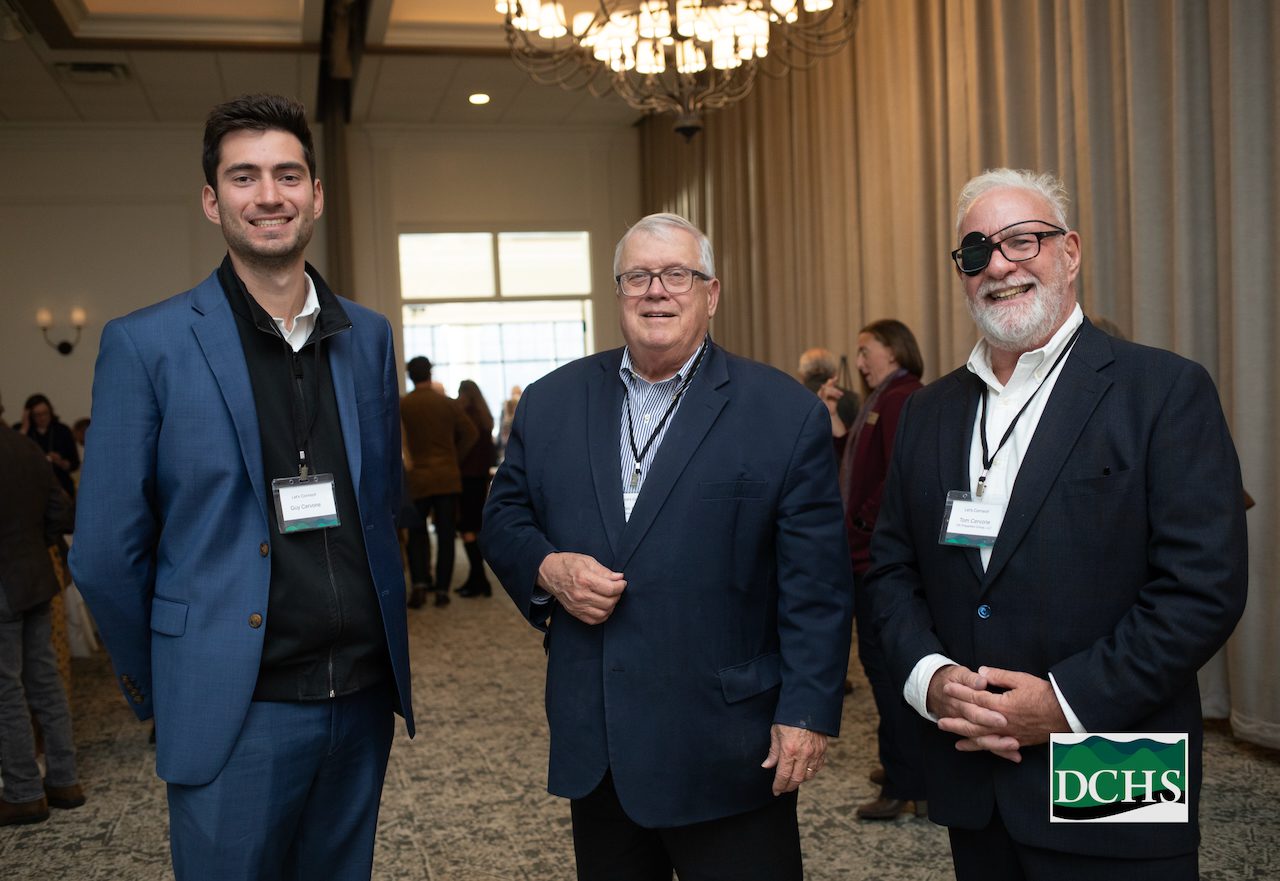
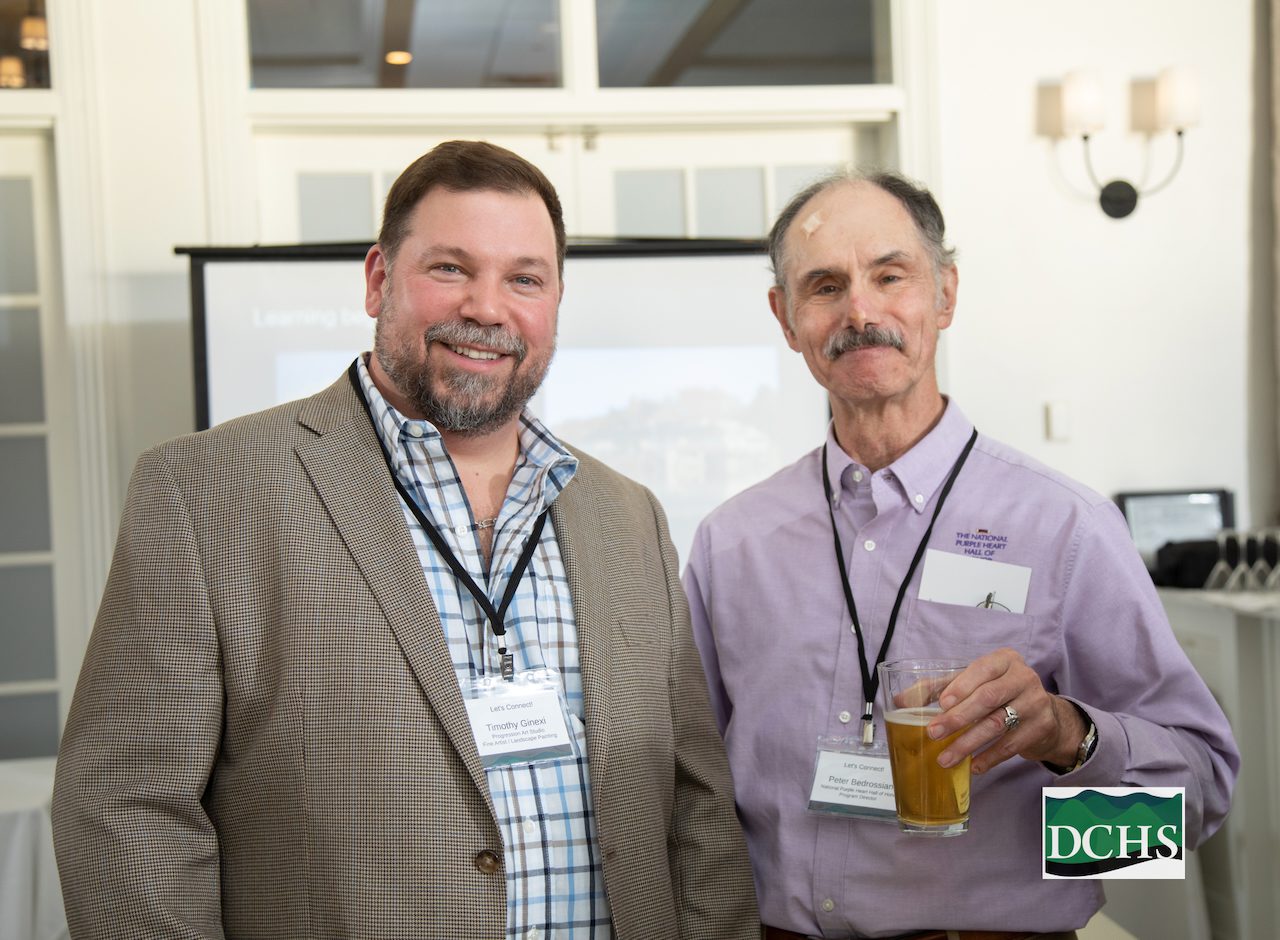
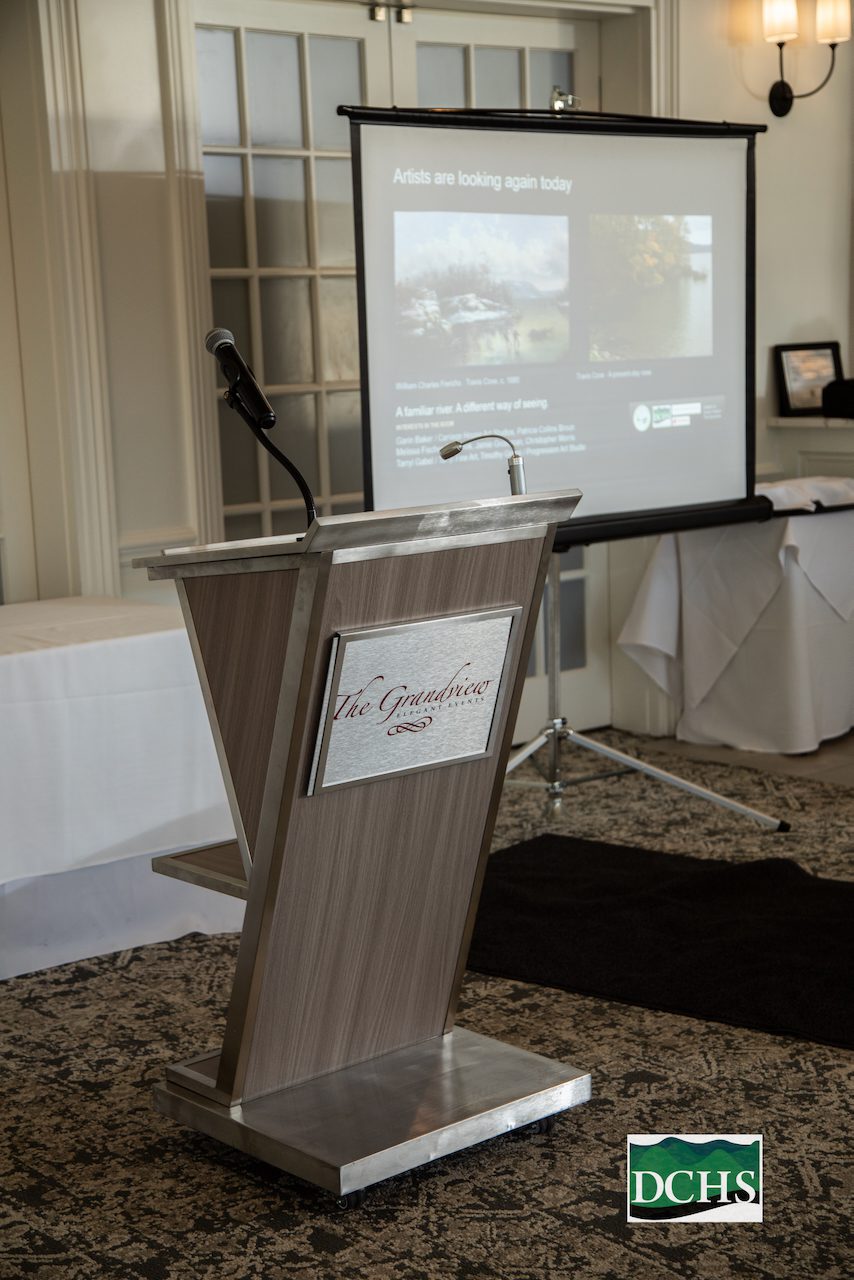
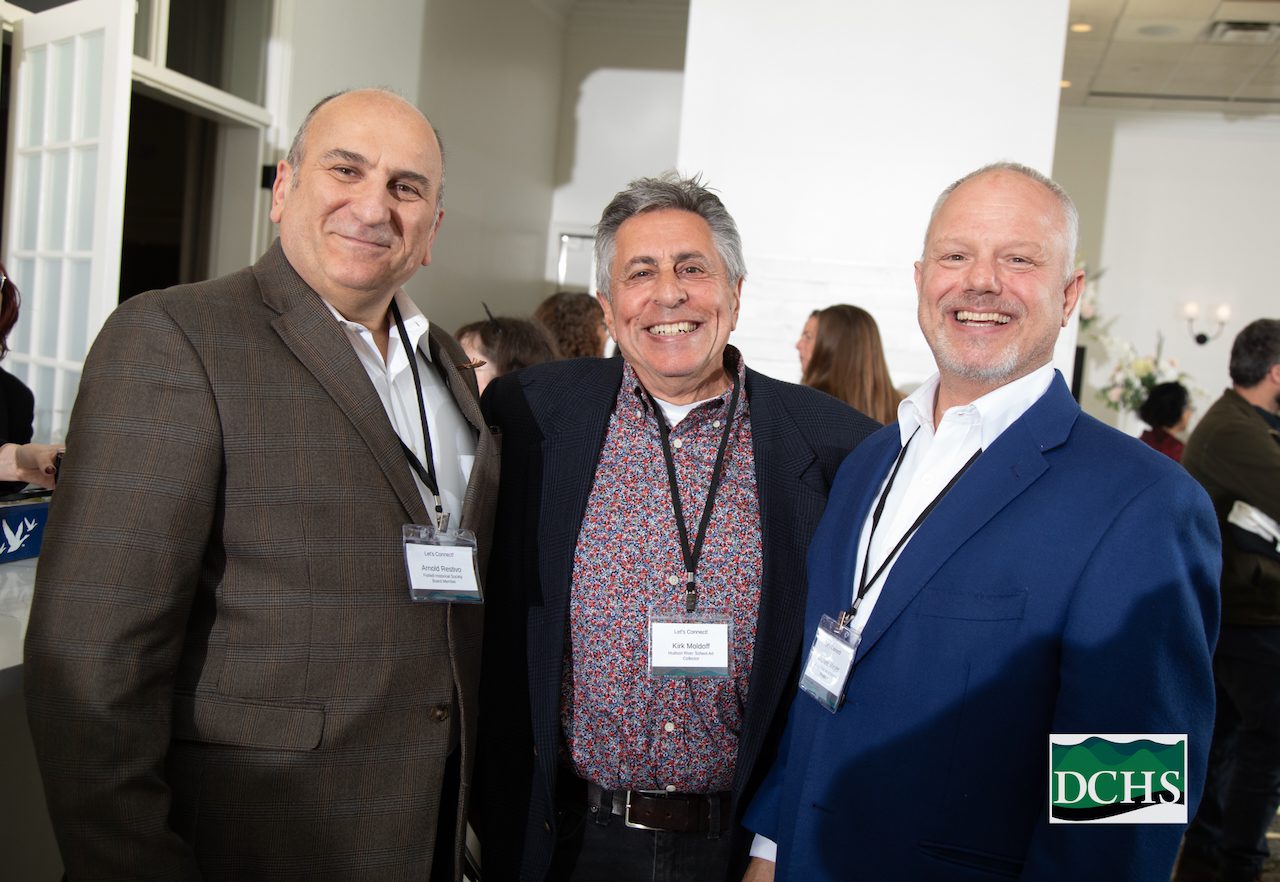
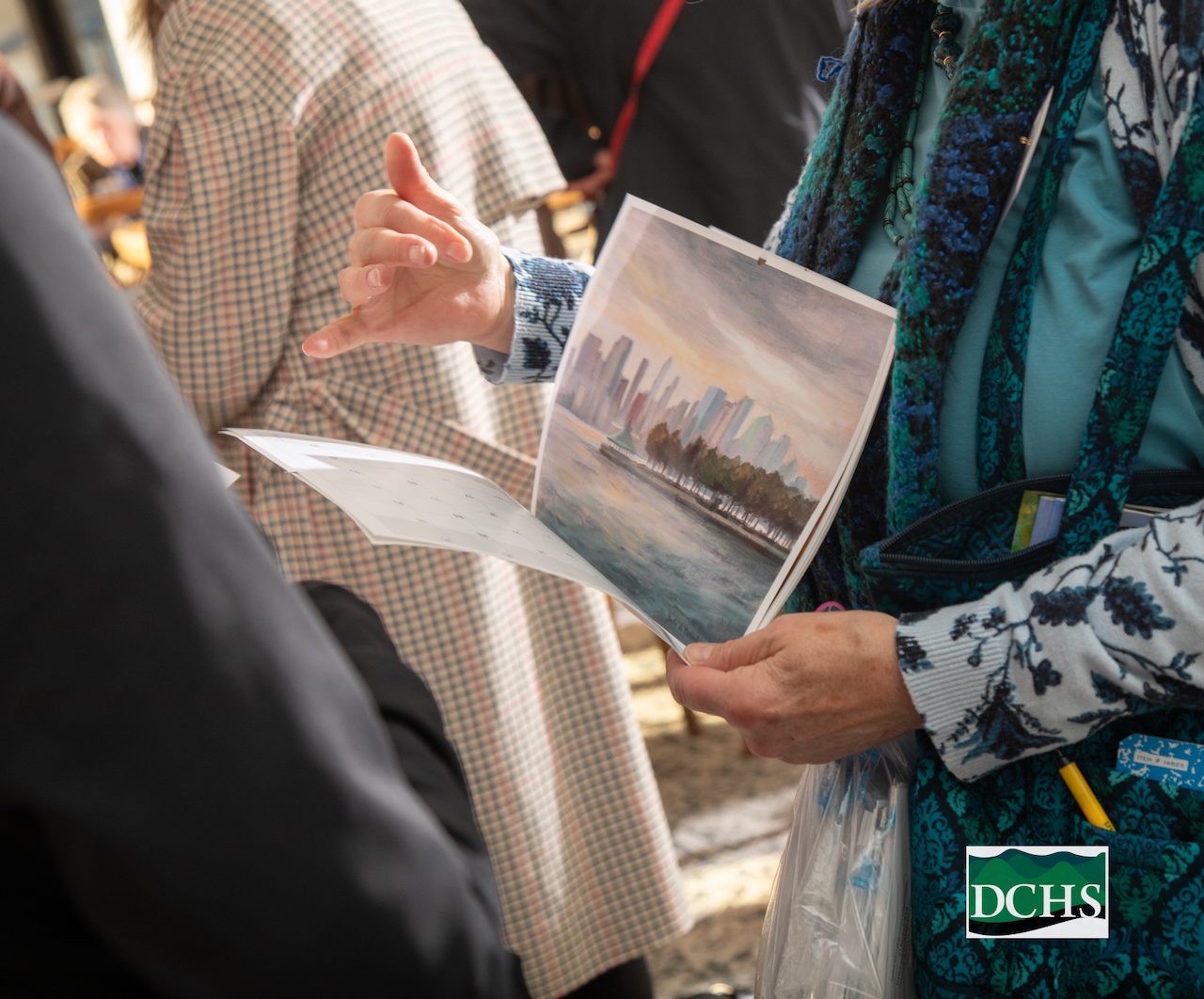
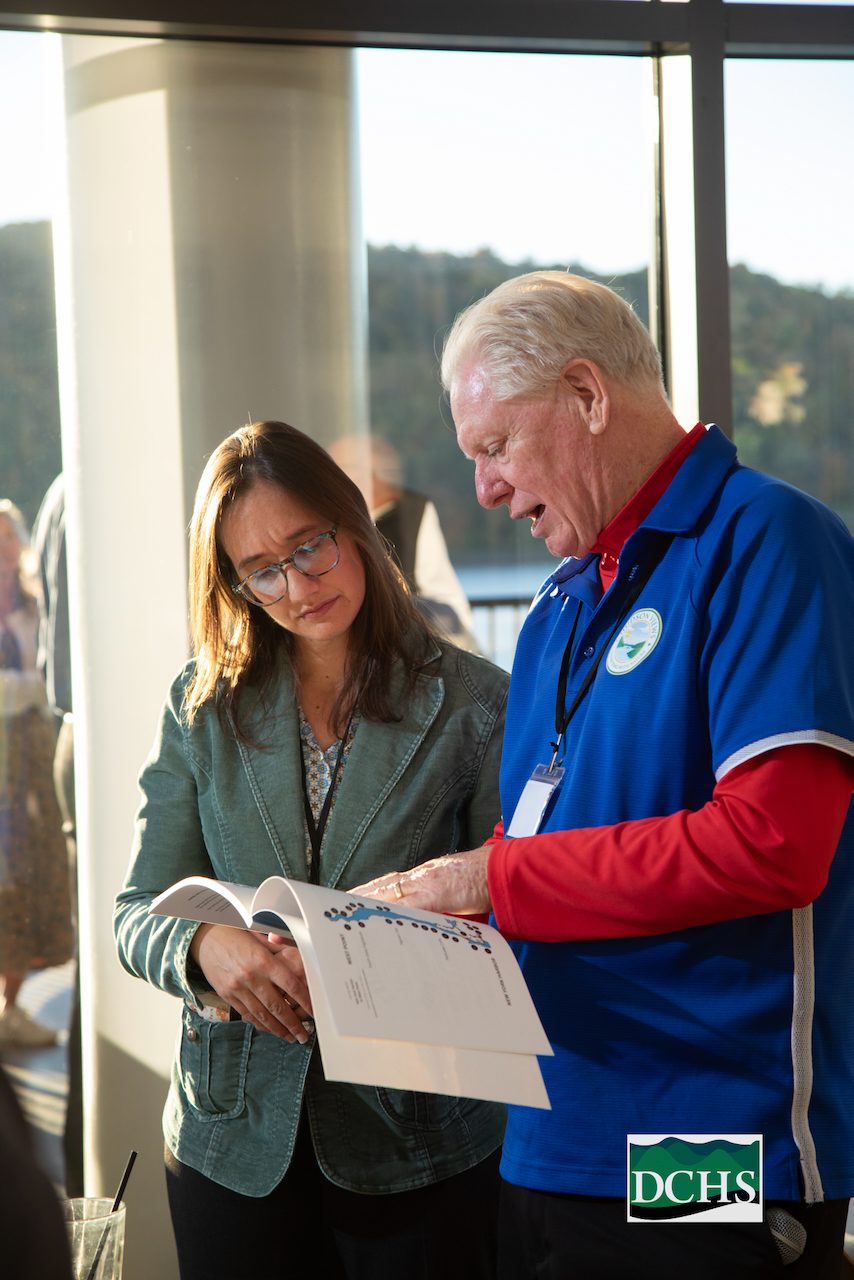
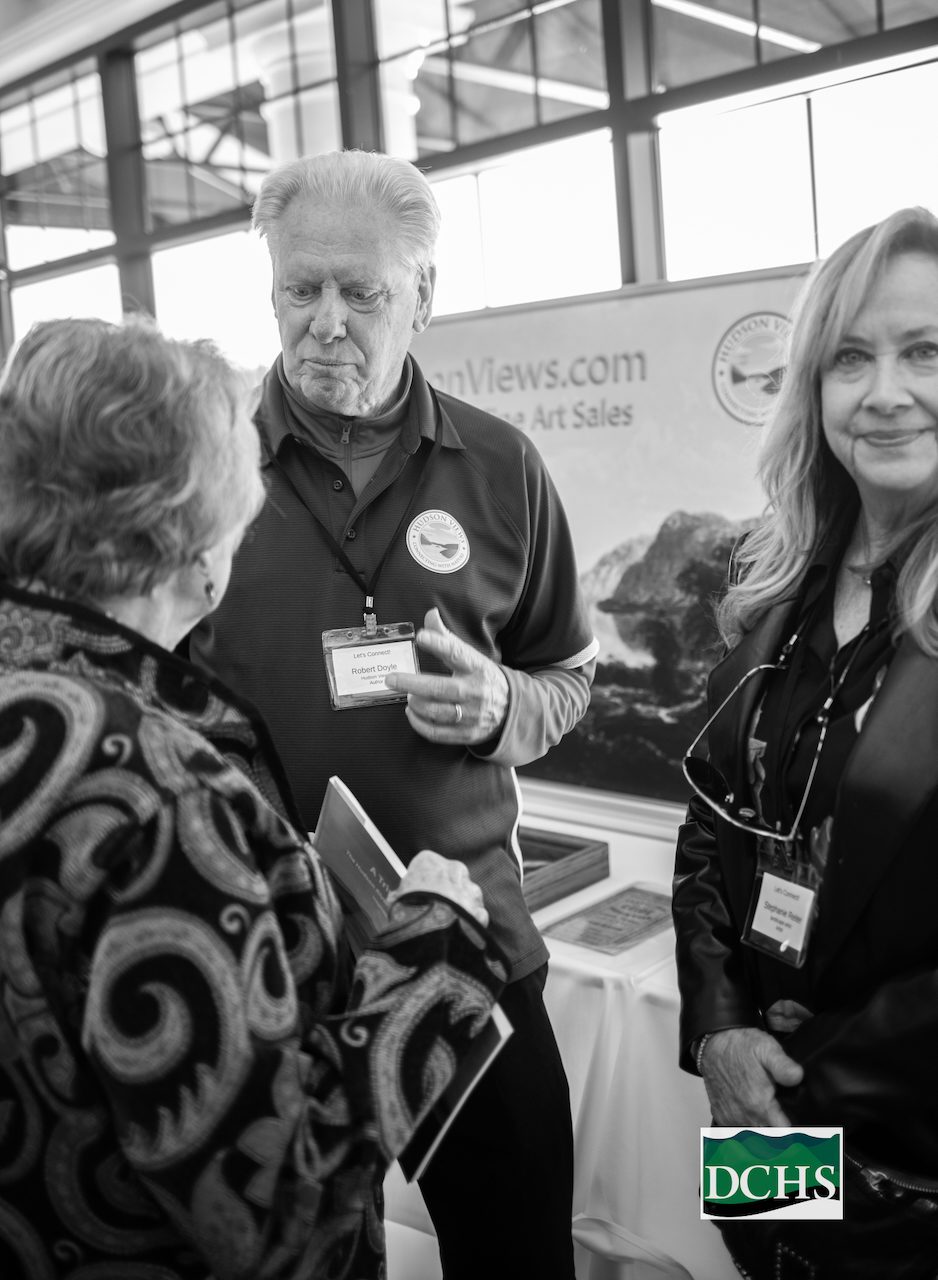
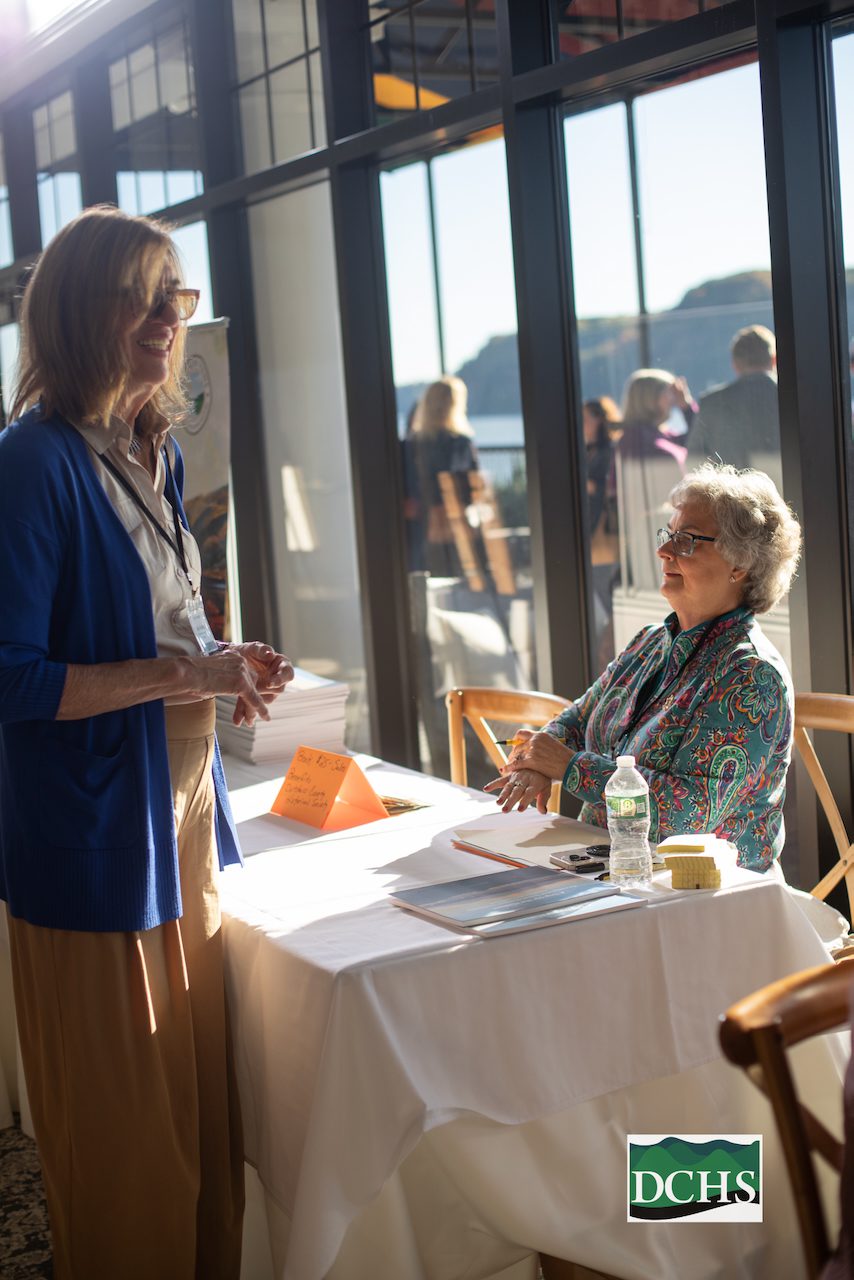
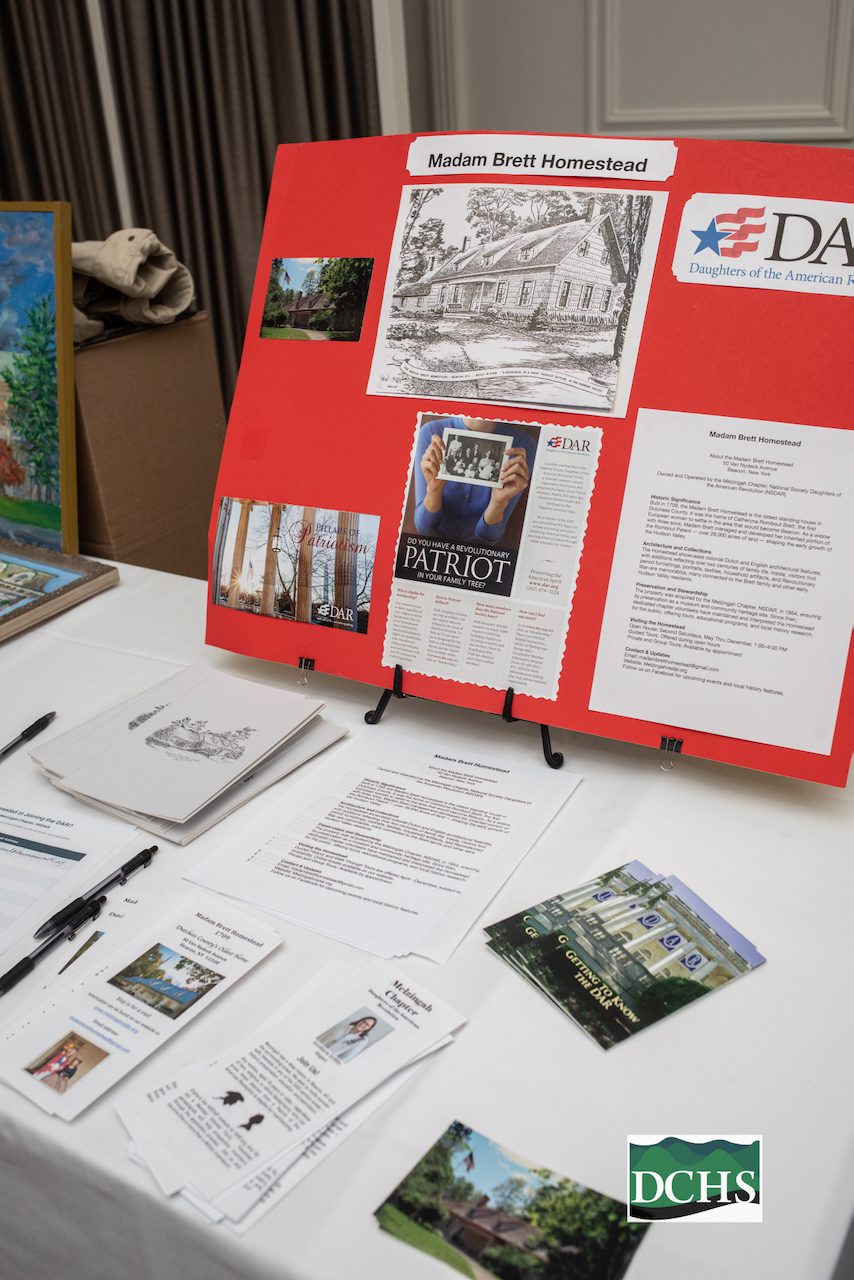
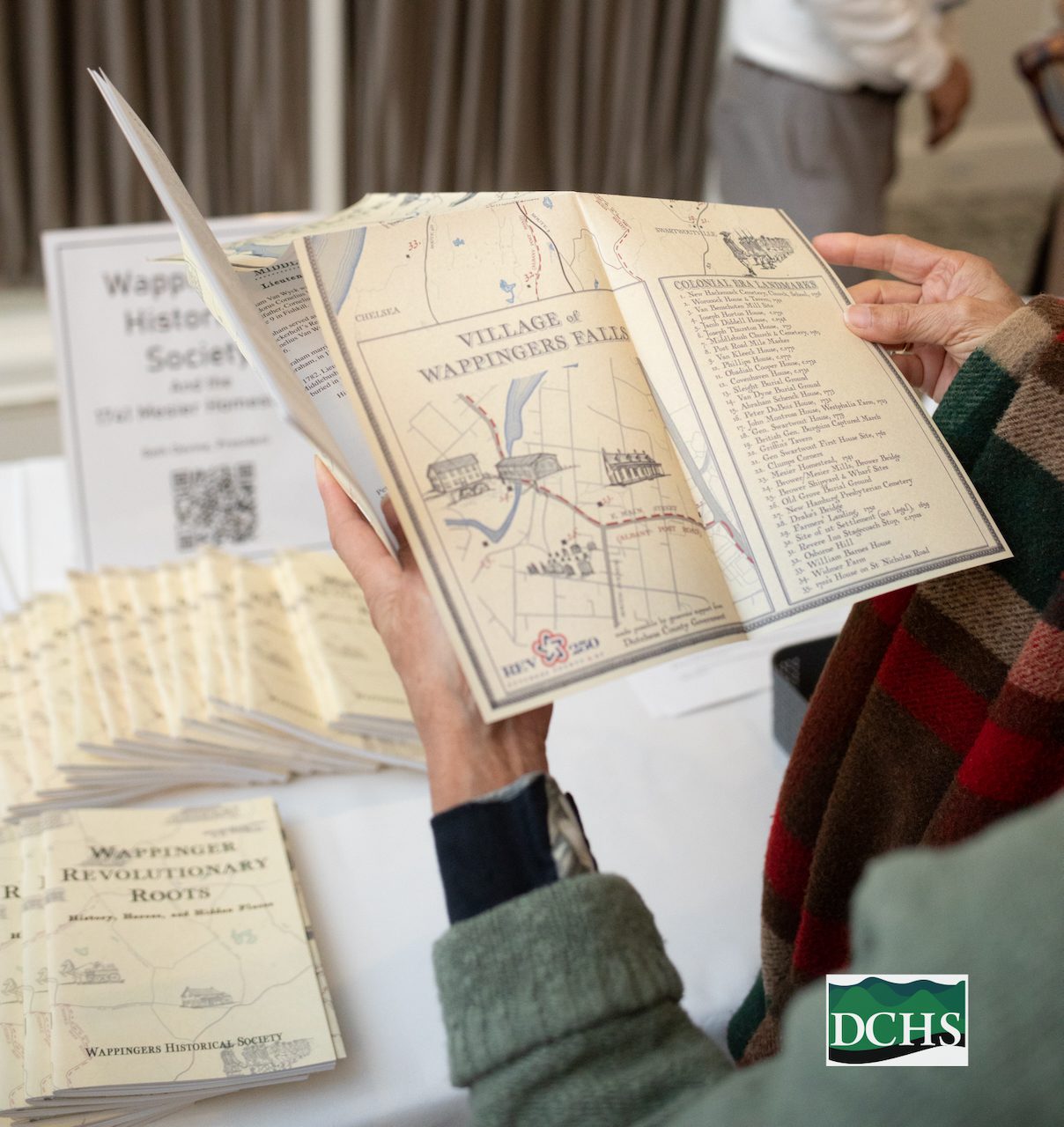
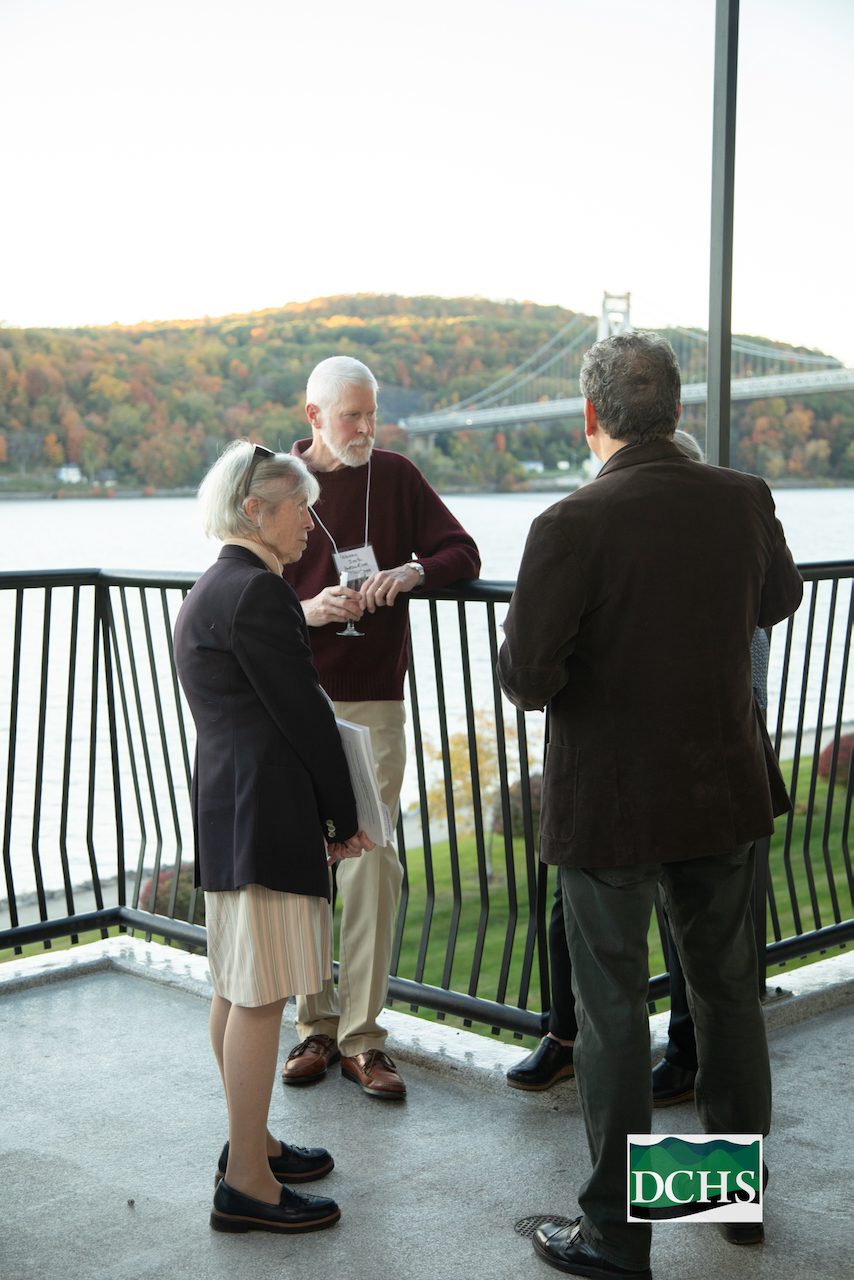
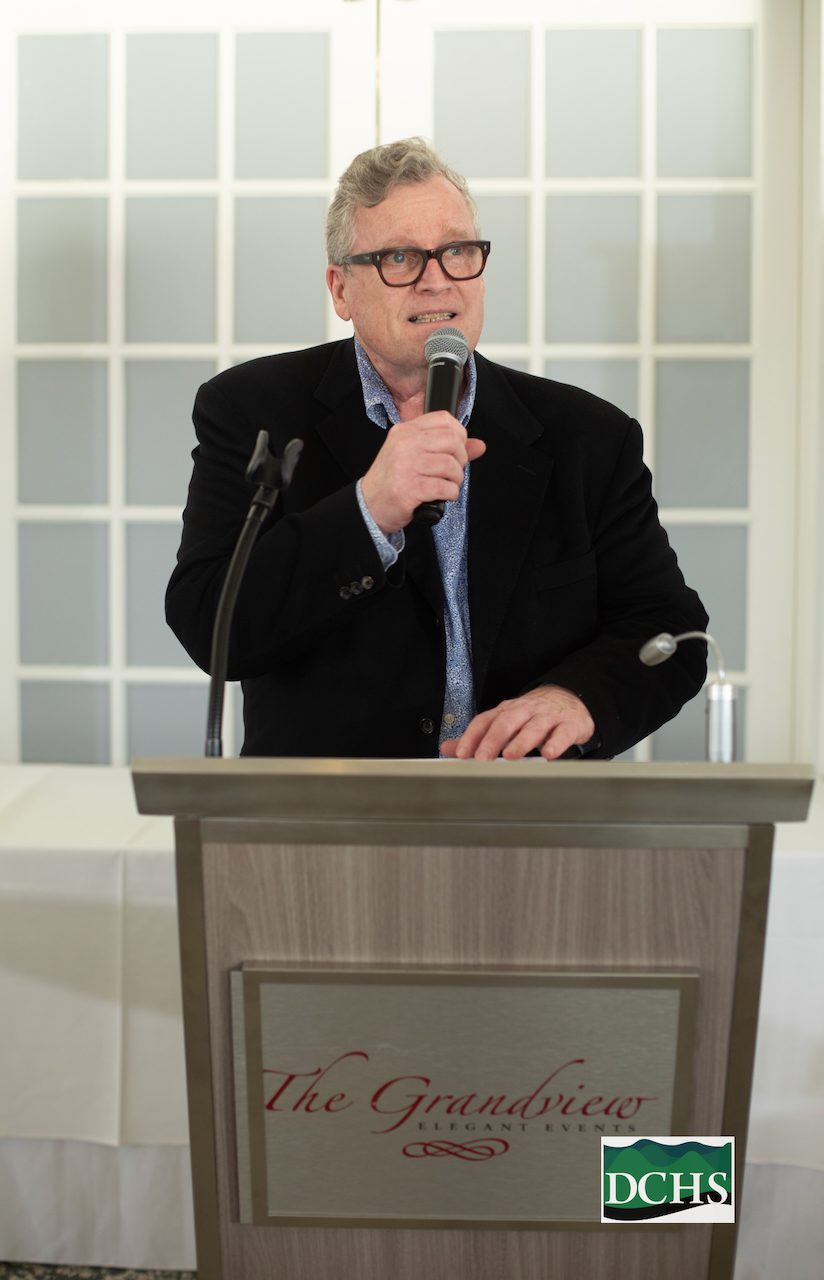
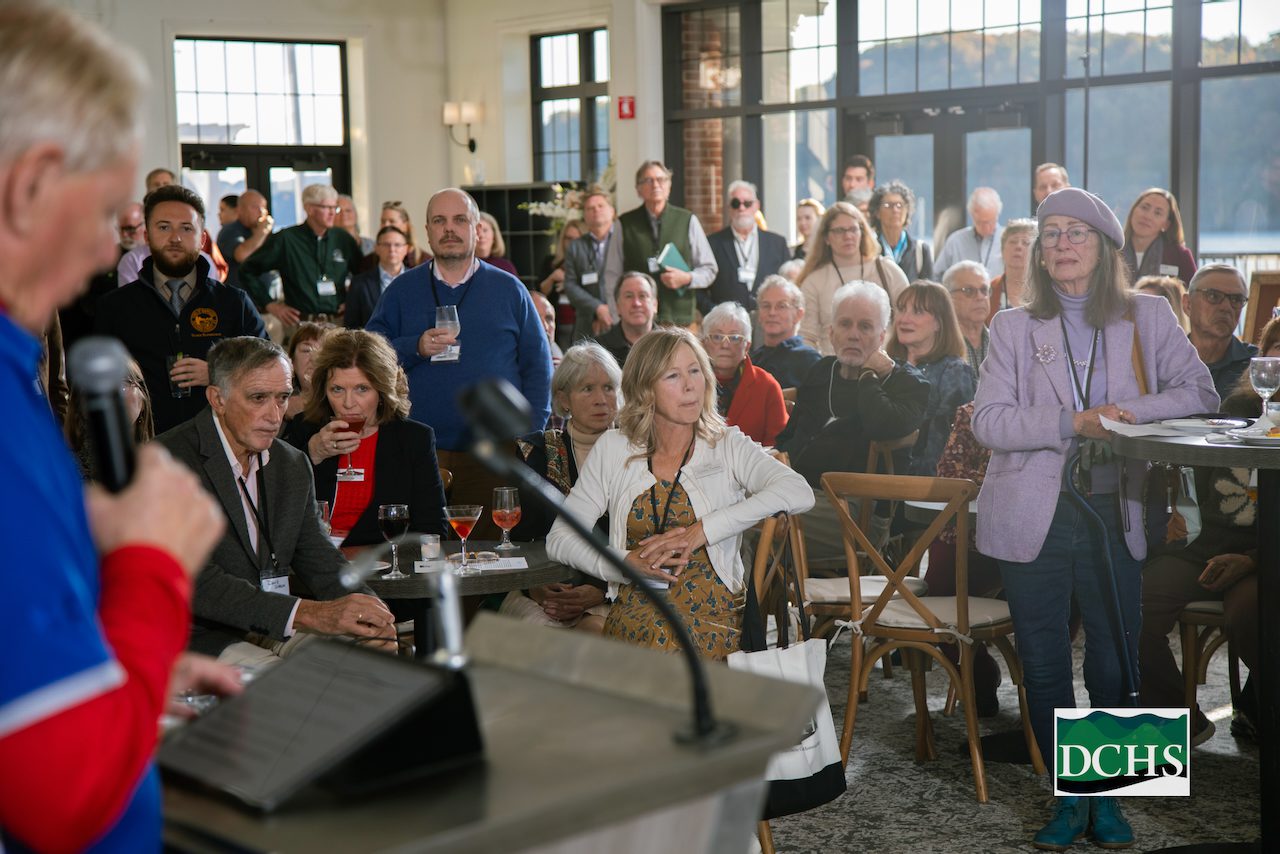
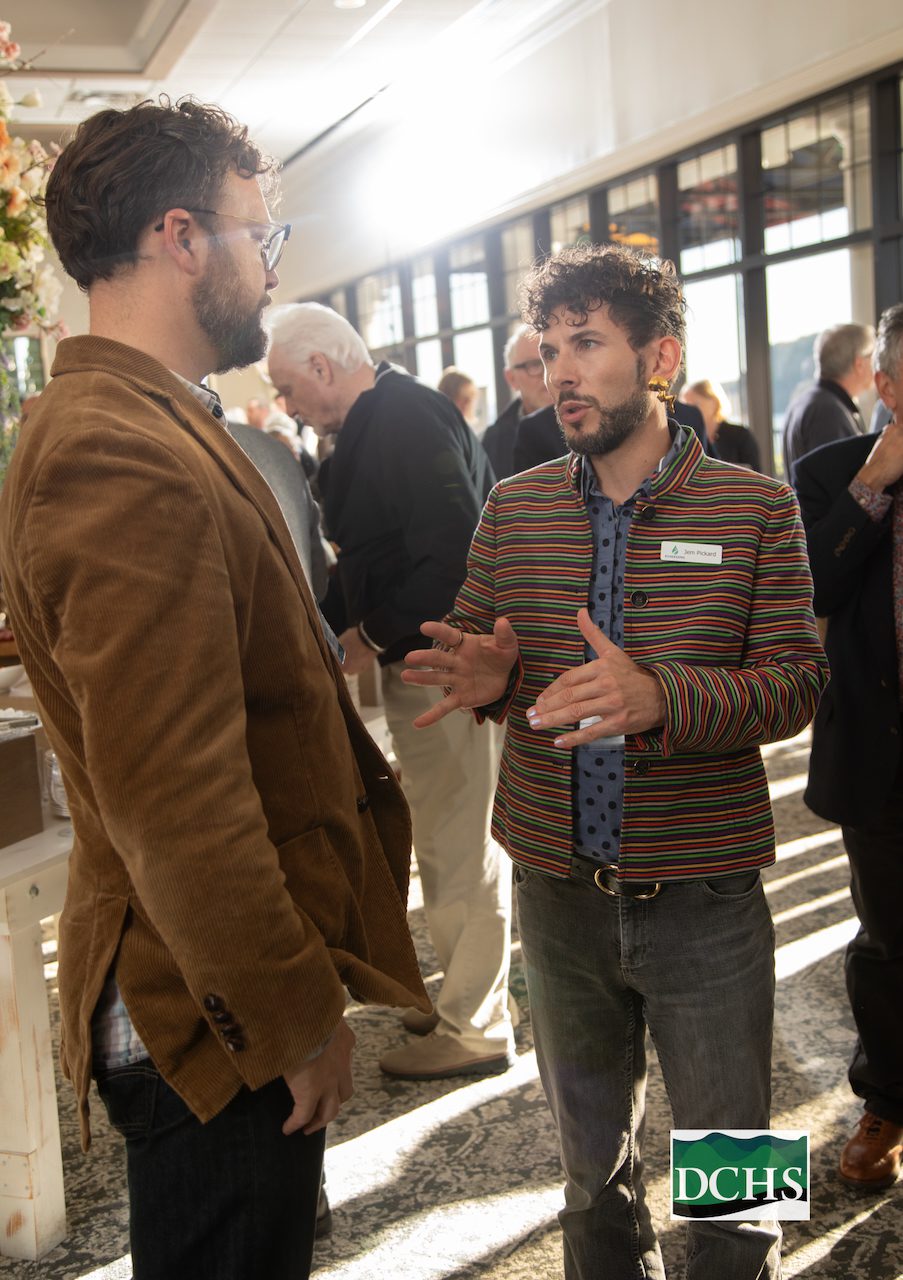
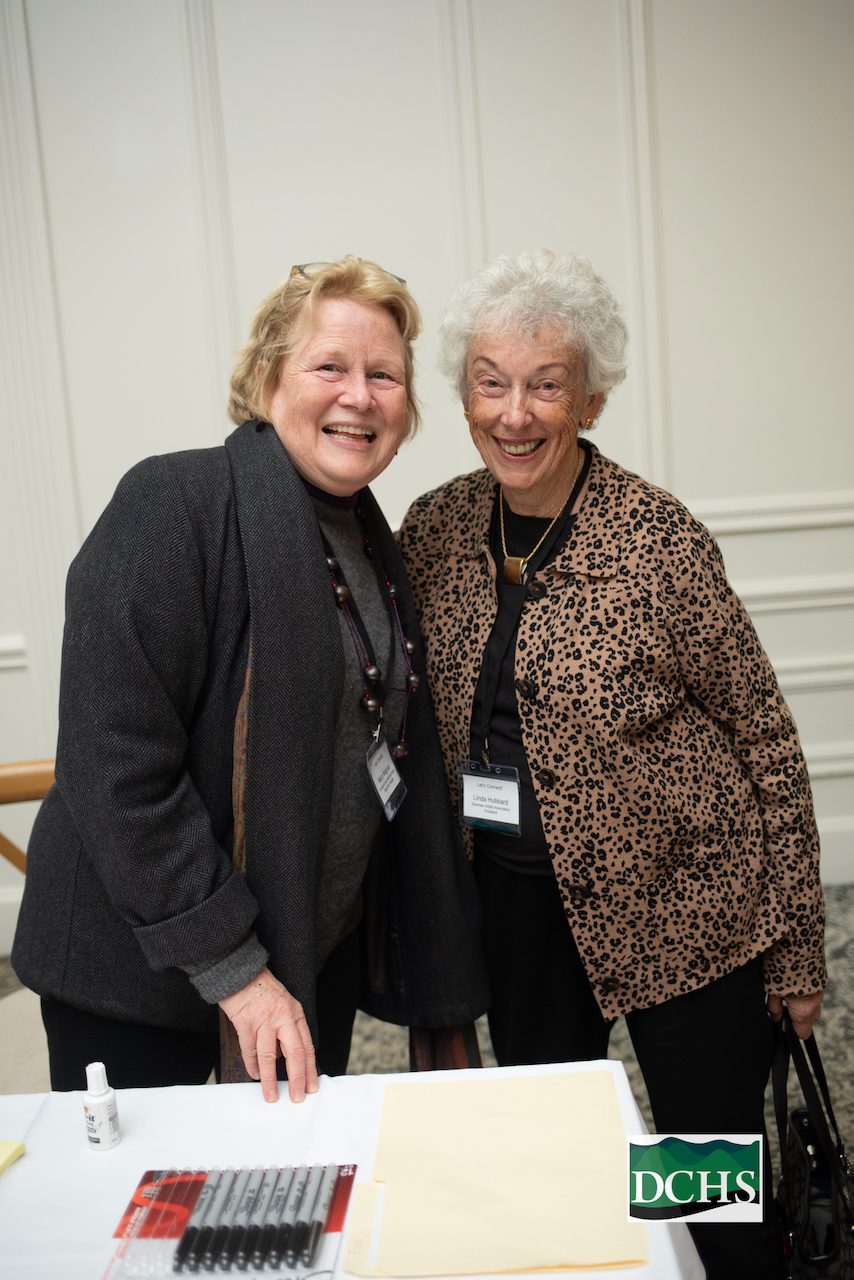
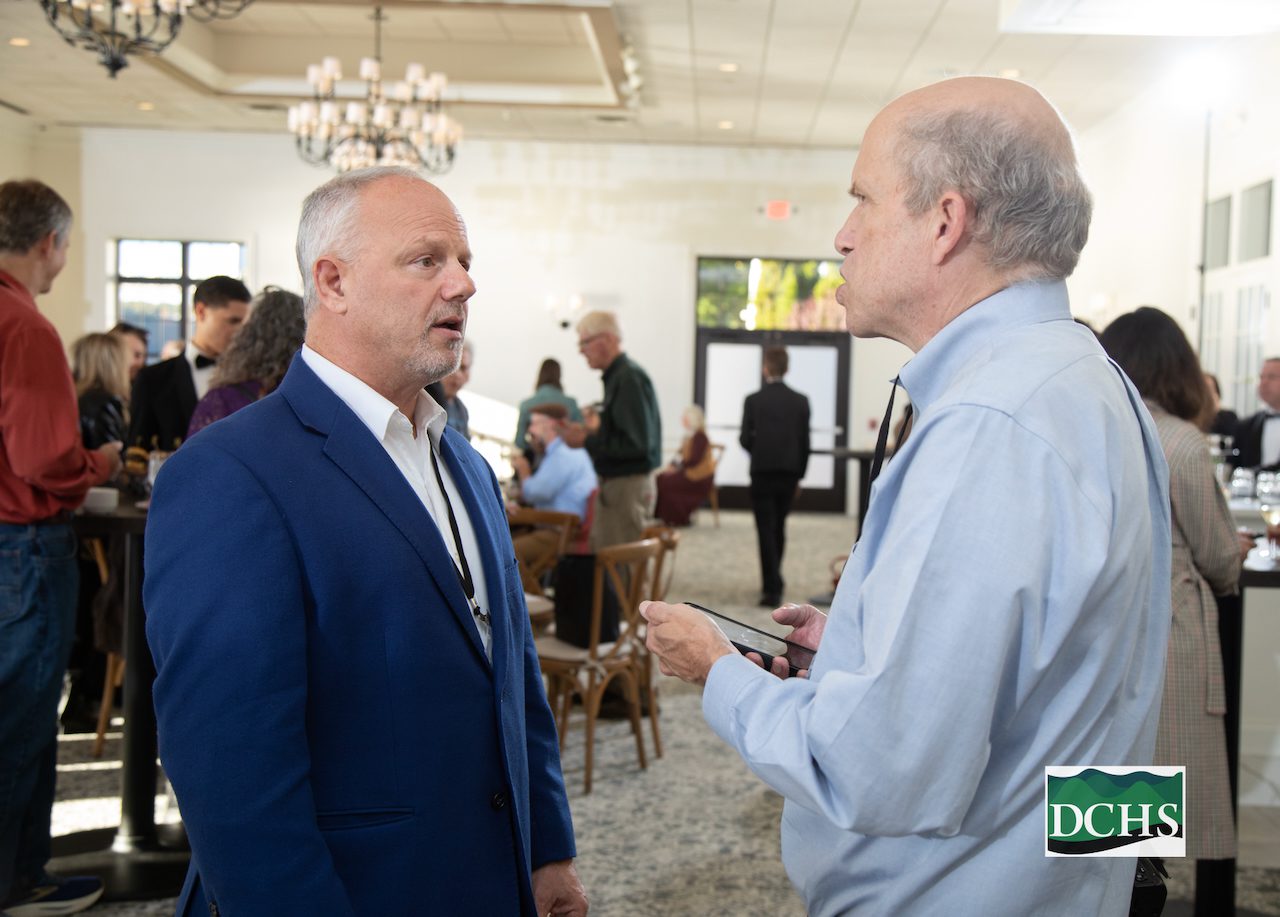
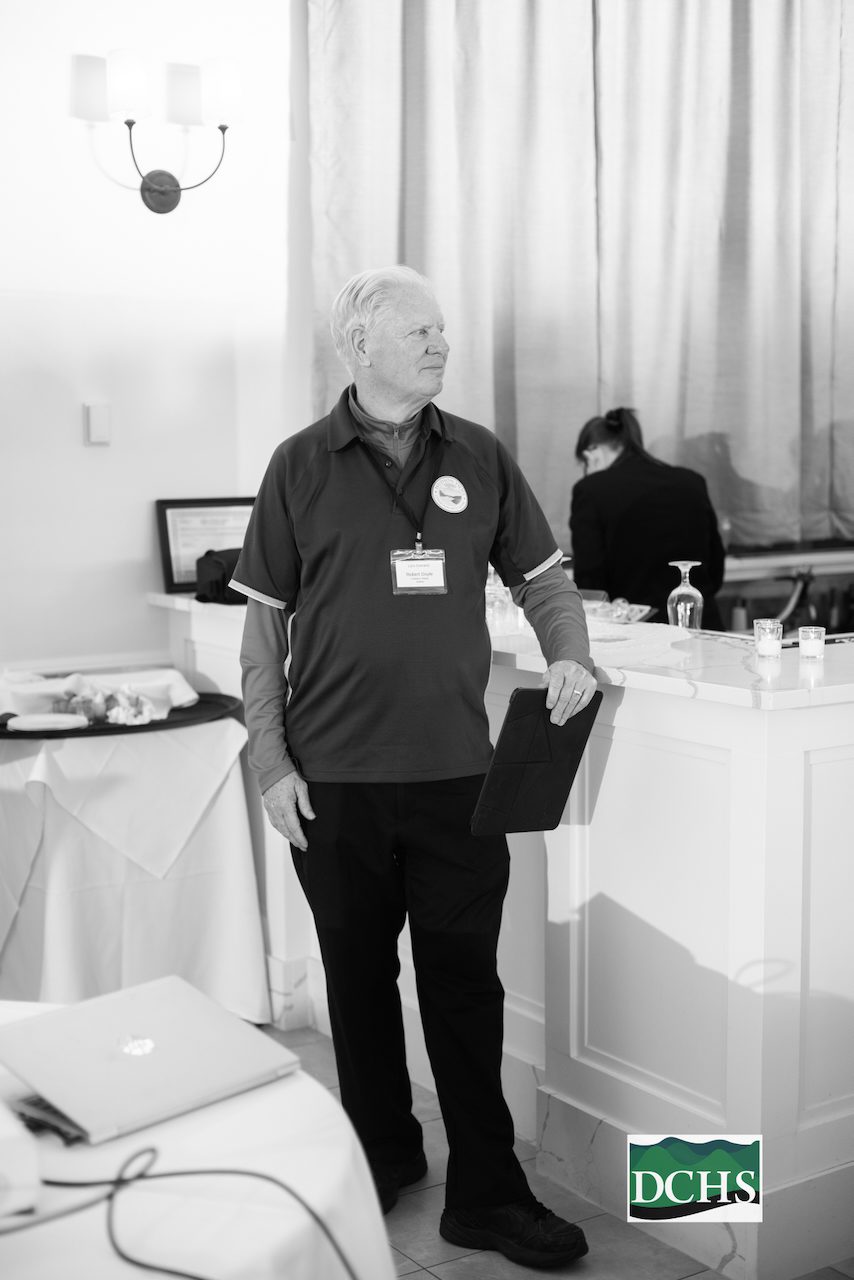
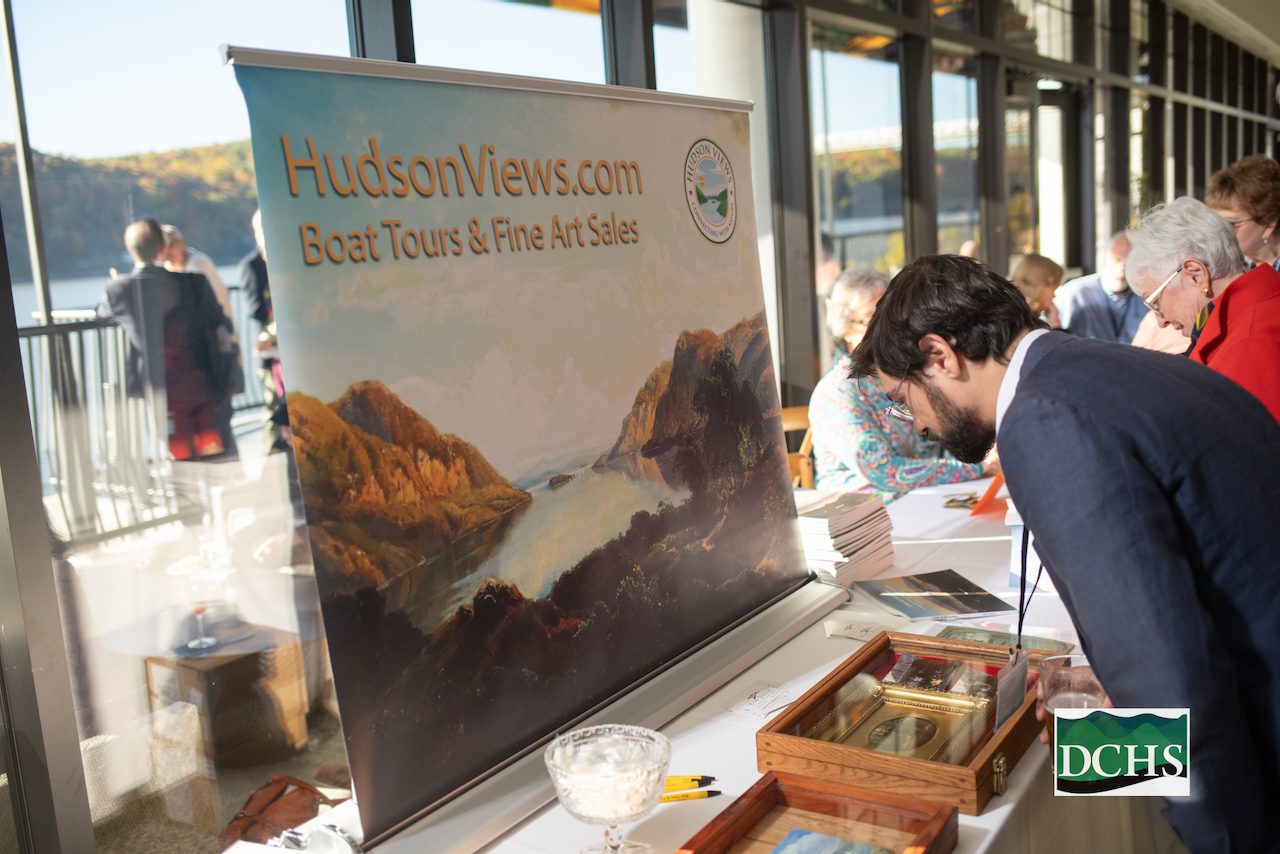
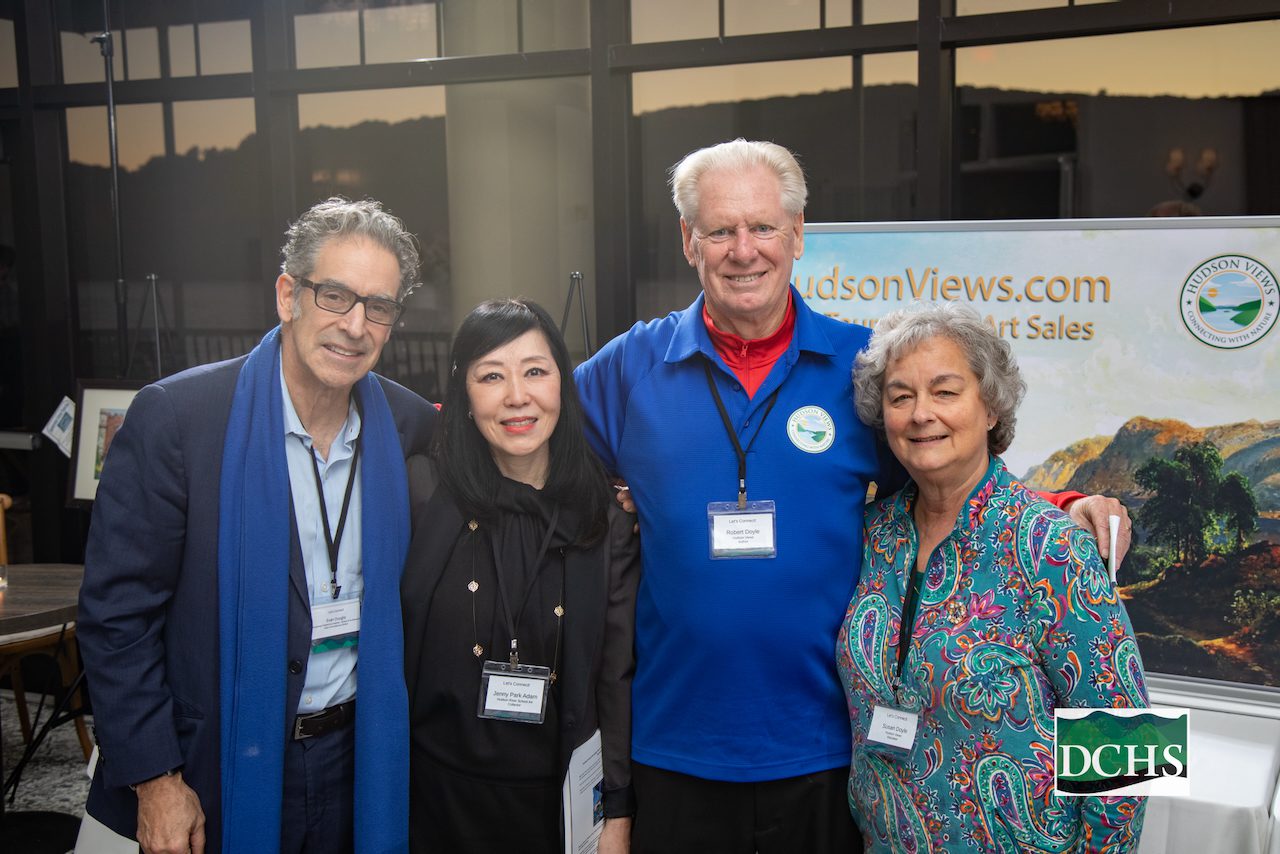
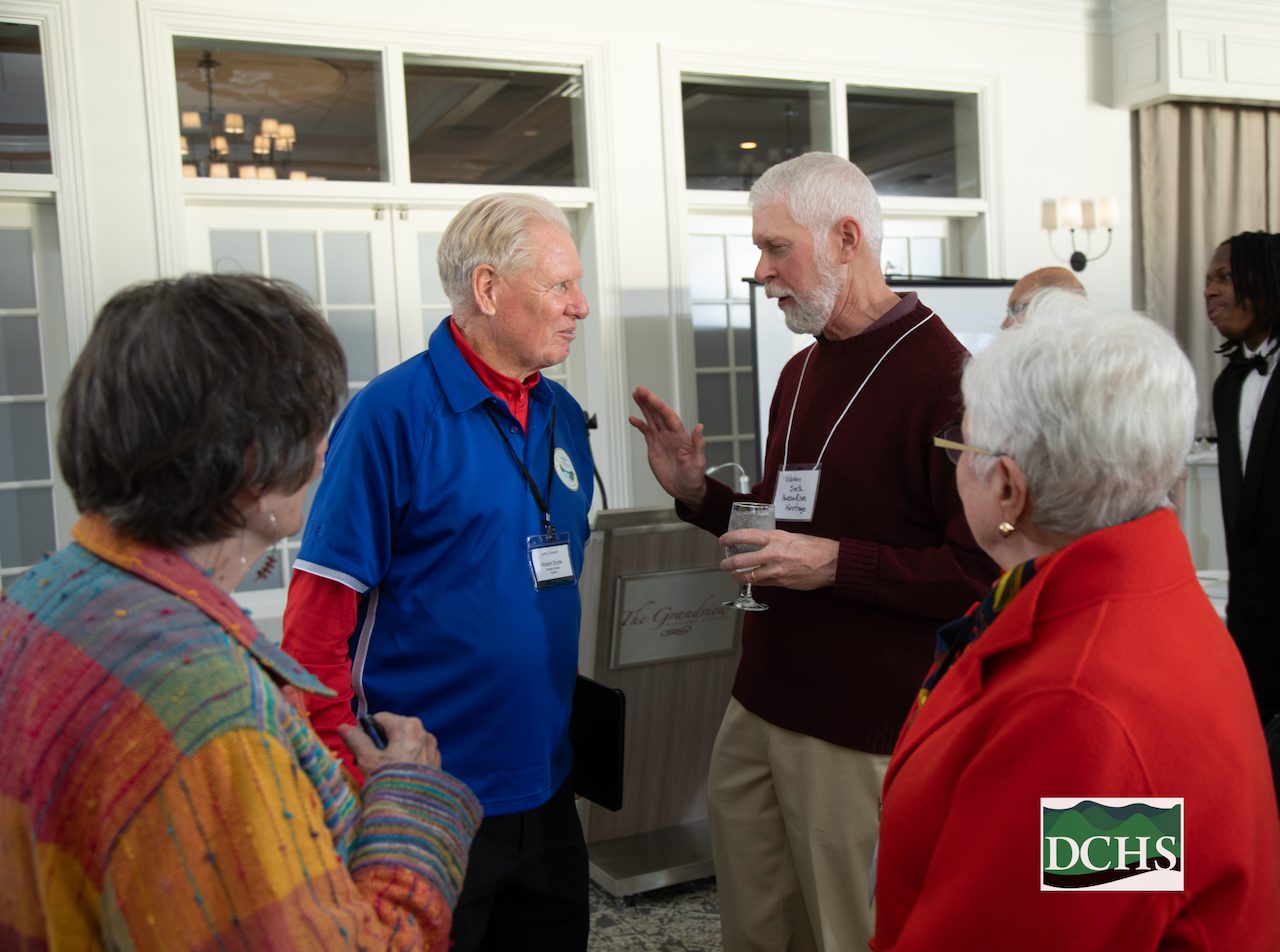
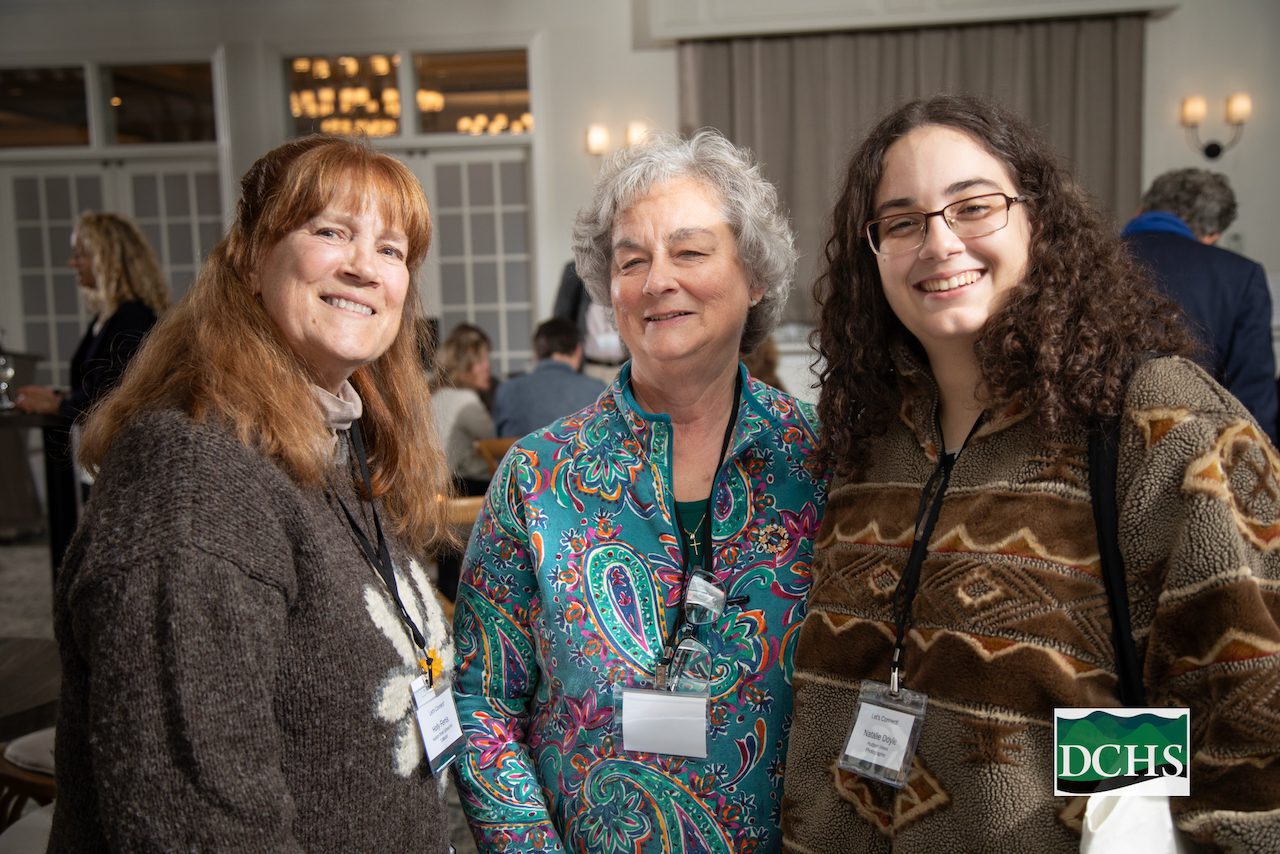
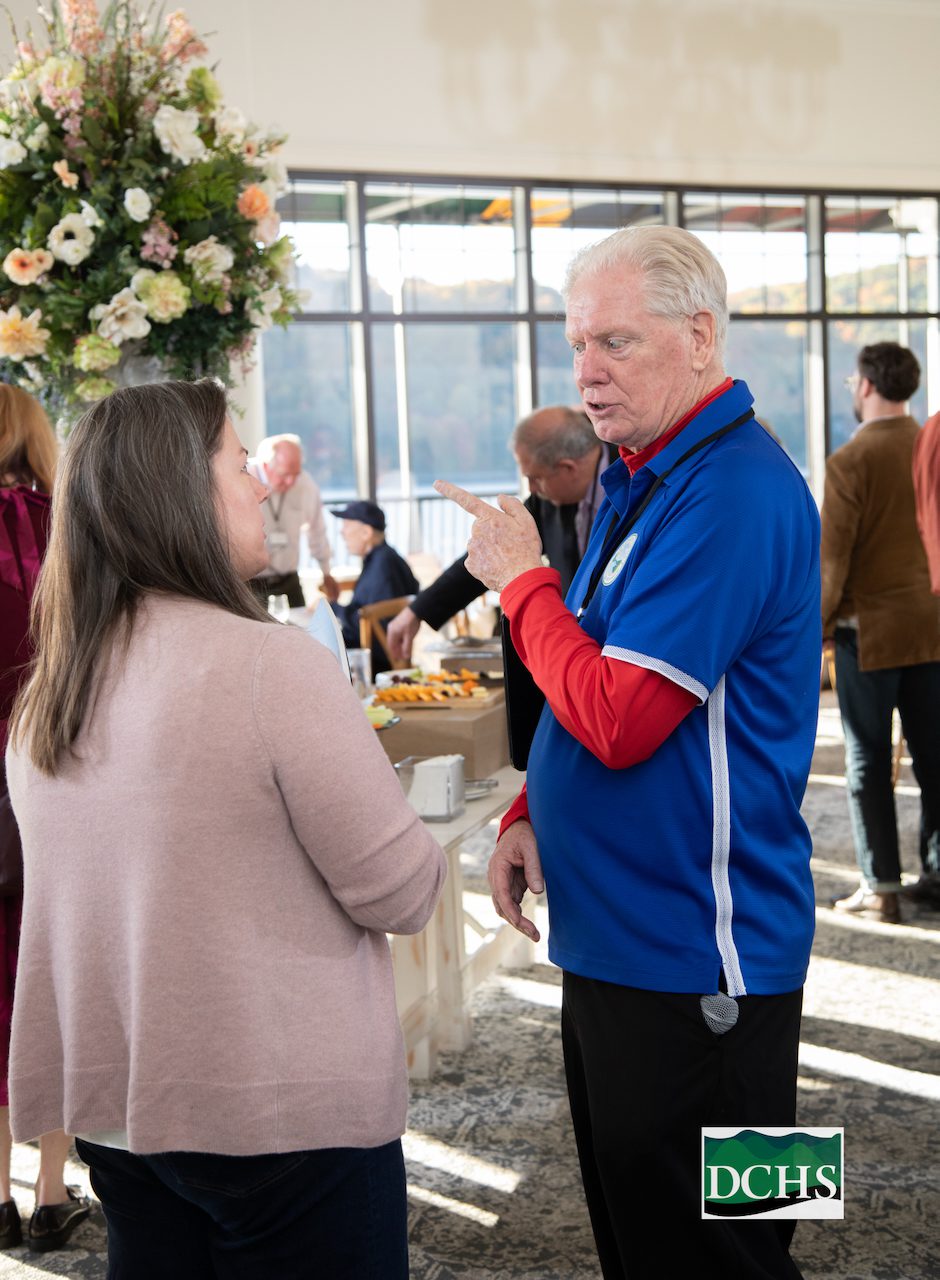
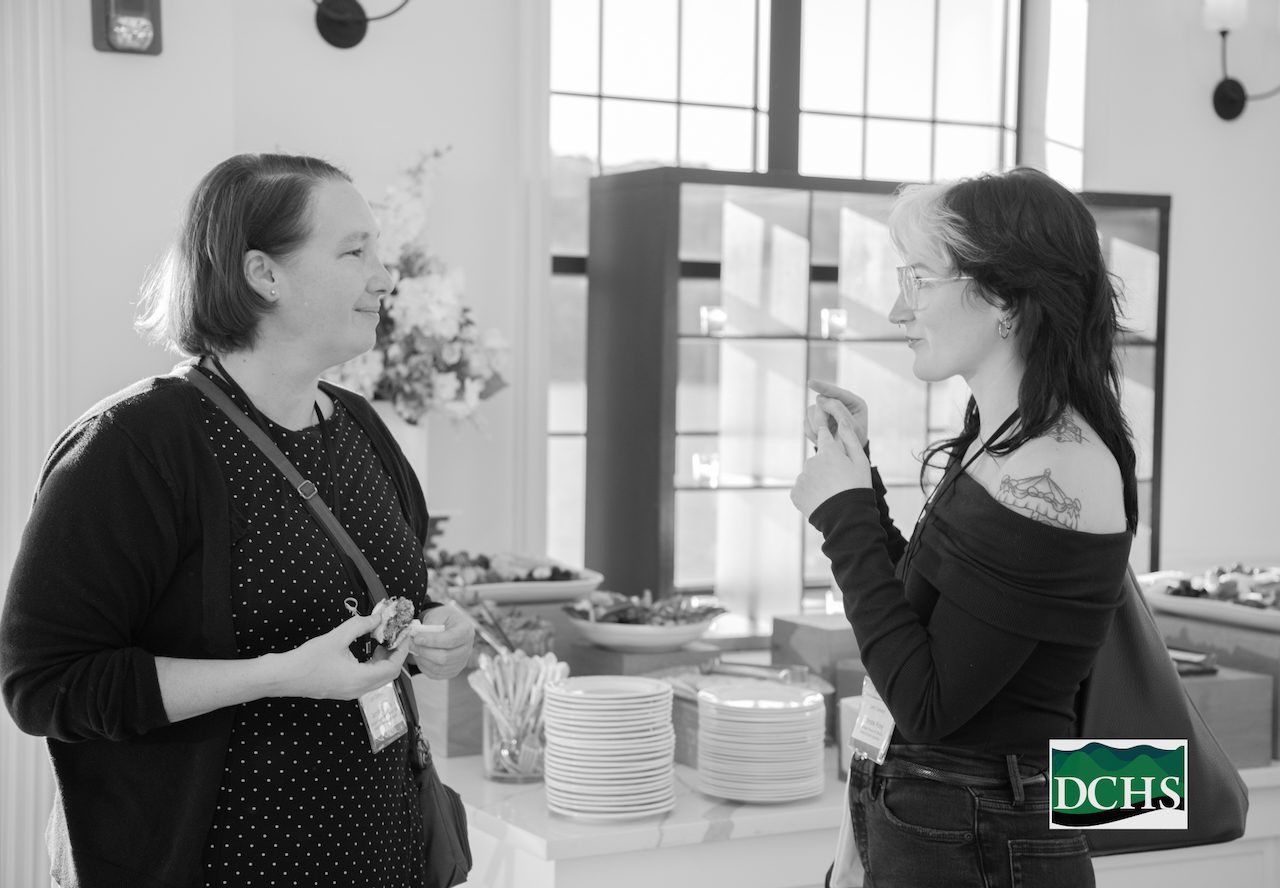
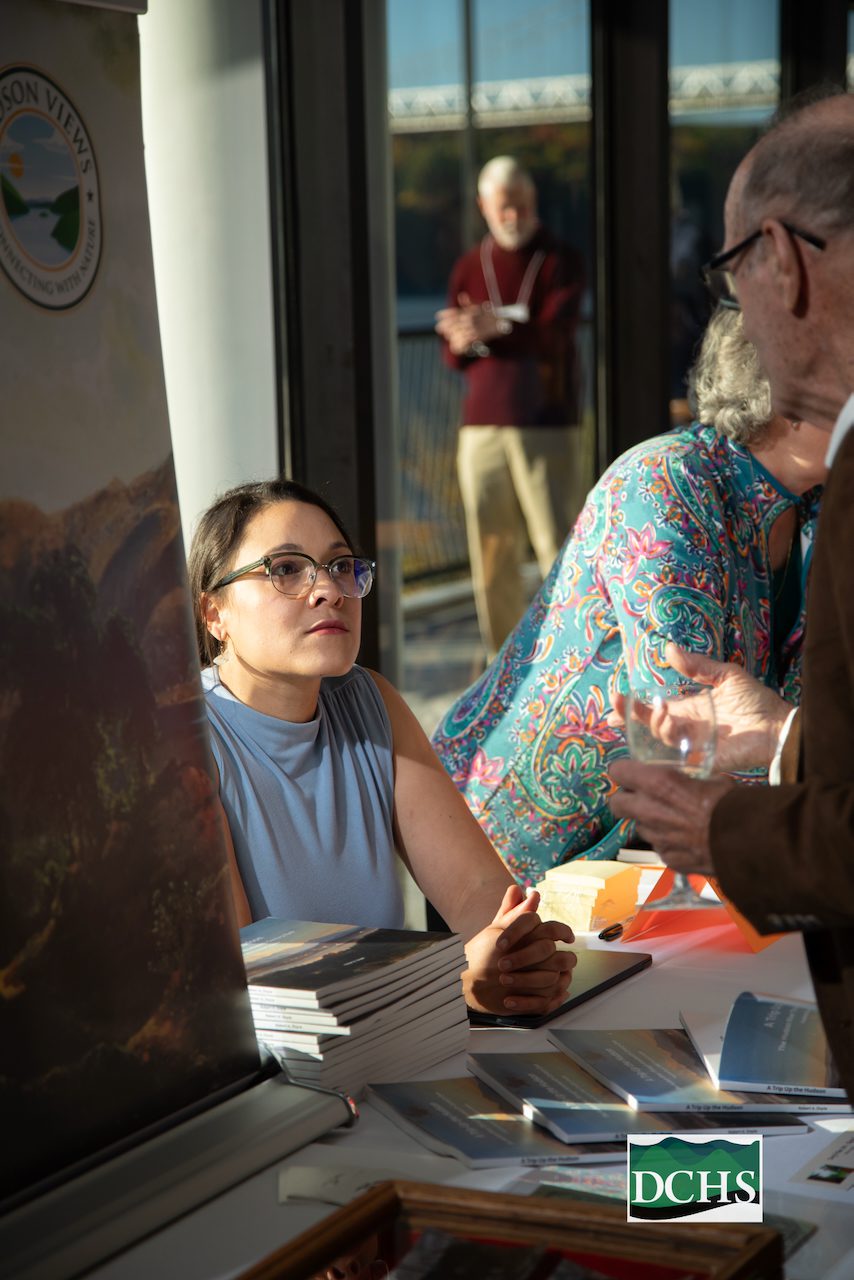
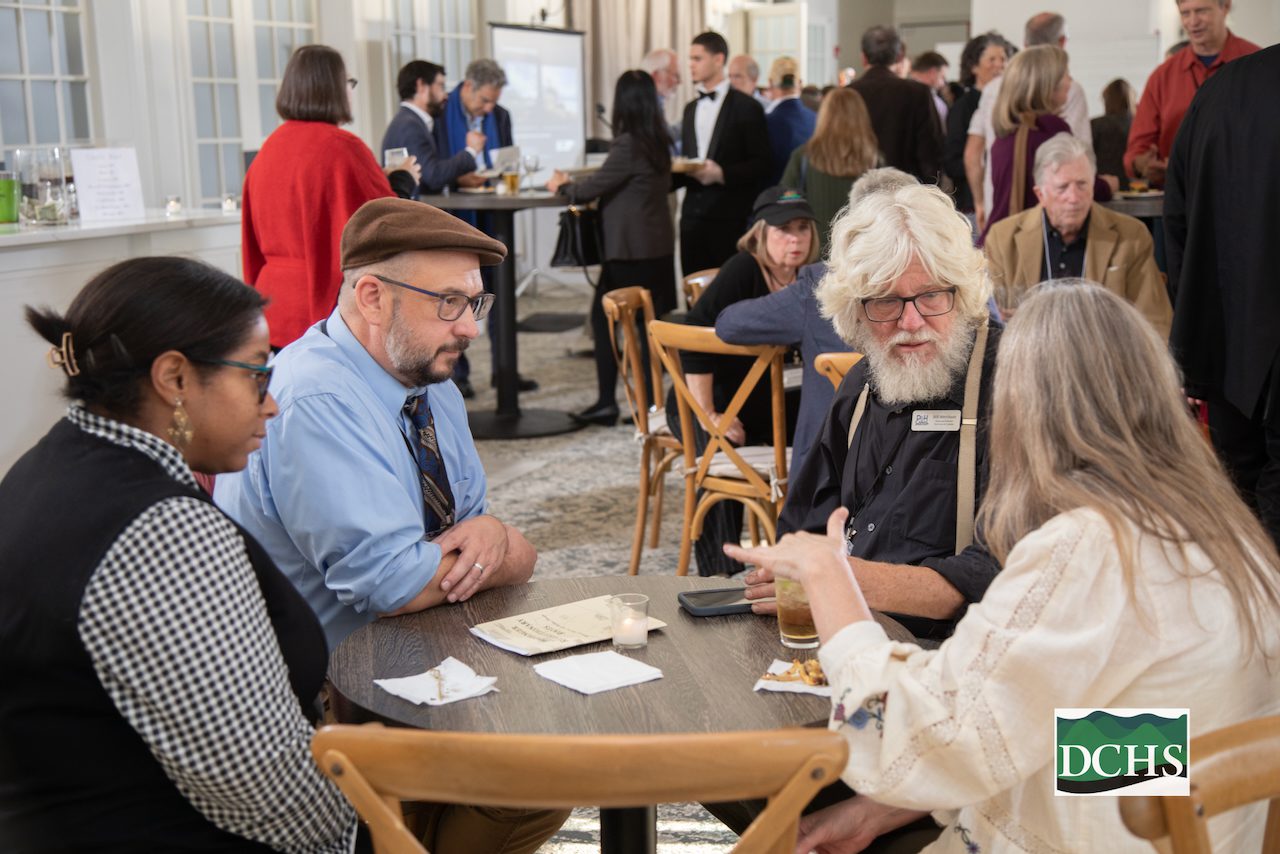
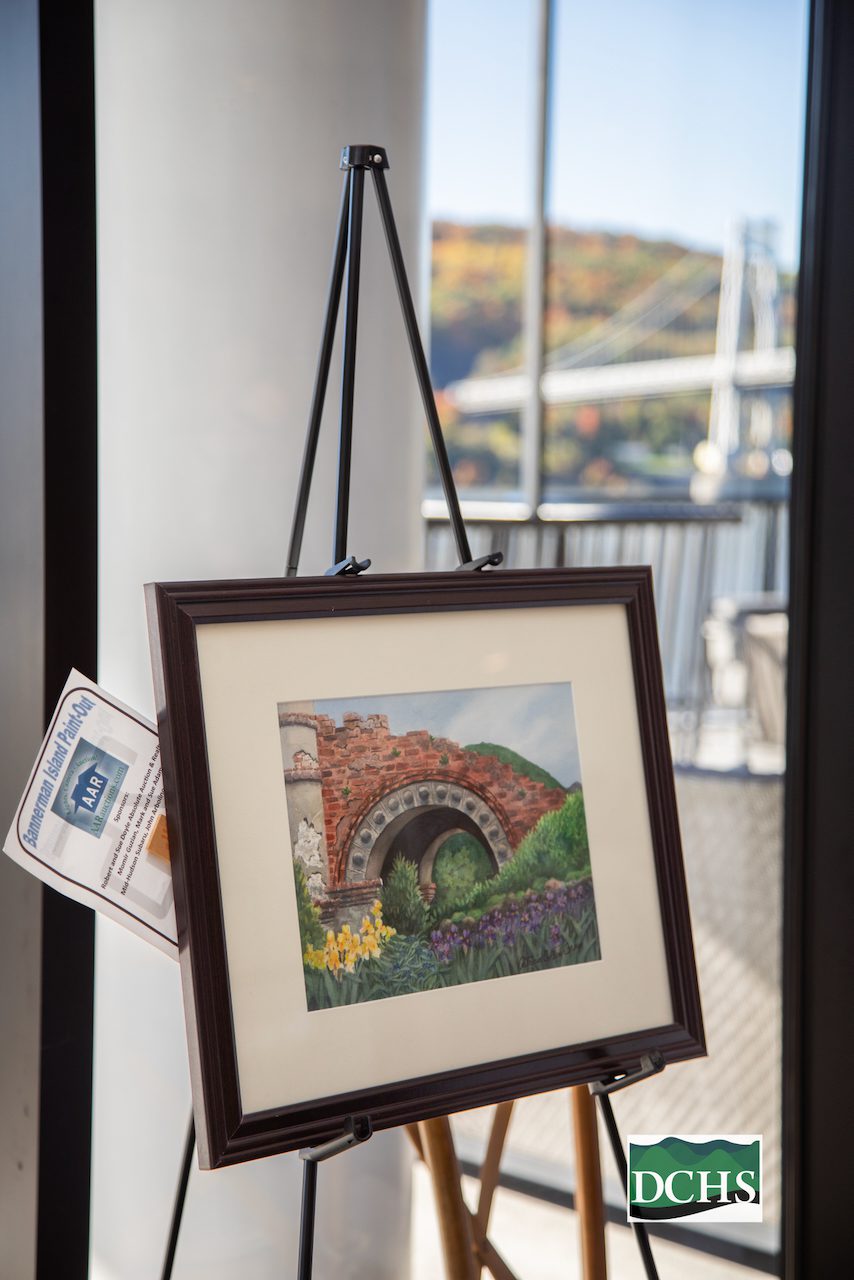
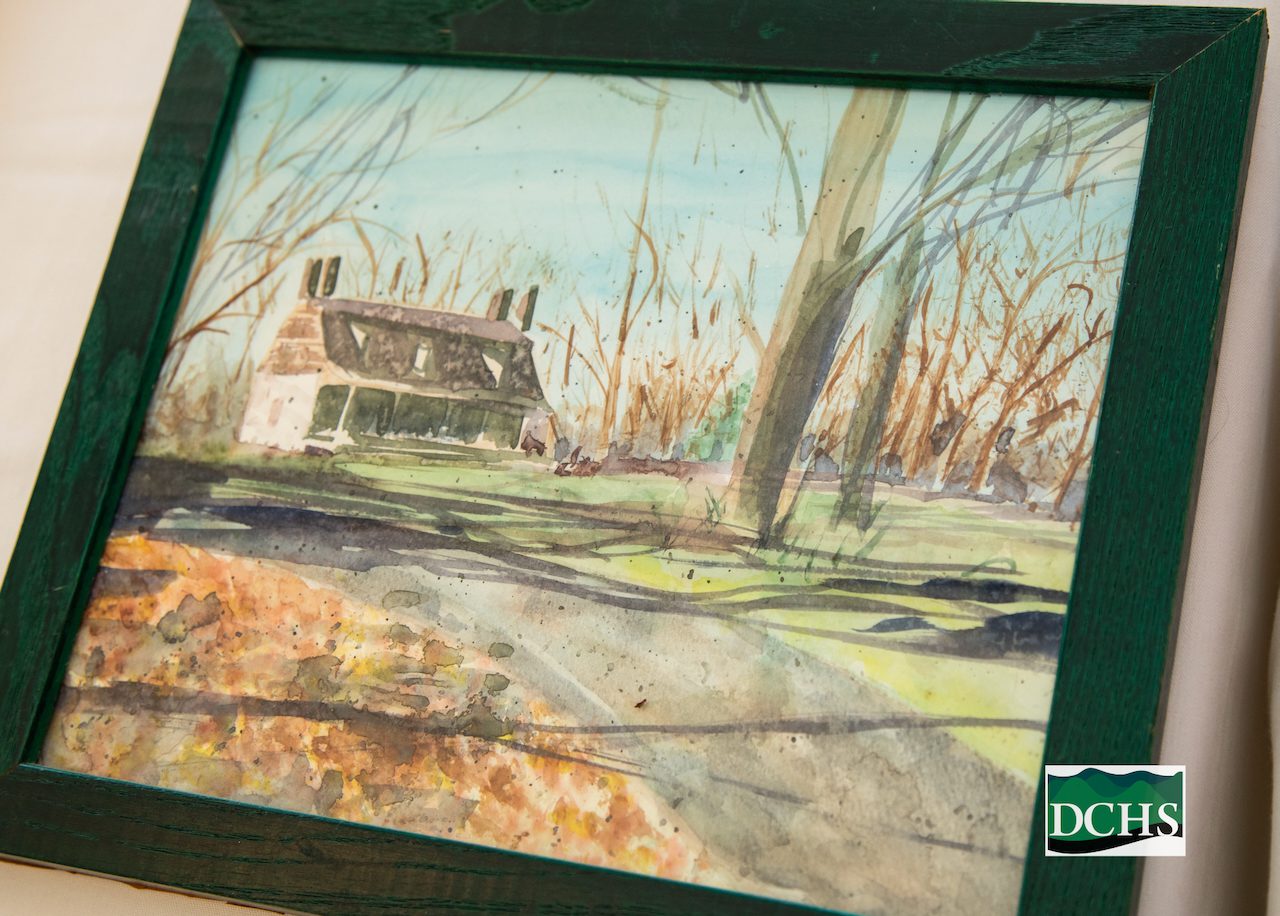
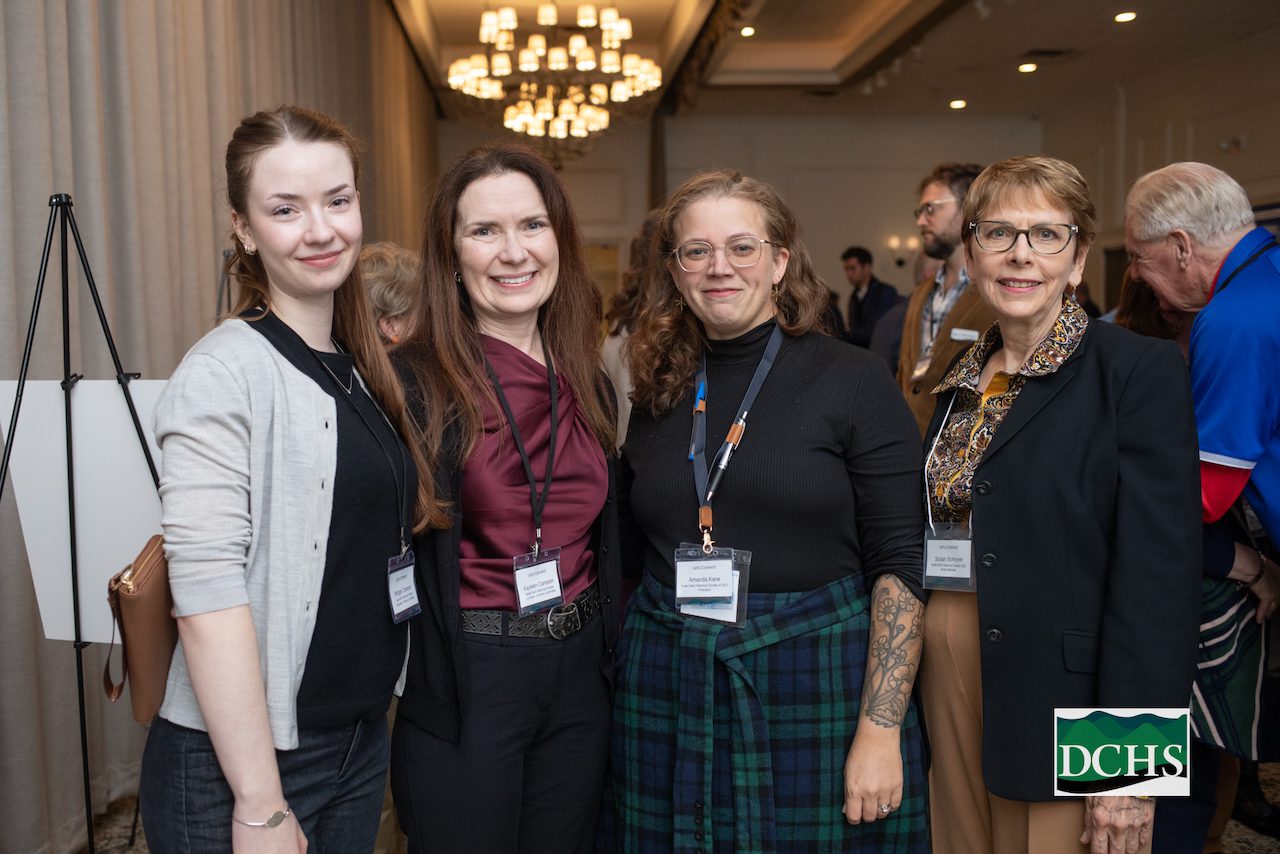
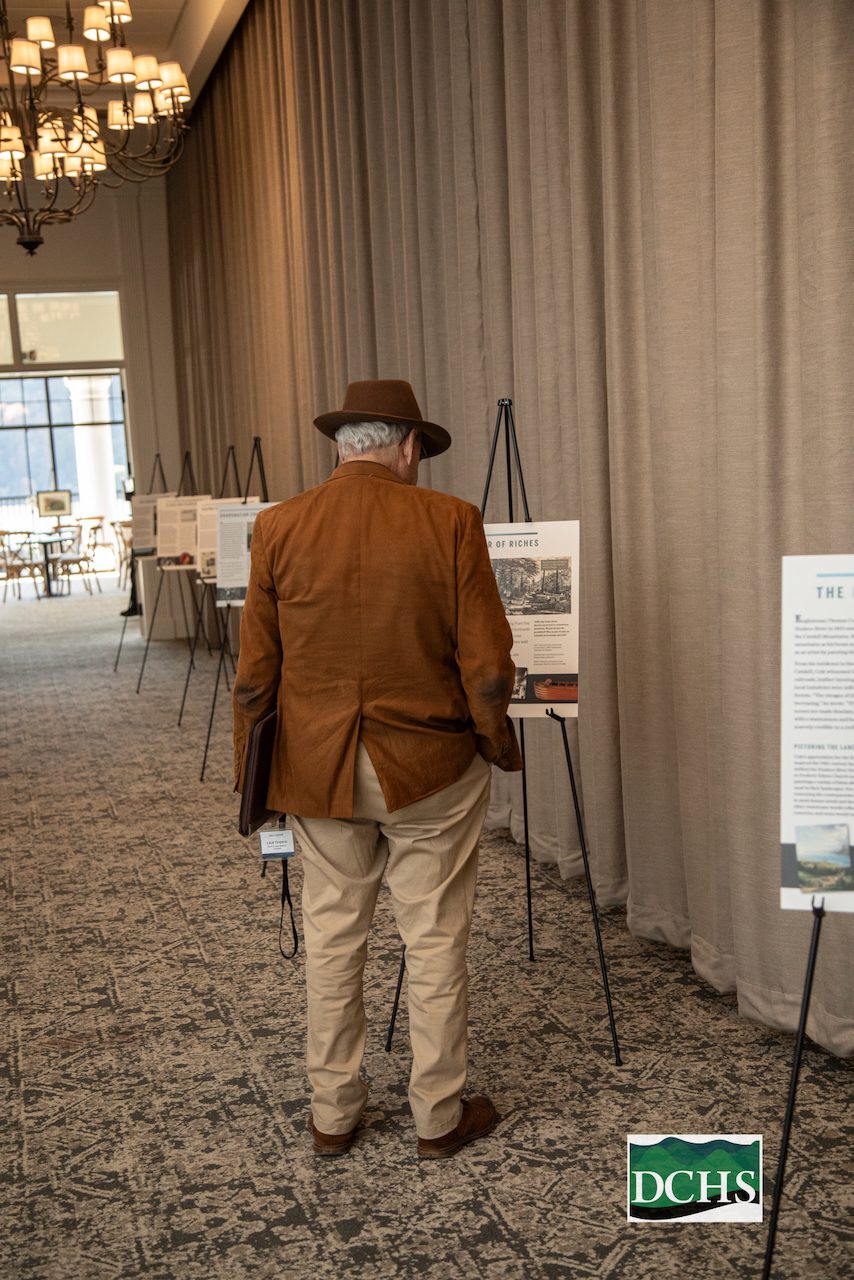
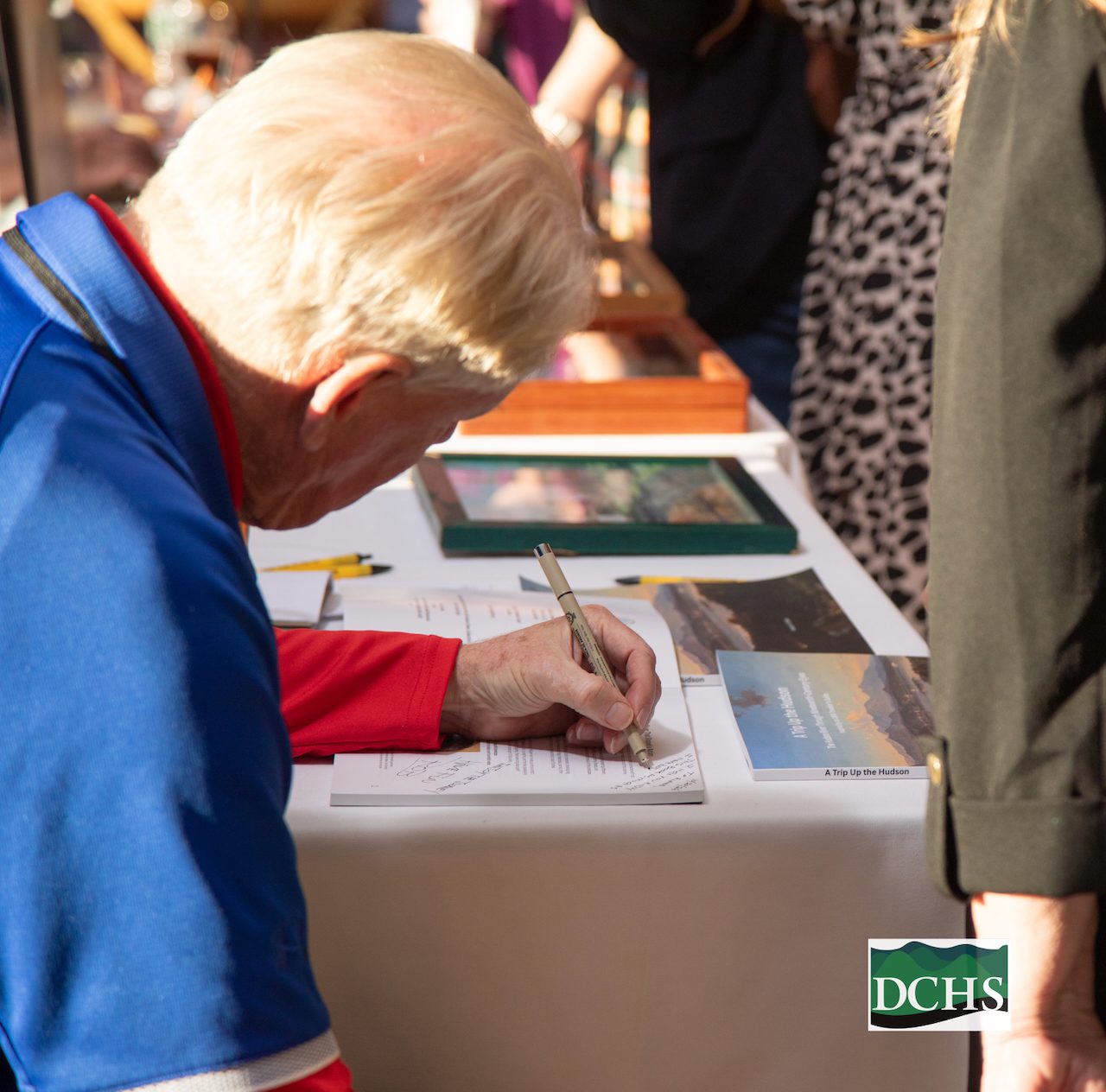
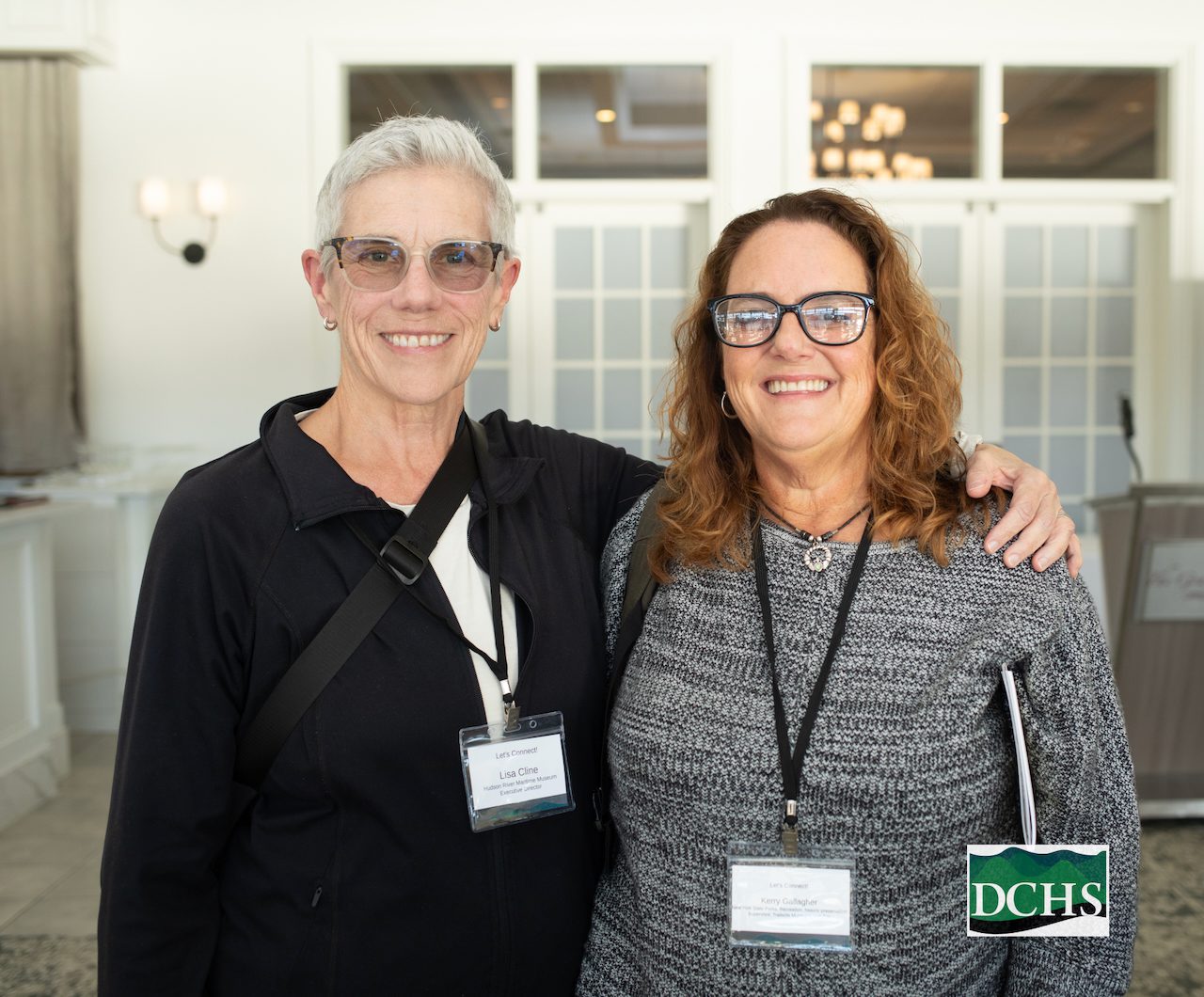
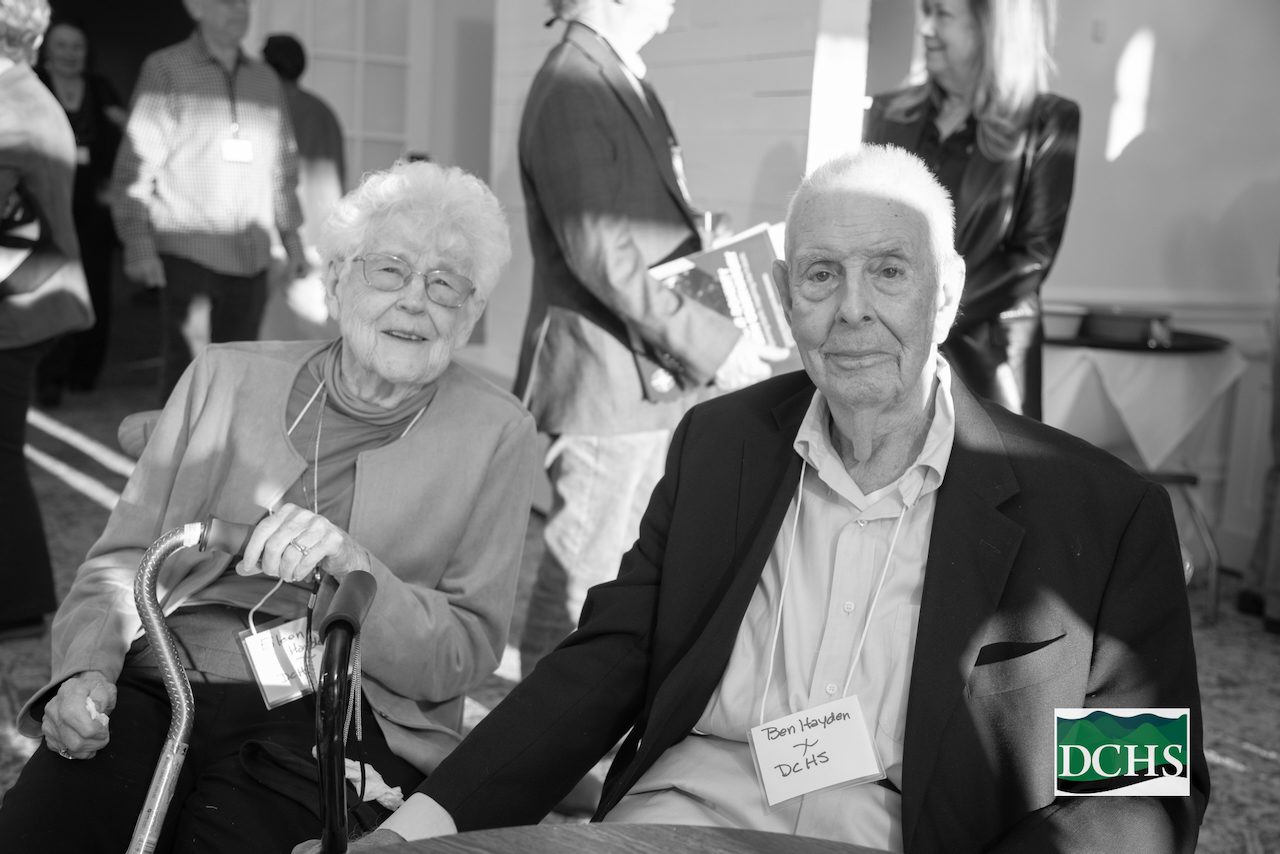
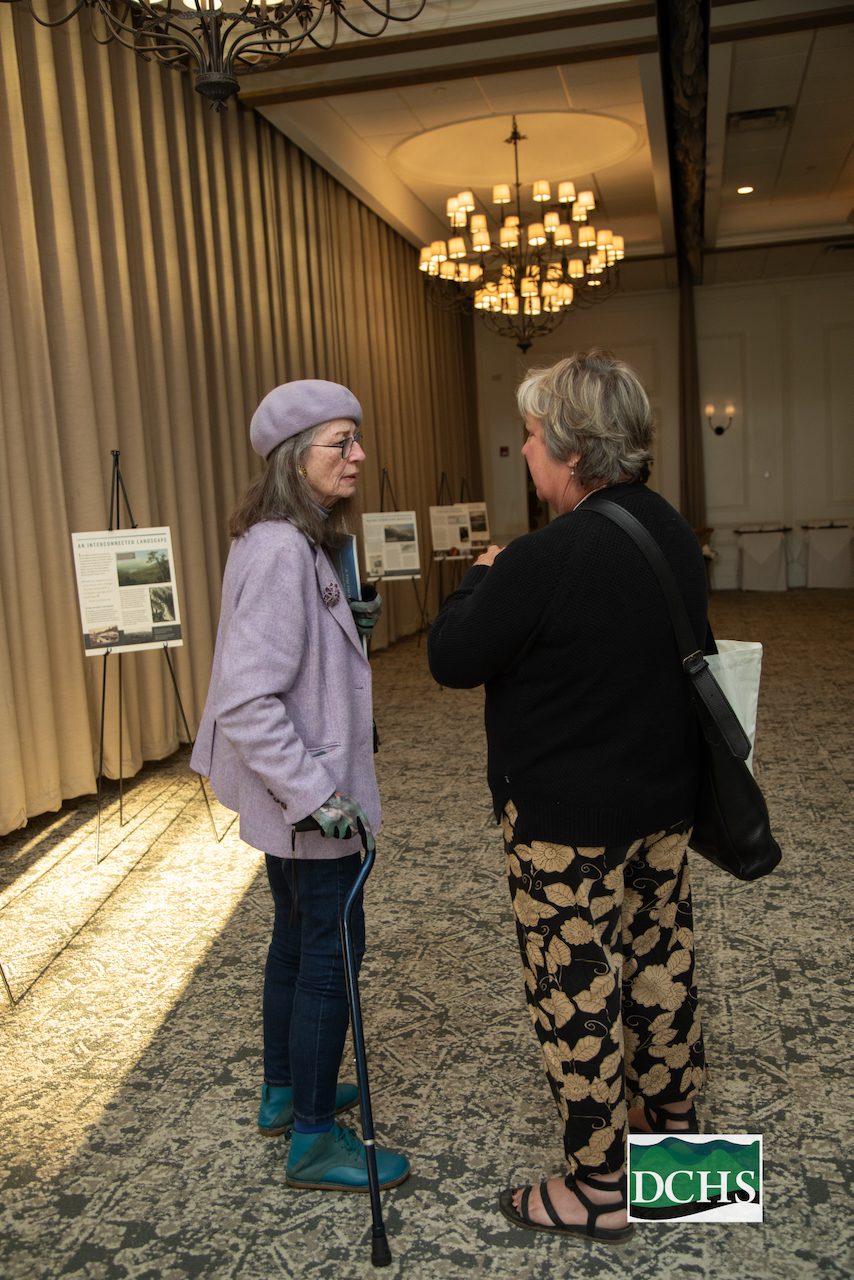
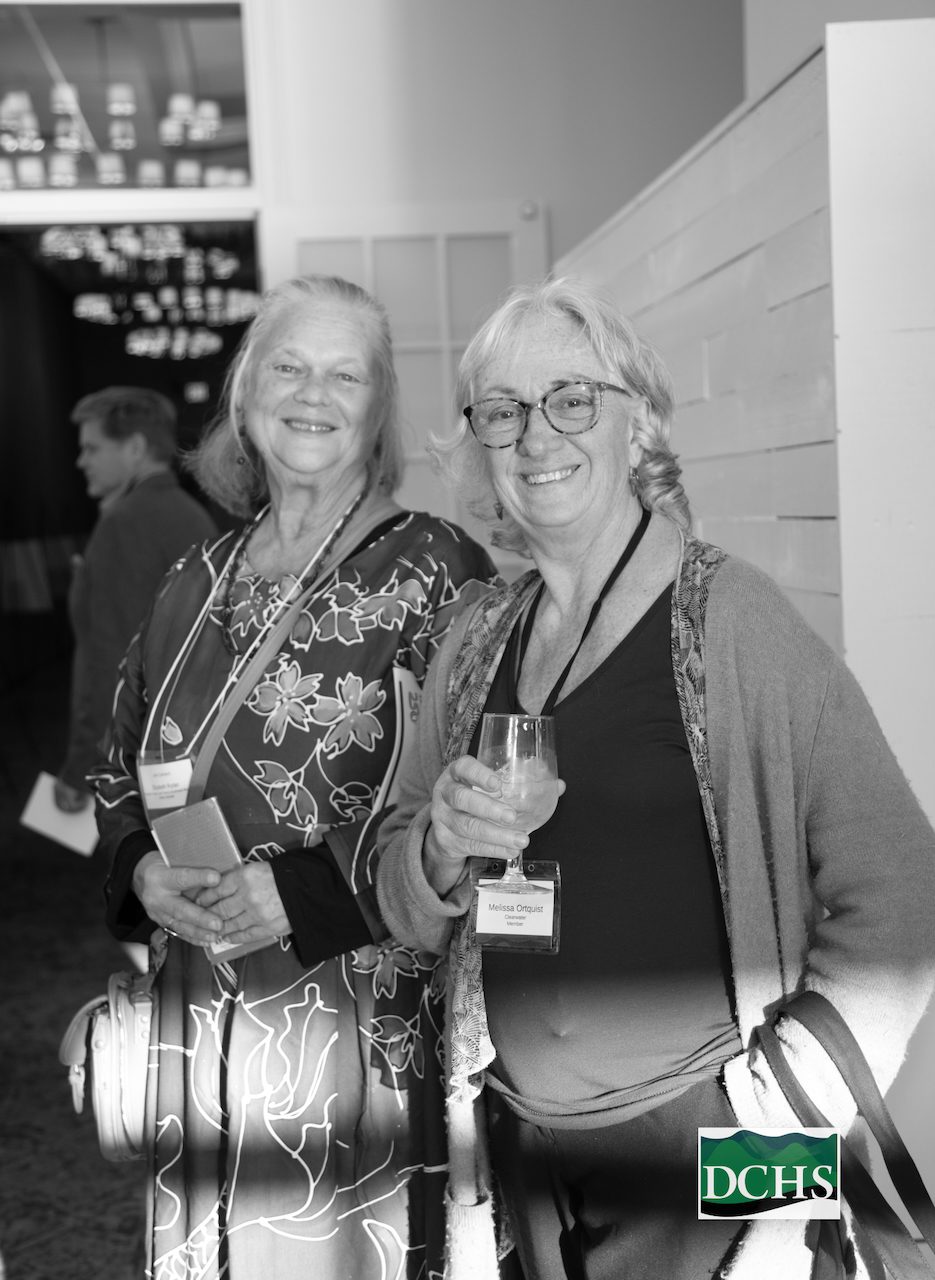
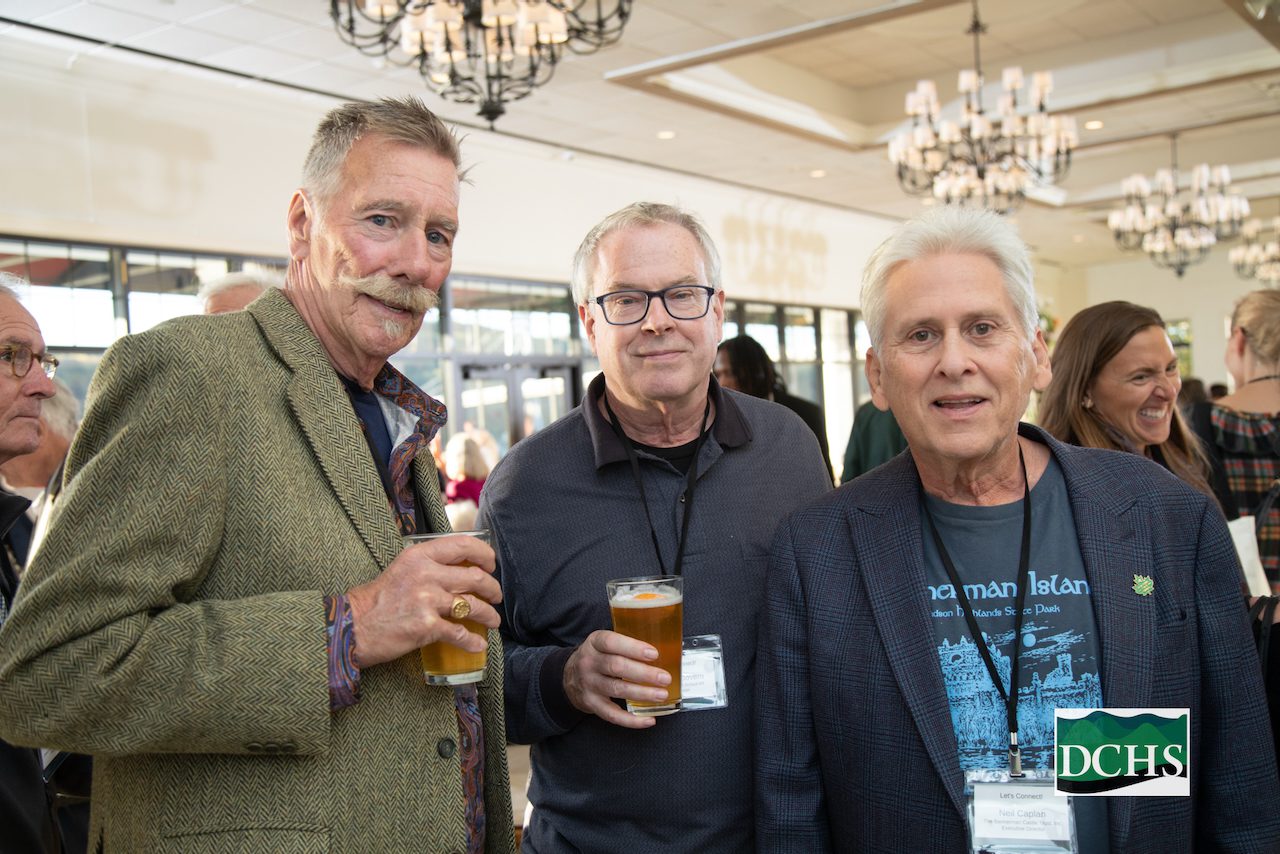
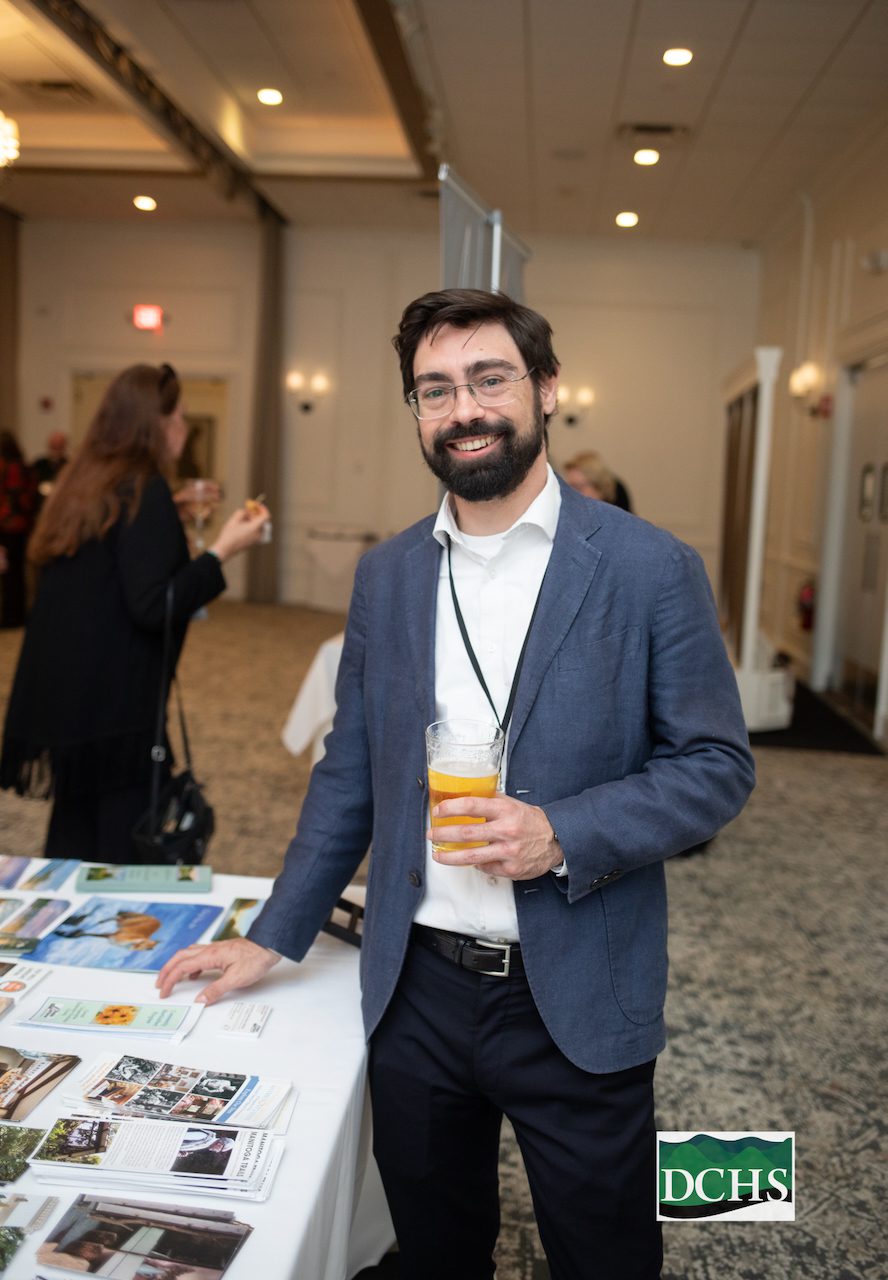
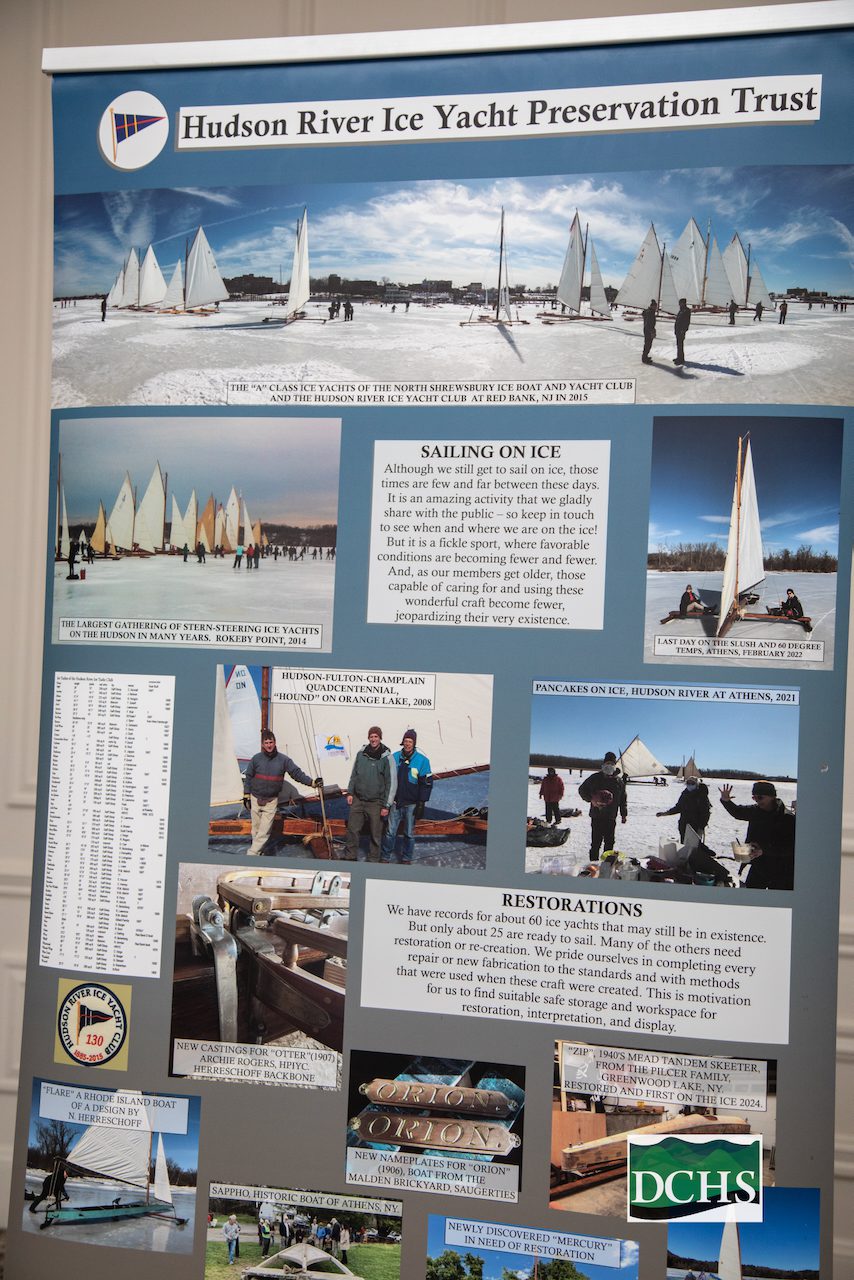
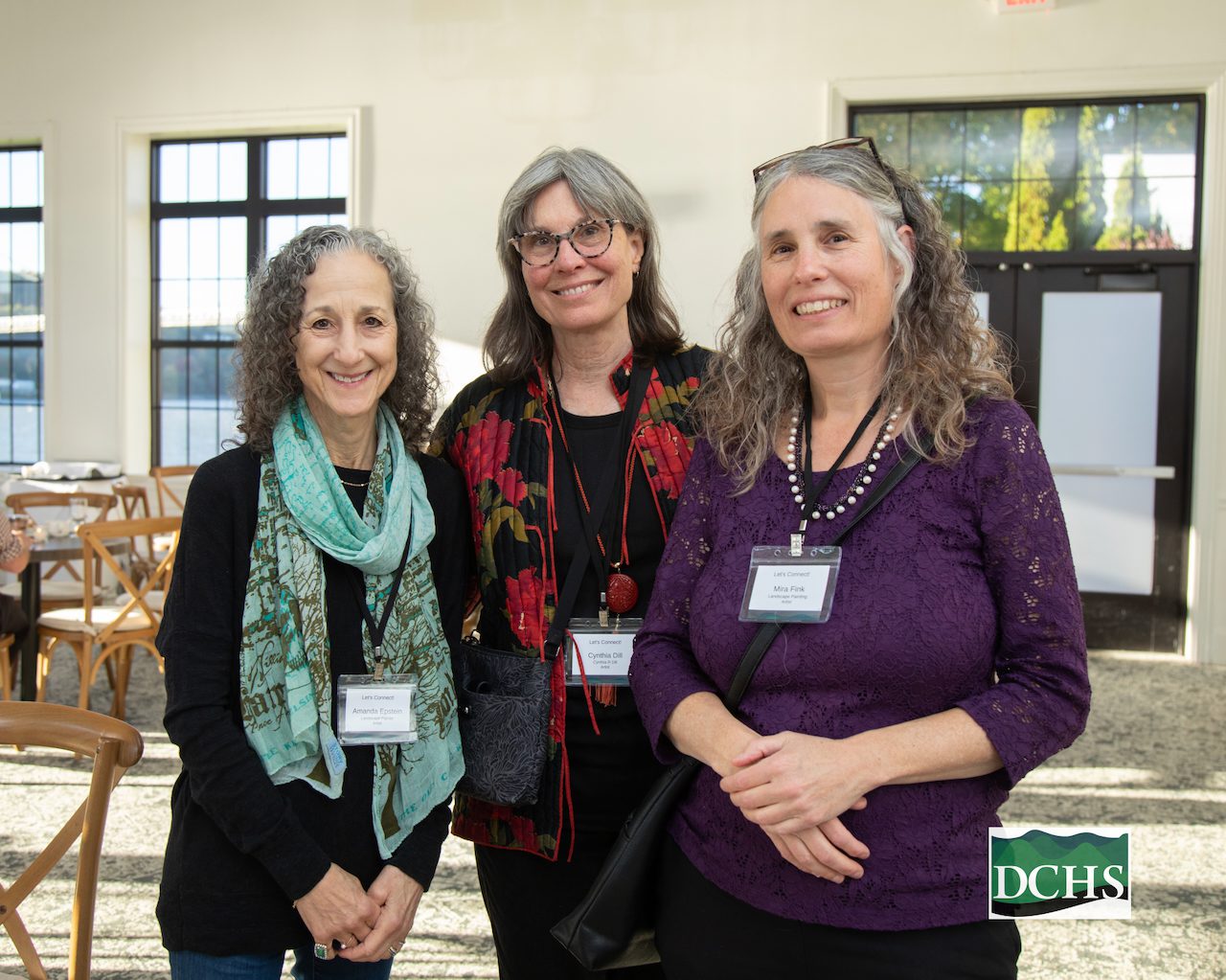
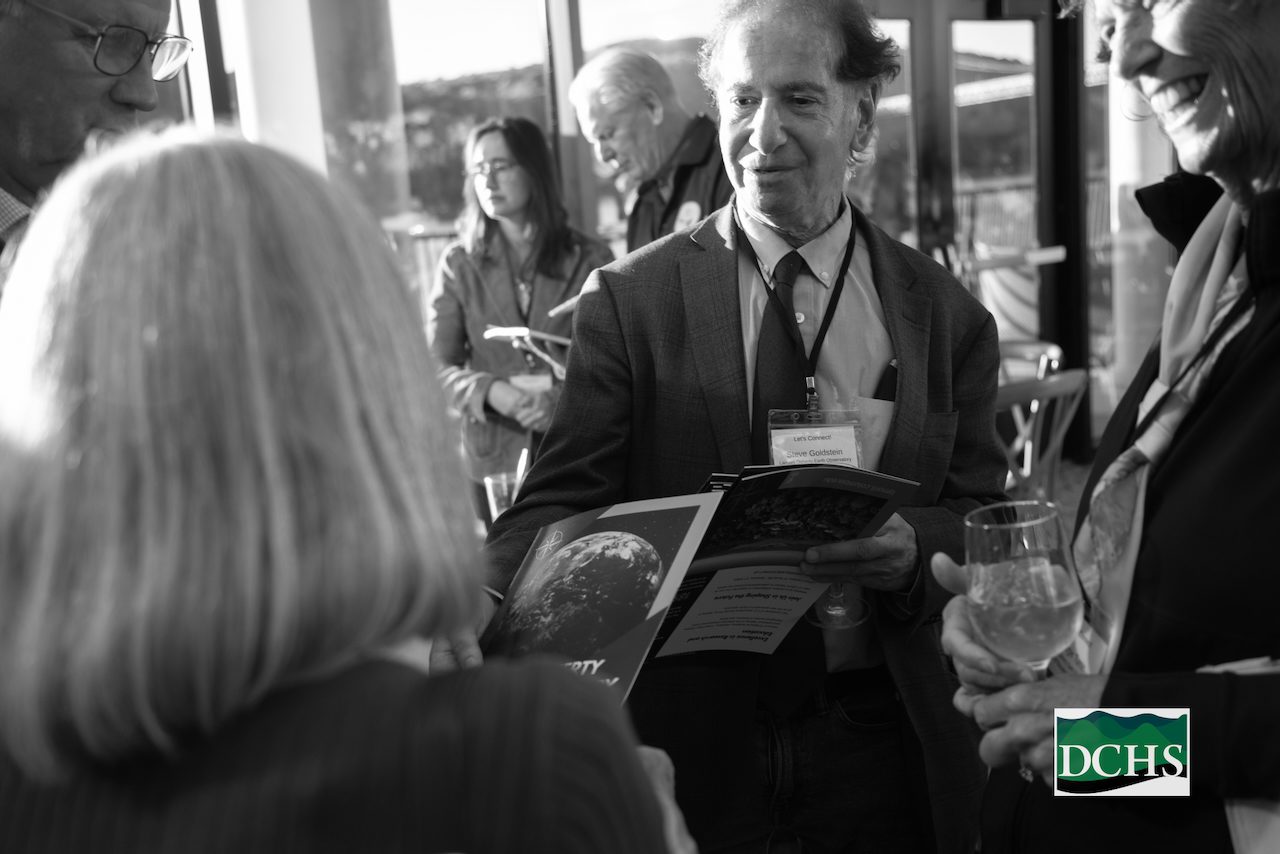
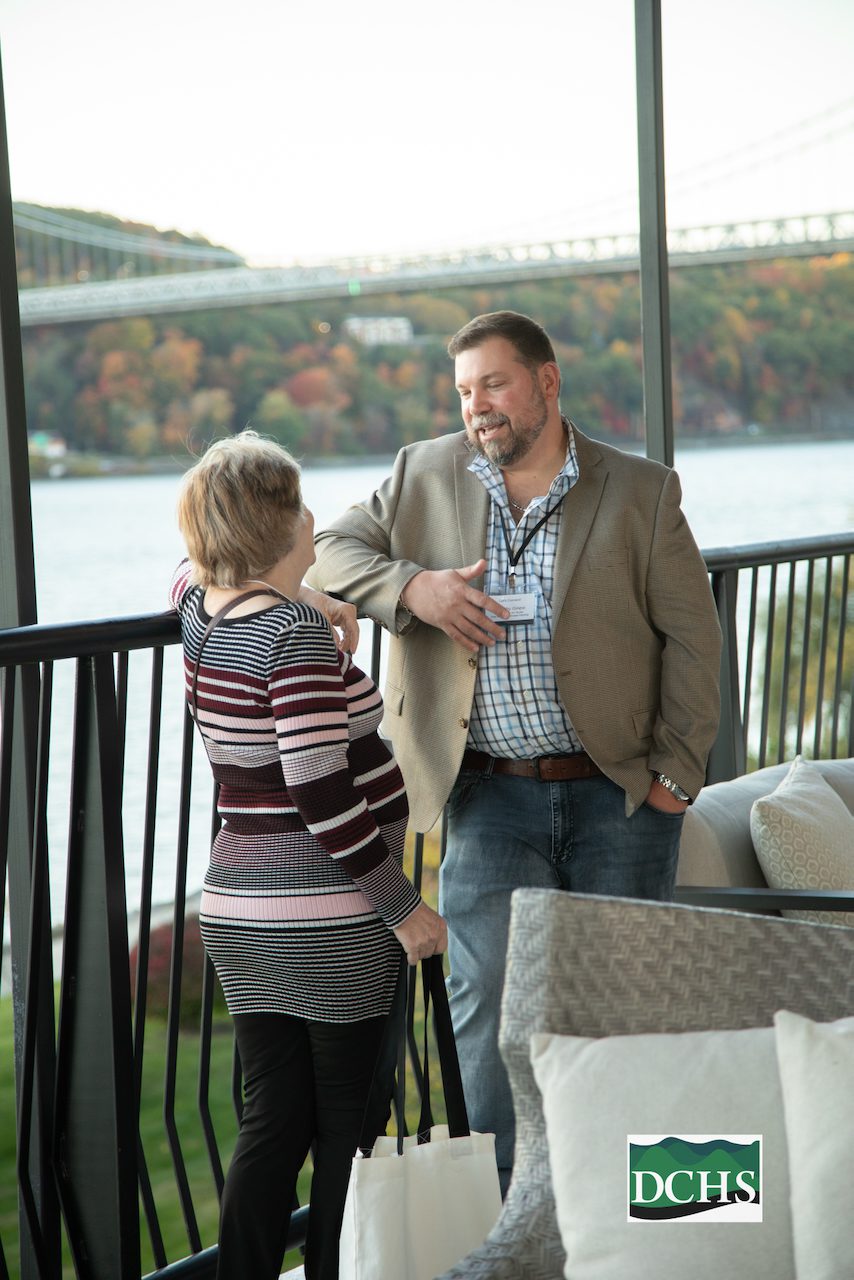
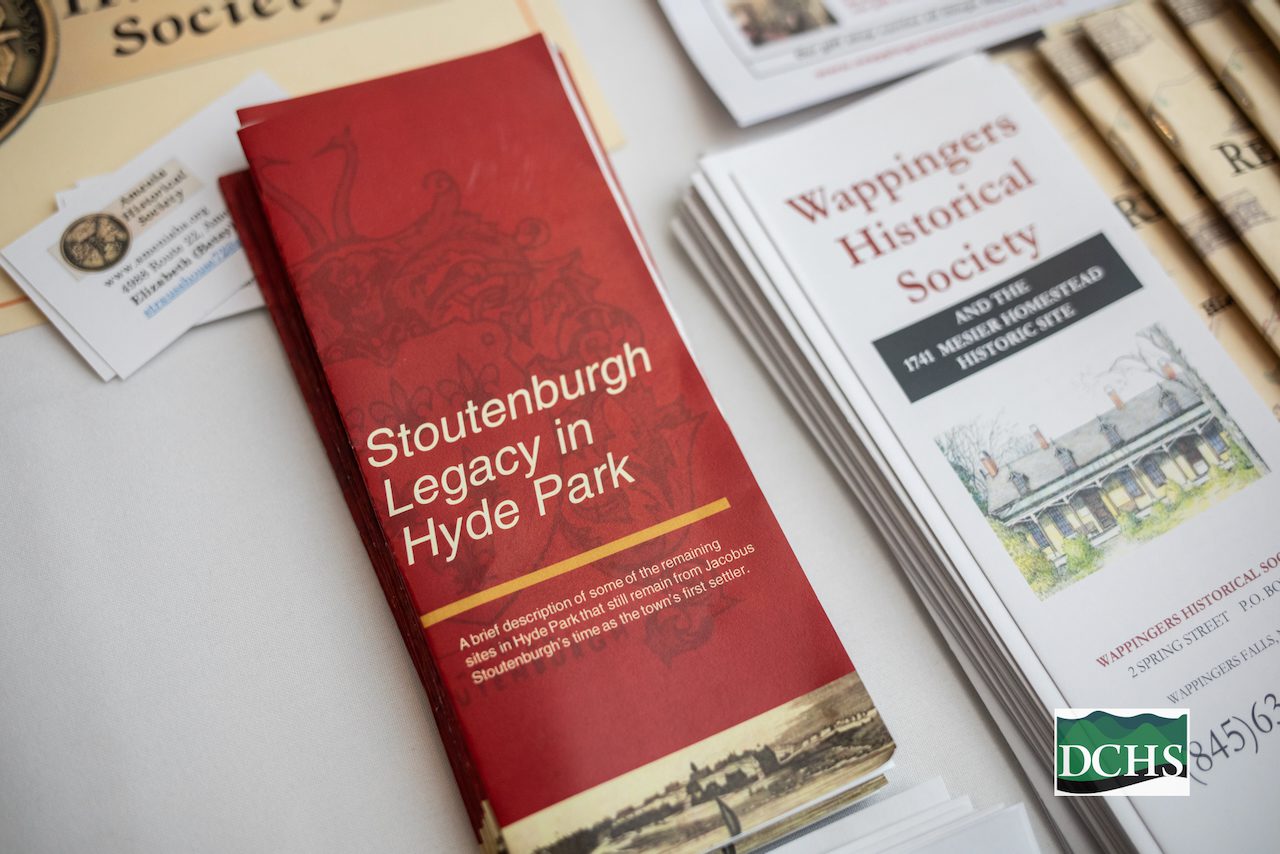
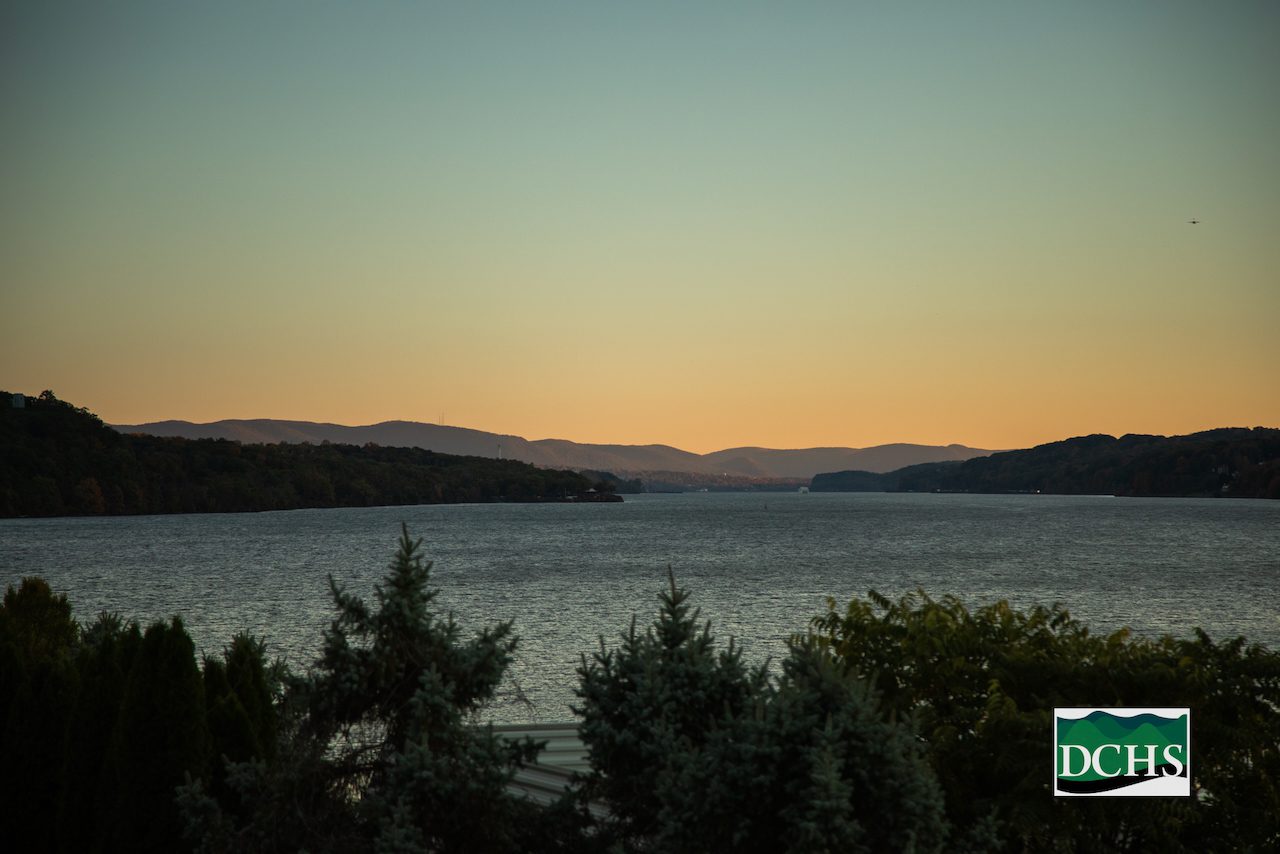
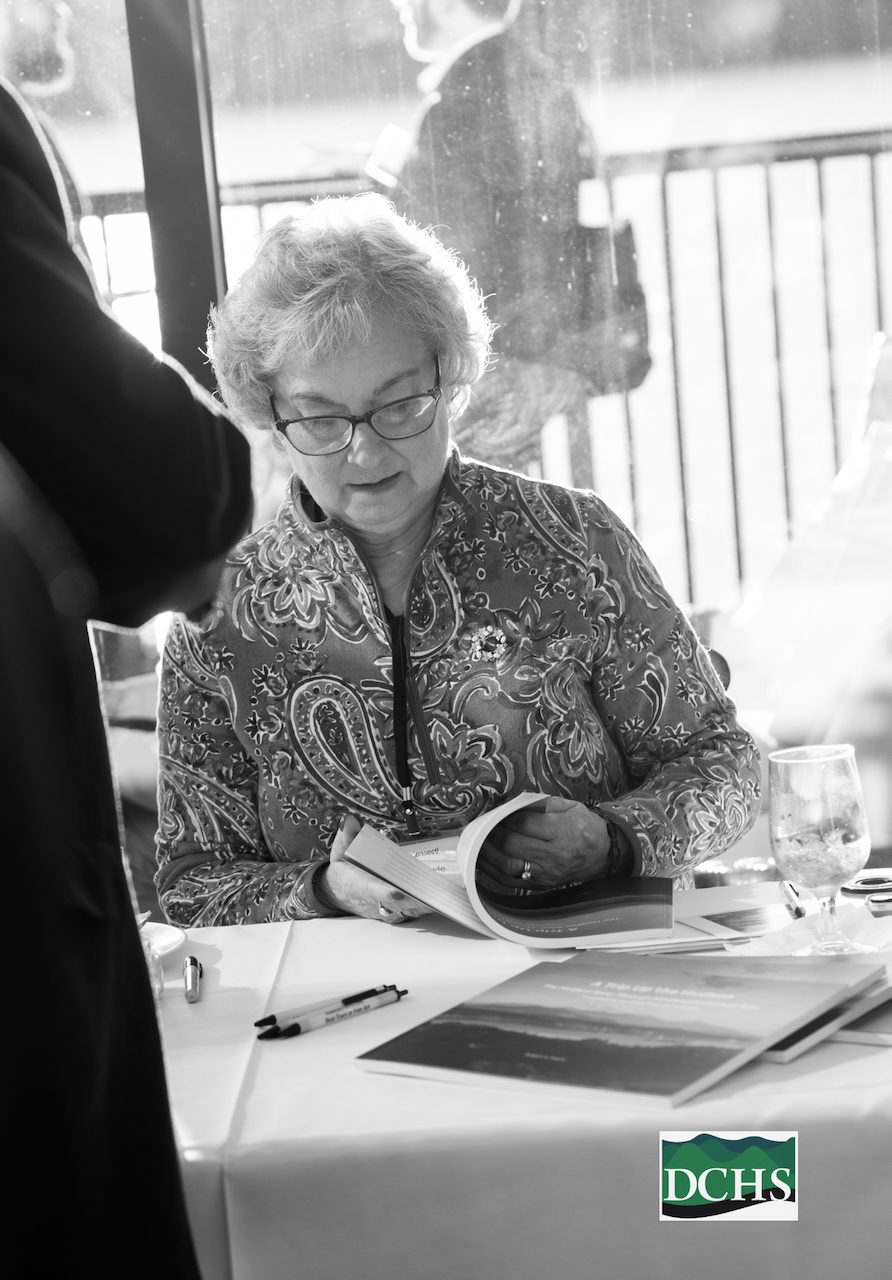
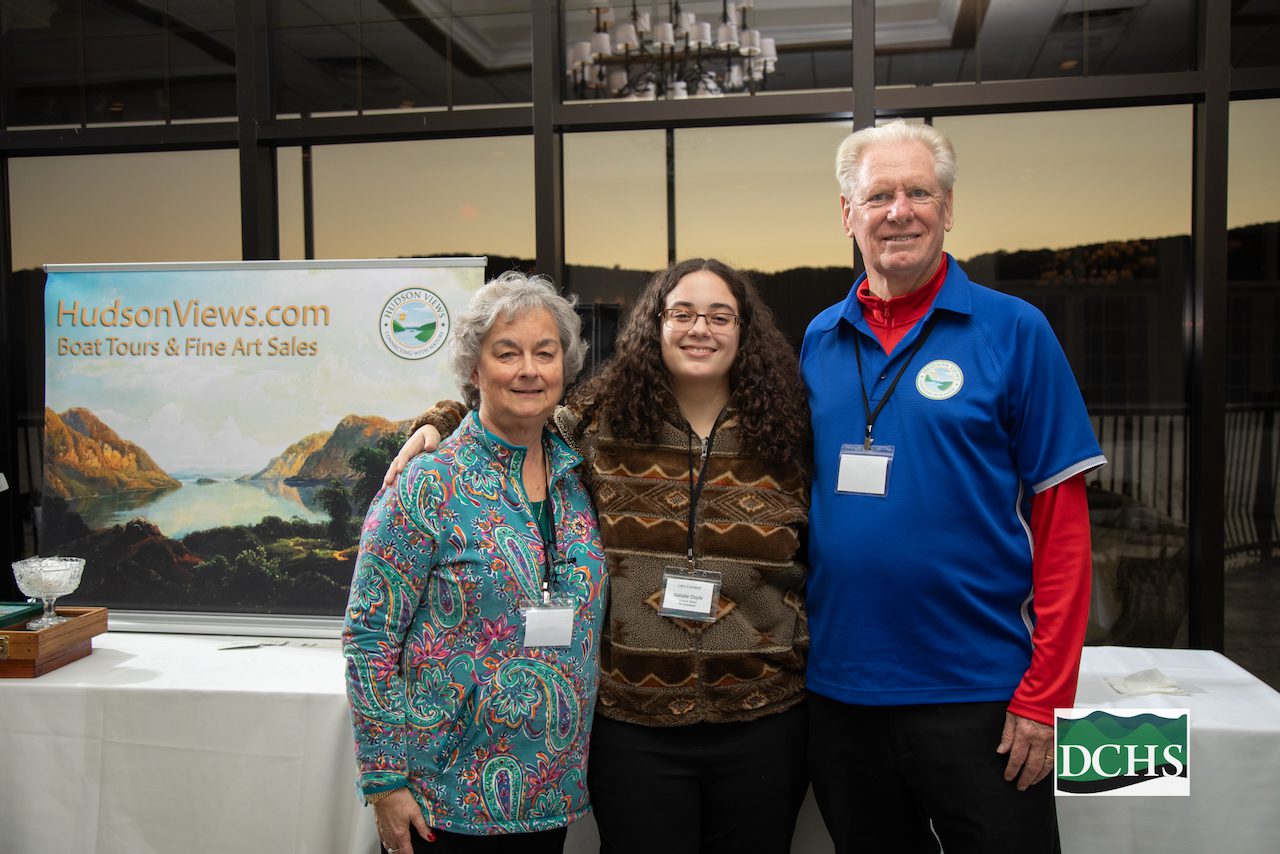
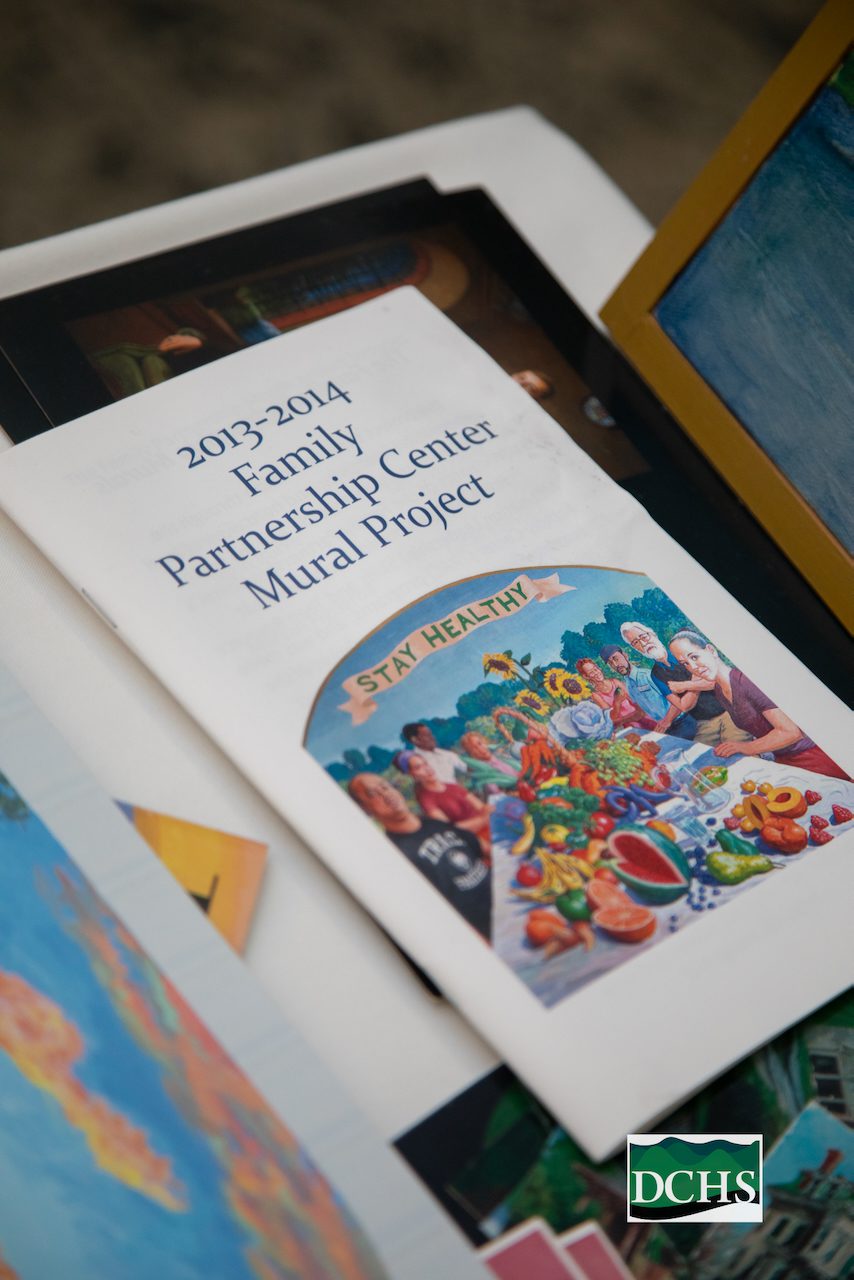
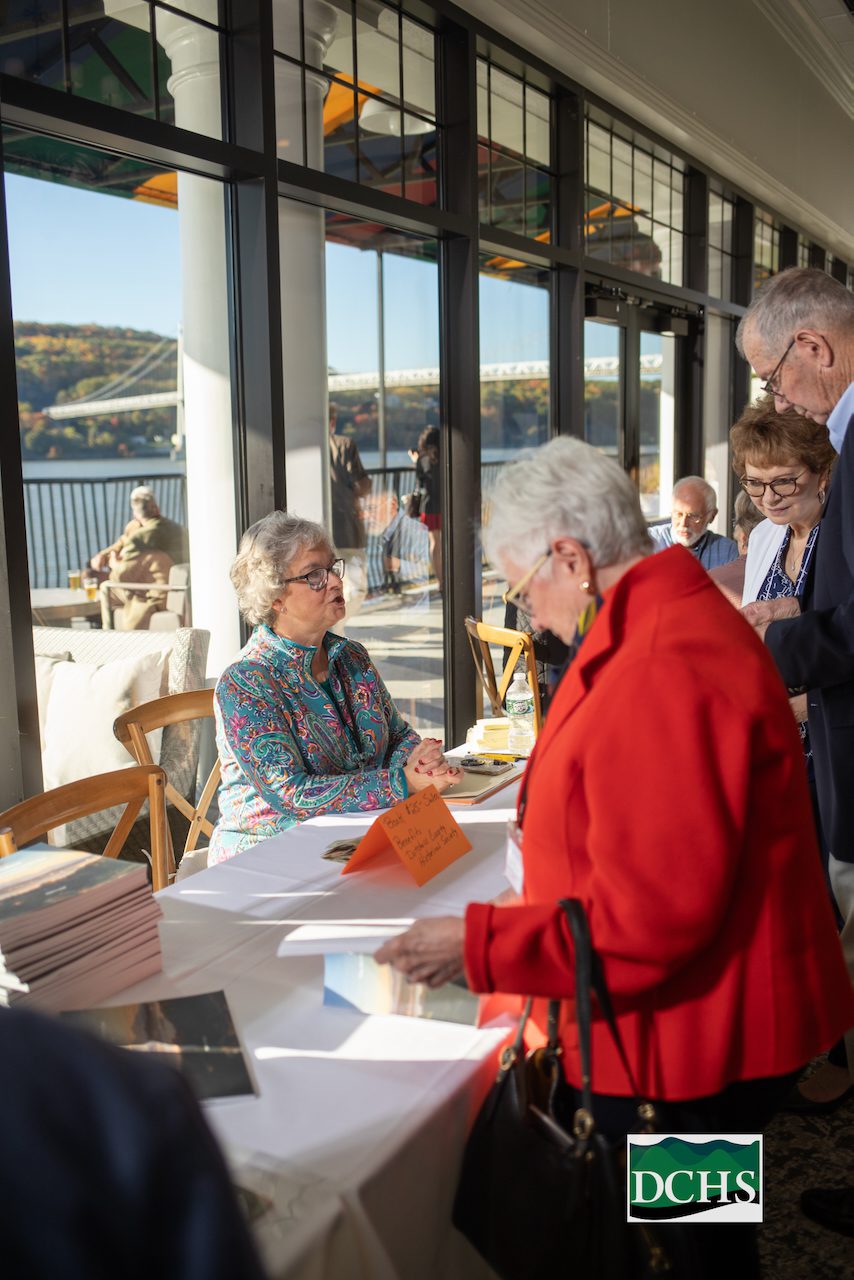
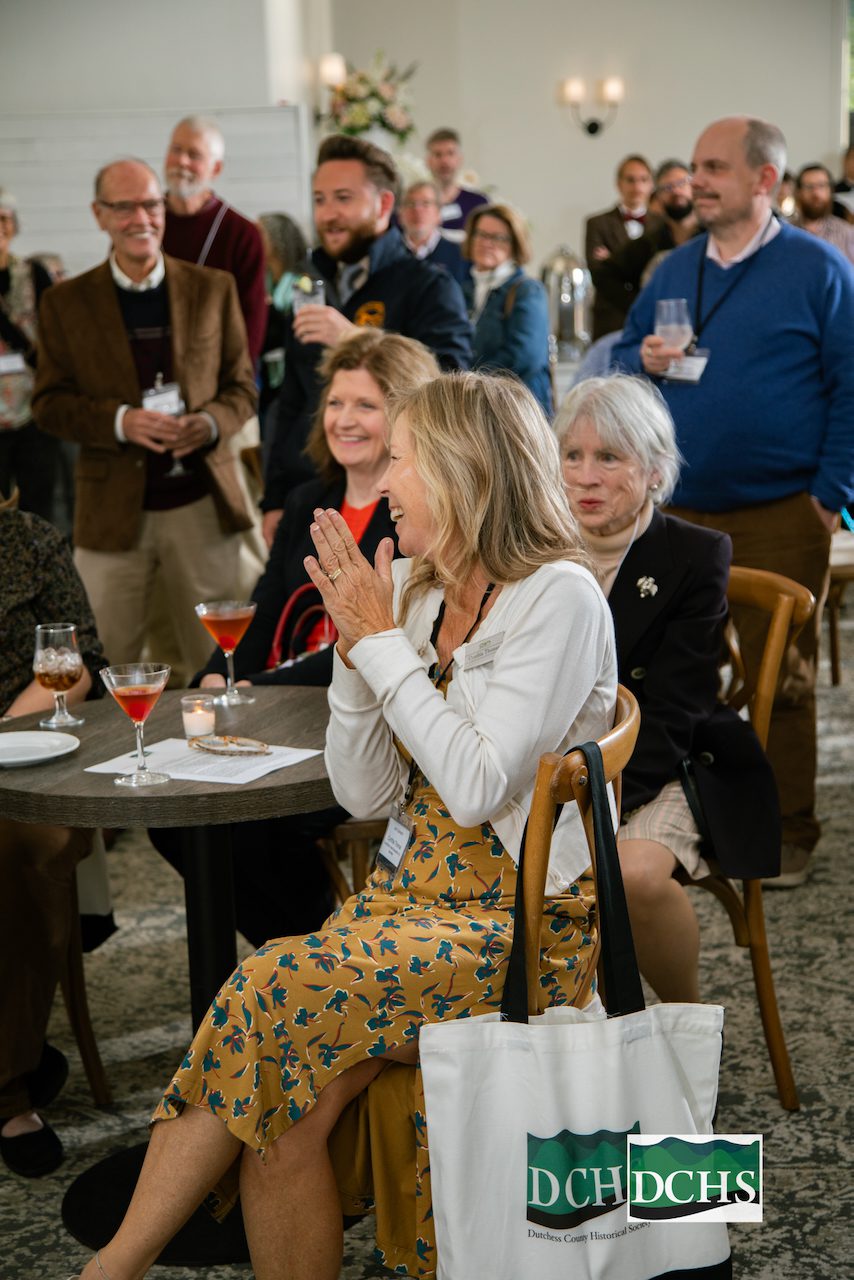
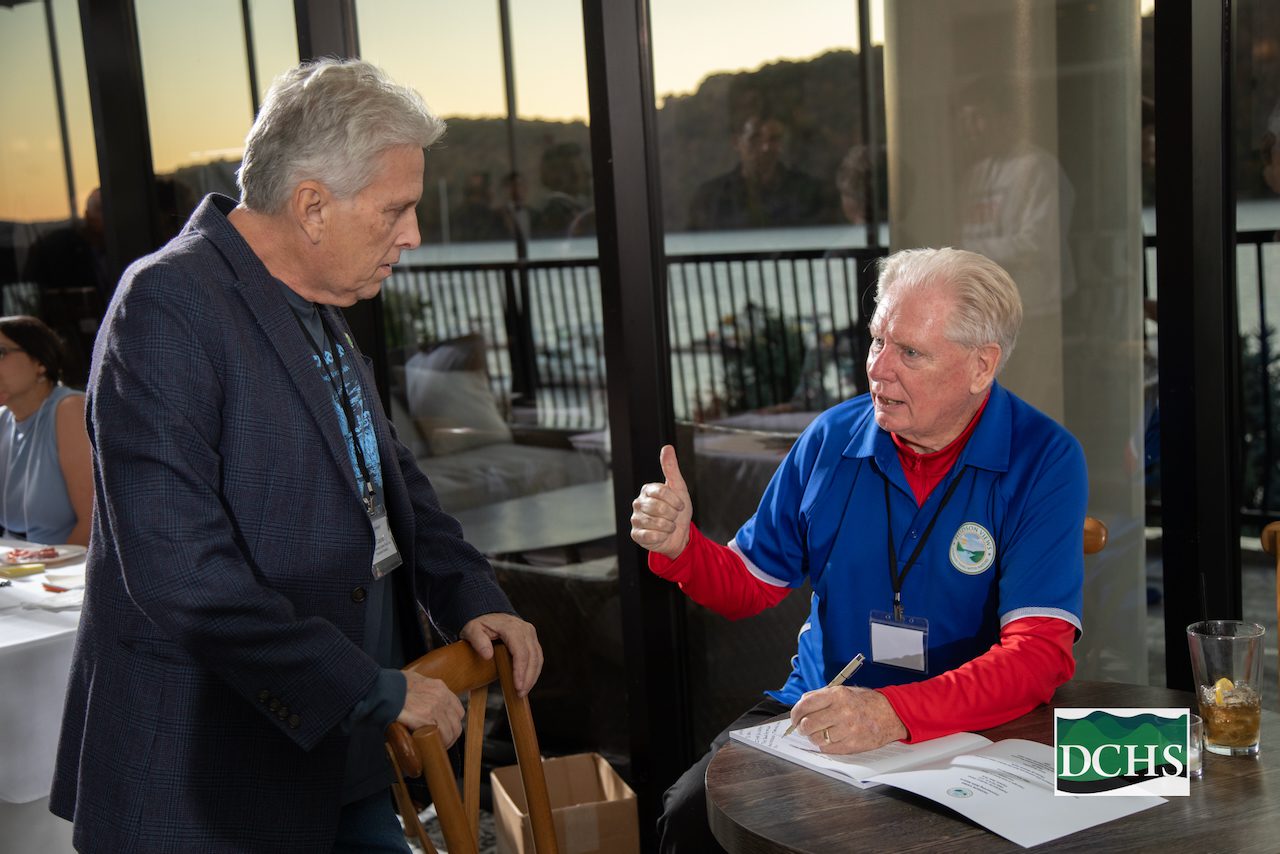
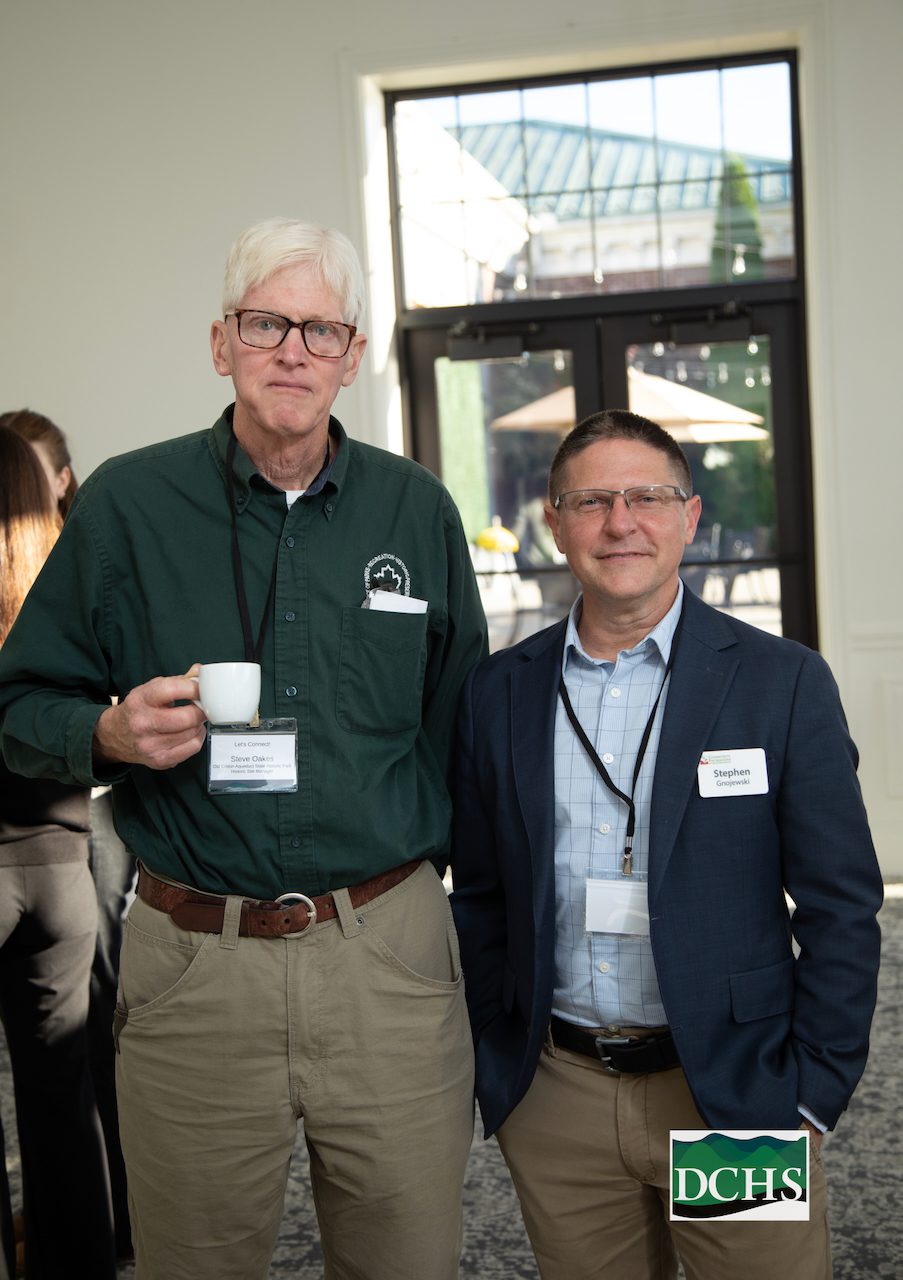
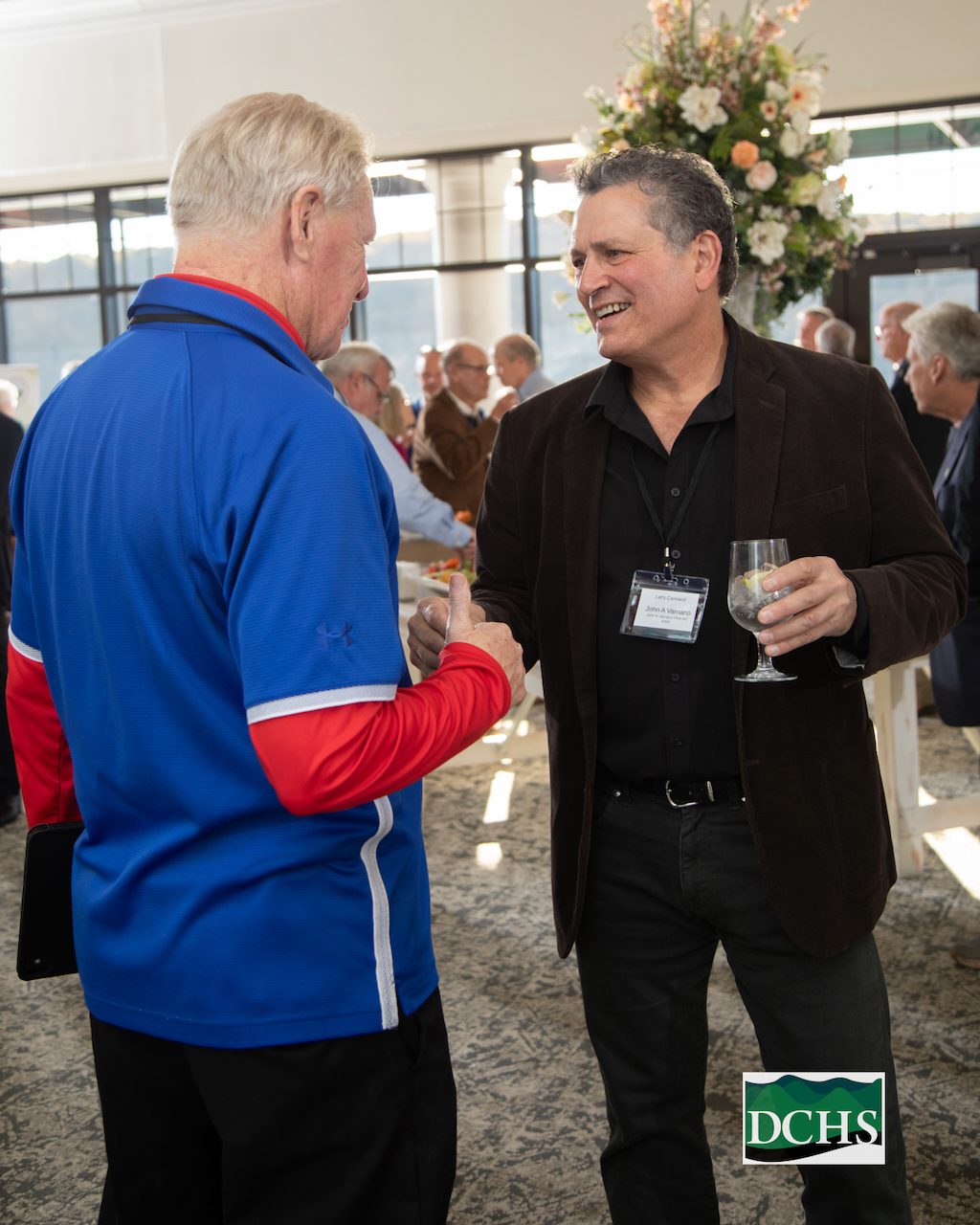
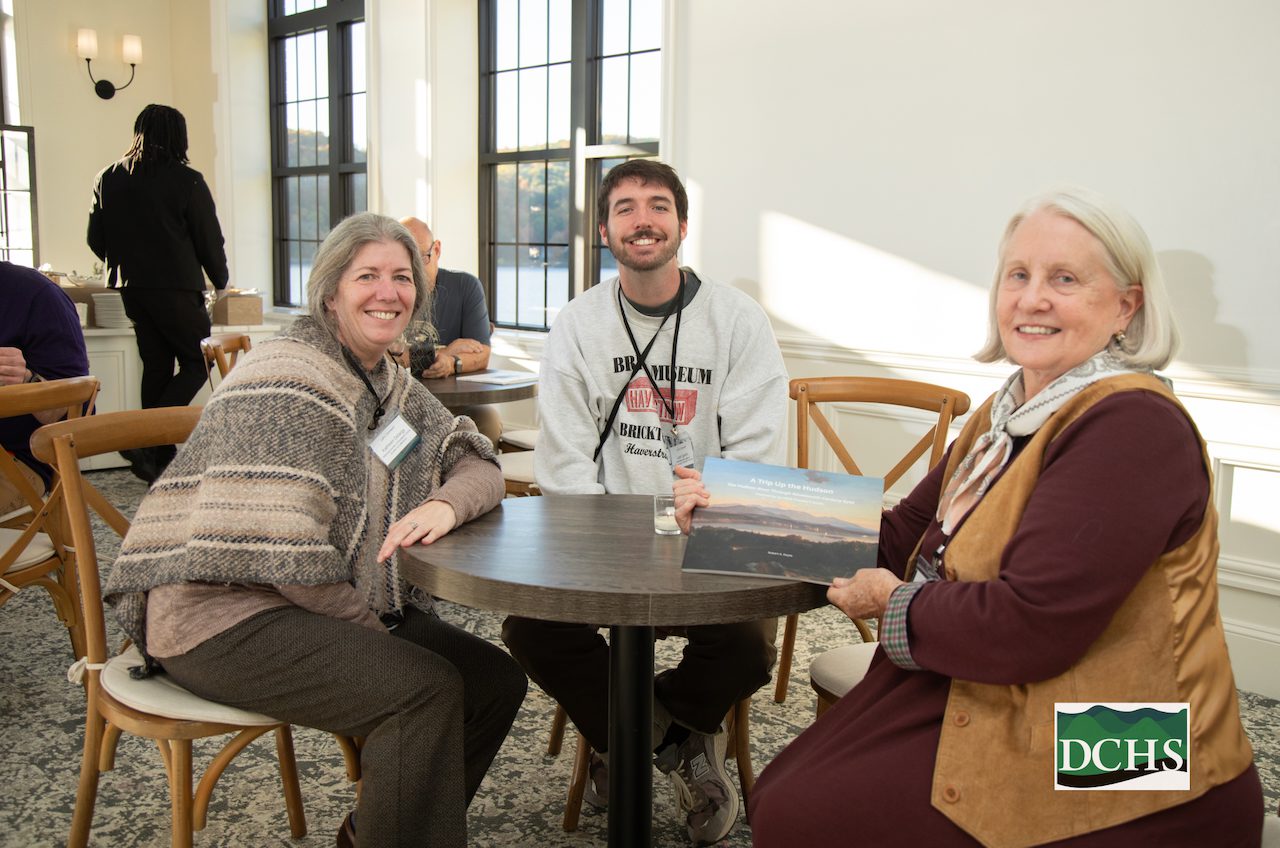
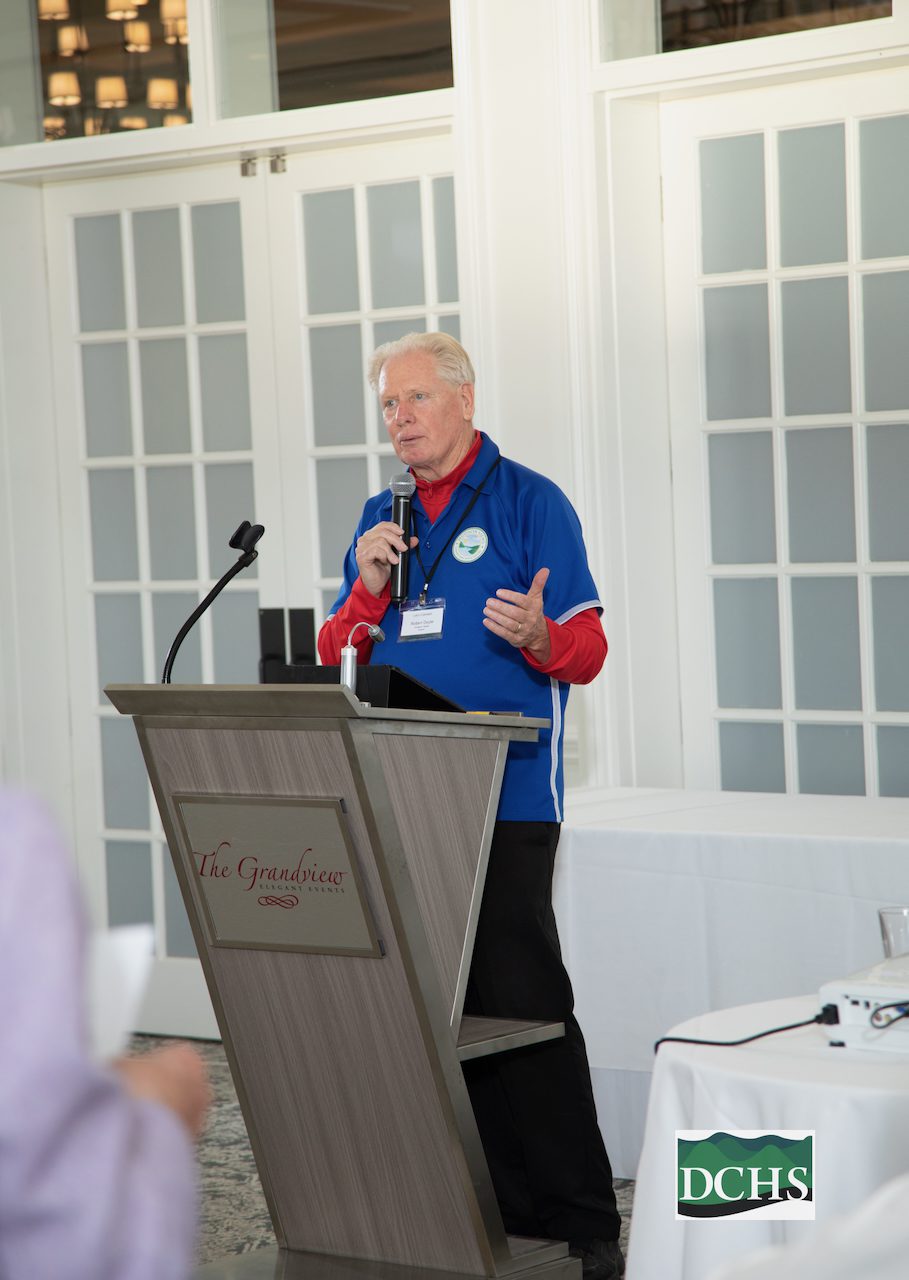
We are grateful for major sponsors that enabled such an amazing afternoon and sunset on Tuesday, October 20 at the Grandview. Photos by Nicole Puckette. And the 200 guests who made it so memorable.
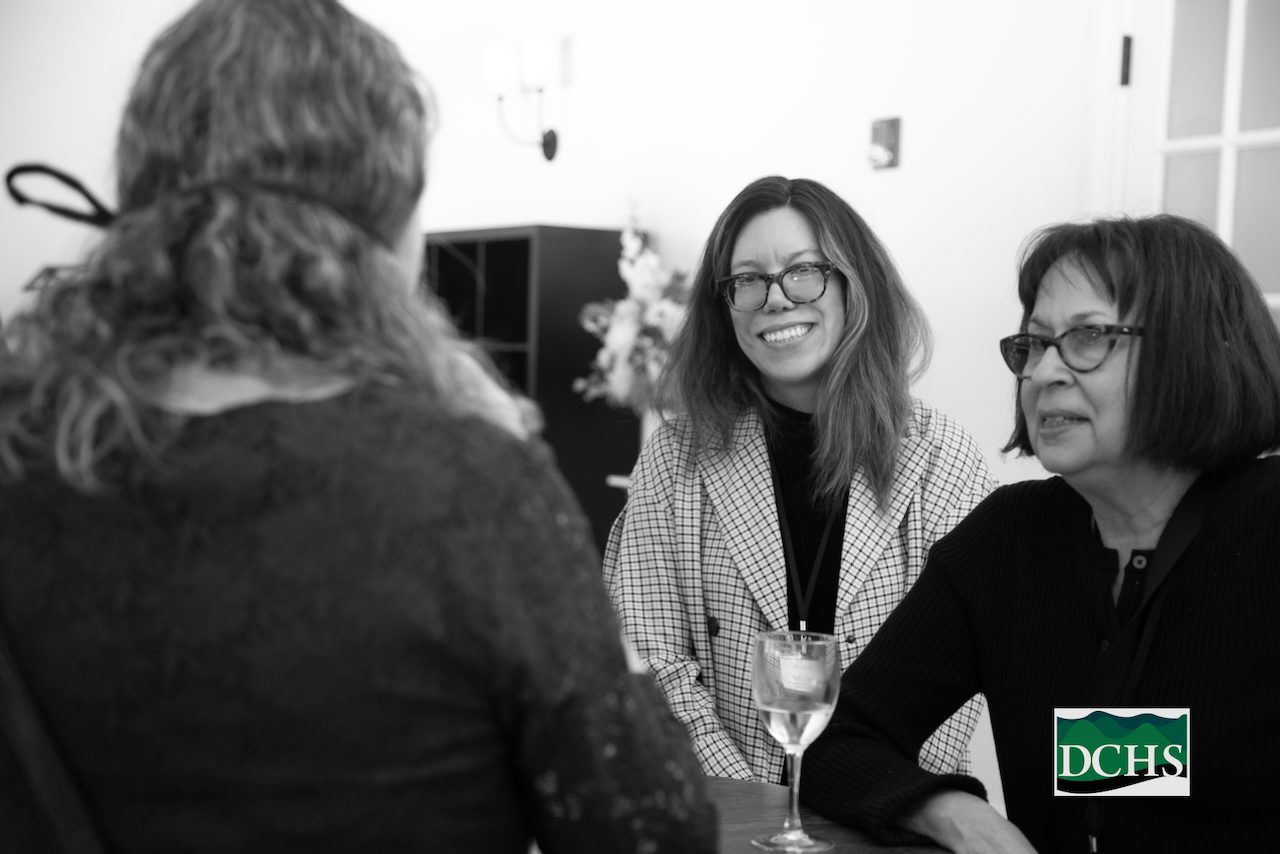
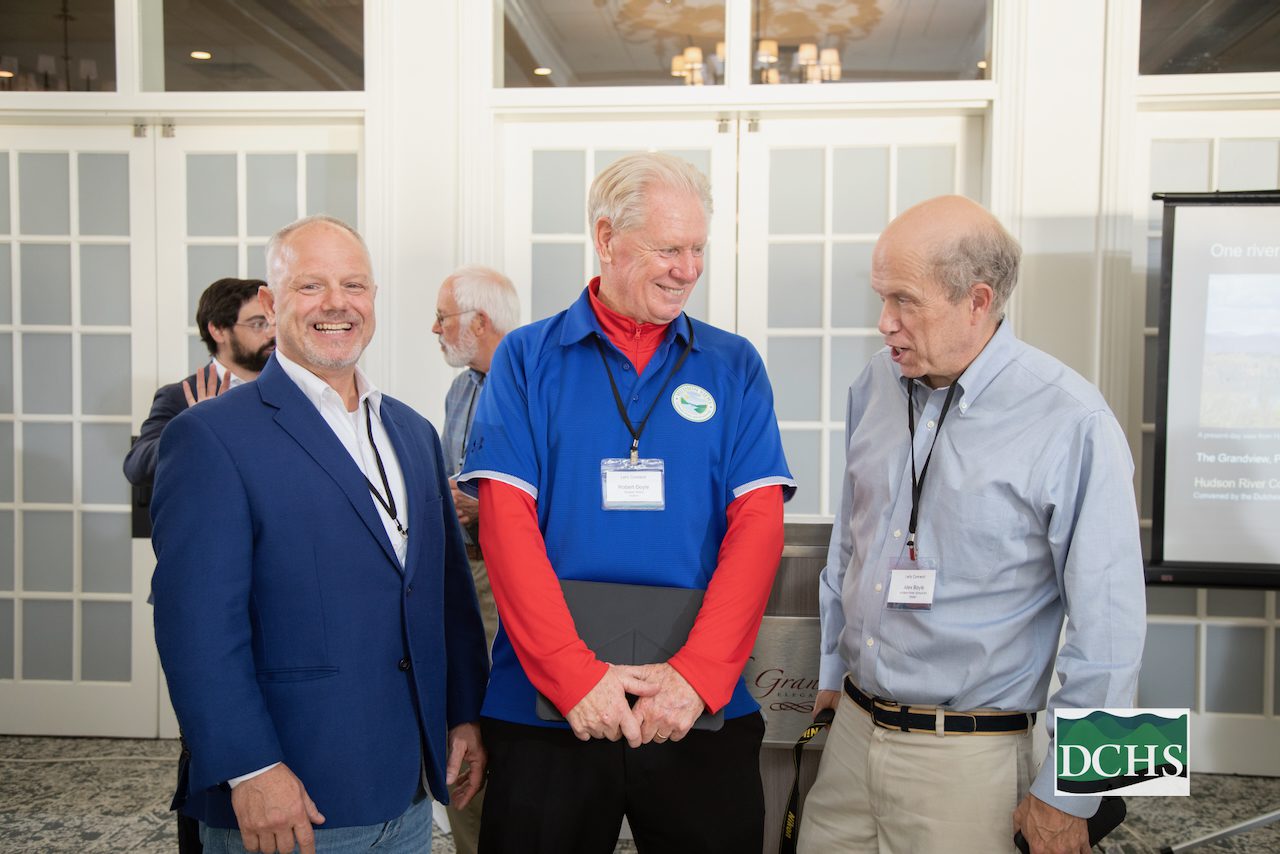
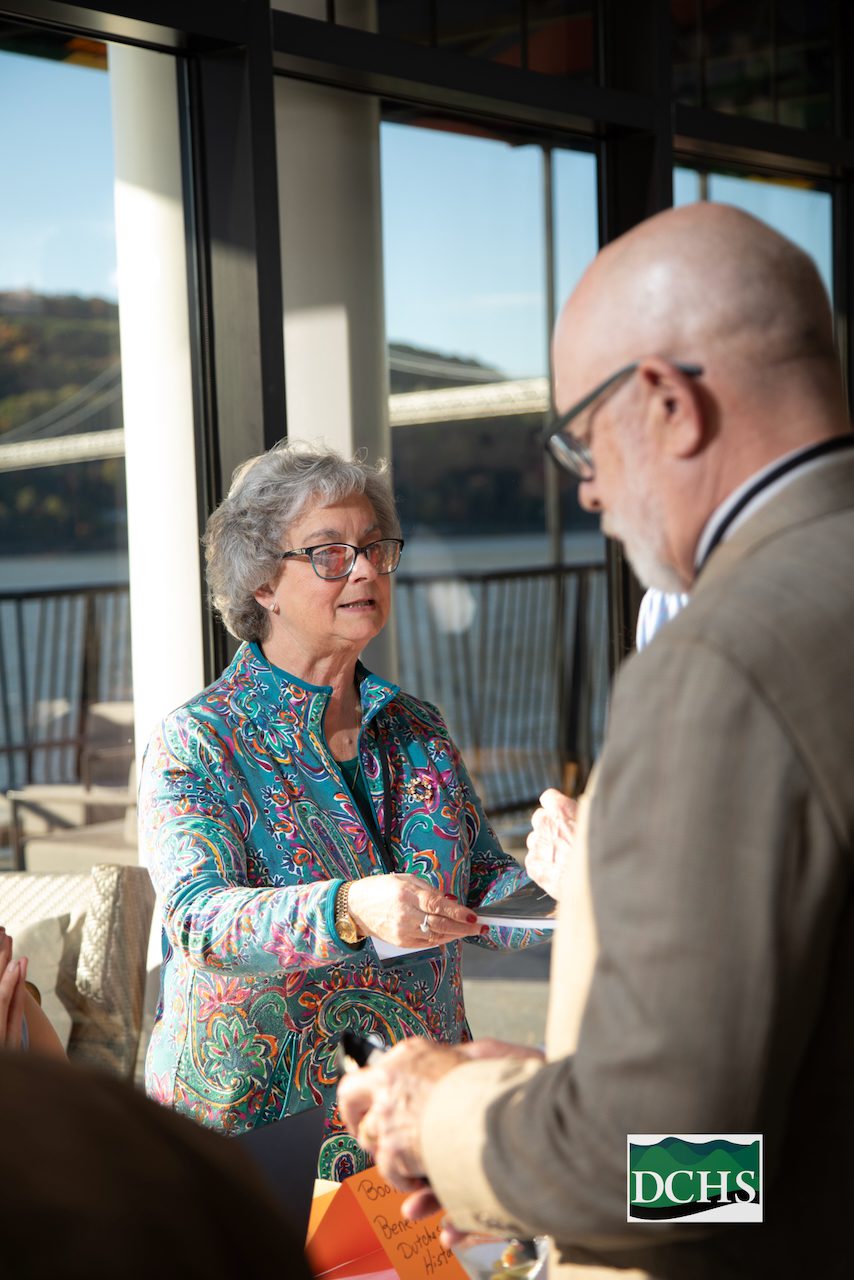





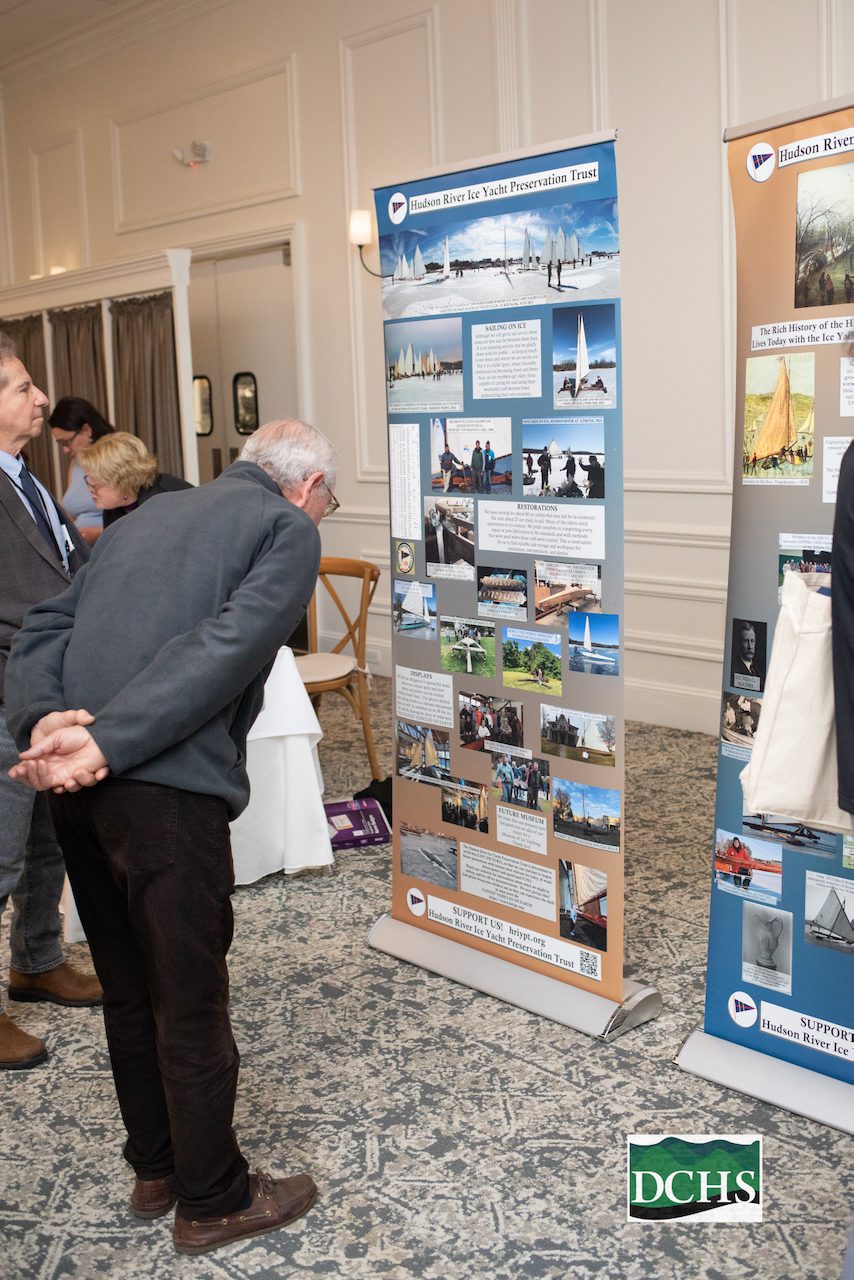
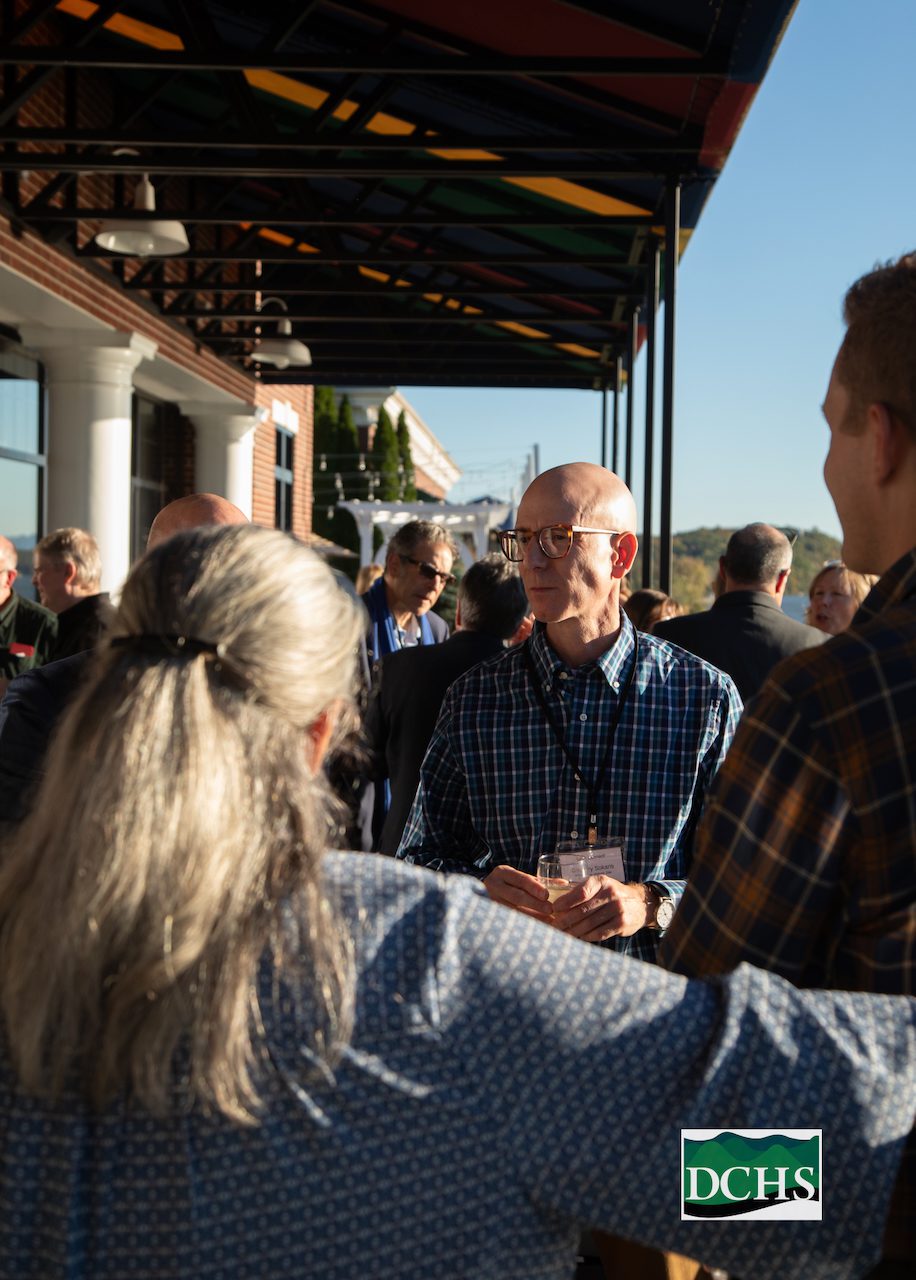
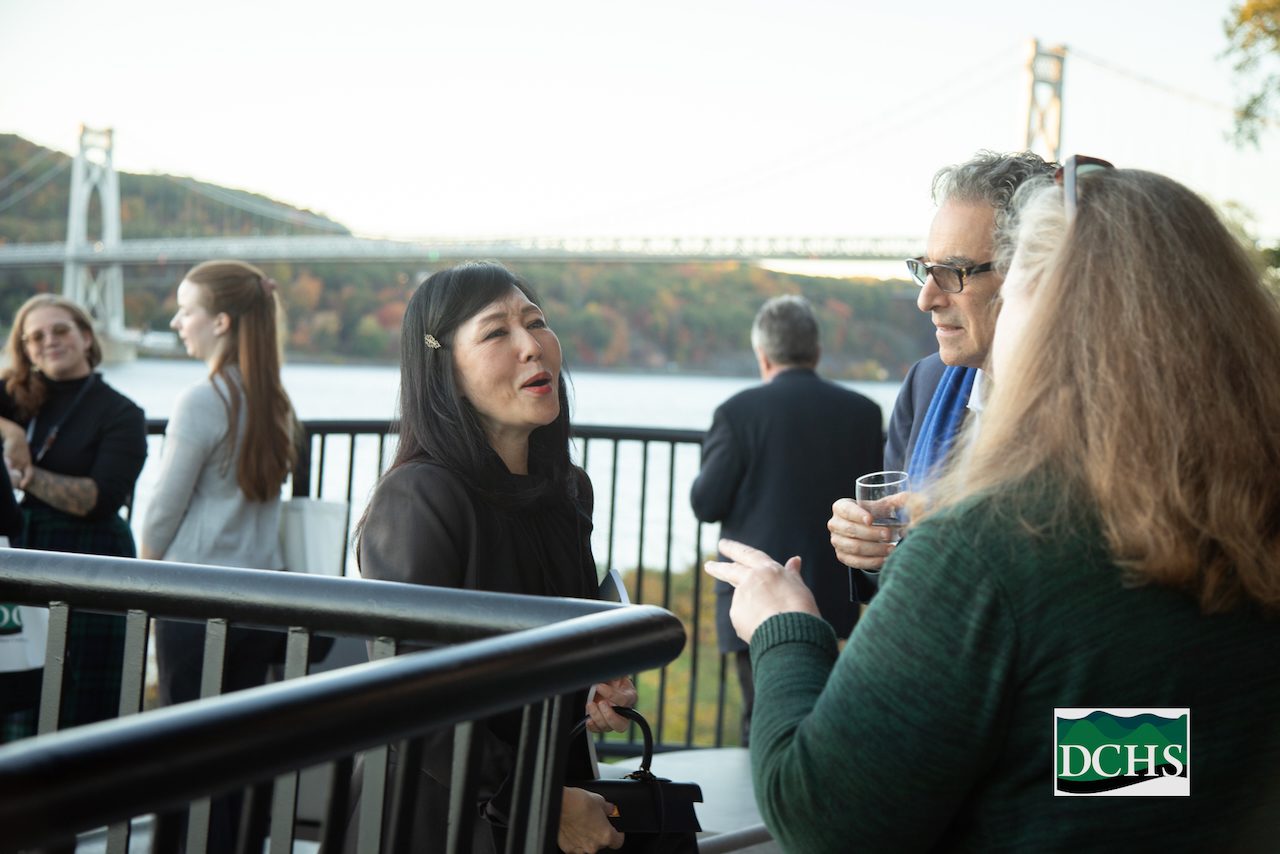
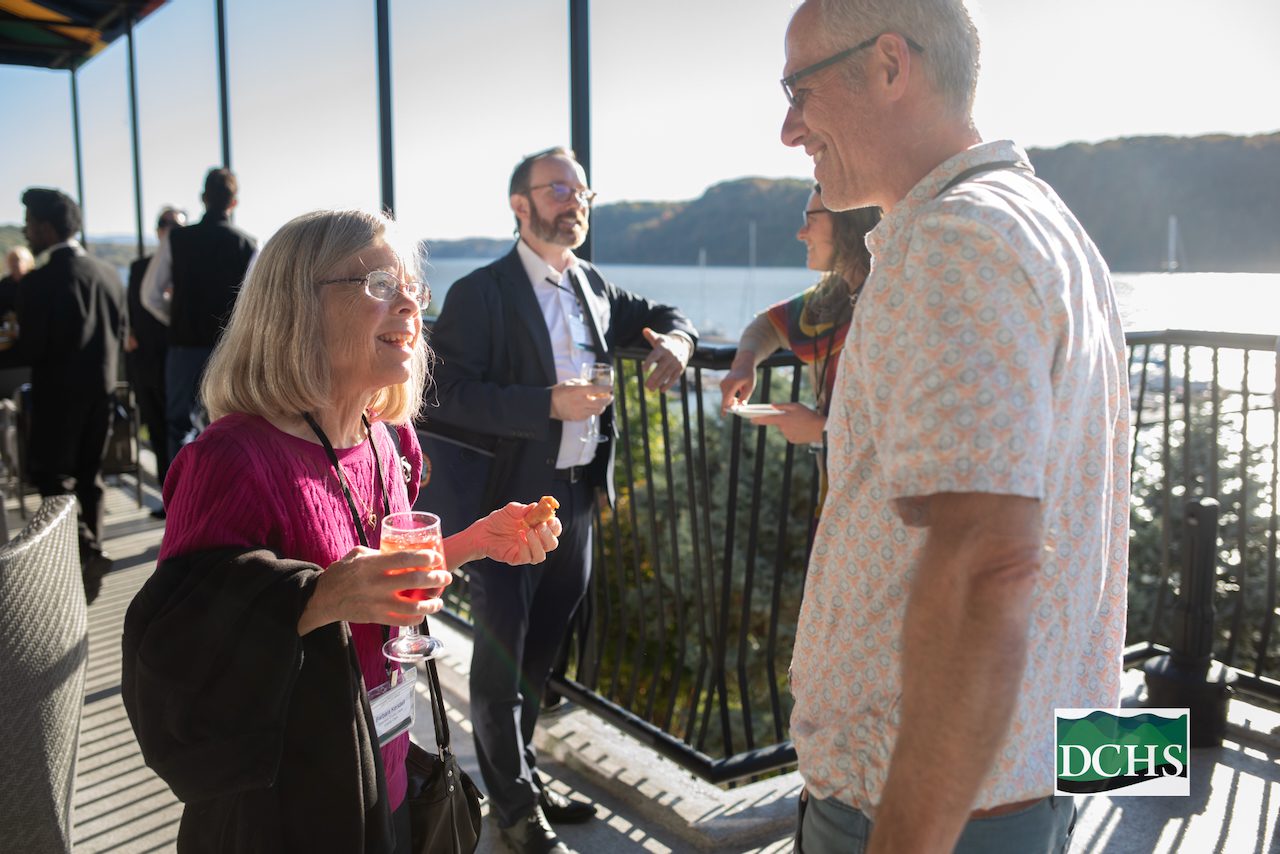
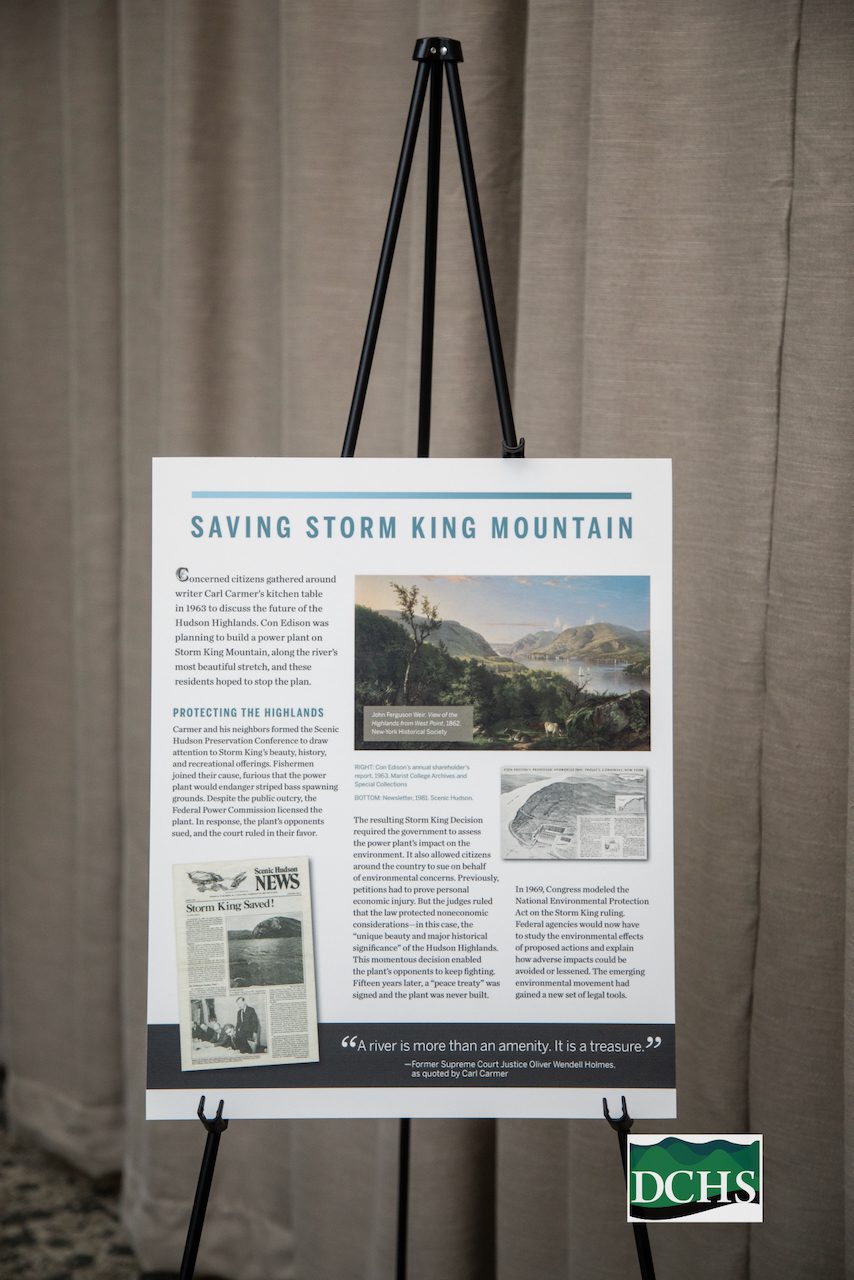



The Dutchess County Historical Society was founded in 1914 to collect, preserve and share the history of one county, originally known as The Dutchess’s County when it was formed in 1683.
Although all three of its land borders have changed since its inception, and the boundary is real, it would be impossible to imagine a history that only started and ended within those borders.
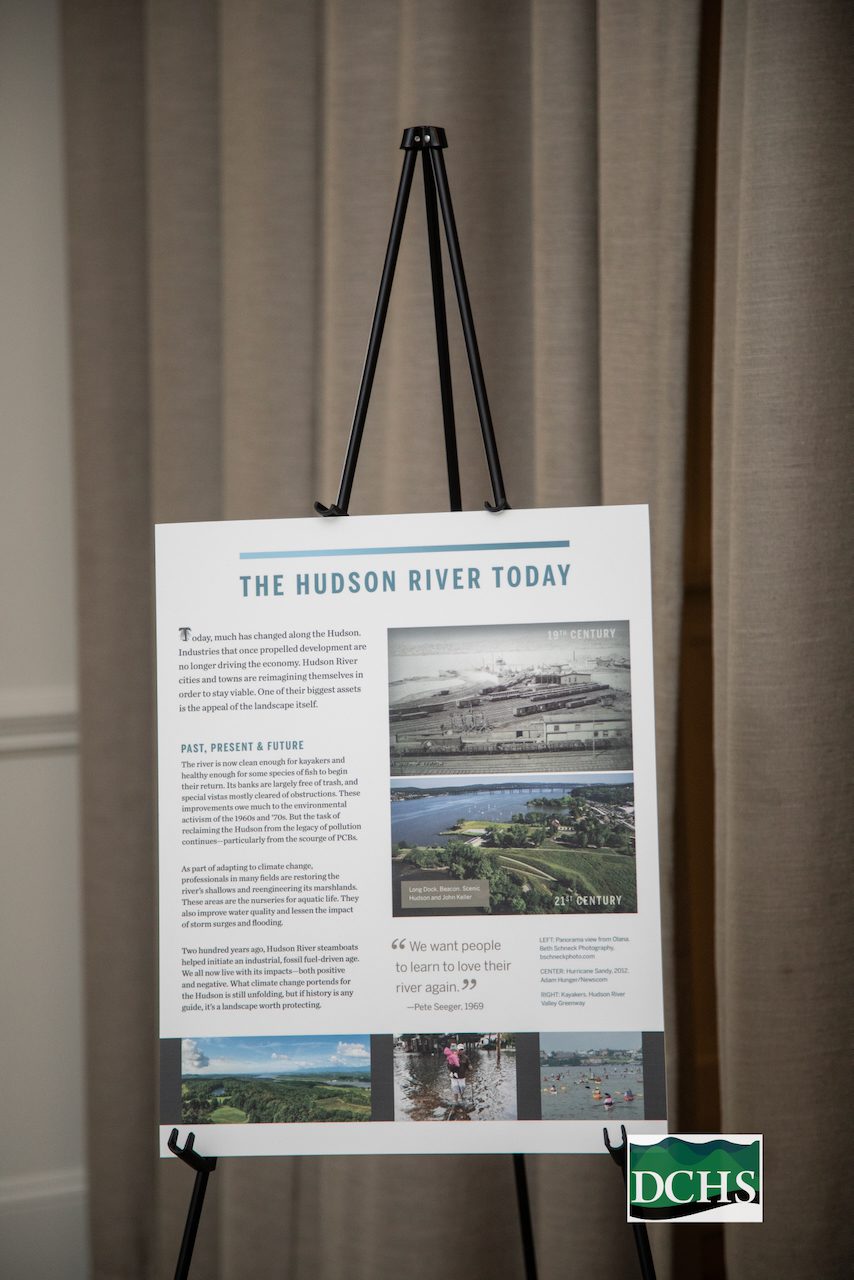
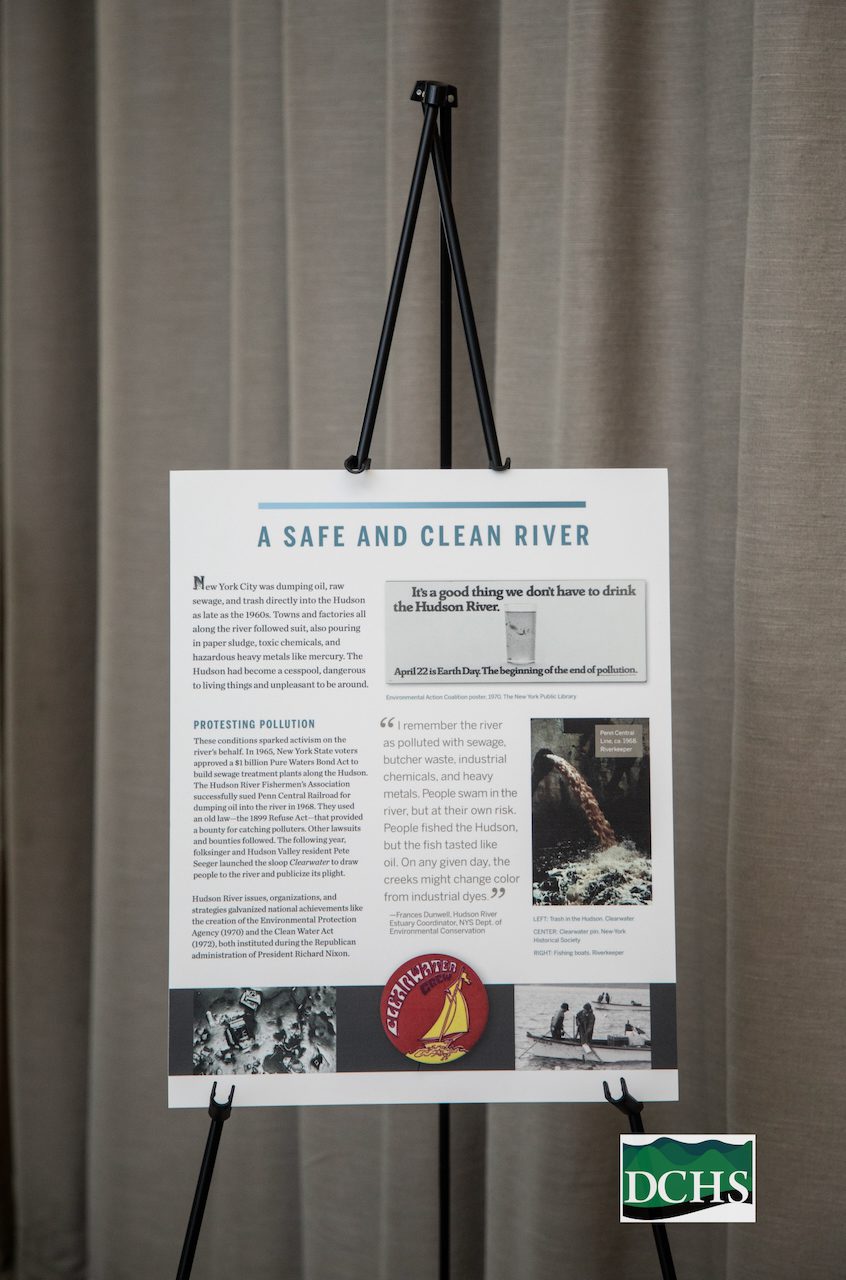
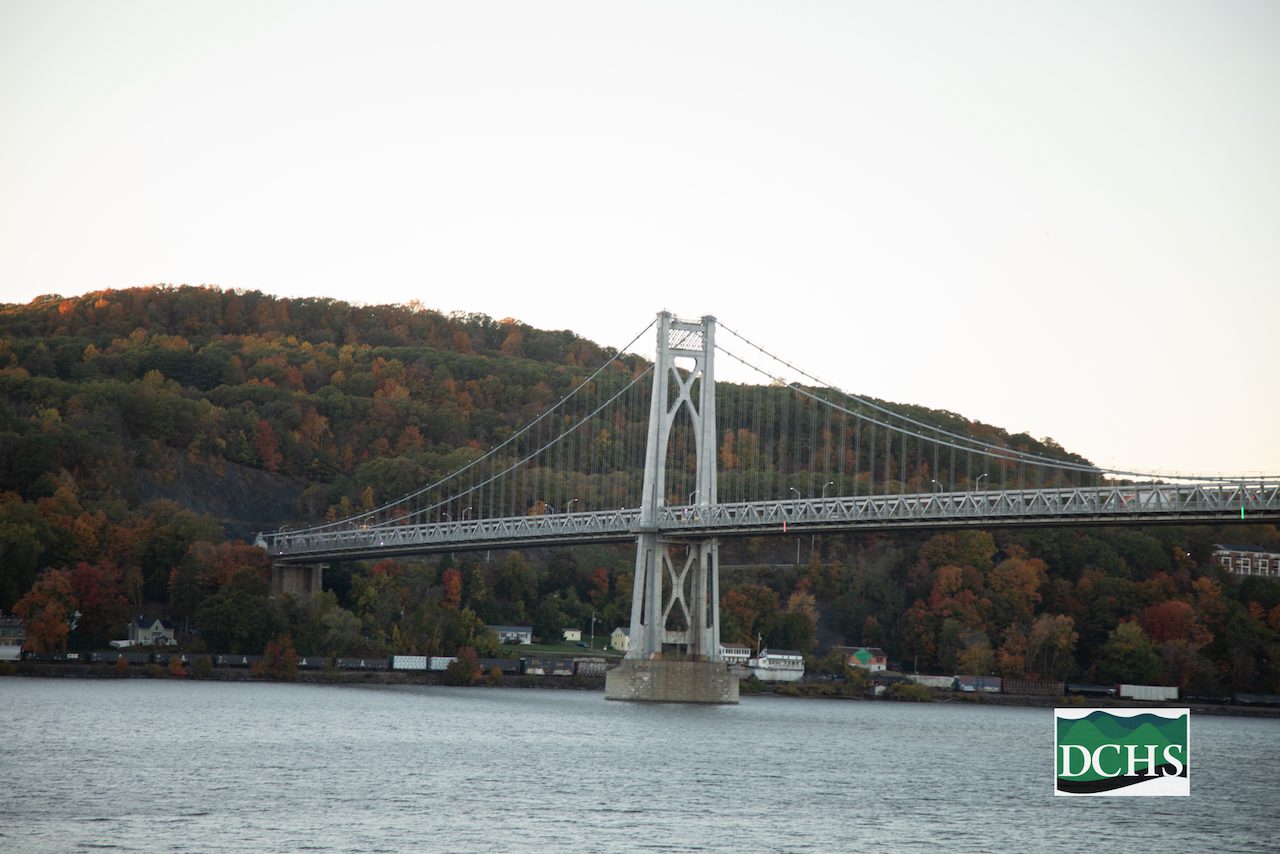
It is appropriate that Mahicantuck, the original and Algonquian name for the Hudson River, means “water that flows both ways,” reminding us that our river is an estuary — and that it is a crossing that accommodates the full 360 degrees of a compass. It is appropriate because the vitality and uniqueness of the valley has always been its being an intersection of city and rural, global shipping and “kills” that supported mills and inland farms, and the “passing through” of New Englanders to the growing US West.
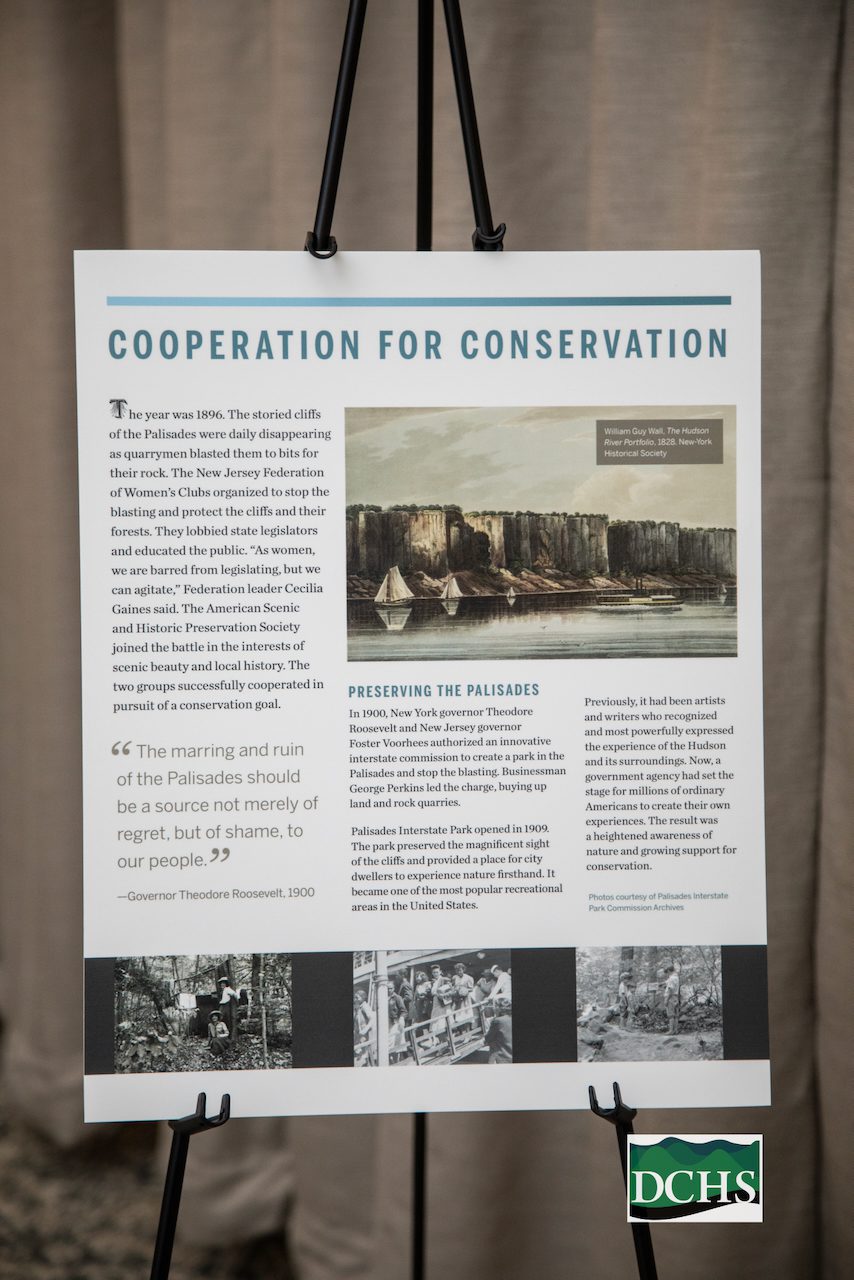
As the British military knew in 1776, the “river” was not just the backbone of what would become the Empire State economy, but it was an essential crossroads of the nation.
For thousands of years Indigenous people, like Europeans and Africans, settled along waterways. But Europeans did draw lines and had a more aggressive relationship with the land with a view to extracting value. Value could come from any number of ways such as agriculture or mining and furnace operations, or tourism.
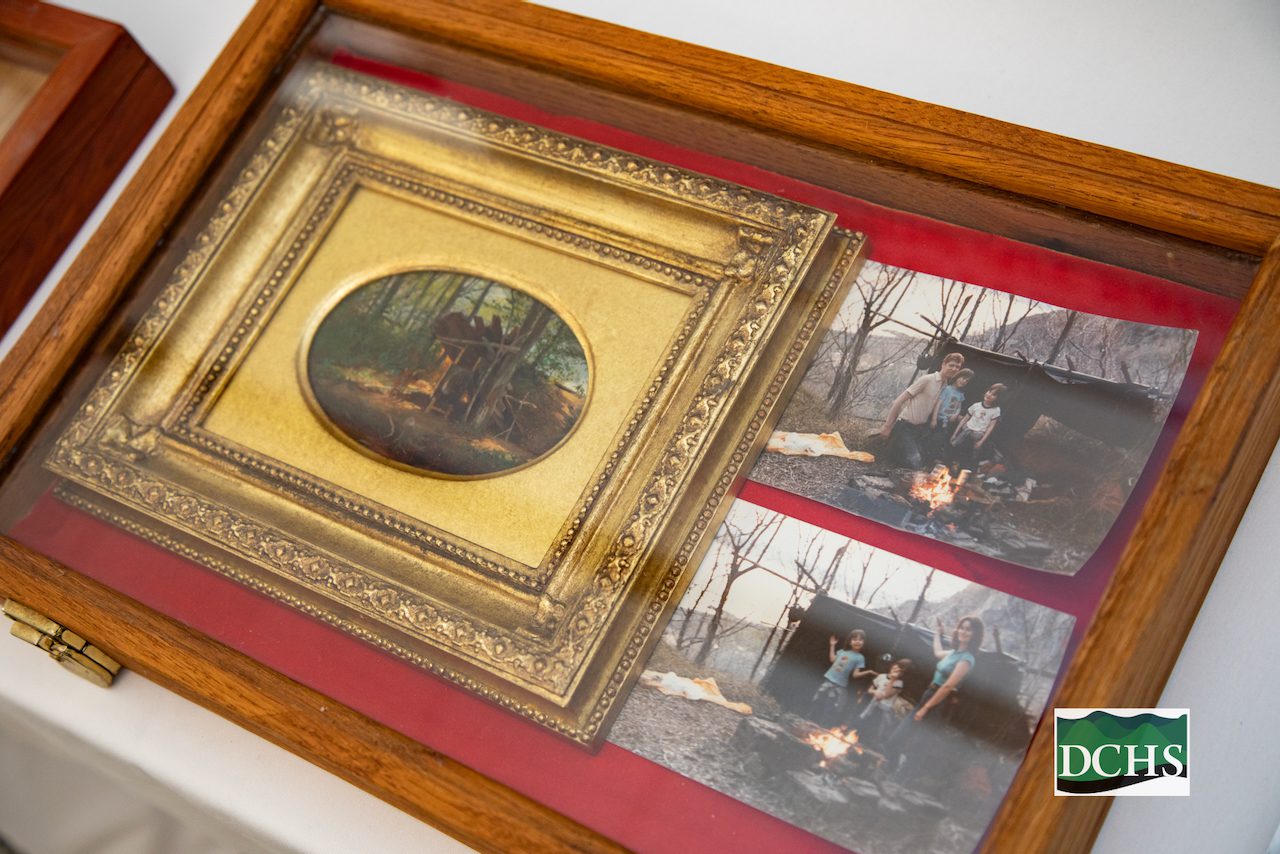
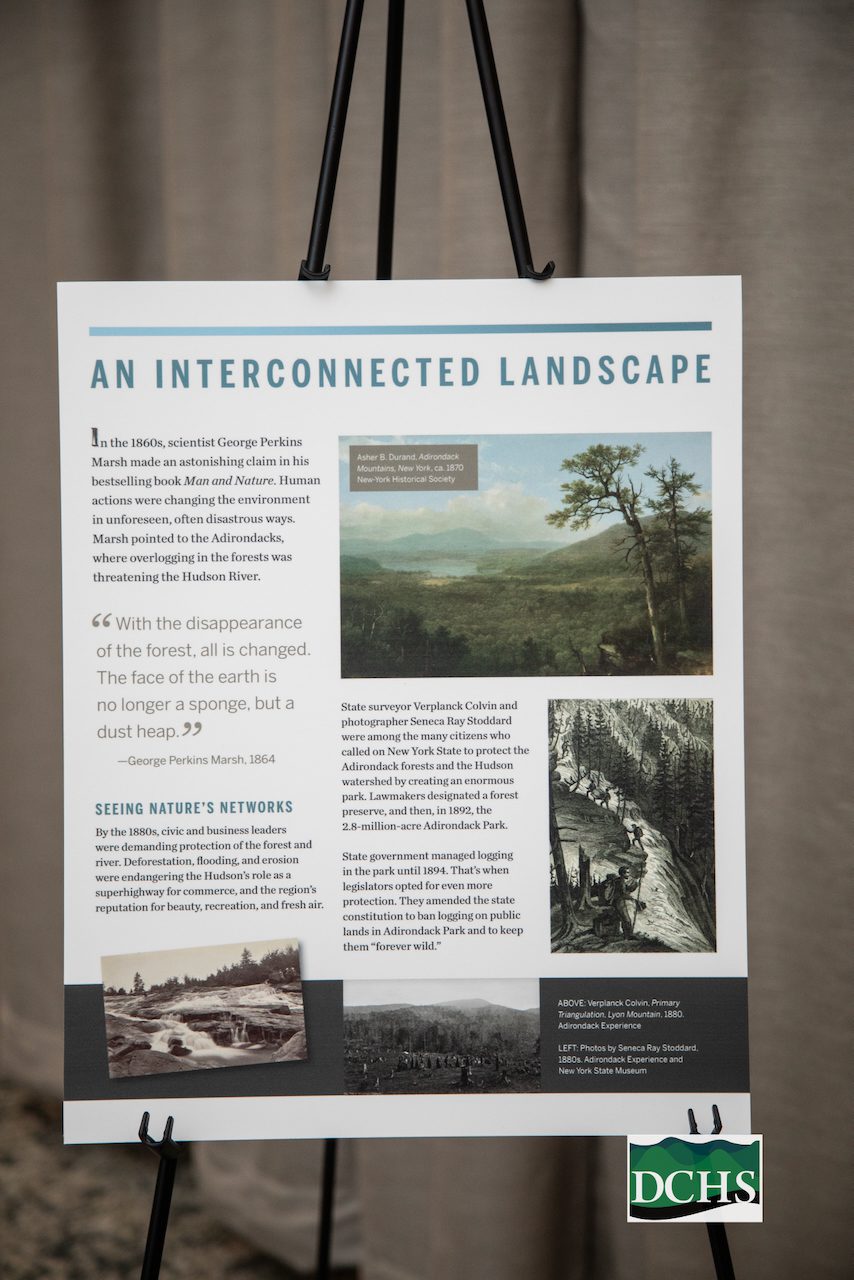
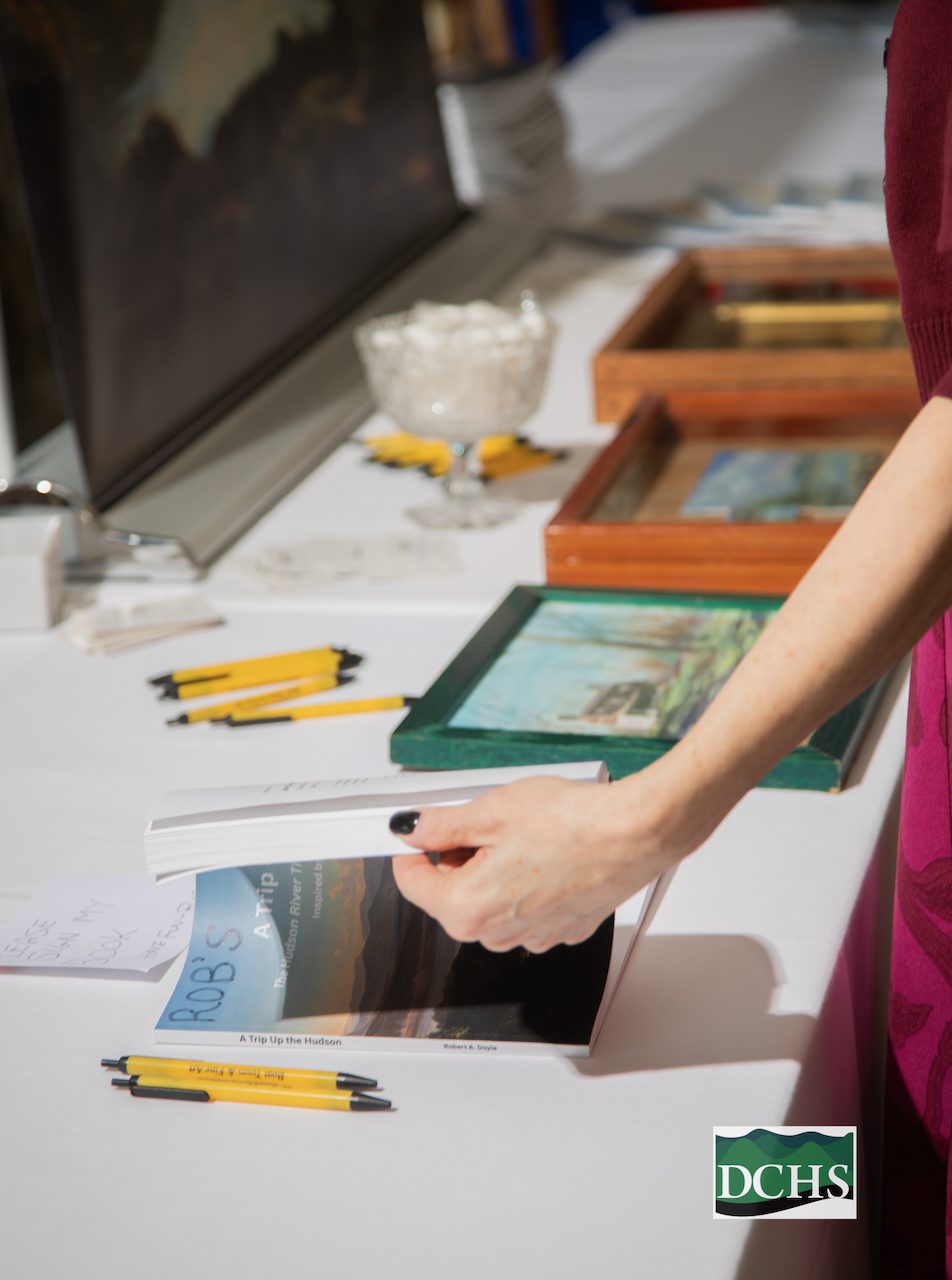
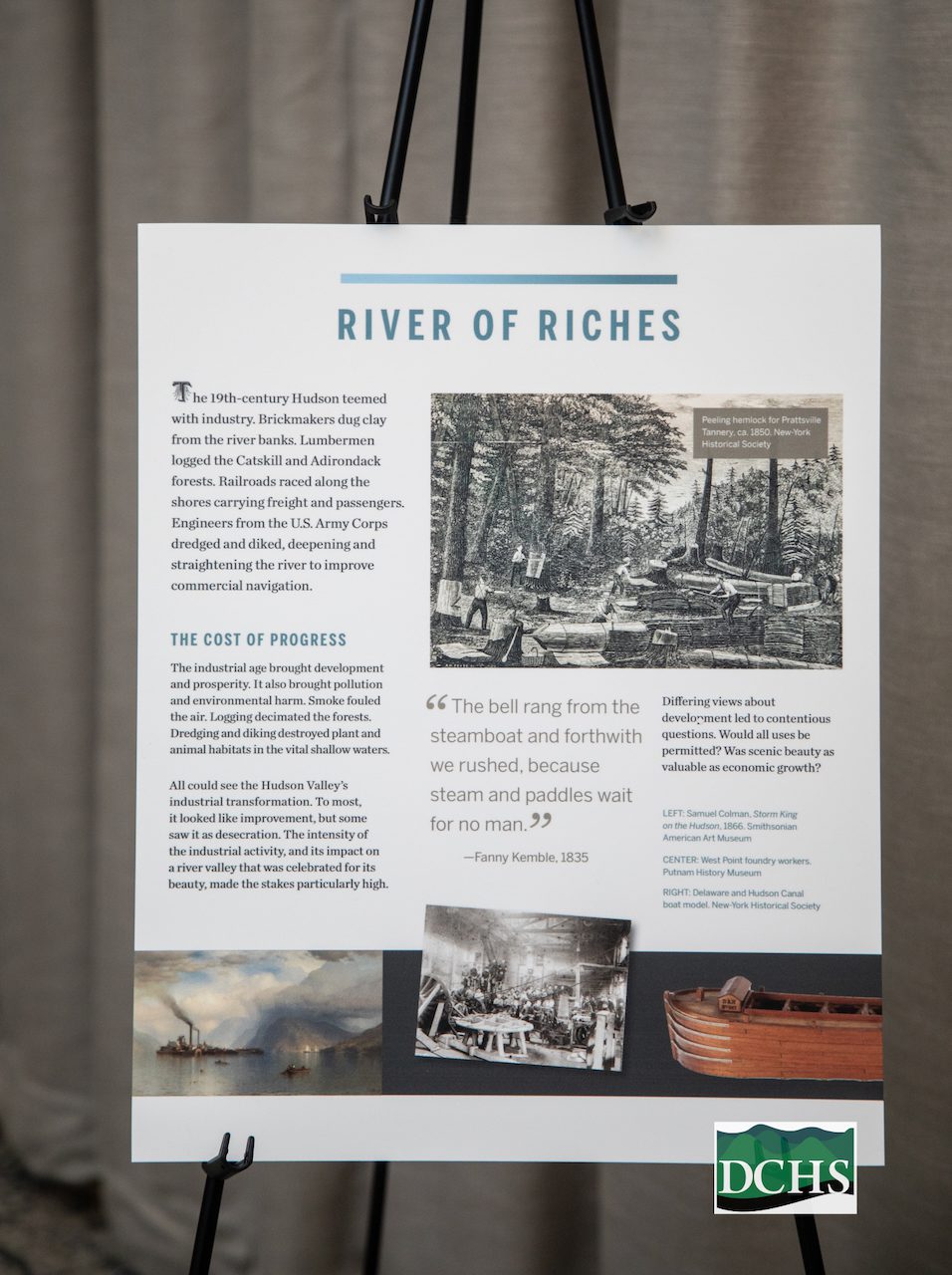
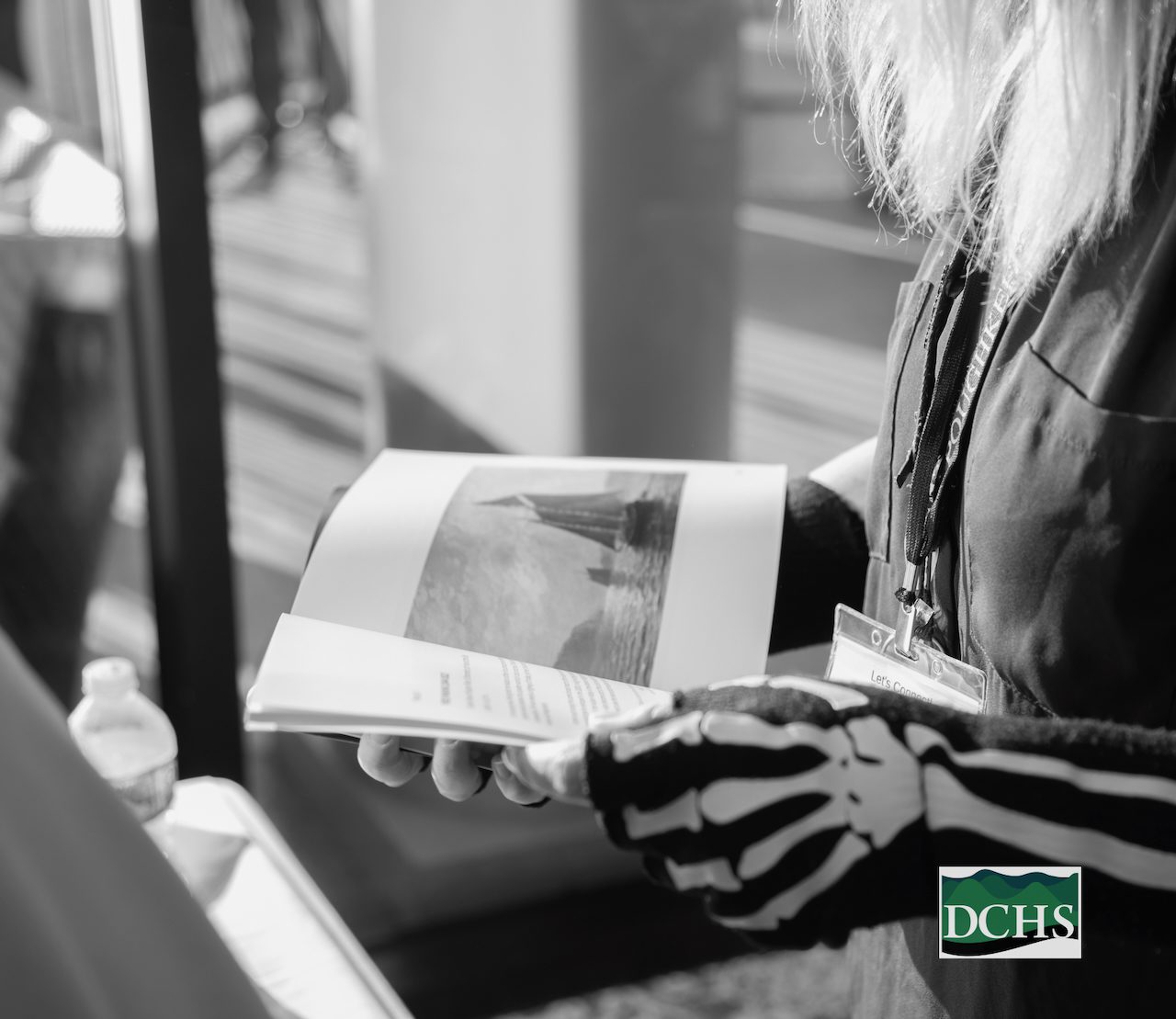
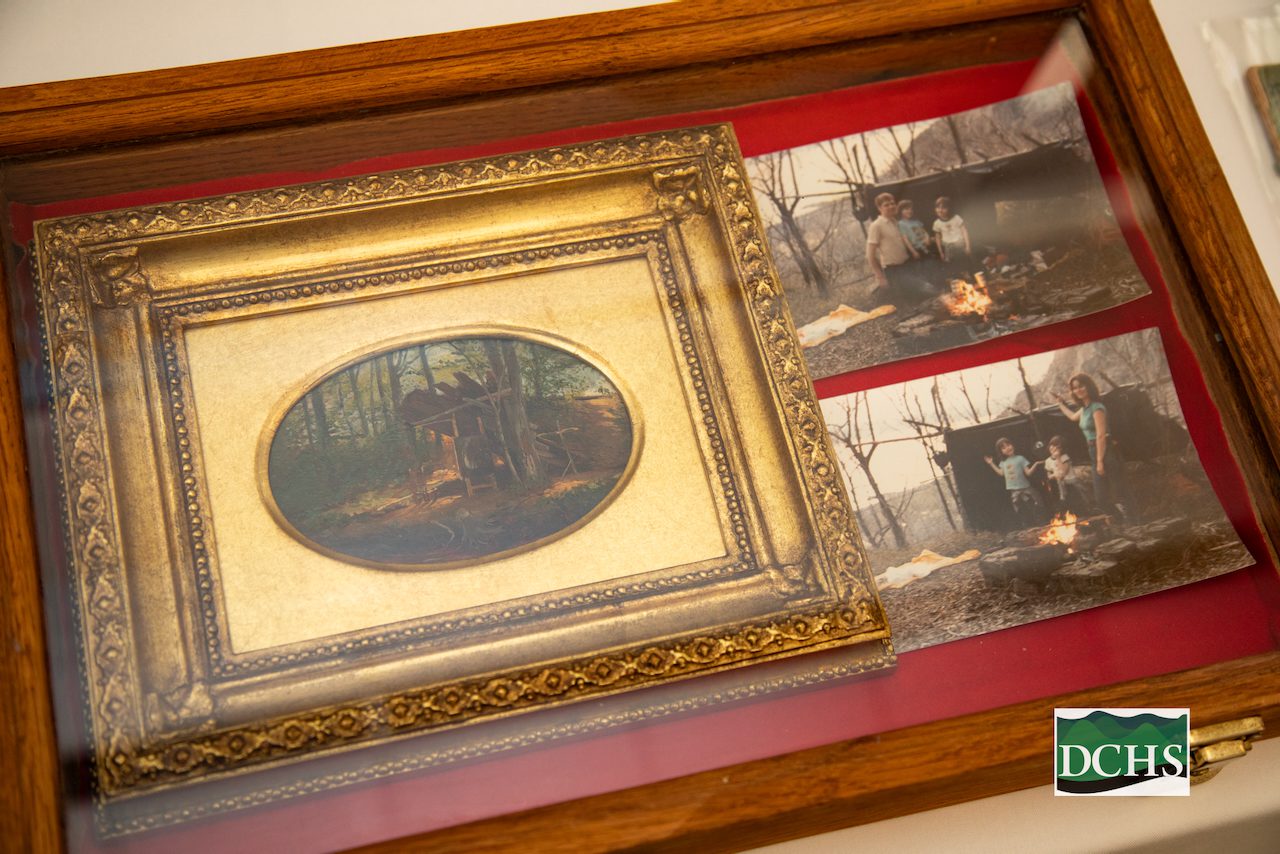
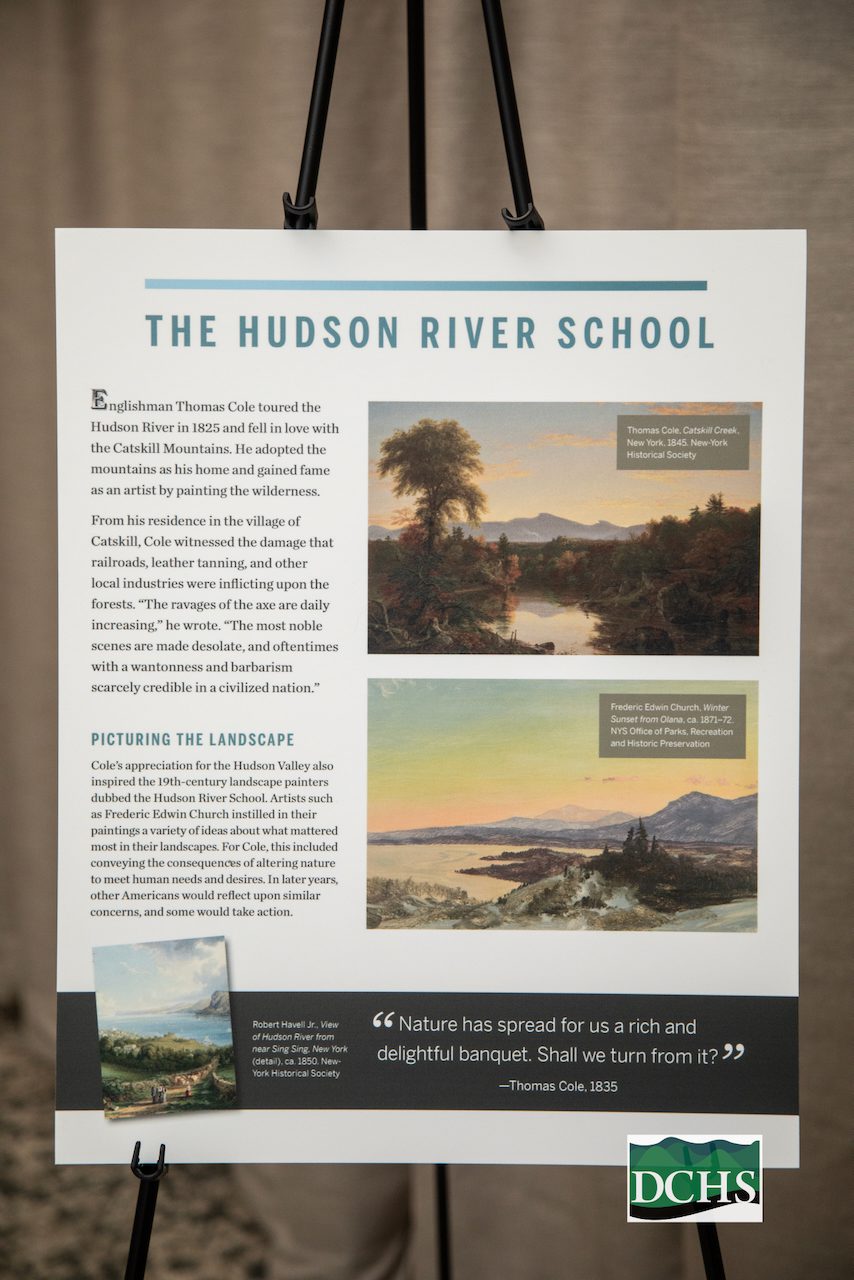
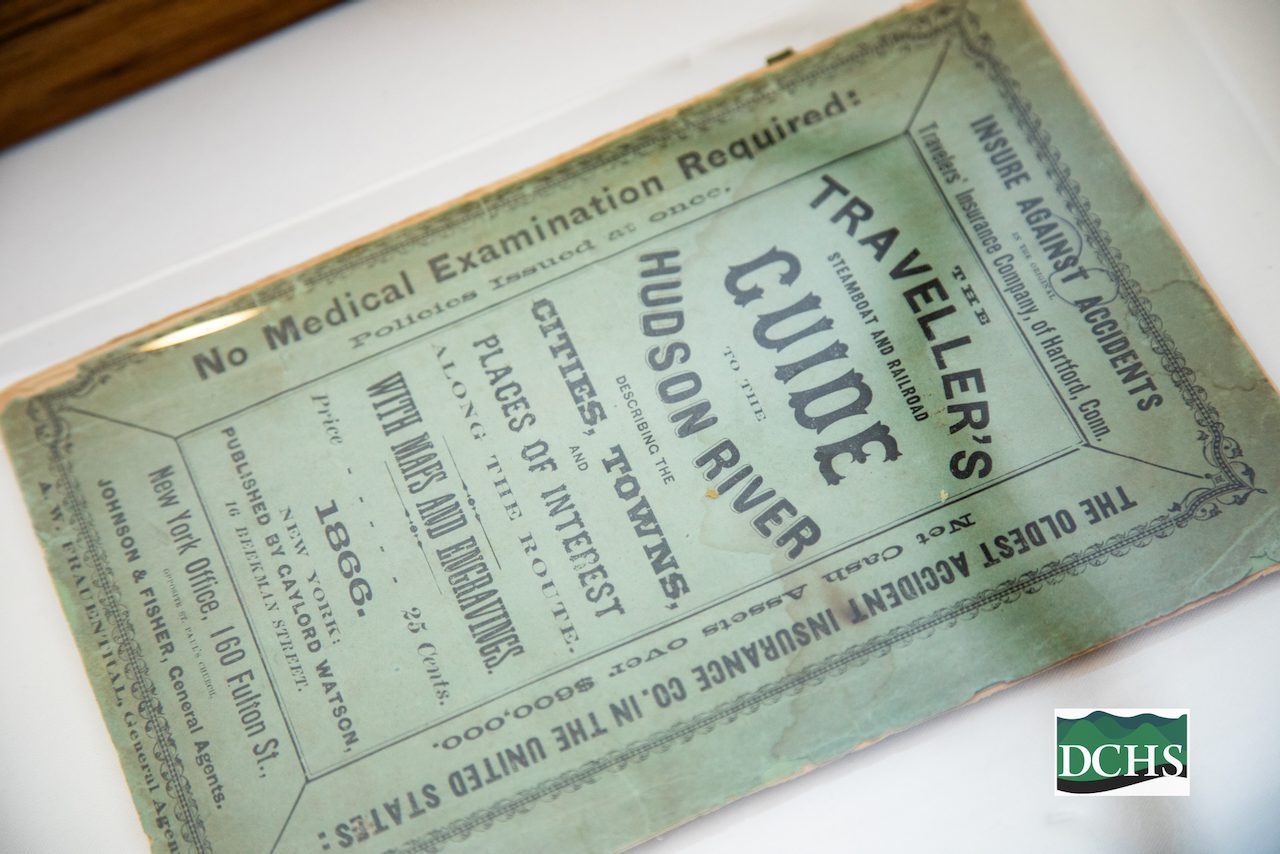
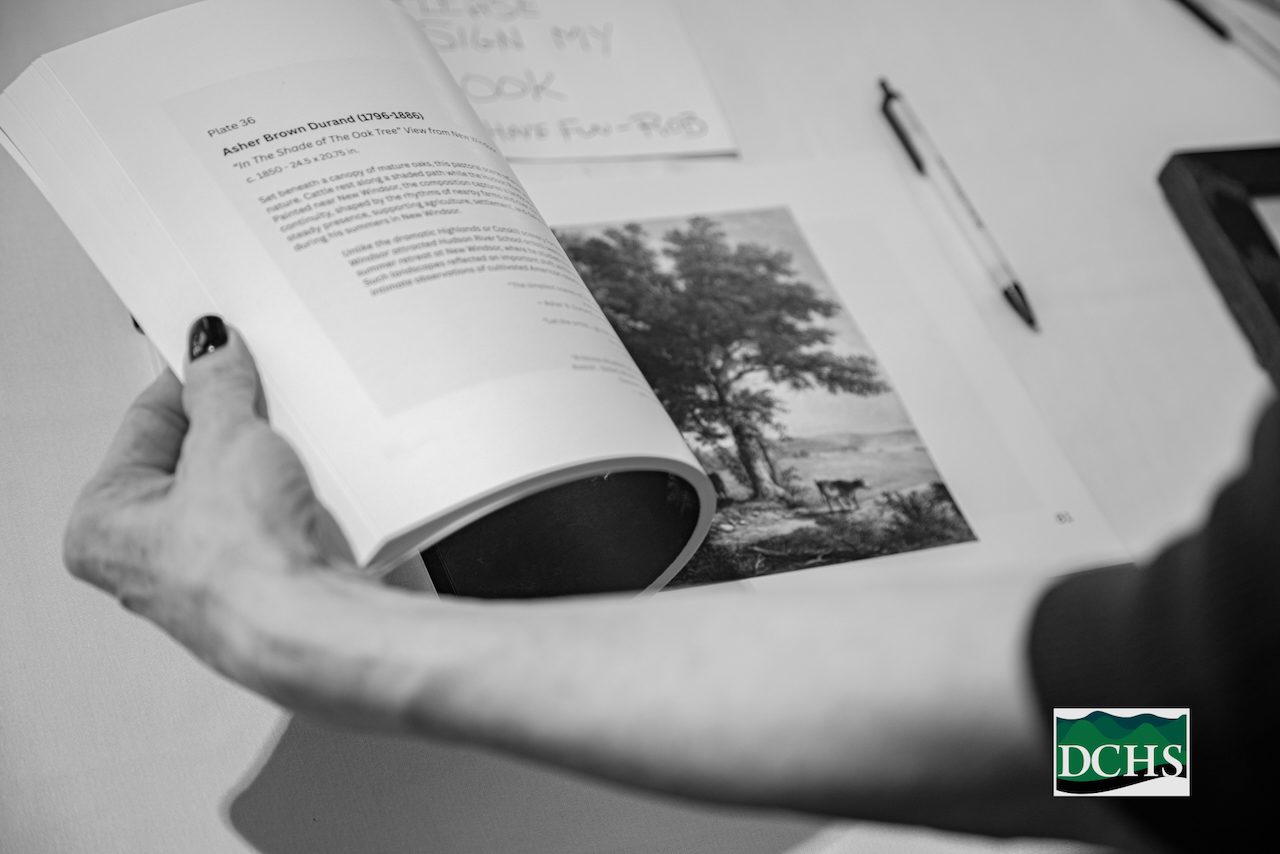
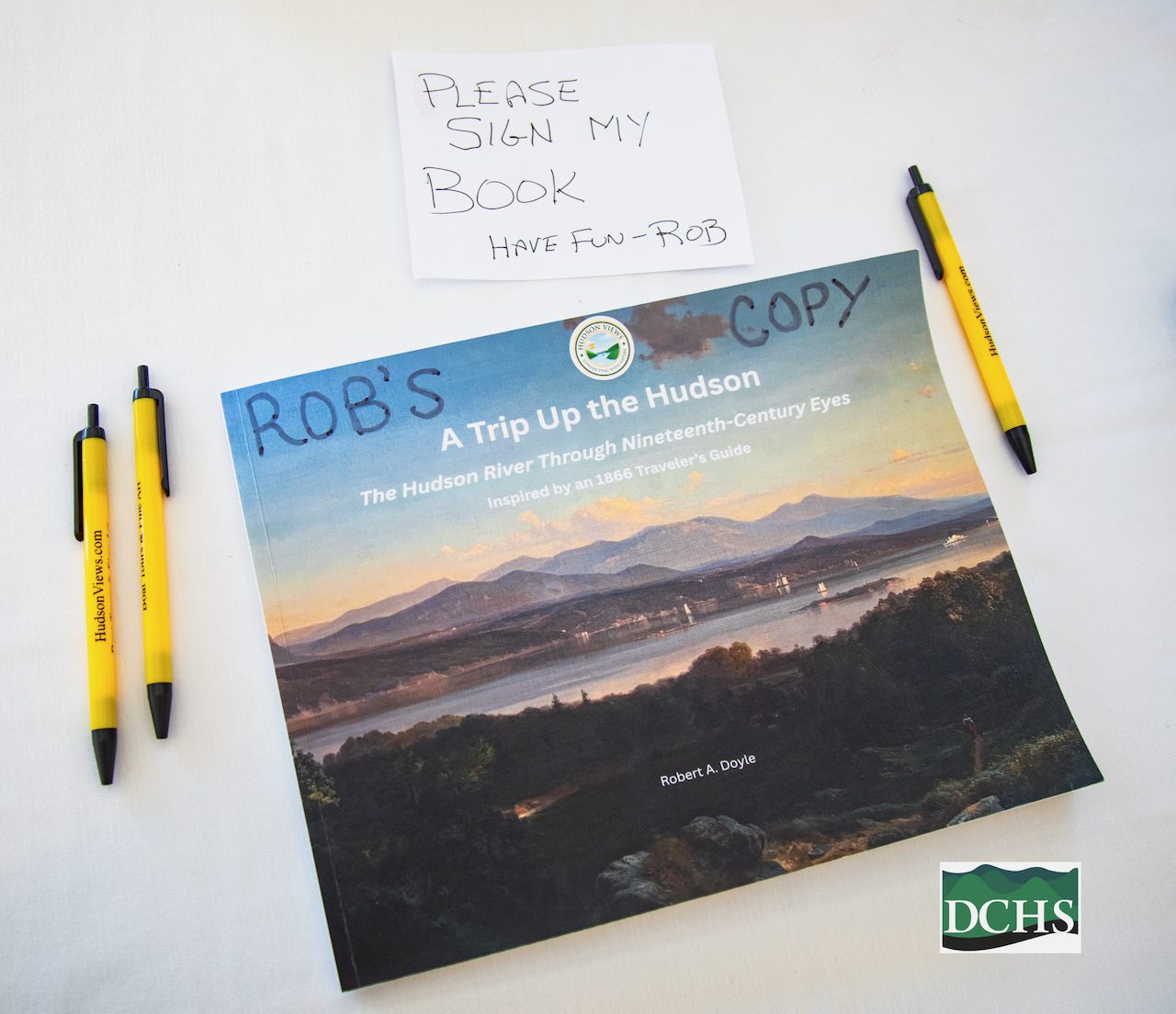
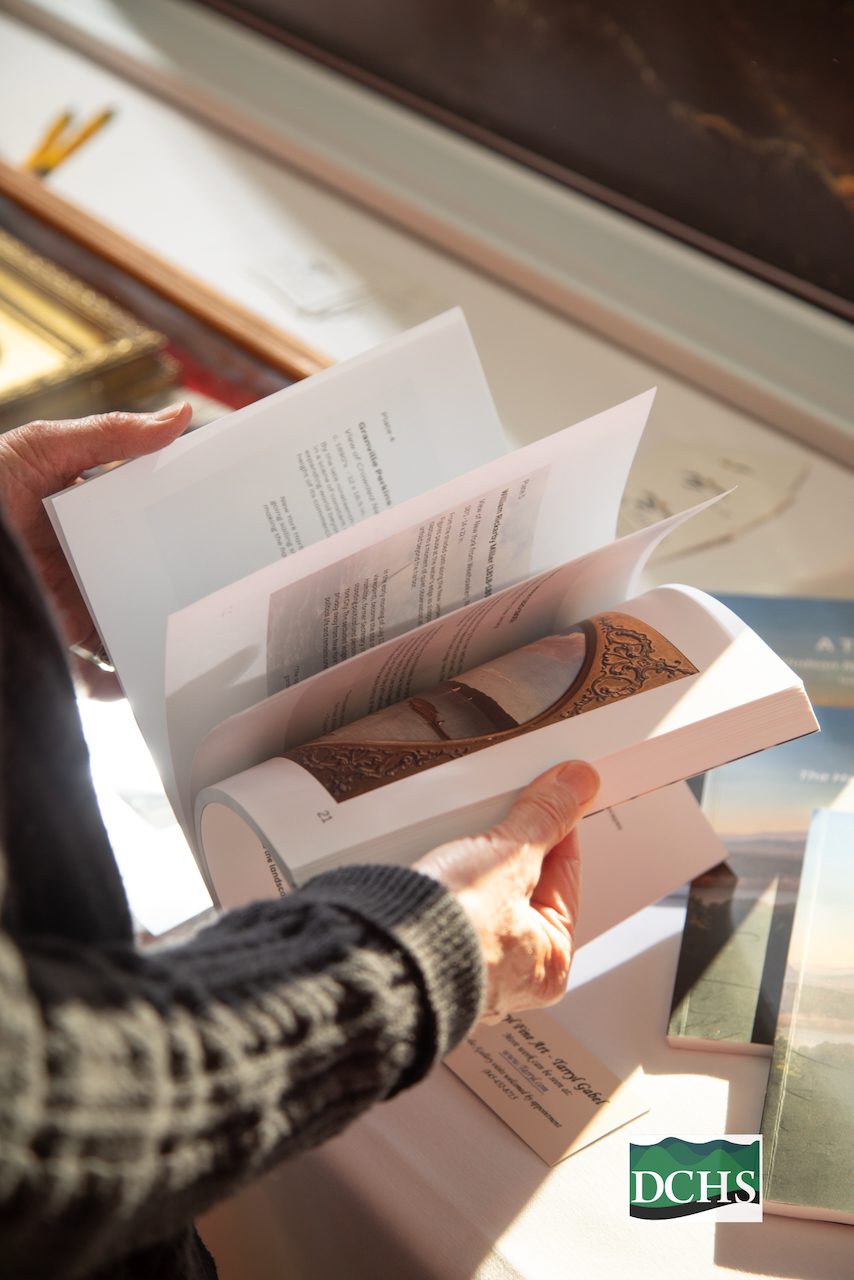
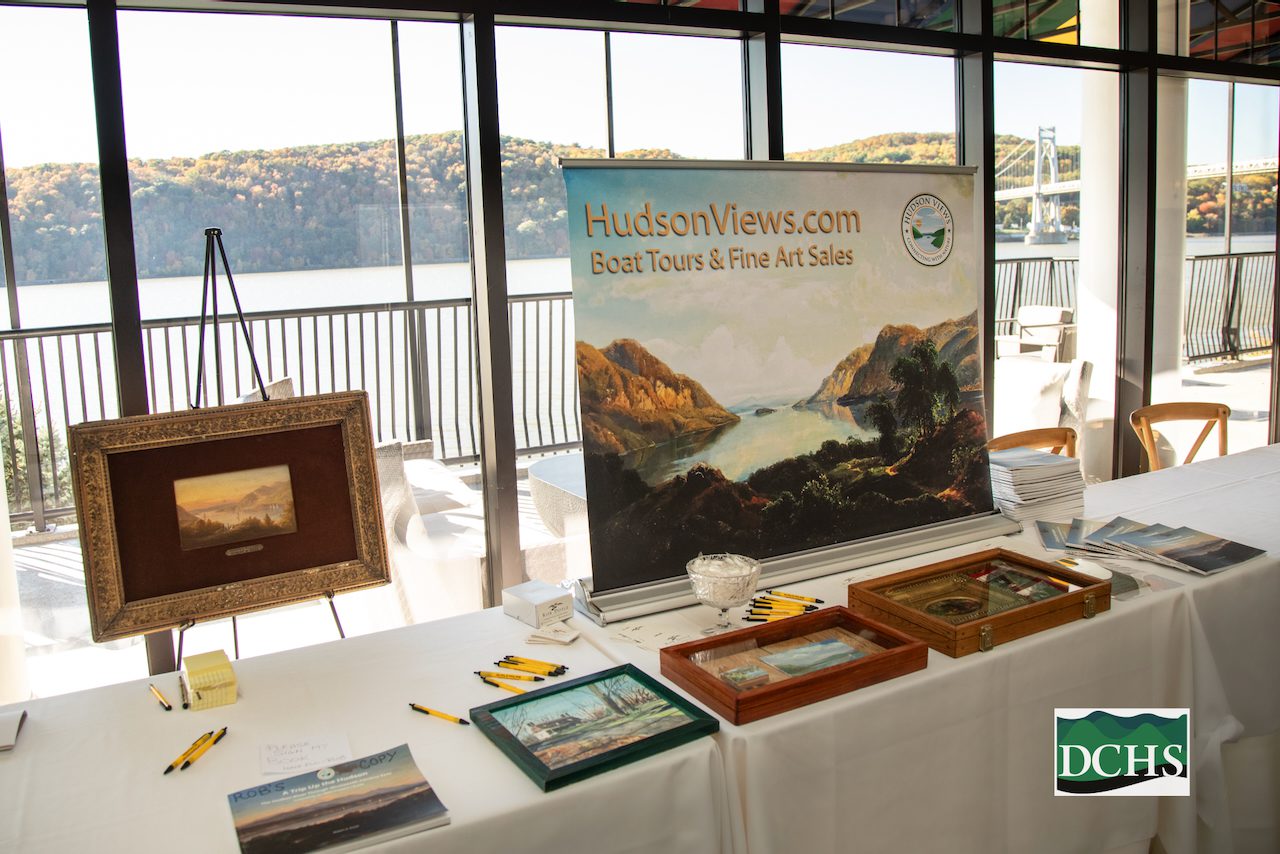
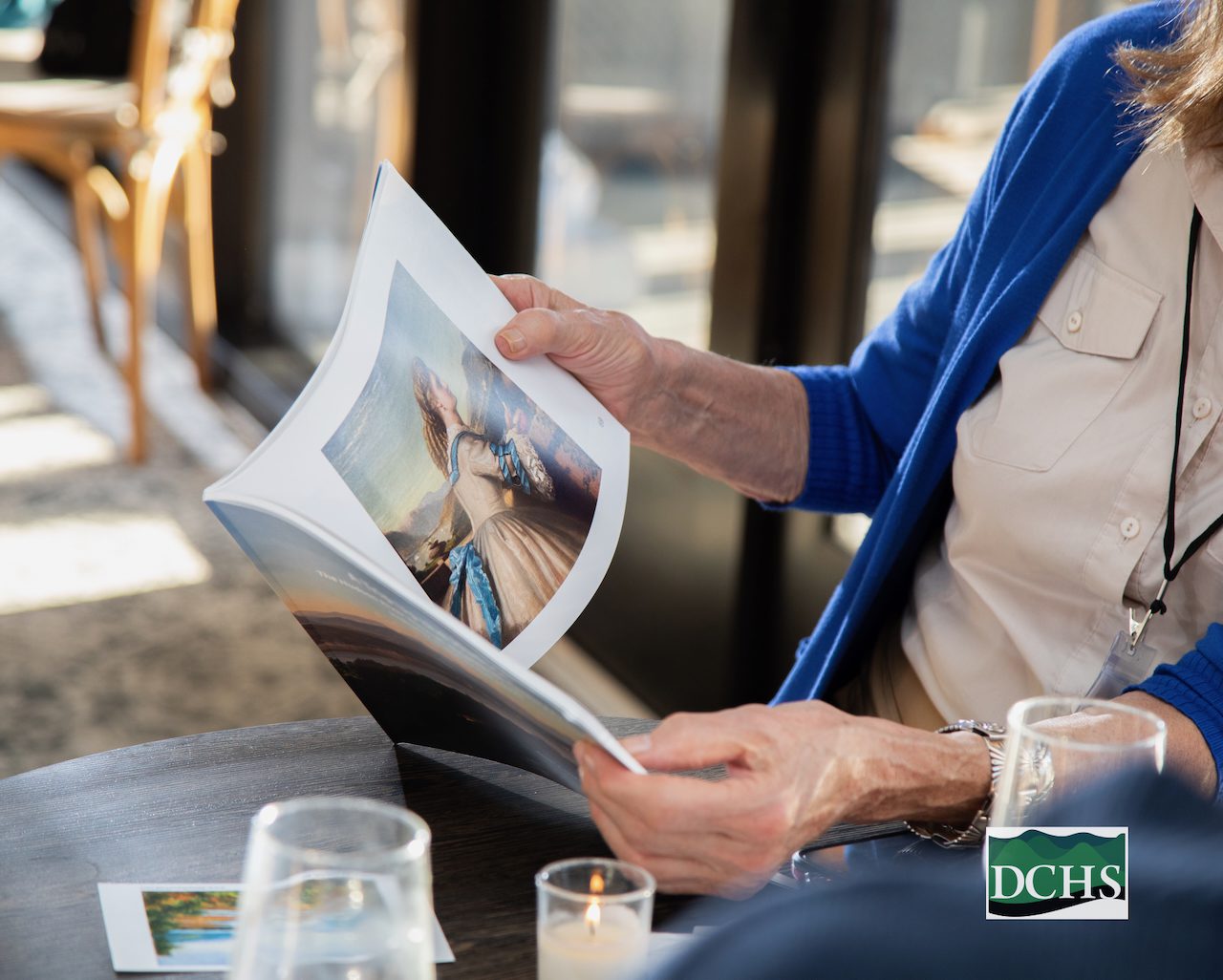
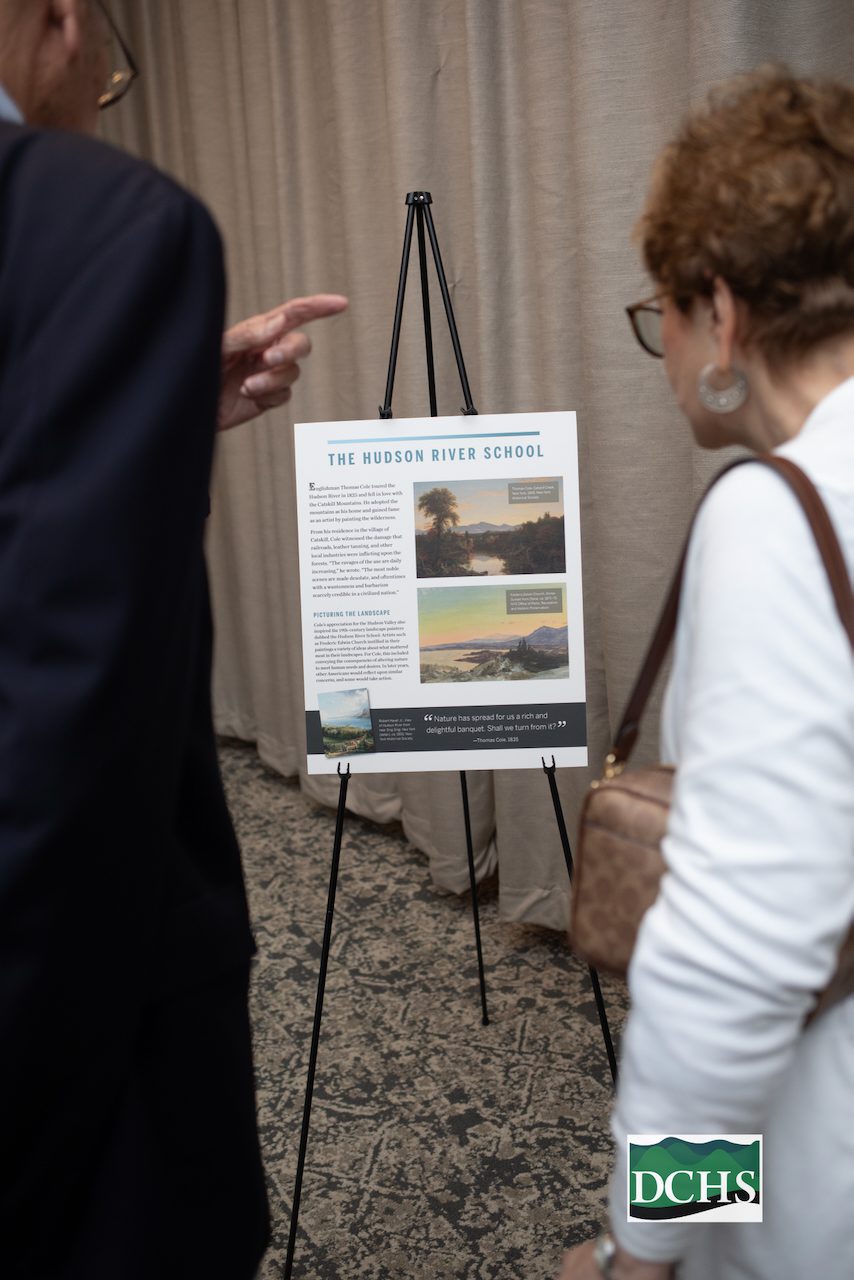
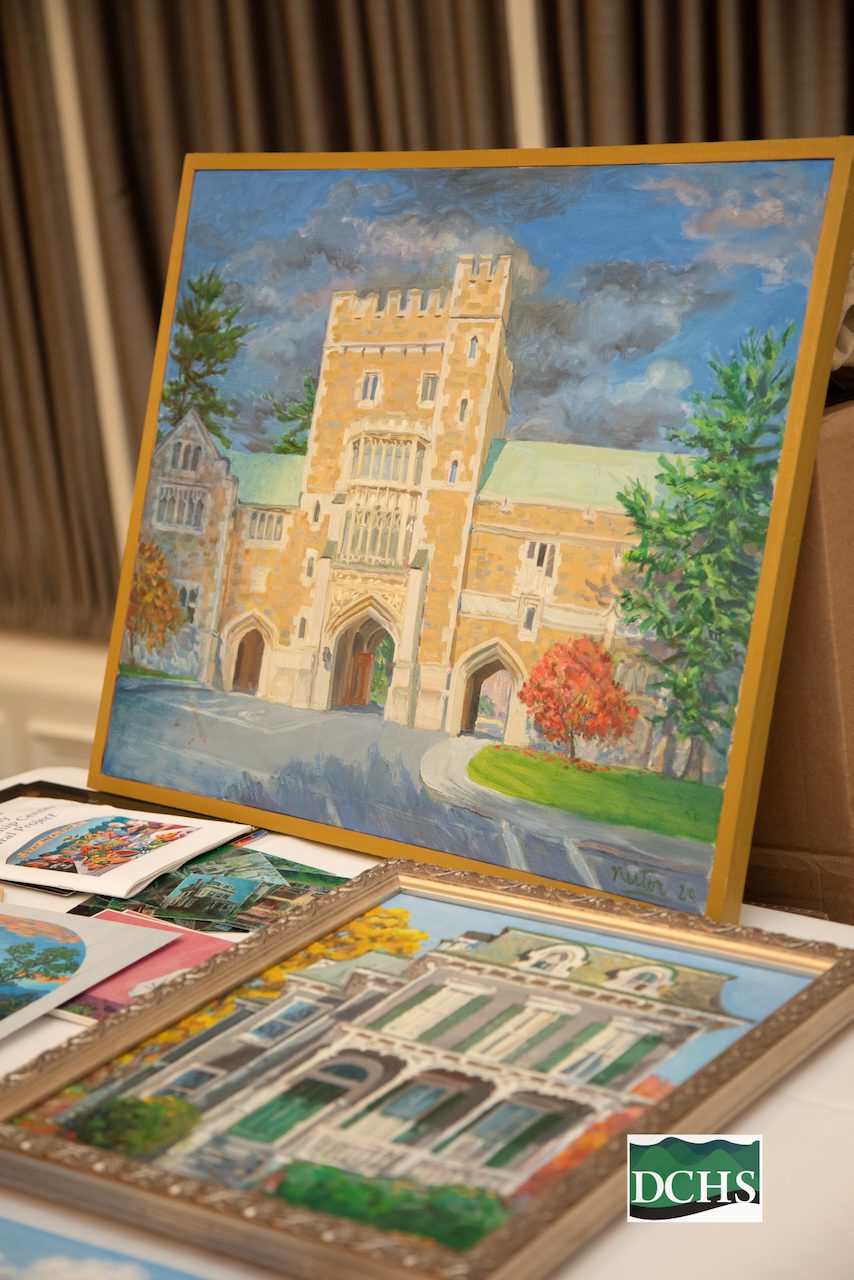
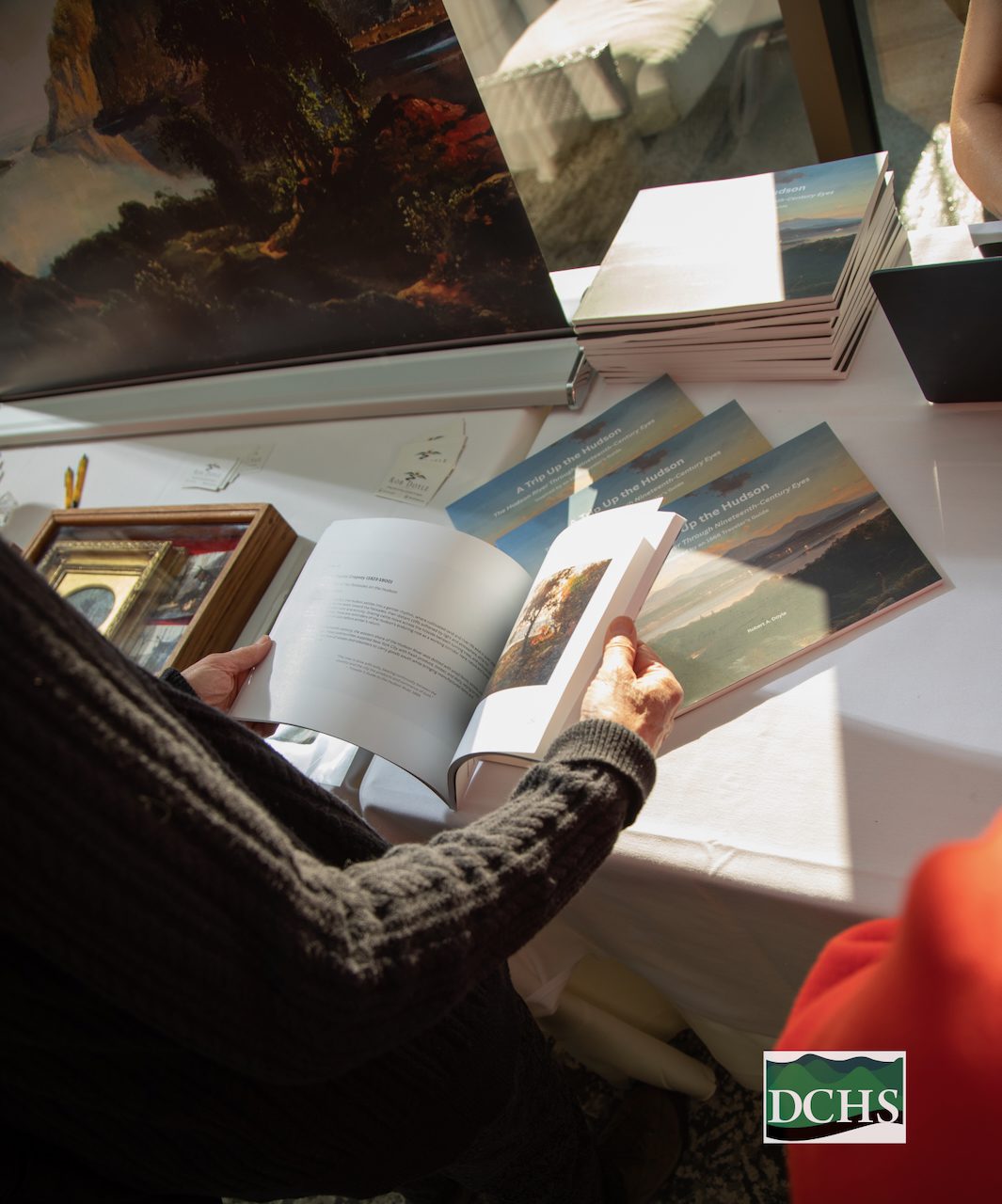
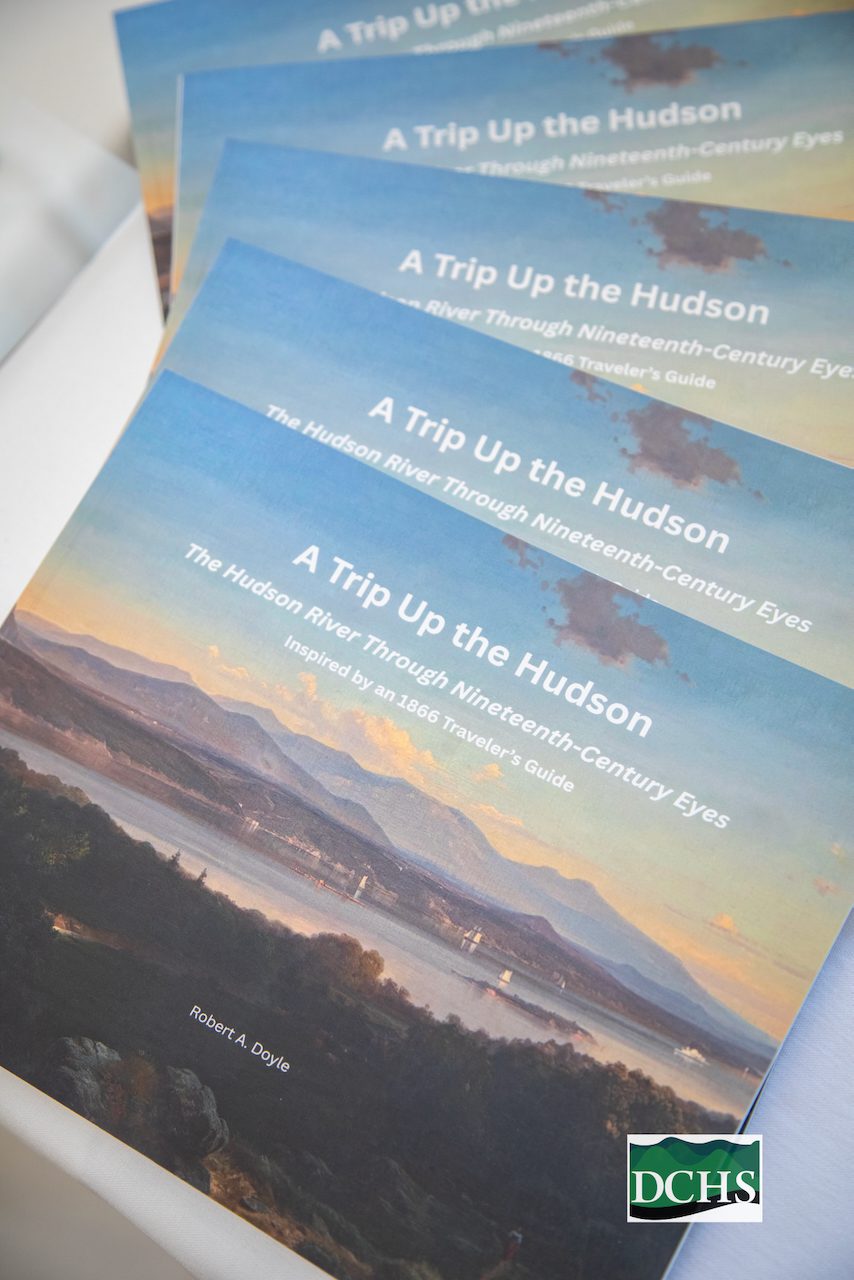
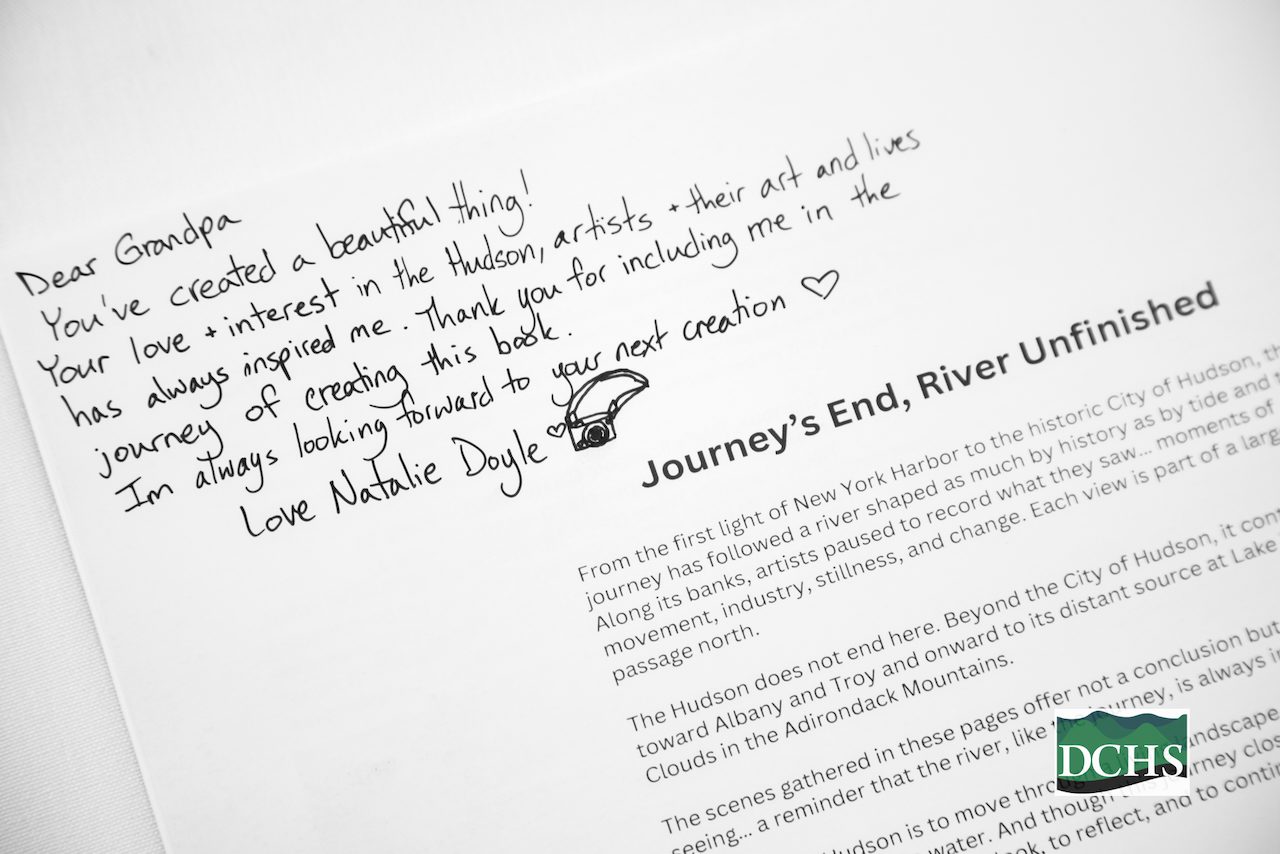
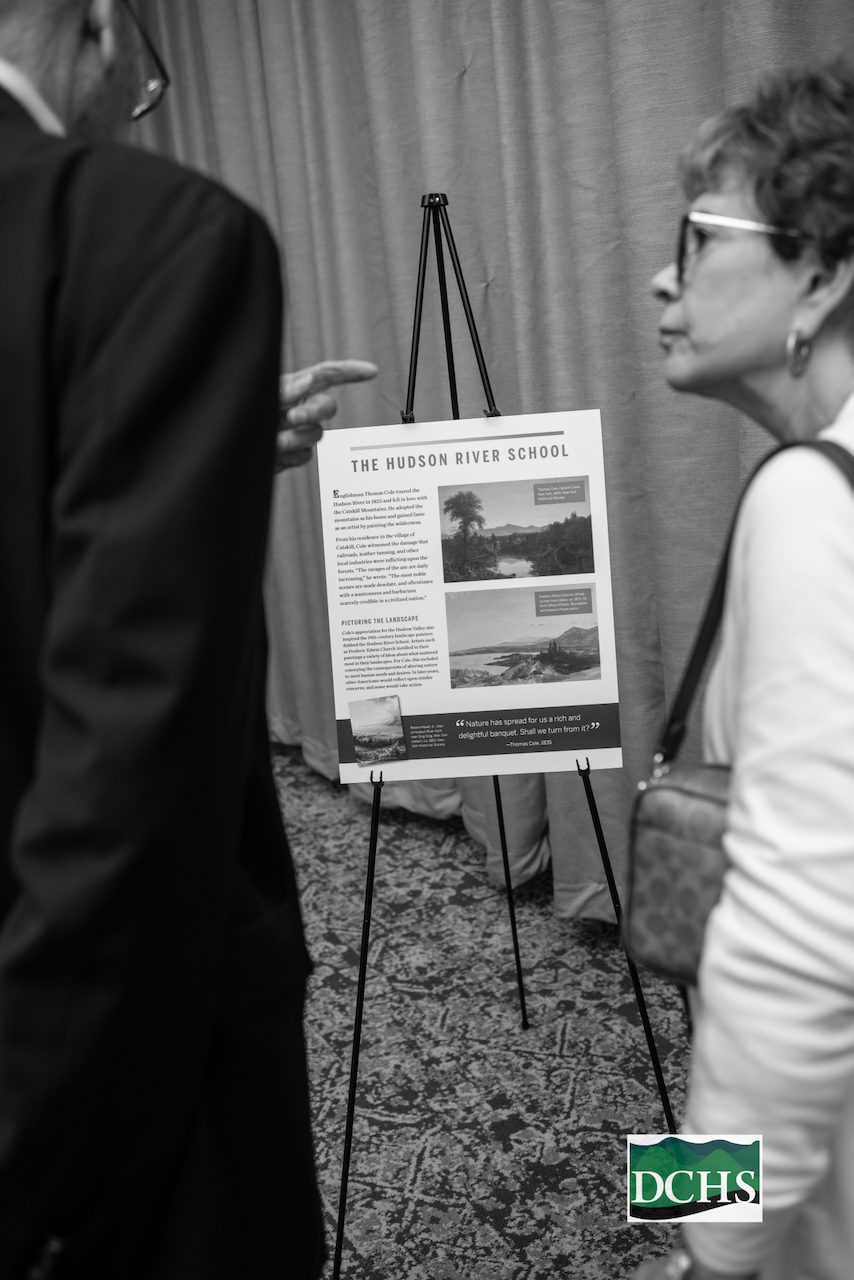
Almost everything DCHS holds — a deed, a diary, a daguerreotype, a ship’s log — connects with somewhere else: upriver, downriver, across the water, or in another discipline altogether. The painters in A Trip Up the Hudson did not paint just Dutchess County as they invented America’s first school of art. In this particular book, they painted from the harbor to Albany and let county lines fall where they might. The paintings are set against a travel guide, evidence that the valley had become more than just an economic opportunity by the middle of the 19th century. The valley had become something to be viewed, appreciated, cared for, and proud of…until it didn’t, until industry started to infringe on the things that made it so attractive and meaningful in the first place. Recognizing the resiliency of the people of the Hudson Valley across thousands of years reminds us why the whole community, with a range of interests, draws inspiration from a common region.
A county society holds deep local evidence; however, the meaning of that evidence lives in the larger context and dynamic of our shared values and goals. DCHS, by definition and mission, focuses on Dutchess County, but does so in the context of the vibrant people and resources of the “river” and valley.
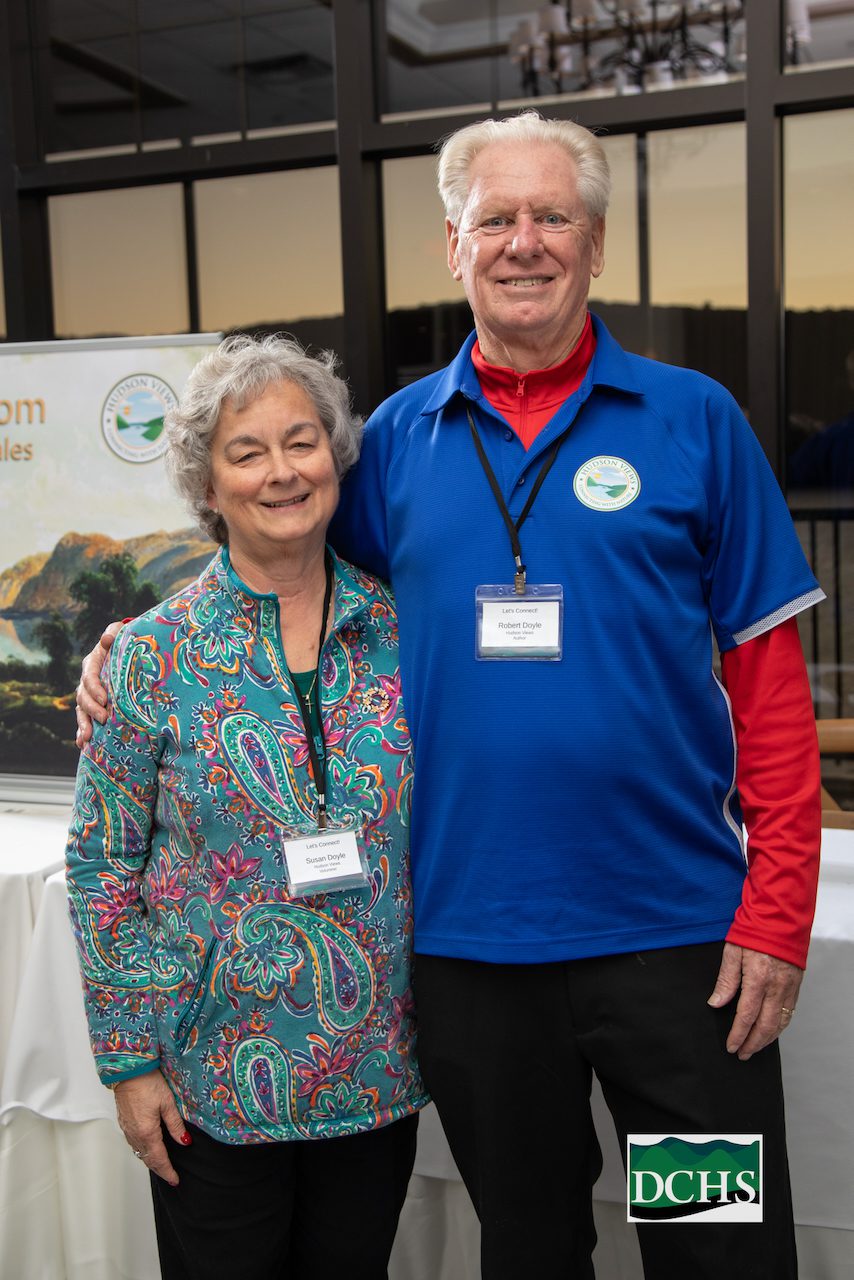
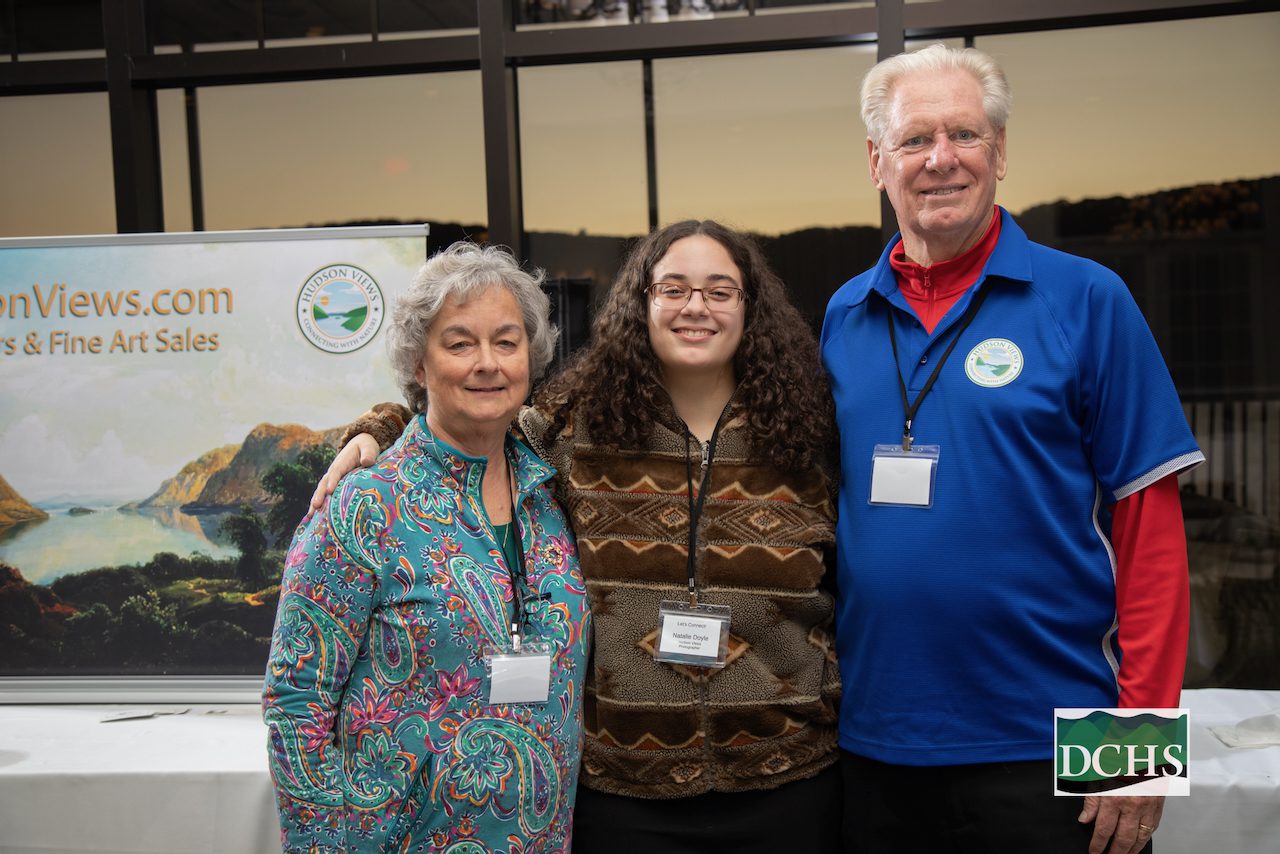
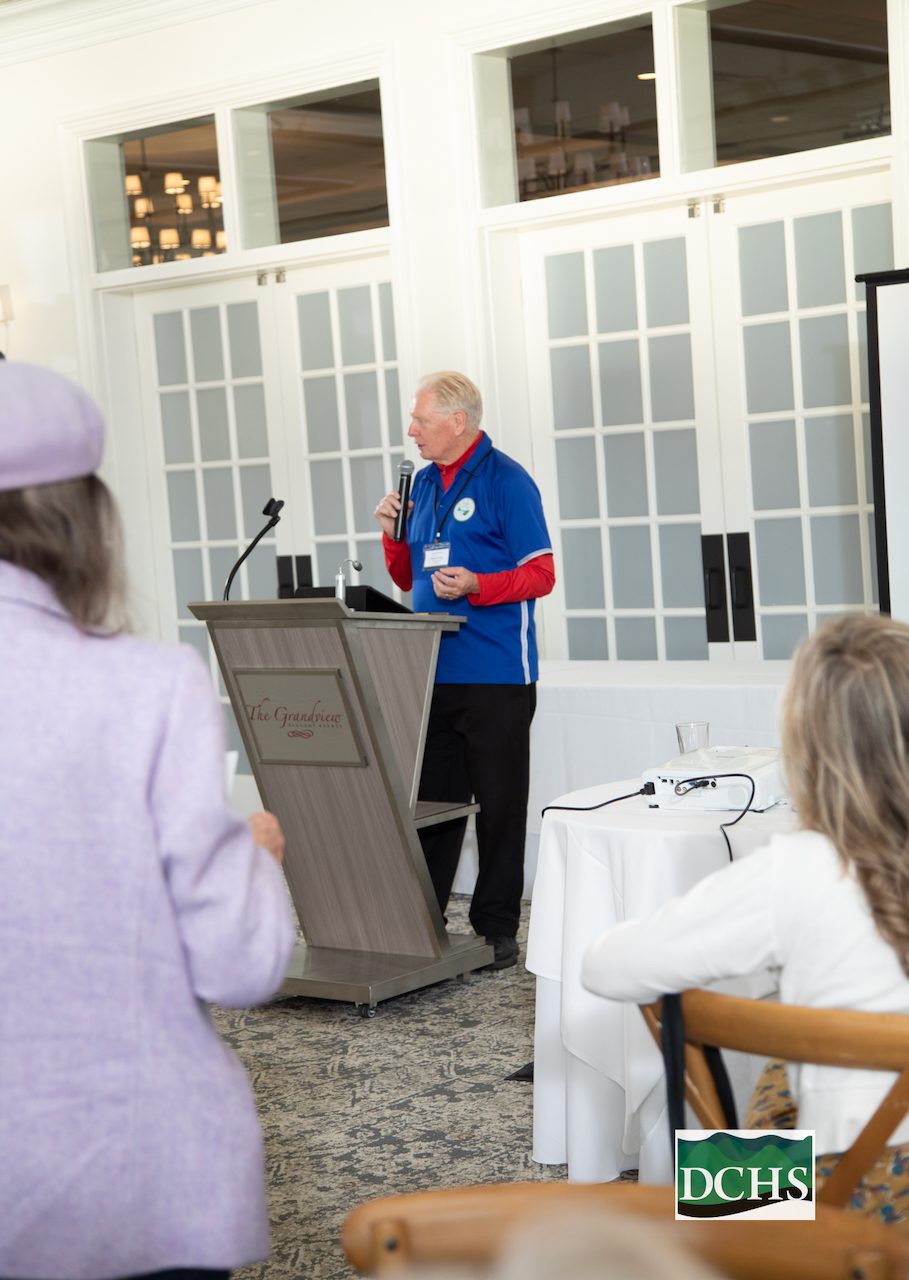
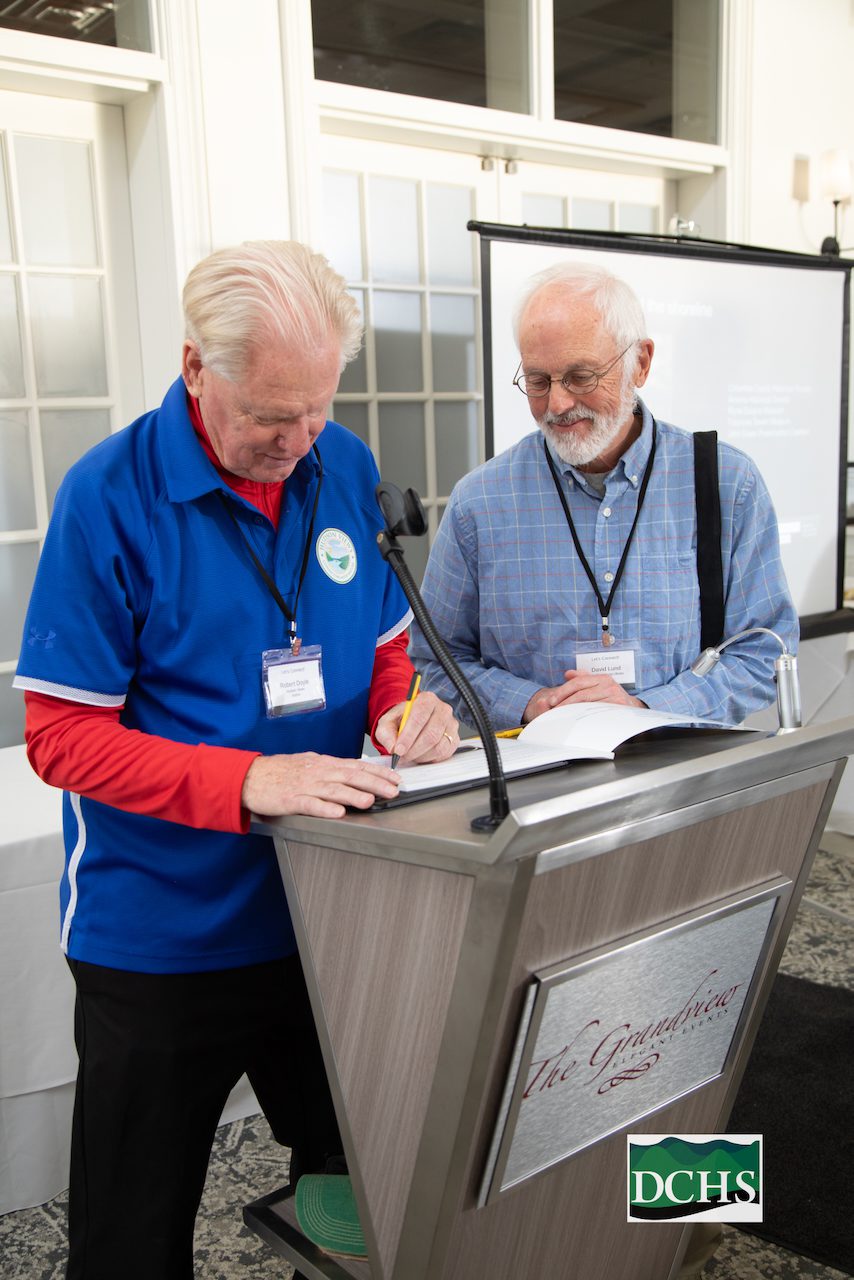
We are grateful to Rob and Sue Doyle for organizing this event and reinforcing this perspective. And we are grateful for the great variety of ways over many years that they have supported the Dutchess County Historical Society and broader region in ways that are so consequential and lasting.
Bill Jeffway
Executive Director